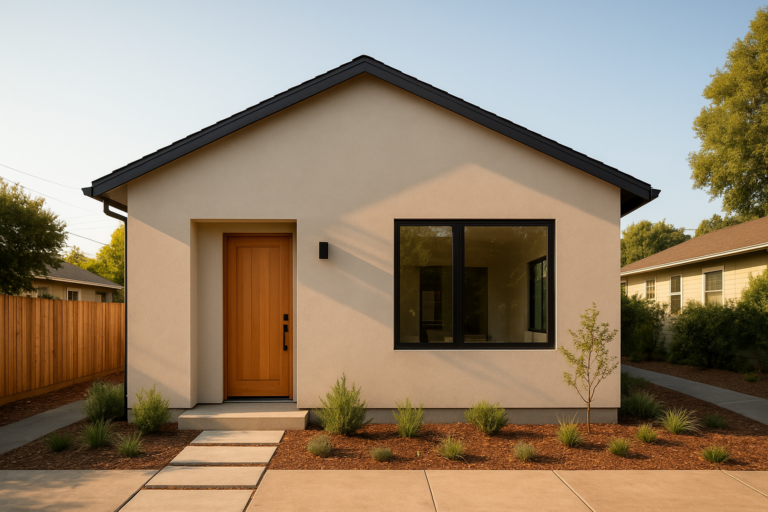
A 2-car garage ADU conversion is the process of transforming an existing two-car garage into a fully permitted, self-contained accessory dwelling unit — complete with a kitchen, bathroom, and sleeping area. Because a two-car garage typically offers 400 to 500 square feet of existing footprint, it provides one of the most efficient and cost-effective paths to adding a legal dwelling on your property.
According to Wikipedia’s overview of accessory dwelling units, ADUs have surged in popularity as housing costs rise and municipalities relax zoning restrictions. However, a successful conversion requires careful planning across permits, design, budget, and construction sequencing.
This guide walks you through every stage — from assessing feasibility to obtaining your certificate of occupancy — so you can approach the project with confidence. Author: Daniel Messina, Licensed General Building Contractor (CSLB #1128679). Last updated: 2026-06-26.
Quick Answer: A 2-car garage ADU conversion turns an existing two-car garage into a legal living unit. It typically costs $80,000–$200,000, takes 4–10 months from design to occupancy, and requires building permits for structural, electrical, plumbing, and mechanical work.
Is Your 2-Car Garage ADU Conversion a Good Candidate?
Before committing to any design work, you need to assess whether you can convert your garage and whether your specific garage is structurally and logistically suitable. First, measure the interior dimensions carefully — a true two-car garage should be at least 20 feet wide and 20 feet deep, yielding roughly 400 square feet of usable floor area.
Next, evaluate the ceiling height. Most building codes require a minimum finished ceiling height of 7 feet in habitable rooms. Fortunately, many garages have raw ceiling heights of 8 to 10 feet, which is ideal. However, if you plan to add a concrete subfloor or raised slab for insulation and moisture control, that finished floor height will reduce the clearance available.
Additionally, check the existing slab condition. Cracks, uneven settling, or inadequate drainage can add significant cost to the project. A structural engineer can assess the slab and foundation in a single site visit, which is money well spent at the planning stage.
Zoning Rules and Permit Requirements — see our Los Angeles garage conversion
Zoning compliance is the foundation of any legal ADU project. Therefore, your first official step should be a thorough review of your municipality’s ADU ordinance. Key items to verify include minimum and maximum ADU size limits, required setbacks from property lines, owner-occupancy rules, and whether parking replacement is required when the garage is removed from use. For a full checklist, see our garage conversion steps.
In California, for example, state law generally prohibits cities from requiring parking replacement for garage conversions located within half a mile of public transit. Many other states have adopted similar ADU-friendly legislation in recent years. Even so, local rules vary widely, so always confirm requirements directly with your planning department before proceeding. See local guidance in our Los Angeles garage conversion guide.
Once zoning is confirmed, you will need building permits for every trade involved — structural, electrical, plumbing, and mechanical. Refer to ADU regulations in your jurisdiction to confirm permit scope and avoid unpermitted work. Skipping permits is never advisable; unpermitted work can result in fines, forced removal, and serious complications when you eventually sell the property.
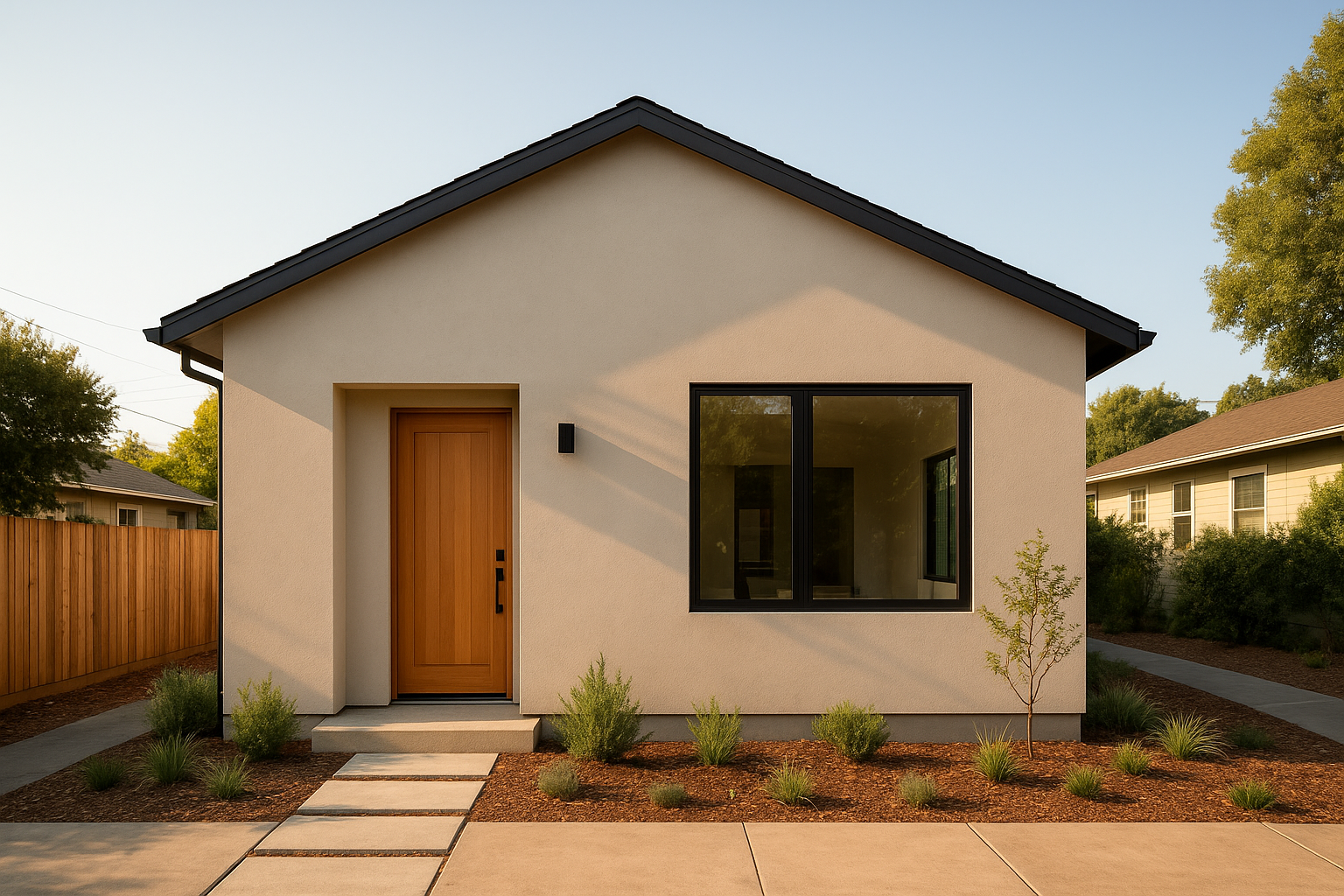
A well-executed 2-car garage ADU conversion blends seamlessly with the existing home’s architectural style.
How to Plan the Layout Effectively
Layout planning is where a 400-square-foot garage either feels spacious or cramped. Because the footprint is fixed, every design decision has a disproportionate impact on livability. As a result, working with an ADU specialist or licensed architect from the start pays dividends in both function and permit approval speed. Learn whether you can convert your garage.
A common and practical layout for a 2-car garage ADU conversion places the bathroom and kitchen along one shared wall to minimize plumbing runs. The remaining open area then serves as a combined living and sleeping space, or is divided with a partial wall or built-in storage unit to create a separate bedroom.
For larger garages in the 500–600 square foot range, a true one-bedroom layout with a separate living room becomes achievable. In that case, consider placing the bedroom at the rear for privacy and the living area near the front windows for natural light. Meanwhile, an open-plan kitchen adjacent to the living space keeps the unit feeling connected and airy.
Garage Door Replacement Options
One of the most visible design decisions is what to do with the original garage door opening. Three common approaches are: framing in the opening entirely with insulated walls and windows; installing a large sliding or folding glass door to preserve light and indoor-outdoor flow; or adding a fixed window wall with a standard entry door integrated into the new framing. For design templates and permit-ready layouts, see ADU plans. Each option affects natural light, energy efficiency, and curb appeal differently, so weigh them against your climate and design goals.
Budgeting: What Does a Conversion Actually Cost?
Costs for a 2-car garage ADU conversion typically range from $80,000 to $200,000. The wide range reflects differences in local labor markets, finish quality, and the extent of structural work required. Below is a general breakdown of where the money goes:
| Cost Category | Estimated Range |
|---|---|
| Design & Architecture | $5,000 – $15,000 |
| Permits & Fees | $3,000 – $12,000 |
| Structural & Framing | $10,000 – $30,000 |
| Electrical | $8,000 – $18,000 |
| Plumbing | $10,000 – $25,000 |
| Insulation, Drywall & Finishes | $15,000 – $40,000 |
| Kitchen & Bath Fixtures | $10,000 – $30,000 |
For detailed cost breakdowns and regional comparisons, resources like The ADU Pro offer project-specific guidance that can help you build a realistic budget before approaching contractors.
The Step-by-Step Conversion Process
Understanding the full process timeline helps you set realistic expectations and avoid costly delays; see the conversion steps. In practice, most garage ADU conversions follow six key phases:
- Feasibility Assessment — Evaluate the garage structure, slab, ceiling height, and utility access. Hire a structural engineer if there are any concerns about the foundation or roof framing.
- Zoning Research — Confirm ADU eligibility, setback rules, size limits, and parking requirements with your local planning department.
- Design and Architecture — Work with a designer to produce permit-ready drawings. This phase typically takes 4 to 8 weeks.
- Permit Submission and Approval — Submit applications and respond to any plan-check comments. Approval timelines range from 4 weeks to 4 months depending on your jurisdiction.
- Construction — Licensed contractors complete demolition, framing, rough-in trades, insulation, drywall, and finish work. Expect 3 to 6 months of active construction.
- Inspections and Certificate of Occupancy — Pass all required inspections at each phase and receive your final certificate of occupancy before renting or occupying the unit.
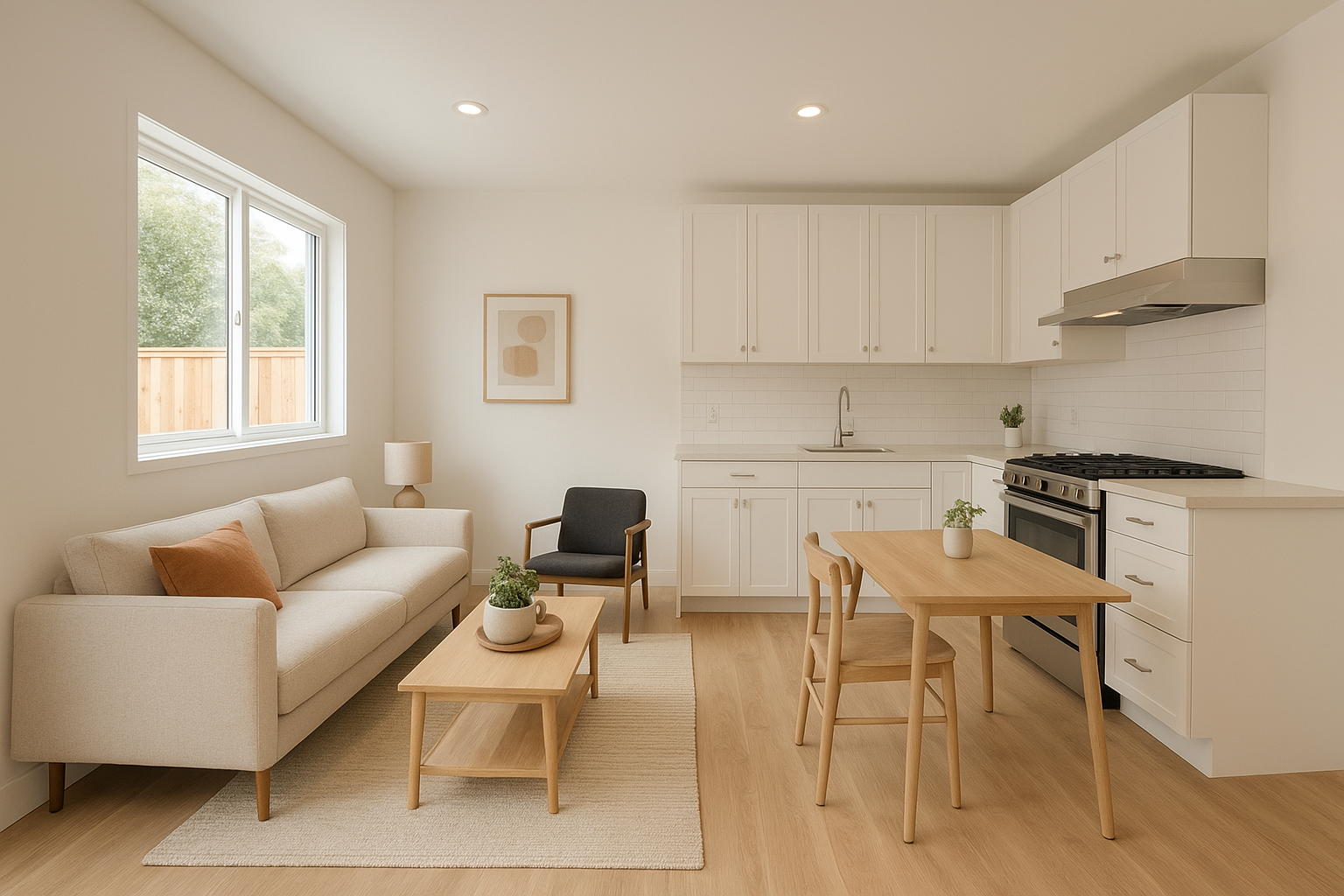
Thoughtful layout planning in a garage ADU conversion maximizes every square foot of the available space.
Common Mistakes to Avoid
Even experienced homeowners make avoidable mistakes during garage conversions. First and most importantly, never start construction before permits are approved. Although it may seem like a time-saver, unpermitted work creates legal and financial risk that far outweighs any schedule benefit.
Additionally, underestimating insulation requirements is a persistent problem. Garages are not built to residential thermal standards, so walls, ceilings, and the slab all need proper insulation treatment. Without it, the finished ADU will be uncomfortable and energy-inefficient.
Finally, ignoring moisture management is a costly oversight. Garage slabs are often at or below grade and may not have adequate vapor barriers. Therefore, addressing moisture before installing flooring and interior finishes is essential to prevent mold and structural damage down the line.
Financing Your Garage ADU Project
Financing is one of the most practical concerns homeowners face. Fortunately, several options exist depending on your equity position and credit profile. Cash-out refinancing allows you to tap existing home equity at mortgage rates, which are generally lower than other loan types. A home equity line of credit (HELOC) offers flexible draw-down access, which suits the phased nature of construction steps.
In some states, ADU-specific loan programs and pre-development grants are available through housing agencies. These programs can cover design and permit costs upfront, reducing the capital required before construction begins. Resources like The ADU Pro can help you identify programs available in your area.
Return on Investment and Rental Income Potential
A completed ADU can generate meaningful rental income. In high-cost urban markets, a 400–500 square foot garage ADU often rents for $1,500 to $2,800 per month. At those rates, a $150,000 conversion investment can achieve payback in 5 to 8 years — and the unit permanently increases the property’s resale value.
Beyond rental income, many homeowners use the converted space to house aging parents or adult children, reducing family housing costs without requiring a separate property purchase. In either case, the financial and lifestyle returns make a well-executed conversion one of the strongest home improvement investments available.
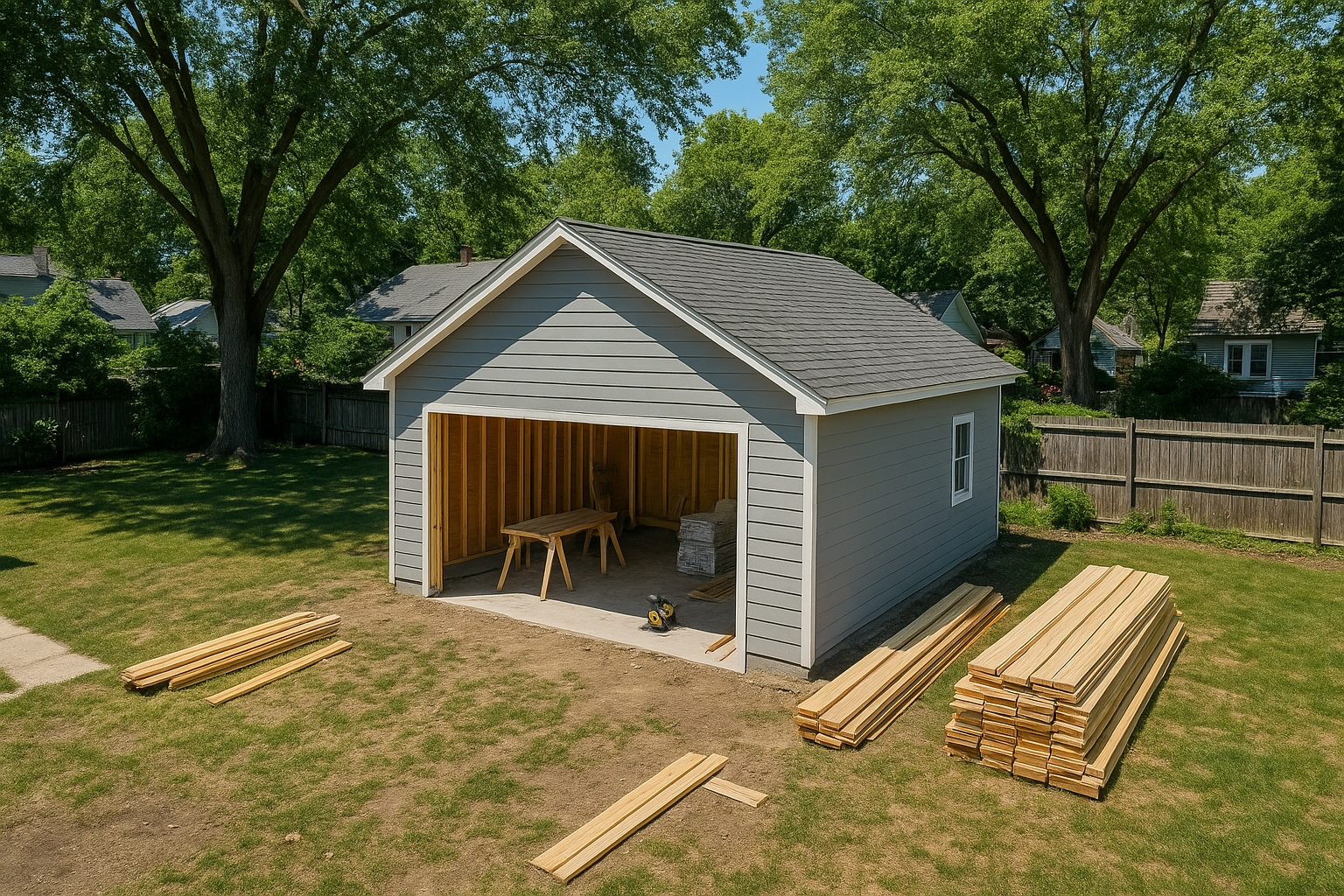
Detached garages often offer greater conversion flexibility and privacy than attached structures.
Conclusion: Is a 2-Car Garage ADU Conversion Right for You?
A 2-car garage ADU conversion is one of the smartest ways to add value, income, and flexibility to your property — provided you approach the project with thorough planning and respect for the permitting process. As a result, homeowners who invest time in feasibility assessment, zoning research, and professional design consistently achieve better outcomes at lower cost than those who rush into construction.
Whether your goal is rental income, multigenerational living, or simply adding livable square footage, the existing footprint of a two-car garage gives you a strong structural and financial head start. Take it one step at a time, work with licensed professionals, and the finished unit will serve your household for decades to come.
Frequently Asked Questions About Garage ADU Conversions
What is a 2-car garage ADU conversion?
A 2-car garage ADU conversion is the process of transforming an existing two-car garage into a fully permitted accessory dwelling unit with a kitchen, bathroom, and sleeping area. It is one of the most cost-effective ways to add a legal living space to a residential property.
How much does a 2-car garage ADU conversion cost?
Costs typically range from $80,000 to $200,000 depending on location, finish level, and the scope of structural work required. Basic conversions cost less, while full gut-renovations with high-end finishes approach the upper range.
Do I need a permit to convert my garage into an ADU?
Yes, a building permit is required in virtually every jurisdiction. You will typically need permits for structural changes, electrical upgrades, plumbing installation, and mechanical systems. Skipping permits can result in fines and forced removal of unpermitted work.
How long does a garage ADU conversion take?
The construction phase usually takes 3 to 6 months. However, the permitting and design phase can add another 1 to 4 months depending on your local municipality’s review process, bringing the total timeline to 4–10 months.
What size is a typical 2-car garage ADU?
A standard two-car garage measures approximately 400 to 500 square feet, which is enough for a comfortable studio or one-bedroom ADU. Some larger garages reach 600 square feet, allowing for a full one-bedroom layout with a separate living area.
Can I add a second story to my garage ADU conversion?
Yes, in many jurisdictions you can add a second story above the converted garage. However, this requires a structural engineer assessment, additional permits, and compliance with local height restrictions.
Will a garage ADU conversion increase my property taxes?
Yes, adding an ADU typically increases your assessed property value and can raise property taxes. However, many states limit how much the assessment can increase specifically due to an ADU addition, so the impact is often modest.
What are the most common mistakes in a garage ADU conversion?
The most common mistakes include underestimating insulation needs, failing to address moisture and drainage properly, ignoring ceiling height minimums, and starting construction before permits are approved. Poor layout planning that wastes usable square footage is also a frequent issue.
Do I need to provide parking replacement if I convert my garage?
In many states, including California, parking replacement is not required when converting a garage to an ADU if the property is within a certain distance of public transit. However, local rules vary significantly, so always verify with your local planning department.
Can a detached garage be converted into an ADU?
Yes, detached garages are often easier to convert into ADUs than attached garages because they have fewer shared-wall fire-rating requirements. They also offer more privacy for both the main house occupants and ADU tenants.
What is the minimum ceiling height required for a garage ADU?
Most building codes require a minimum finished ceiling height of 7 feet in habitable rooms. Many garages have existing ceiling heights of 8 to 10 feet, which is ideal, but if the slab is raised during conversion, ceiling clearance must be verified before work begins.
How do I finance a garage ADU conversion?
Common financing options include cash-out refinancing, home equity lines of credit (HELOCs), construction loans, and ADU-specific loan programs offered in some states. Some municipalities also offer low-interest pre-development loans to help homeowners cover design and permit costs upfront.