ADU Project Info: Full Budget, Timeline & Build Summary
A complete, transparent breakdown of a real ADU construction project — from plans and permits to final build.
This page provides complete project info for a 600 sq ft detached ADU (Accessory Dwelling Unit) build, including a full cost breakdown, construction timeline, and project summary. Project info is the structured set of details — budget, scope, and schedule — that defines everything about a construction project before, during, and after the build. Specifically, this project involved materials, labor, permits, plans, grading, and construction phases totaling just over $307,000, completed in approximately five months from planning to move-in.
What Is Project Info and Why Does It Matter?
When planning any construction project, having clear and detailed project info is the single most important factor in keeping costs on track and timelines realistic. In addition, well-documented project info helps homeowners, contractors, and lenders stay aligned at every stage.
For an ADU (Accessory Dwelling Unit — a secondary housing unit built on the same lot as a primary home), this means knowing your exact budget line items, understanding the permitting process, and mapping out how long each construction phase will take. Consequently, surprises become far less likely, and your project can move forward with confidence.
Below, we share full, real-world project info from a completed ADU build — so you can see exactly what goes into a project like this from start to finish.
Project Info: Budget Breakdown
Understanding where every dollar goes is a critical part of any project info package. Therefore, we have broken this build’s costs into three clear categories: materials and labor, architectural plans, and permits.
Budget Line Items
-
✓
Materials & Labor: $291,000 — This is the largest single cost in the project info, covering all framing, roofing, electrical, plumbing, insulation, drywall, flooring, finishes, and the contractor workforce required to complete the build. -
✓
Plans (Architectural & Structural Drawings): $8,700 — Architectural plans are the blueprints and engineering drawings required before any permit can be submitted. In California, specifically, these must meet Title 24 energy compliance standards. -
✓
Permits: $7,650 — Permit fees are paid to the local building department to legally authorize construction. Furthermore, without permits, finished work may need to be torn down, making this one of the most important line items in any ADU project info.
$307,350
What Drives ADU Construction Costs?
Several factors influence the numbers in your project info budget. For example, labor rates vary significantly by region, and Southern California typically commands higher rates than the national average. Similarly, material costs fluctuate based on supply chain conditions.
However, the largest variable is almost always the scope of finishes. Above all, homeowners who opt for mid-range finishes can keep costs closer to the numbers shown here, while premium finishes can push the total significantly higher. In contrast, value-engineering the floor plan — such as reducing square footage or simplifying the roof line — can reduce costs meaningfully.
Project Info: Summary of the Build
The project info summary gives you the big picture. This particular ADU was a 600 square foot detached unit — meaning it stands completely separate from the main house on the same lot. It also includes a 120 sq ft concrete patio deck, which extends the living space outdoors.
Key Project Features
-
✓
600 sq ft detached ADU with a 120 sq ft concrete patio deck — a layout that maximizes livable outdoor space without increasing the structure’s footprint. -
✓
Two bedrooms and one bathroom, with the great room and kitchen combined in an open-plan layout — a design that makes the most of a compact footprint. -
✓
Detached structure — as a result, the ADU offers maximum privacy for both the primary homeowner and the occupants of the new unit.
For a deeper walkthrough, see our Accessory Dwelling Unit Ordinance Los Angeles Guide.
Why a 600 Sq Ft Layout Works for Most ADU Builds
A 600 sq ft floor plan hits a practical sweet spot in ADU design. Specifically, it is large enough to function as a genuine two-bedroom home, but small enough to stay within most zoning setback and lot-coverage limits. Furthermore, at this size, the cost per square foot tends to be more favorable than smaller micro-ADUs, because fixed costs like permit fees and engineering are spread across more livable space.
The blended great room and kitchen layout, similarly, is a deliberate choice. Open-plan interiors feel larger than their square footage suggests, reduce the number of interior walls (saving on framing costs), and appeal to a wider range of potential renters or family members.
Project Info: Construction Timeline
One of the most commonly asked questions in any ADU project info conversation is: How long will this take? The honest answer is that the timeline depends heavily on your local permit office. Therefore, the breakdown below reflects a realistic, experienced-based schedule — not an overly optimistic estimate.
Phase-by-Phase Schedule
- Plan & Engineering: 30 Days — This phase covers the creation of architectural drawings, structural engineering, and Title 24 energy compliance documentation. Specifically, these documents form the foundation of your permit application.
- Permits: 60 Days — Permit review is typically the longest single wait in an ADU project. However, many California cities now offer expedited ADU permit review under recent state housing laws, which can shorten this window. In contrast, some jurisdictions still take longer if corrections are required.
- Grading: 3 Days — Grading refers to leveling and preparing the ground where the foundation will be poured. As a result, this is a short but essential step that must be inspected before concrete work begins.
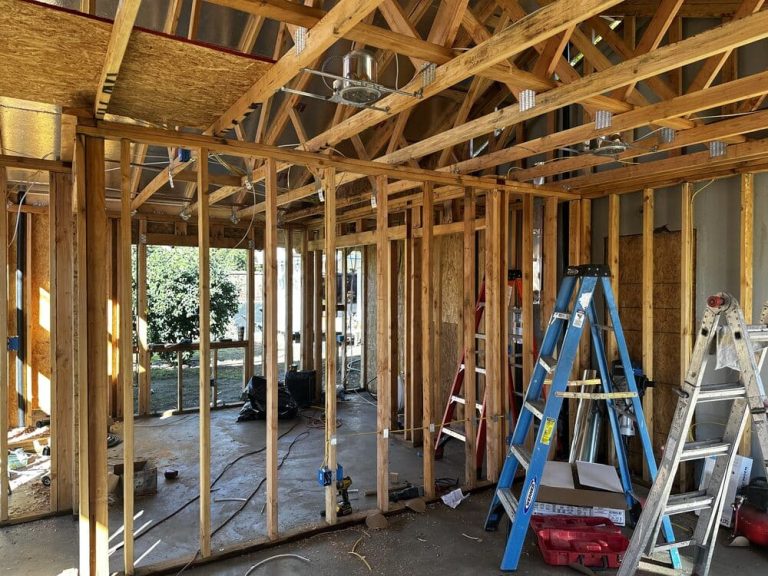
- Construction: Approximately 3 Months — This phase covers foundation, framing, roofing, mechanical systems (plumbing, electrical, HVAC), insulation, drywall, finishes, and final inspection. Furthermore, weather, inspection scheduling, and material lead times all influence the final duration.
~5 Months
What Can Delay Your ADU Timeline?
Even with excellent project info and planning, delays can occur. For example, plan check corrections from the building department can add two to four weeks. Similarly, subcontractor scheduling conflicts during busy construction seasons can push start dates back. Consequently, experienced ADU builders typically build buffer time into each phase rather than quoting best-case scenarios.
Above all, the permit phase is the most unpredictable. In particular, first-time ADU applicants who submit incomplete plan sets often face extended correction cycles. Therefore, hiring a design team experienced specifically with ADU projects in your municipality can significantly reduce permit turnaround time.
Our Working Process: How We Turn Project Info Into a Finished ADU
Every successful ADU build begins with a clear and detailed project info package. Our process is designed to move you from initial concept through final certificate of occupancy with as little friction as possible. Specifically, here is how each stage works:
- Initial Consultation & Site Assessment — We visit your property, review zoning regulations, and gather all the information needed to build your project info package. As a result, you receive a realistic scope, budget estimate, and timeline before any money changes hands.
- Design & Architectural Plans — Our design team creates construction drawings tailored specifically to your lot and local building codes. Furthermore, we handle Title 24 energy compliance so the plans are permit-ready the first time.
- Permit Submission & Management — We submit your complete permit package to the local building department and actively manage the review process. Consequently, corrections are addressed quickly, and your project does not sit idle waiting for responses.
- Site Preparation & Grading — Once permits are approved, site grading begins. In addition, underground utility connections (sewer, water, electrical) are planned and coordinated during this phase to avoid costly retrofits later.
- Construction — Our crew builds from foundation to finish, with regular progress updates and inspection coordination at every required milestone. Similarly, we maintain open communication so you always know where your project stands.
- Final Inspection & Certificate of Occupancy — Above all, the goal is a clean final inspection. We prepare for every inspection thoroughly so your ADU receives its certificate of occupancy on the first attempt whenever possible.
Frequently Asked Questions About ADU Project Info
What does project info include for an ADU build?
Project info for an ADU typically includes a full budget breakdown (materials, labor, plans, and permits), a project scope summary (size, layout, and type of unit), and a phase-by-phase construction timeline. In addition, it often includes the contractor’s working process and any site-specific requirements such as grading or utility connections.
How much does a 600 sq ft ADU typically cost?
Based on this project’s info, a 600 sq ft detached ADU in Southern California costs approximately $307,000–$320,000 at mid-range finishes. However, costs vary widely depending on site conditions, local labor rates, and finish selections. Specifically, the largest cost driver is materials and labor, which represented 94.7% of the total budget in this project.
How long does it take to build a detached ADU?
From first design drawing to final inspection, expect approximately five months for a straightforward detached ADU. Furthermore, the permit phase is typically the longest waiting period — around 60 days — and is largely outside the builder’s control. As a result, starting the design and permit process as early as possible is strongly recommended.
Are permits required for a detached ADU?
Yes — permits are always required for a new detached ADU. Specifically, you will need building, electrical, plumbing, and mechanical permits at a minimum. In California, state law (SB 9 and related ADU bills) requires local jurisdictions to process ADU permit applications within 60 days, which has helped speed up the process considerably compared to pre-2020 timelines.
What is the difference between a detached ADU and an attached ADU?
A detached ADU is a fully separate structure, while an attached ADU shares at least one wall with the primary home. Detached ADUs generally offer more privacy and flexibility in placement on the lot. However, they are typically more expensive to build because they require a full independent foundation and separate utility connections. In contrast, attached ADUs may share some infrastructure with the main house, reducing costs.
Can I use an ADU as a rental property?
Yes. In California, ADUs may be rented out for terms of 31 days or longer. Consequently, many homeowners build ADUs specifically to generate rental income that offsets their mortgage. A two-bedroom unit of this size in a desirable Southern California neighborhood can generate between $1,800 and $2,800 per month in rental income, depending on location and condition.
ADU Project Info: What to Watch Out For
Even the most carefully assembled project info can miss a few common pitfalls. Therefore, we have outlined the most frequent issues that homeowners encounter — and how to avoid them.
- Underestimating Soft Costs — Plans, permits, soil reports, and utility connection fees are “soft costs” — they don’t build anything, but they are unavoidable. Specifically, these often add 5–10% to a project budget that owners initially overlook.
- Not Verifying Zoning Before Design — Similarly, starting the design process before confirming your lot’s setbacks, lot-coverage limits, and height restrictions can result in costly plan revisions. Always confirm zoning details with your local planning department first.
- Choosing the Cheapest Contractor — In contrast to what some project info comparisons suggest, the lowest bid is rarely the best value. Specifically, contractors who underbid frequently cut corners, use lower-grade materials, or add change orders that drive the final cost above a more transparent original bid.
- Ignoring Utility Capacity — As a result of adding a second dwelling unit, your water meter, electrical panel, and sewer lateral may need upgrades. Therefore, confirm utility capacity early — ideally during the site assessment phase.
Watch the Build: ADU Project Video Walkthrough
In addition to the written project info above, you can watch a full video walkthrough of this ADU build below. The video covers the construction process from site preparation through the finished interior — giving you a visual reference for every phase described on this page.
▶ ADU Build Video — Full Construction Process
Conclusion: Complete Project Info Leads to Better Builds
Thorough project info is not just paperwork — it is the blueprint for a successful ADU construction experience. Specifically, homeowners who begin with a clear and detailed project info package are better equipped to manage costs, avoid delays, and make confident decisions at every stage of the build. As a result, they are far less likely to encounter budget overruns or timeline surprises.
Furthermore, the numbers and timeline shared on this page reflect a real, completed project — not theoretical estimates. Therefore, they provide a reliable benchmark for anyone planning a similar 600 sq ft detached ADU in Southern California. Above all, the lesson is simple: invest the time upfront to build complete, accurate project info, and the entire construction process becomes smoother, faster, and more predictable.
Ready to get started? Contact us today to receive your own customized project info package — including a site assessment, budget estimate, and timeline specific to your property and goals.