
Hiring the right home extension contractors can turn a cramped, outdated house into the spacious, modern home your family actually needs, and doing it well in 2026 takes more than a quick online search. For a broader introduction to the topic, our Sample Blog covers many of the same fundamentals in a shorter format.
Homeowners across Southern California, including those in Torrance, are increasingly turning to home extension contractors for expert solutions that add square footage without the stress of relocating. In fact, our Torrance project overview shows exactly how this plays out in a real neighborhood setting. For a deeper walkthrough, see our Junior ADU Benefits: Why Homeowners Love This Option.
Because demand for home extensions keeps climbing, choosing the right team matters more than ever. Therefore, this guide delivers a clear, no-fluff roadmap for selecting and working with home extension contractors in 2026, drawing on real project data such as our Upland 2 case study.
Ready to maximize your home’s potential? Below, you will find trends, vetting checklists, a full project timeline, cost tables, and legal essentials that most guides skip entirely. If rental income is part of your plan, pair this guide with Maximize Your Income: Top Tips for Renting Out Your ADU for extra strategy. For a deeper walkthrough, see our Investing in ADU Rental: Maximize Your ROI in 2025.
What Do Home Extension Contractors Actually Do in 2026?
Expanding your home is one of the most effective ways to add comfort, function, and resale value. As more homeowners seek innovative solutions, understanding exactly what home extension contractors do in 2026 is essential for making a confident hiring decision. Unlike a general handyman, these specialists manage design, permitting, structural work, and finishing trades under one coordinated plan. For a deeper walkthrough of a similar market, see our Upland guide.
What Qualifies as a Home Extension?
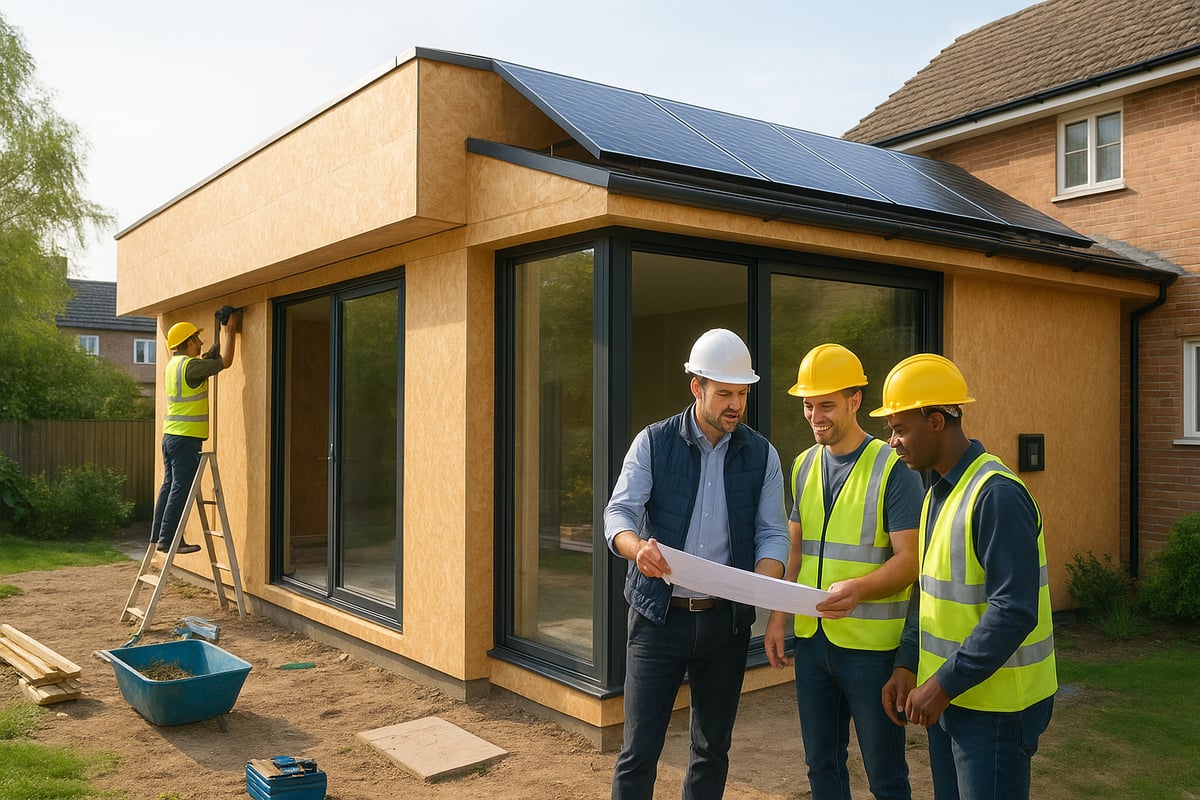
A home extension is any significant addition that increases the size or function of your existing residence. In 2026, homeowners can choose from rear extensions, side returns, wraparounds, two-story additions, loft conversions, basement renovations, and garage transformations.
Unlike renovations, which simply update existing spaces, extensions create entirely new square footage. Accessory Dwelling Units, better known as ADUs, are a specialized type of extension often built for rental income or multi-generational living. However, they are classified differently because of stricter zoning and regulatory requirements, as explained in the Wikipedia overview of ADUs.
Common motivations include the need for more space, boosting property value, accommodating family growth, or generating rental income. In urban settings, loft and basement conversions maximize limited footprints, while suburban homeowners often opt for expansive rear or two-story extensions. Skilled home extension contractors help match the right extension type to your lot, budget, and long-term goals, similar to the approach detailed in Temecula ADU Builders: Find the Best Local Experts.
Key Trends Shaping Home Extension Projects in 2026
The home extension landscape is evolving quickly. Sustainability now sits at the forefront, with eco-friendly materials and energy-efficient designs standard on most projects. In addition, smart home integration has gained real traction, letting homeowners control lighting, security, and climate remotely from a single app.
Modular and prefab extensions offer faster construction and cost savings compared to traditional stick-built additions. As a result, these solutions are increasingly popular among homeowners seeking minimal disruption and flexible layouts. Adaptable spaces, such as home offices and home gyms, reflect the growing demand for multipurpose rooms.
Industry reports predict a 7% annual increase in the home extension market between 2025 and 2026, which highlights robust, sustained demand. Home extension contractors are leveraging new technologies and sustainable practices to deliver better results for modern clients, a topic covered in more depth by How to Select ADU Builders for Superior Results. Energy-efficiency incentives from federal programs, outlined at Energy.gov, are also pushing more homeowners toward high-performance builds.
Benefits and Challenges of a Home Addition Project
Deciding to extend your home brings real rewards alongside real considerations. The main benefits include more living space, an improved daily lifestyle, and higher resale value. Flexible designs let families adapt their homes to changing needs, whether that means supporting aging relatives or setting up a permanent remote-work space.
That said, challenges exist too. Costs can escalate, and construction may disrupt daily routines for weeks or months. Navigating zoning restrictions and finding reputable home extension contractors also presents real hurdles. To reduce risk, it is crucial to vet contractors thoroughly and clarify project scope from the very first conversation.
A recent case study illustrates these dynamics well. An Orange County family transformed their outdated bungalow with a rear extension, adding a sunroom and open kitchen. By partnering with trusted professionals and reviewing the Portfolio of completed home extensions, they confirmed quality craftsmanship and code compliance before signing anything, resulting in a seamless, value-boosting upgrade.
How to Choose the Right Home Extension Contractors
Selecting the right home extension contractors is the cornerstone of a successful project. With the market evolving rapidly in 2026, homeowners must be diligent, informed, and proactive throughout the entire selection process, from the first phone call to the final signature.
Essential Qualities to Look For in a Home Addition Contractor
When evaluating home extension contractors, prioritize essential credentials first. Confirm they hold up-to-date licensing, insurance, and certifications that align with current regulations. Experience with your specific extension type, whether that is a loft conversion or a modular addition, is vital for smooth project delivery.
In addition, review the contractor’s portfolio for similar projects and request client testimonials. This step helps verify their ability to deliver quality work and navigate unexpected challenges. Effective communication is non-negotiable, since transparent updates and quick responses minimize misunderstandings later.
Modern home extension contractors should also leverage technology for project management and progress tracking. Digital updates and scheduling tools foster transparency throughout the build. For more best practices on this exact step, Choosing a Home Addition Builder offers a helpful outside perspective, and the government-backed FTC guide to hiring a contractor covers consumer protection basics every homeowner should know.
The Vetting and Interview Process
Finding reputable home extension contractors starts with trusted sources. Use professional directories, ask friends for referrals, and read online reviews carefully. Then, schedule consultations to evaluate compatibility and professionalism before committing to anyone.
Prepare a list of questions for each candidate. Ask about their timeline, construction process, material sourcing, and how they handle unforeseen problems. Above all, assess their willingness to explain each step clearly and address your concerns without deflecting. For a deeper walkthrough, see our How to Build an ADU: Step-by-Step Guide.
Be alert for red flags. Unrealistic quotes, vague documentation, and poor communication all signal potential trouble ahead. Trust your instincts, and never rush the decision. The right home extension contractors will welcome your due diligence and provide clear, detailed answers every time.
Comparing Quotes and Contracts
Once you have a shortlist of home extension contractors, request detailed written estimates. Scrutinize each quote for clarity on materials, labor, and timelines. Look for itemized costs, and ask for a plain-language explanation wherever a line item feels unclear.
Understanding contract terms is just as crucial as comparing price. Review payment schedules, warranty coverage, and the process for change orders. A solid contract details every aspect, from project scope to dispute resolution. Use the table below to compare the essential elements of any contract before you sign.
| Contract Element | What to Look For |
|---|---|
| Payment Schedule | Clear milestones, no large upfront payments |
| Warranties | Coverage for workmanship and materials |
| Change Orders | Transparent, written process for modifications |
| Timeline | Realistic, with a buffer built in for delays |
Typical cost ranges for extensions in 2026 vary by type and region. Always compare multiple offers, and never select home extension contractors based solely on the lowest bid. For a walkthrough of comparing final proposals, see our Select offer resource.
The Role of ADU Specialists in Home Extensions
Accessory Dwelling Unit contractors have become increasingly relevant for specialized projects. If your goal includes adding a rental suite or an independent living space, ADU specialists offer tailored expertise. They understand complex zoning laws, energy codes, and design requirements unique to ADUs and larger extensions alike. For more context, see our Silicon project notes. For a deeper walkthrough, see our Landscape Design for ADUs.
Southern California homeowners often rely on local ADU professionals to streamline regulatory approval and design-build integration. Local expertise ensures compliance and maximizes property value. In many cases, home extension contractors with ADU experience deliver a more seamless, future-proof project overall, as shown in our Springdale LA profile.
The Home Extension Process: Step-by-Step
Expanding your home is a significant journey, and understanding each phase is essential for a smooth experience. Working with home extension contractors involves a series of well-defined steps. Below, this guide breaks the process into six manageable stages so you can move from concept to completion with confidence.

Step 1: Initial Planning and Feasibility
Every successful home extension starts with a clear vision and a thorough assessment. Begin by outlining your goals, whether you want more space, higher property value, or functional upgrades. Then, analyze how the extension will affect your household’s daily life. For a deeper walkthrough, see our Home Renovation ADU: Add Space & Value to Your Property.
Next, home extension contractors conduct a detailed site survey. They examine property boundaries, soil quality, and existing structures. This stage often includes a feasibility study that reviews zoning laws and potential restrictions. For example, a homeowner may dream of a two-story addition, only to discover that local zoning limits vertical expansion.
Step 2: Design and Approvals
Once feasibility is confirmed, design takes center stage. Homeowners can choose between architects, independent designers, or design-build firms, each offering distinct advantages. Design-build firms streamline communication, while independent architects provide highly customized concepts.
Modern home extension contractors utilize 3D modeling and virtual walkthroughs, letting you visualize the finished space before construction begins. This technology helps identify issues and refine layouts quickly. On average, permit approval times in 2026 range from four to eight weeks, depending on project scope and location. For inspiration, explore 2026 Home Improvement Trends to see how innovation is shaping modern extensions.
Step 3: Budgeting and Financing
With designs in hand, it is time to focus on finances. Home extension contractors help estimate total project costs, covering materials, labor, permits, and potential hidden fees. Transparent pricing is crucial, and reputable contractors provide detailed breakdowns to avoid surprises later.
From there, explore financing options. Many homeowners use home equity loans, extension-specific financial products, or grants, especially for energy-efficient builds. In 2026, green building incentives are increasingly available, making sustainable choices more accessible than before.
Step 4: Contractor Selection and Contract Signing
Choosing the right home extension contractors is pivotal at this stage. Review portfolios, check references, and compare previous projects similar to your own. Prioritize communication skills, since clear dialogue reduces misunderstandings and builds trust from day one.
During contract negotiations, outline the full project scope, establish payment milestones, and clarify timelines. Ensure every agreement is documented in writing. Many contractors now use digital project management tools, giving homeowners real-time access to schedules, updates, and change orders.
Step 5: Construction and Project Management
Construction begins with site preparation, which may involve clearing land, setting up safety barriers, and coordinating material deliveries. Home extension contractors focus on minimizing disruption while keeping worksites clean and organized throughout the build.
Regular site meetings keep everyone informed, while digital updates provide transparency on progress and potential setbacks. Despite careful planning, unexpected issues sometimes arise, including weather, supply chain disruptions, or unforeseen structural problems. Experienced home extension contractors anticipate these risks and build in contingency plans to keep your project on track.
Step 6: Final Inspections and Handover
As construction concludes, the focus shifts to finishing touches. Home extension contractors create a punch list of final tasks, ensuring all work meets the agreed standard. A comprehensive walkthrough lets you flag any concerns before the official handover.
Final inspections by local authorities confirm compliance with building codes and safety regulations. Passing these checks is essential for legal occupancy and peace of mind. Upon completion, contractors provide warranties and maintenance guidance to help you protect your investment. For fresh layout ideas once the shell is finished, see 7 Smart ADU Design Ideas to Transform Your Living Space. For a deeper walkthrough, see our landscaping ideas for ADUs.
Budgeting and Cost Considerations for Your Home Addition
Planning your budget is a pivotal step before hiring home extension contractors. Understanding what drives costs, and how to manage them, will help ensure your project stays on track and delivers real value. Below, we break down the main factors, budgeting best practices, and financing options for 2026.
Key Cost Drivers for Home Extension Projects
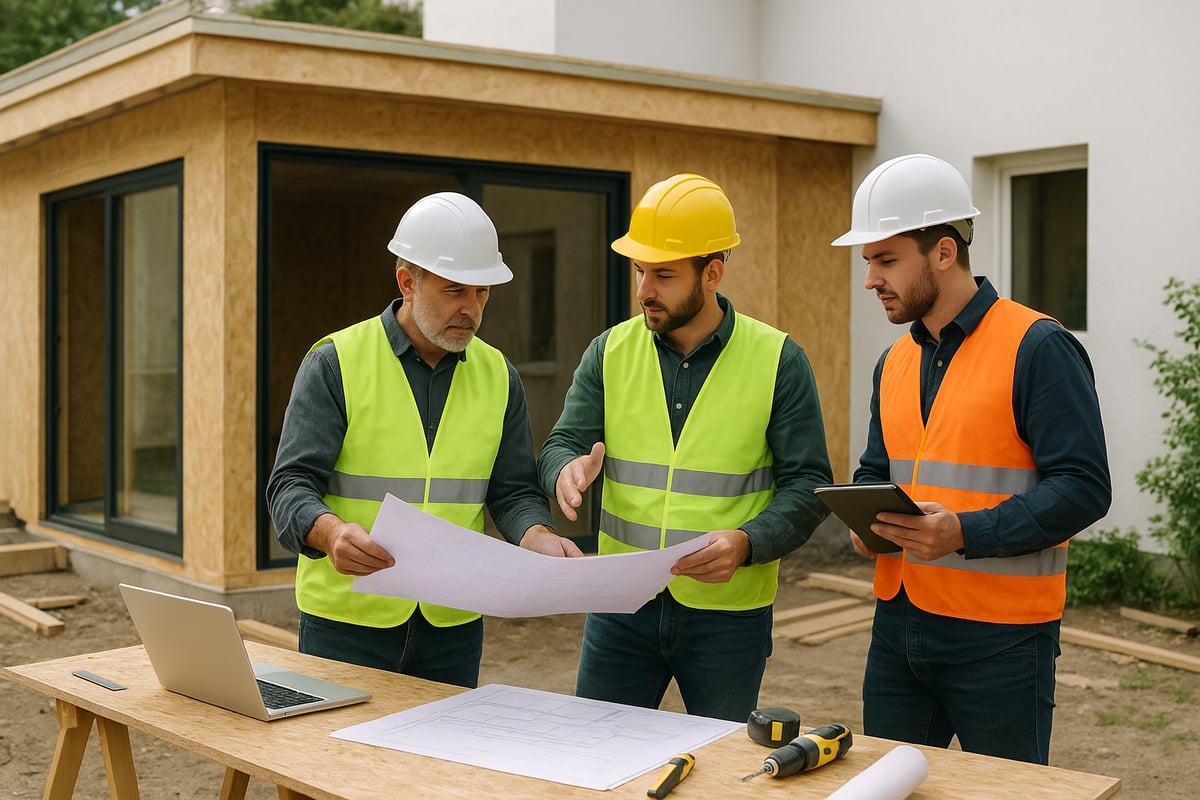
Several factors influence the overall price when working with home extension contractors. Material choices play a leading role. Sustainable materials, such as recycled steel or advanced insulation, carry higher upfront costs but can lower utility bills over time. Traditional materials like timber and brick remain popular, especially in classic home designs.
Labor costs also vary by region and project complexity. Urban areas typically see higher rates due to demand and stricter regulations. The design’s complexity and your site’s condition matter as well; for instance, a sloped lot or limited access often increases costs because of added prep work, a pattern we saw firsthand in our San Francisco project.
Modular and prefab extensions are gaining traction in 2026. They often reduce construction time and labor expenses compared to custom-built extensions. Consider this quick comparison before deciding which approach fits your budget:
| Extension Type | Average Cost per Sq. Ft. | Construction Time |
|---|---|---|
| Modular/Prefab | $180–$250 | 3–4 months |
| Custom-Built | $240–$320 | 5–8 months |
Managing Your Budget
To avoid surprises, set clear expectations with your home extension contractors from the outset. Always include a contingency fund of 10 to 20 percent for unexpected expenses. This safety net covers unforeseen issues like hidden structural problems or material delays.
- Leverage digital tools such as Buildertrend or CoConstruct to track invoices and forecasts in real time.
- Negotiate alternative materials or phased construction to optimize costs without cutting corners.
- Request itemized quotes so you can identify savings without compromising quality.
- Hold regular check-ins with your contractor to spot budget overruns early and document every change.
Financing Options in 2026
Financing your extension is easier than ever in 2026, thanks to innovative lending products and government incentives. Many lenders now offer home equity lines tailored specifically for extensions, with flexible repayment and competitive rates. Energy-efficient projects may also qualify for grants or rebates, making sustainable upgrades far more accessible.
Average costs for extensions in key US regions range from $200 to $320 per square foot, depending on materials and labor. Urban areas like Los Angeles or New York tend to sit at the higher end of this range. For step-by-step guidance on securing funds and managing payments, consult Understanding home extension funding steps, which details each stage of the financing process.
Working closely with experienced home extension contractors ensures you maximize your investment, stay within budget, and achieve your vision without unpleasant surprises.
Legal, Regulatory, and Compliance Essentials for Home Additions
Navigating the legal landscape is essential for anyone working with home extension contractors. In 2026, compliance requirements are more complex than ever, and a clear understanding can help homeowners avoid costly delays or penalties. Below, we break down the core legal, regulatory, and insurance considerations every homeowner should know before starting a project.
Planning Permissions and Zoning Laws
Securing the right planning permissions is the first step when engaging home extension contractors. Local zoning laws dictate what can be built, where, and how tall. Setback requirements, height restrictions, and land use rules all shape your project’s scope. In many urban areas, city or county approval processes can drag on for months, especially if your property sits in a historic district or flood zone.
For example, homeowners in coastal regions often face additional requirements for flood resilience, while those in historic neighborhoods must follow strict preservation guidelines. It is crucial to consult your local planning office early. Working with contractors who understand these nuances helps avoid missteps. For those in Southern California, ADU builders in Orange County offer specific expertise navigating complex local regulations for both extensions and accessory dwelling units. See also our Spring Oak notes for another regional example.
A proactive approach can save months of waiting. Home extension contractors who handle permits and zoning checks up front help minimize costly revisions and keep your project moving on schedule.
Building Codes and Safety Standards
Compliance with building codes is non-negotiable for home extension contractors in 2026. These codes cover energy efficiency, fire safety, accessibility, and structural standards. For instance, energy codes now prioritize sustainable materials and high-performance insulation, reflecting growing environmental concerns nationwide. Our Vernon project navigated several of these exact requirements.
All extension projects require scheduled inspections at key stages, such as foundation, framing, and final completion. Documentation, including architectural plans and engineering reports, must be submitted for each phase. The most common compliance issues in recent years include missing fire safety features, inadequate insulation, and accessibility oversights.
| Code Area | Focus | Common Issues |
|---|---|---|
| Energy Efficiency | Insulation, windows | Low-grade materials |
| Fire Safety | Egress, alarms | Missing detectors |
| Accessibility | Ramps, door widths | Non-compliant entries |
| Structural | Load bearing, framing | Unapproved changes |
Insurance and Liability
Proper insurance is vital for protecting both homeowners and home extension contractors during and after construction. Contractors must carry general liability insurance, workers’ compensation, and, in some areas, builder’s risk coverage. Homeowners should confirm all policies are current and request proof before work begins. Learn more about how ADU rules intersect with insurance in What Types of ADUs Can I Build on My Property? For a deeper walkthrough, see our What Is a Junior ADU and How Does It Work?.
- General liability (contractor)
- Workers’ compensation (contractor)
- Builder’s risk (contractor, sometimes homeowner)
- Homeowner’s property insurance (extended)
Selecting experienced home extension contractors who prioritize compliance and carry proper insurance offers real peace of mind. It also reduces your risk of financial loss or project interruption, keeping your investment safeguarded from start to finish.
Home Extension Contractors vs. Other Renovation Options
Before committing to an extension, it helps to understand how this option compares to alternatives. Many homeowners weigh home extension contractors against moving to a bigger house, interior remodeling, or building a standalone ADU. Each path solves a different problem, so the right choice depends on your goals, lot size, and budget. For a deeper walkthrough, see our Jurupa Valley ADU: Complete Guide to Building in 2025.
Moving avoids construction entirely, but it comes with realtor fees, closing costs, and the emotional cost of leaving a familiar neighborhood. In contrast, hiring home extension contractors lets you keep your school district, your neighbors, and your yard while gaining exactly the space you need.
Interior remodeling, meanwhile, improves finishes and flow but does not add square footage. It is a good fit when your floor plan already works, whereas an extension is necessary when you have simply outgrown your walls. Building a standalone ADU is similar to a home extension but sits on a separate foundation with its own utilities, which typically triggers a different, often stricter, permitting path, as outlined in the Wikipedia entry on accessory dwelling units.
Ultimately, experienced home extension contractors can walk you through this comparison during your first consultation, helping you avoid an expensive detour into the wrong type of project.
Tips for a Successful Home Extension Project
Embarking on a home extension project is a significant investment. To ensure a smooth and rewarding experience, follow these essential tips for working with home extension contractors and protecting your vision from start to finish.
Communication and Collaboration
Establishing clear lines of communication with your home extension contractors is vital from day one. Set expectations early regarding updates, preferred contact methods, and decision-making processes.
- Schedule weekly check-ins to review progress and address concerns before they grow.
- Use digital project management tools to track milestones and share documents.
- Encourage open dialogue to prevent misunderstandings and keep everyone aligned.
By fostering a collaborative environment, you minimize surprises and keep your project on track. Effective communication with home extension contractors builds trust and consistently leads to a higher quality outcome.
Avoiding Common Pitfalls When Hiring a Contractor
Many homeowners face setbacks when working with home extension contractors because of avoidable mistakes. Rushing the planning phase, or failing to research contractors thoroughly, can result in costly delays.
- Allocate enough time for detailed planning and design before breaking ground.
- Verify credentials, insurance, and references for every candidate, similar to the vetting checklist in 7 Top Home Addition Contractors to Hire in 2026.
- Set realistic expectations for costs and timelines, including contingencies for delays.
Learning from others’ experiences, and staying vigilant during the contractor selection process, will help you avoid the most frequent pitfalls associated with home extension contractors.
Maximizing Value and Satisfaction
To get the most from your investment, prioritize quality and future-proof your extension. Opt for durable materials, energy-efficient solutions, and flexible layouts that adapt to changing needs. Explore the latest 2026 home design trends, including recycled materials and smart technology, to add long-term value.
- Choose features that enhance daily living and appeal to future buyers.
- Invest in sustainable upgrades for energy savings and comfort.
- Work with home extension contractors who stay current on industry innovations.
A thoughtful approach ensures your extension remains a valuable asset for years to come, rather than a project you regret during resale. For a deeper walkthrough, see our La Habra.
Frequently Asked Questions About Home Extension Contractors
What is the difference between home extension contractors and general contractors?
General contractors handle a wide range of projects, from small repairs to full remodels. Home extension contractors, on the other hand, specialize specifically in adding new square footage, which means deeper expertise in structural design, zoning, and foundation work tied to expansion projects.
How much do home extension contractors charge in 2026?
Costs typically range from $180 to $320 per square foot, depending on materials, labor rates, and whether you choose a modular or custom-built approach. Urban markets generally sit at the higher end of that range.
How long does a home extension take to complete?
Most extensions take three to eight months, depending on size, complexity, and permitting timelines. Modular projects finish faster, while custom two-story additions take the longest.
Do I need planning permission for a home extension?
In nearly all cases, yes. Local zoning laws govern setbacks, height limits, and land use, so approval is almost always required before construction begins. Your local planning office is the best first stop.
Can home extension contractors also build ADUs?
Many experienced home extension contractors also handle ADU construction, since the two project types share overlapping skills in permitting, design, and structural work. However, always confirm specific ADU experience before hiring, as zoning rules differ. For a deeper walkthrough, see our La Verne.
What questions should I ask before hiring home extension contractors?
Ask about licensing, insurance, timeline, material sourcing, payment schedule, and how they handle unexpected issues. Request references and review completed projects similar to yours before signing anything.
How do I finance a home extension?
Common options include home equity loans, cash-out refinancing, extension-specific lending products, and grants for energy-efficient builds. Comparing multiple lenders helps you secure the most competitive rate for your project.
Find Trusted Home Extension Contractors Near You
Local knowledge makes a measurable difference when hiring home extension contractors, since permitting timelines, soil conditions, and design preferences shift from city to city. If you are exploring options nearby, take a look at our detailed local guides for Charter Oak, Ontario, and Lake Elsinore, each of which walks through neighborhood-specific zoning and pricing considerations.
Consequently, comparing a few local guides alongside your shortlist of home extension contractors gives you a much clearer picture of what to expect before your first consultation call.
Final Thoughts on Hiring Home Extension Contractors
Choosing the right home extension contractors ultimately comes down to preparation, clear communication, and diligent vetting. From understanding zoning laws and building codes to comparing quotes and financing options, every step in this guide is designed to help you make a confident, well-informed decision. As a result, you can move forward knowing your investment is protected and your finished space will genuinely fit your life.
Above all, take your time, ask hard questions, and never settle for the lowest bid alone. The best home extension contractors will welcome your scrutiny, communicate clearly at every stage, and deliver a space that adds lasting comfort and value to your home for years to come.
Article written using RankPill. Author: Daniel Messina — Licensed General Building Contractor (CSLB #1128679). Last updated: 2026-09-15.