Accessory Dwelling Unit construction: Costs, Codes, TimelineAccessory Dwelling Unit construction: your complete 2026 guide
Accessory Dwelling Unit construction is one of the smartest ways to add space, income, and long‑term value to your property in 2026. This clear guide covers costs, codes, timelines, and smart planning so you can build with confidence and avoid common delays. Add a visible author byline (name + credentials) and a "Last updated" date near the title to boost trust and E‑E‑A‑T. For a deeper walkthrough, see our Accessory Dwelling Unit Cost Estimate: 2026 Pricing Guide.
Because rules vary and choices can feel complex, you also need trustworthy resources. For expert checklists, budgeting tools, and vetted pros, consider The ADU Pro. For background on definitions and history, see the Accessory dwelling unit overview as well. Together, these sources will help you plan each step. Add an author byline (name and credentials) and a clear "Last updated" date near the article top to show expertise and improve trustworthiness.
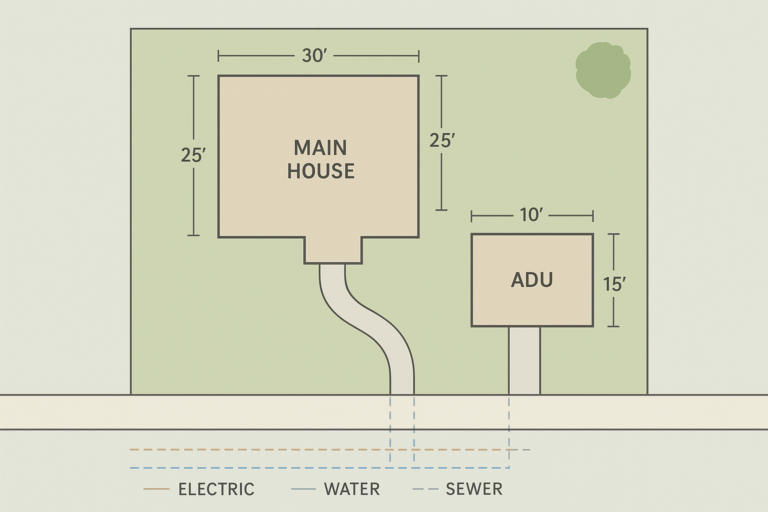
A clear site plan sets a strong base for Accessory Dwelling Unit construction. See ADU plans Riverside for regional plan and permit examples.
What is Accessory Dwelling Unit construction and why build one?
An accessory dwelling unit, or ADU, is a small home on the same lot as a main house. It may be detached, attached, over a garage, or within the existing footprint. Therefore, it can serve as a rental, a guest suite, or a home for family. Because the footprint is modest, ADU construction often uses fewer materials and can finish faster than a full addition. Learn more in our Complete ADU guide.
However, speed still depends on your city’s permitting and your team. The right plan, the right builder, and the right lender will make a major difference. Consequently, you should map the path early and stick to it.
How much does Accessory Dwelling Unit construction cost?
Budget is the first big question. Costs vary by size, site work, finishes, and local fees. As a result, a compact attached unit may cost less per square foot than a complex detached cottage with new utilities. Additionally, sloped lots, long trench runs, and strict energy measures can raise totals. Because every site is unique, get at least three detailed bids that use the same scope and spec sheet. See our ADU cost breakdown for a line-item guide to estimating all costs.
Key cost drivers to review
- Site work: grading, drainage, trenching, and utility upgrades.
- Structure: foundation type, framing method, and roof shape.
- MEP systems: electrical service size, plumbing runs, and HVAC selection.
- Finishes: cabinets, tile, fixtures, doors, and windows.
- Soft costs: design, engineering, energy modeling, and city fees.
To benchmark estimates and spot gaps, use planning tools from The ADU Pro. Moreover, align each bid with one consistent drawing set and a simple “inclusions and exclusions” list. Therefore, you can compare apples to apples and avoid scope creep.
Permits and codes for Accessory Dwelling Unit construction
Before you break ground, you need approvals. Zoning sets size, height, and placement. Building codes set life safety, energy, and structural rules. Because cities update rules, always verify current standards with your local agency. For a quick primer on energy requirements, review guidance from energy.gov’s Building Energy Codes Program. Then confirm local amendments with your city or county.
Zoning, setbacks, and parking
Start with your assessor’s parcel map and zoning code. Typically, setbacks control how close your ADU can be to lot lines. Meanwhile, some areas reduce or remove parking needs near transit. Therefore, place the unit to meet setbacks while preserving light, trees, and privacy.
Utilities and service capacity
Next, check your electrical, water, and sewer capacity. Sometimes a panel upgrade or a new lateral is required. Additionally, all‑electric ADUs with heat pumps and induction cooktops can lower utility work and future bills. Because utility trenching can be costly, plan routing early and keep runs short where possible.
For region‑specific guidance and forms, your state housing site may help. For example, California’s housing department hosts a helpful ADU portal at hcd.ca.gov. Even if you are not in California, the examples can clarify terms and steps.
 Careful framing keeps schedule and quality on track during ADU construction.
Timeline: from design to keys in hand
Good timelines keep projects calm. First, predesign and feasibility take two to six weeks, depending on surveys and utility checks. Next, design and engineering often take six to twelve weeks. Then, permit review may run four to sixteen weeks, based on your city’s workload. Finally, construction itself may take three to eight months, sized to scope and season. For local timelines and permit tips, see ADU Construction Riverside.
Phases that reduce risk
- Feasibility: confirm setbacks, height limits, and service capacity.
- Design: lock layout, elevations, and structural system early.
- Permitting: respond fast to plan check comments to avoid drift.
- Build: hold weekly check‑ins and track milestones against a Gantt chart.
- Closeout: gather manuals, warranties, and final lien releases.
Because weather, inspections, and lead times affect schedules, build in float. Additionally, order long‑lead items on day one of construction. Therefore, you will avoid idle crews and costly rescheduling.
Choosing partners for ADU construction
The right team prevents surprises. Hire a designer with ADU experience and a builder who shares clear budgets and line‑item schedules. Moreover, ask lenders about renovation loans, home equity, or ADU‑friendly products. For curated experts and owner tools, browse The ADU Pro, which connects homeowners to qualified ADU specialists and helpful planning resources like our step-by-step guide.
Questions to ask before you sign
- How many ADUs have you completed in this city in the last two years?
- What is your plan for utility tie‑ins and trench routing?
- Which allowances and contingencies are in the bid?
- How will you manage plan check comments and change orders?
- What weekly reports and photos will I receive?
Additionally, request three recent client references. Then, visit at least one active site. As a result, you will see how the crew works, cleans, and solves field issues. Ultimately, strong teams make Accessory Dwelling Unit construction smoother and far less stressful.
ADU design ideas that save space and money
Great ADUs live larger than their size. For example, use a ADU designs & ideas, right‑sized windows, and a single shed roof. Because corners and roof breaks raise labor, clean geometry helps control cost. Additionally, place kitchens and baths back‑to‑back to shorten plumbing runs. Therefore, you save money while keeping maintenance simple.
Inside, choose a flexible great room that fits a sofa bed and a drop‑leaf table. Moreover, add tall closets, a stacked laundry nook, and a built‑in bench with storage. Meanwhile, light walls, warm wood, and a few bold fixtures create depth without clutter. As a result, your ADU feels bright, calm, and inviting.
 Thoughtful interiors make a small ADU feel generous and useful.
Common mistakes to avoid in Accessory Dwelling Unit construction
Skipping early utility checks leads to rework. Likewise, changing the footprint after engineering triggers redraws and plan resubmittals. Additionally, vague bids hide gaps that become change orders. Therefore, document your scope, lock decisions early, and track each choice in writing. When in doubt, consult resources at The ADU Pro and ask your team to explain trade‑offs in plain terms.
Conclusion: plan your Accessory Dwelling Unit construction with confidence
With clear goals, a vetted team, and steady communication, Accessory Dwelling Unit construction can finish on time and on budget. Start with feasibility, align scope to your site, and order long‑lead items early. Then, use trusted resources like The ADU Pro and reputable guides from agencies such as energy.gov. Ultimately, a well‑planned ADU will add flexibility, income, and lasting value to your home. This guide is published by The ADU Pro team. Last updated: 2026.