Prefab homes California options have become one of the fastest-growing ways for homeowners to add living space without the long timelines of traditional construction. From detached backyard units to full-size residences, factory-built housing is reshaping how Southern California families think about growth, rental income, and multigenerational living. In particular, prefab construction is drawing attention because it often costs less and builds faster than a conventional stick-built home. Last updated: 2026-08-10. Author: The ADU Pro team.
What Are Prefab Homes in California?
Prefab homes are dwellings built as pre-built homes in California in controlled factory environments before being shipped to their final site. Once delivered, crews assemble the pieces on a foundation, connect utilities, and finish the exterior. Because most of the work happens indoors, weather delays and material waste are significantly reduced compared to traditional builds.
In California, this category covers several distinct product types, each with different codes, financing rules, and use cases. Understanding those differences matters, especially since the term “prefab” gets used loosely across the industry. As a result, buyers should know exactly what type of structure they’re purchasing before signing a contract.
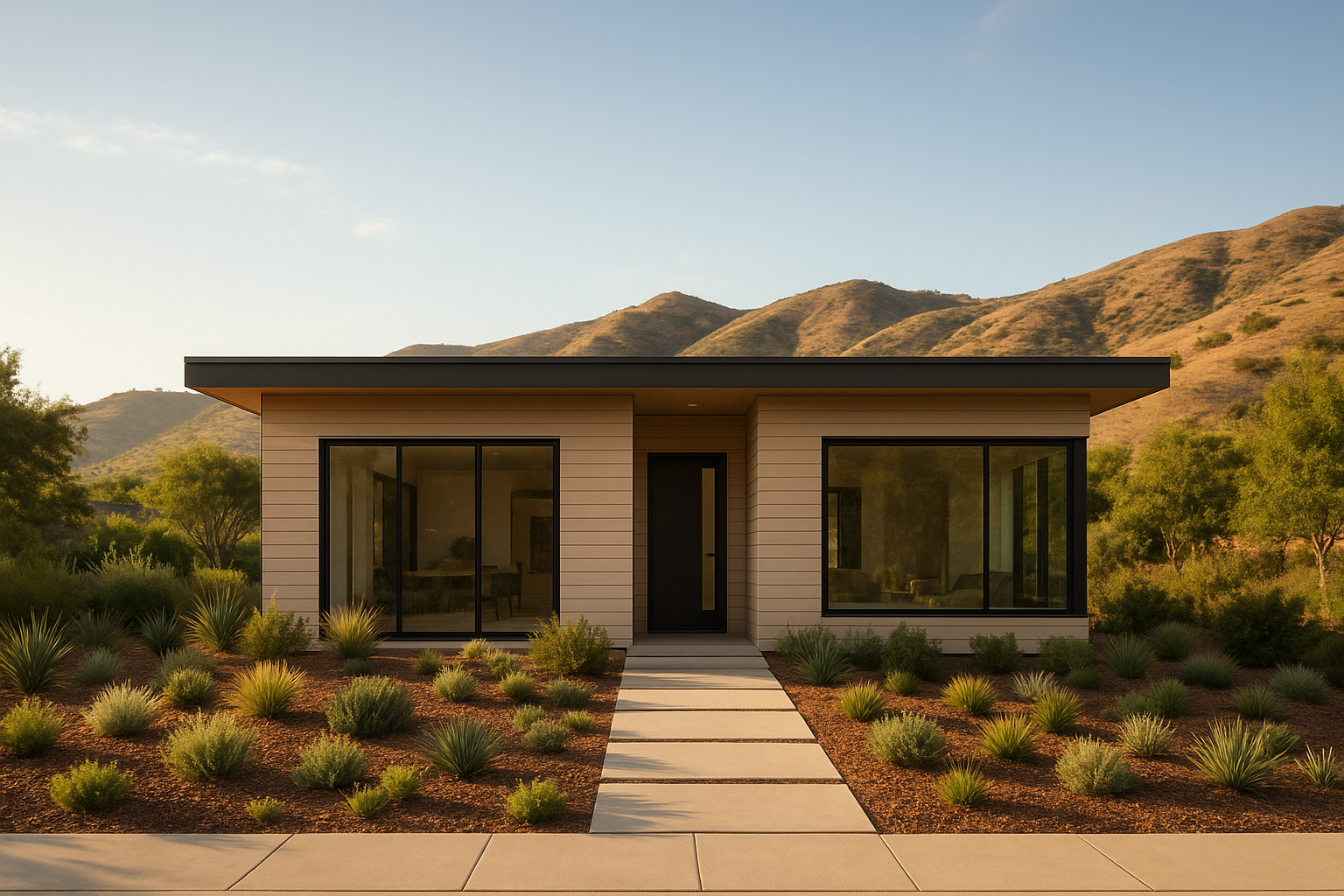
Prefab homes California developments often feature modern, energy-efficient exteriors ready for quick on-site assembly.
Types of Prefab Homes Available in California
Not all factory-built housing is created equal. Three main categories dominate the California market, and each one carries its own regulatory path.
Modular Homes
Modular homes are constructed to the same state and local building codes as traditional houses. Consequently, they are placed on permanent foundations and are treated like site-built homes for financing, insurance, and resale purposes.
Manufactured Homes
Manufactured homes follow federal HUD code rather than state building code. Because of this, they can sometimes be relocated after installation, though most California buyers choose to permanently affix them to a foundation.
Panelized and Kit Homes
Panelized systems ship as flat wall and roof sections that crews assemble on site. This approach offers more design flexibility than fully modular units, though it typically takes longer to finish than a complete modular install.
Prefab Homes vs. ADUs: What’s the Difference?
Prefab construction and accessory dwelling units, or ADUs, often overlap but are not the same thing. Specifically, an ADU refers to a secondary living space on an existing residential lot, while “prefab” describes how a structure is built. In practice, many homeowners choose a prefab ADU because it combines fast factory construction with the flexibility of a backyard rental unit or guest house.
For a closer look at how these units compare on price and configuration, see this detailed breakdown of prefab ADU options, costs, and types. Understanding this distinction helps homeowners choose the right product for their goals, whether that’s rental income or extra family space.
How Much Do Prefab Homes Cost in California?
Cost is usually the biggest driver behind interest in prefabricated homes guide. On average, buyers can expect to pay between $150 and $400 per square foot, depending on finish level, site conditions, and transportation distance. For example, a 1,000 square foot modular home often totals $180,000 to $350,000 once utility hookups and permitting fees are included.
According to the California Department of Housing and Community Development, factory-built housing can reduce total construction timelines by 30 to 50 percent compared to conventional builds. Therefore, savings often come from both material efficiency and reduced labor time, not just the structure itself. If budget is your top concern, this guide on building without a huge budget outlines several affordable paths worth considering.
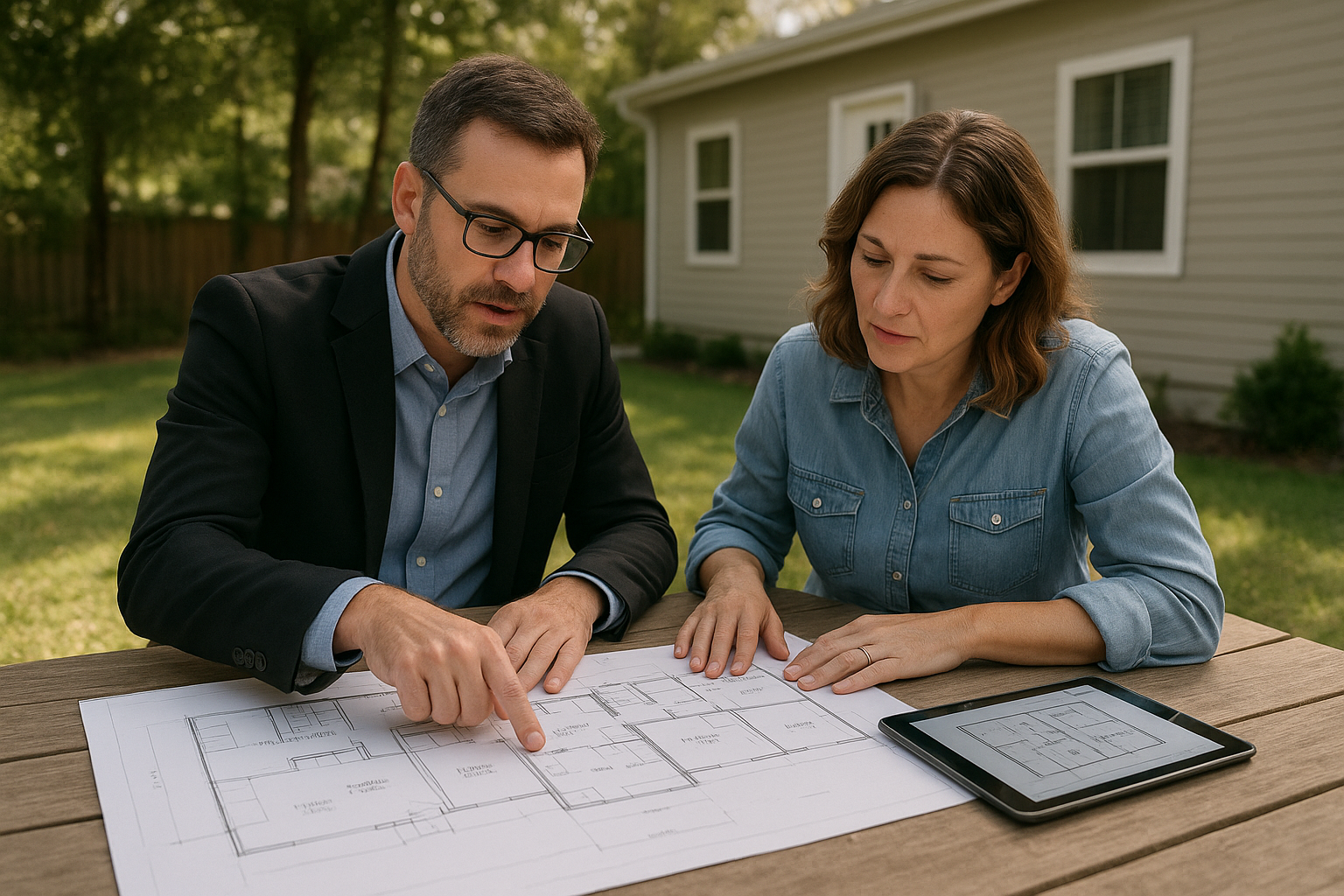
Careful planning helps homeowners avoid unexpected costs when financing prefab homes in California.
How to Get a Prefab Home Approved in California
Approval for a prefab home follows a fairly consistent sequence across most California cities. For contractor support and permitting specifics, see ADU contractor Norwalk. Below is the general process homeowners can expect.
- Select your prefab type and site plan. Choose between modular, manufactured, or panelized construction based on your lot size and long-term goals.
- Verify zoning and lot requirements. Check with your local planning department on setbacks, height limits, and whether the unit qualifies as an ADU or primary residence.
- Submit plans for plan check and permitting. File architectural drawings and structural details with the building department to secure your permits.
- Prepare the foundation and utilities. Grade the site and rough in water, sewer, and electrical lines ahead of delivery.
- Install the unit and complete inspections. Crews assemble the factory-built sections, followed by structural and utility inspections.
- Obtain final approval. Once inspections pass, you’ll receive a certificate of occupancy, making the home ready for use.
Choosing the Right Prefab Home Builder
Not every contractor understands the nuances of California’s permitting system, so experience matters. In fact, choosing a builder unfamiliar with local codes is one of the most common reasons prefab projects stall. For homeowners specifically interested in a pre-built homes options rather than a full standalone house, The ADU Pro handles design, permitting, and construction for accessory dwelling units across Orange County, Los Angeles County, and Riverside County. Their team’s local regulatory knowledge often shortens the approval timeline considerably.
If you’re located in the Temecula area specifically, this resource on ADU design in Temecula covers regional considerations that can affect prefab and modular projects alike.
Design Considerations for Modular and Manufactured Homes
Good design planning prevents costly change orders once construction begins. Many homeowners now use digital planning tools to visualize layouts before committing to a floor plan. If you’re weighing your options, this guide to design software for ADU planning breaks down which platforms work best for small-footprint, factory-built layouts.
Kitchen layout, in particular, tends to be one of the trickiest parts of designing a compact prefab unit. For inspiration, this collection of ADU kitchen design ideas shows how to maximize function within a smaller footprint. According to the Wikipedia overview of prefabricated housing, factory-controlled construction also tends to produce more consistent energy performance than traditional framing.
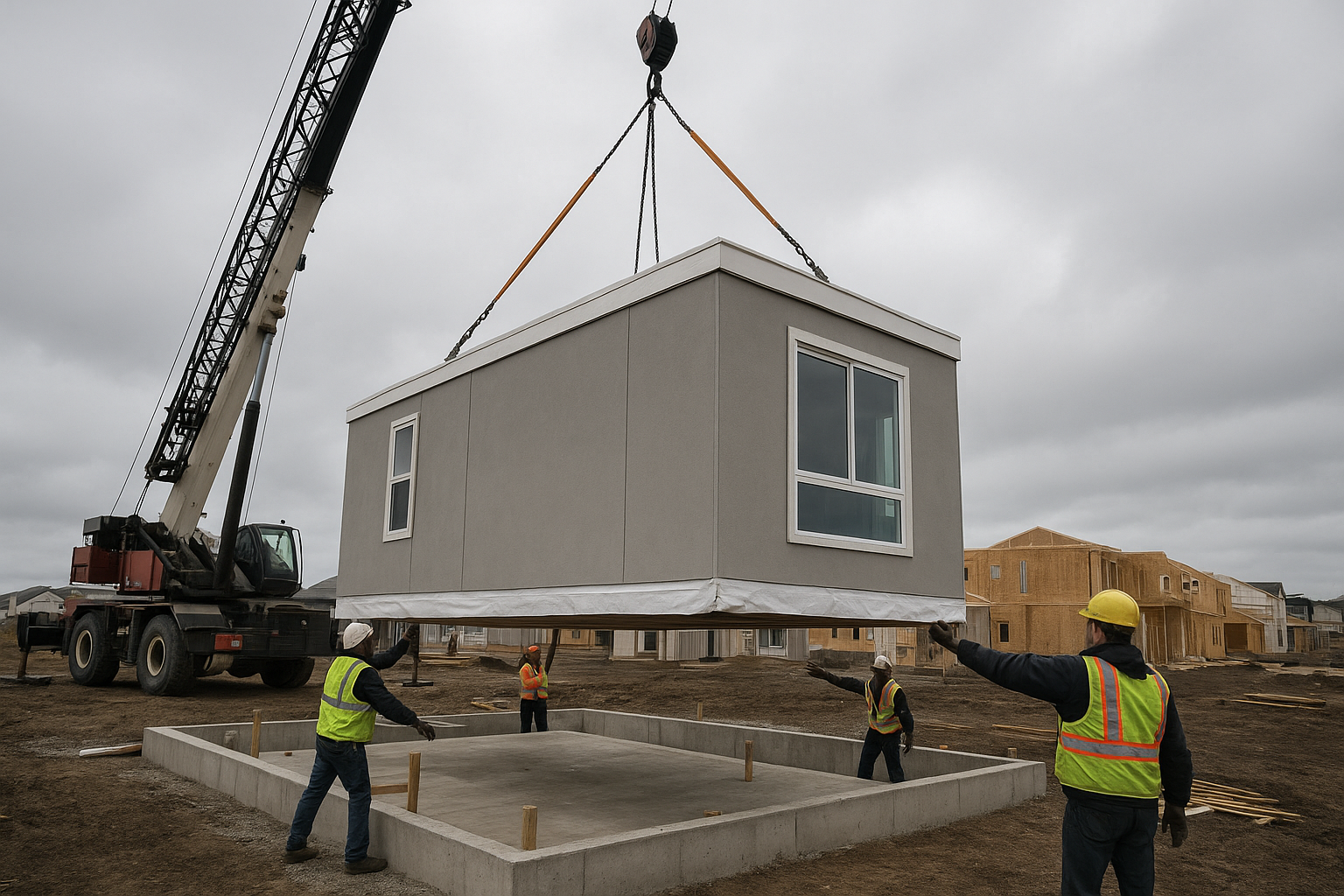
Factory-built sections arrive nearly finished, cutting weeks off traditional on-site construction timelines.
Financing and Long-Term Value
Financing options differ depending on the type of prefab home you select. Modular homes on permanent foundations typically qualify for conventional mortgages, since appraisers treat them the same as site-built houses. Manufactured homes, in contrast, may require chattel loans unless the unit is permanently affixed to owned land.
The U.S. Department of Housing and Urban Development notes that manufactured housing built to federal code has become increasingly common as a lower-cost path to homeownership nationwide. As a result, resale value for modular homes tends to track closer to traditional housing, while manufactured units on leased land may appreciate more slowly.
Frequently Asked Questions About Prefab Homes California
What are prefab homes California builders typically offer?
Prefab homes California builders typically offer modular, manufactured, and panelized structures built off-site and assembled on a foundation (see our CA prefab homes guide). Most companies also provide design, permitting, and installation services as part of one package.
How much do prefab homes cost in California?
Prefab homes in California generally cost between $150 and $400 per square foot depending on finishes, site work, and location. For detailed pricing by product type, see our CA prefab homes guide. A 1,000 square foot unit often lands between $180,000 and $350,000 once utilities and permits are included.
Are prefab homes cheaper than traditional site-built homes?
Yes, prefab homes are usually 10 to 20 percent less expensive than comparable site-built homes because factory production reduces labor time and material waste. Savings vary based on transportation distance and local site conditions.
What is the difference between modular and manufactured homes?
Modular homes are built to local California building codes and placed on a permanent foundation, while manufactured homes follow federal HUD code and can sometimes be relocated. Modular homes typically qualify for standard mortgages more easily.
Can a prefab home be used as an ADU in California?
Yes, many homeowners use prefabricated ADU options as accessory dwelling units to add rental income or housing for family members. Local ADU ordinances still apply, so setback, height, and utility rules must be confirmed before installation.
How long does it take to build a prefab home in California?
Factory construction usually takes 6 to 12 weeks, while permitting and site preparation can add another 2 to 4 months depending on the city. Most projects reach completion in 4 to 8 months total.
Do prefab homes require the same permits as traditional construction?
Prefab homes still require building permits, plan checks, and inspections just like site-built homes. Manufactured homes may also need an installation permit through the California Department of Housing and Community Development.
What is the best way to finance a prefab home in California?
Modular homes on permanent foundations typically qualify for conventional mortgages, construction loans, or home equity financing. Manufactured homes may require chattel loans unless they are permanently affixed to owned land.
What size lot do I need for a prefab home in California?
Lot size requirements depend on local zoning, setbacks, and lot coverage limits rather than a fixed statewide minimum. A licensed contractor can review your parcel to confirm what size unit will fit legally.
Do prefab homes hold their value in California’s housing market?
Modular homes on foundations tend to appreciate similarly to site-built homes because appraisers treat them the same way. Manufactured homes on rented land typically appreciate more slowly.
What mistakes should I avoid when buying a prefab home?
The most common mistakes include skipping soil and utility assessments, underestimating site preparation costs, and choosing a builder unfamiliar with local California codes. Careful upfront planning prevents costly delays.
Can I customize the design of a prefab home?
Most manufacturers offer several floor plans plus optional upgrades for finishes, layout, and exterior style. Fully custom modular designs are also available through select builders for an added fee.
Final Thoughts on Prefab Homes California
Ultimately, prefab homes California options give homeowners a faster, often more affordable path to additional living space than traditional construction. Whether you’re considering a full modular residence or a smaller prefab ADU for rental income, understanding the differences between modular, manufactured, and panelized systems will help you make a confident decision. For homeowners exploring a prefab-style accessory dwelling unit specifically, see our Prefab ADU Guide and consider reaching out to a local specialist as a practical first step toward turning that backyard space into real value. Above all, working with a contractor who knows Southern California’s permitting landscape can mean the difference between a smooth build and a stalled one.