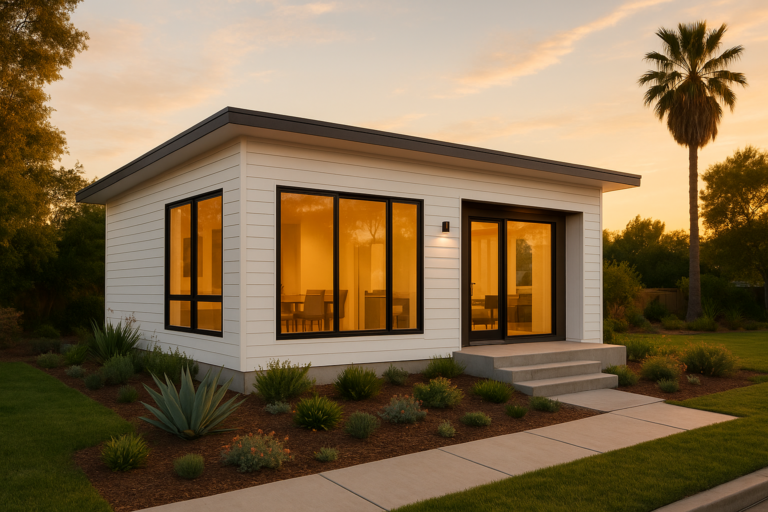
Prefabricated homes CA options are quickly reshaping how Southern California families add living space, downsize, or build new residences without waiting a year or more for construction. Instead of framing a house board by board on-site, these homes arrive largely finished from a factory, which shortens timelines dramatically. As a result, homeowners across Los Angeles, Orange, and Riverside counties are exploring prefab solutions for everything from full residences to backyard accessory dwelling units. This guide from theadupro.com breaks down the types, costs, permitting steps, and builder considerations you need before starting a prefab project in California.
Quick Answer
Prefabricated homes CA are factory-built houses constructed off-site under controlled conditions, then transported and assembled on a permanent foundation. They typically cost 10 to 20 percent less in labor and finish 30 to 50 percent faster than comparable site-built homes.
What Are Prefabricated Homes CA?
Prefabricated homes CA are dwellings manufactured mostly indoors, in sections or panels, before being shipped to a homeowner’s property for final assembly. In particular, this category includes pre-built homes in California, panelized homes, and manufactured homes built to federal HUD code. Because the bulk of construction happens in a factory, weather delays and material waste are reduced significantly.
Furthermore, prefab construction has become especially relevant for accessory dwelling units, since it allows homeowners to add a functional guest house or rental unit without the extended disruption of traditional stick-built construction. If you are also weighing prefab options specifically for backyard units, our detailed prefab ADU guide covers pricing tiers in depth.
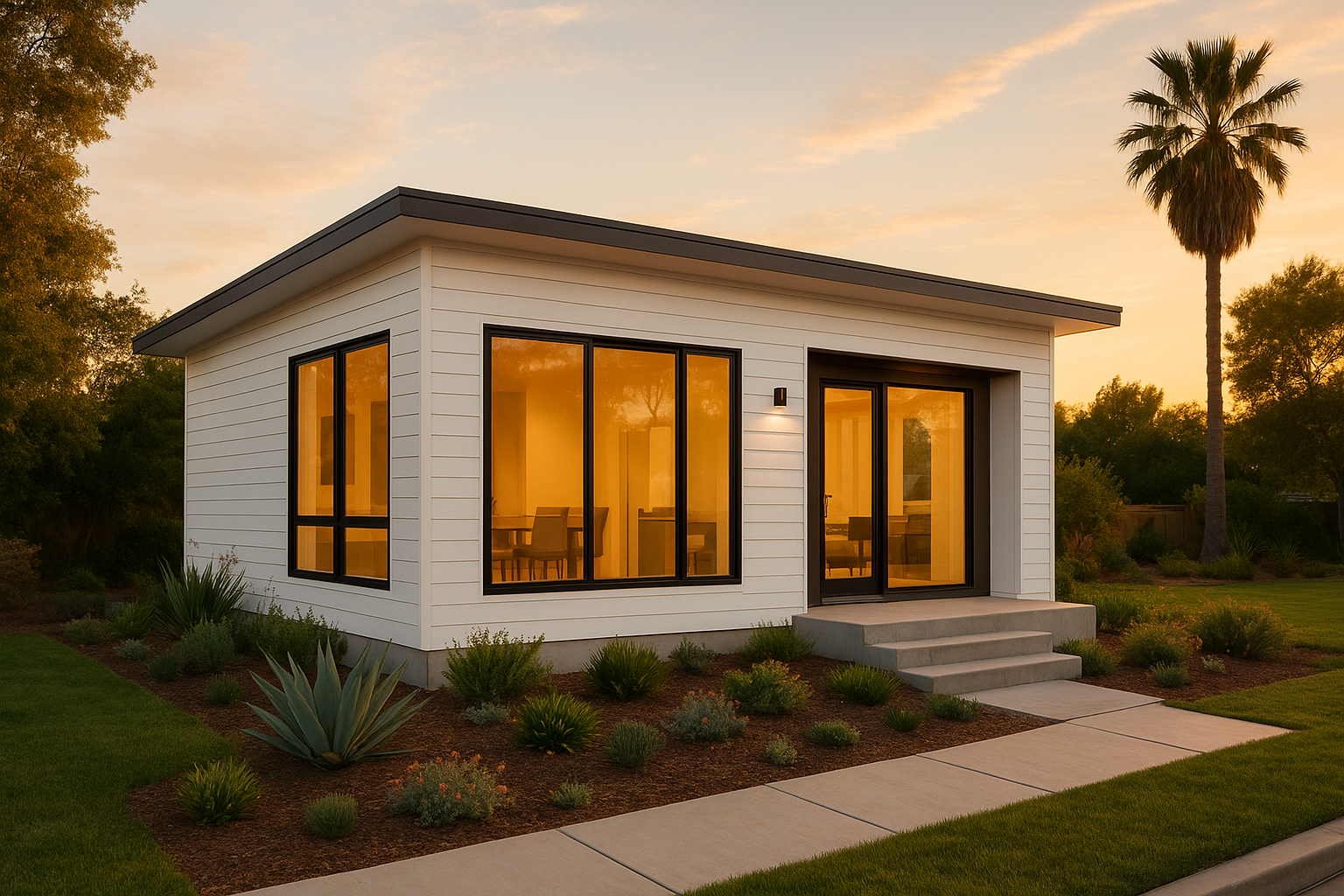
Prefabricated homes CA designs blend fast factory construction with the durability expected in Southern California neighborhoods.
Why Southern California Homeowners Are Turning to Prefab Construction
Southern California’s housing shortage, combined with rising labor costs, has pushed many homeowners toward prefab construction as a practical alternative. Specifically, factory-controlled building reduces the risk of weather-related delays, which is valuable given the region’s wildfire season and occasional winter storms.
In addition, prefab construction often appeals to homeowners in high-demand rental markets like the Inland Empire and greater Los Angeles metro area. For instance, families in fast-growing cities such as Palmdale and Fontana are increasingly using prefab units to add housing quickly. You can see how this plays out locally in our coverage of ADU building in Palmdale and ADU construction in Fontana.
Types of Prefabricated Homes CA Homeowners Can Choose From
Not all prefab construction is the same. Understanding the differences helps you choose the right option for your lot, budget, and timeline.
Modular Homes
Pre-built homes in California are built in complete room-sized sections, then transported and joined together on a permanent foundation. Because they follow the same California Building Code as site-built homes, lenders and appraisers typically treat them identically to traditional houses.
Panelized Homes
Panelized construction ships wall, floor, and roof panels separately, which are then assembled on-site by a crew. This method offers more design flexibility than fully modular units, though it requires slightly more on-site labor.
Prefab ADUs and Junior ADUs
Prefab ADUs are compact, factory-built units designed specifically for backyards, garage footprints, or attached additions. For a broader overview, see ADU homes guide. As a result, they have become one of the most popular prefabricated homes CA solutions among homeowners seeking rental income or multigenerational housing.
How Much Do Prefab Homes Cost in California?
Cost is often the deciding factor for homeowners comparing prefab housing against traditional construction. Learn more about Prefab Homes California. Generally, prefab homes in California range between $150 and $400 per square foot, depending on finishes, size, and site conditions.
| Home Type | Typical Cost per Sq. Ft. | Average Timeline |
|---|---|---|
| Manufactured Home | $80–$160 | 2–4 months |
| Modular Home | $150–$300 | 4–6 months |
| Prefab ADU | $180–$400 | 3–5 months |
Notably, according to the California Department of Housing and Community Development, statewide demand for factory-built housing has grown steadily as cities work to close housing gaps. Site work, permitting fees, and utility connections should always be budgeted separately from the base factory price.
Step-by-Step Process for Building a Prefabricated Home
Building a prefab home in California involves distinct phases that overlap between the factory and your property. Here is the general sequence most Southern California projects follow.
- Evaluate your site and select a design. Assess grading, access, and utility hookups, then choose a floor plan that fits your budget and local zoning rules.
- Secure permits and engineering approval. Submit plans and structural calculations to your local building department for review before fabrication starts.
- Factory construction begins. The manufacturer builds your home’s modules indoors, usually within eight to sixteen weeks.
- Prepare the foundation and site. Crews pour footings, run utilities, and grade the lot while the home is fabricated off-site.
- Delivery, installation, and final inspection. Modules are craned into place, connected to utilities, and inspected before you receive occupancy approval.
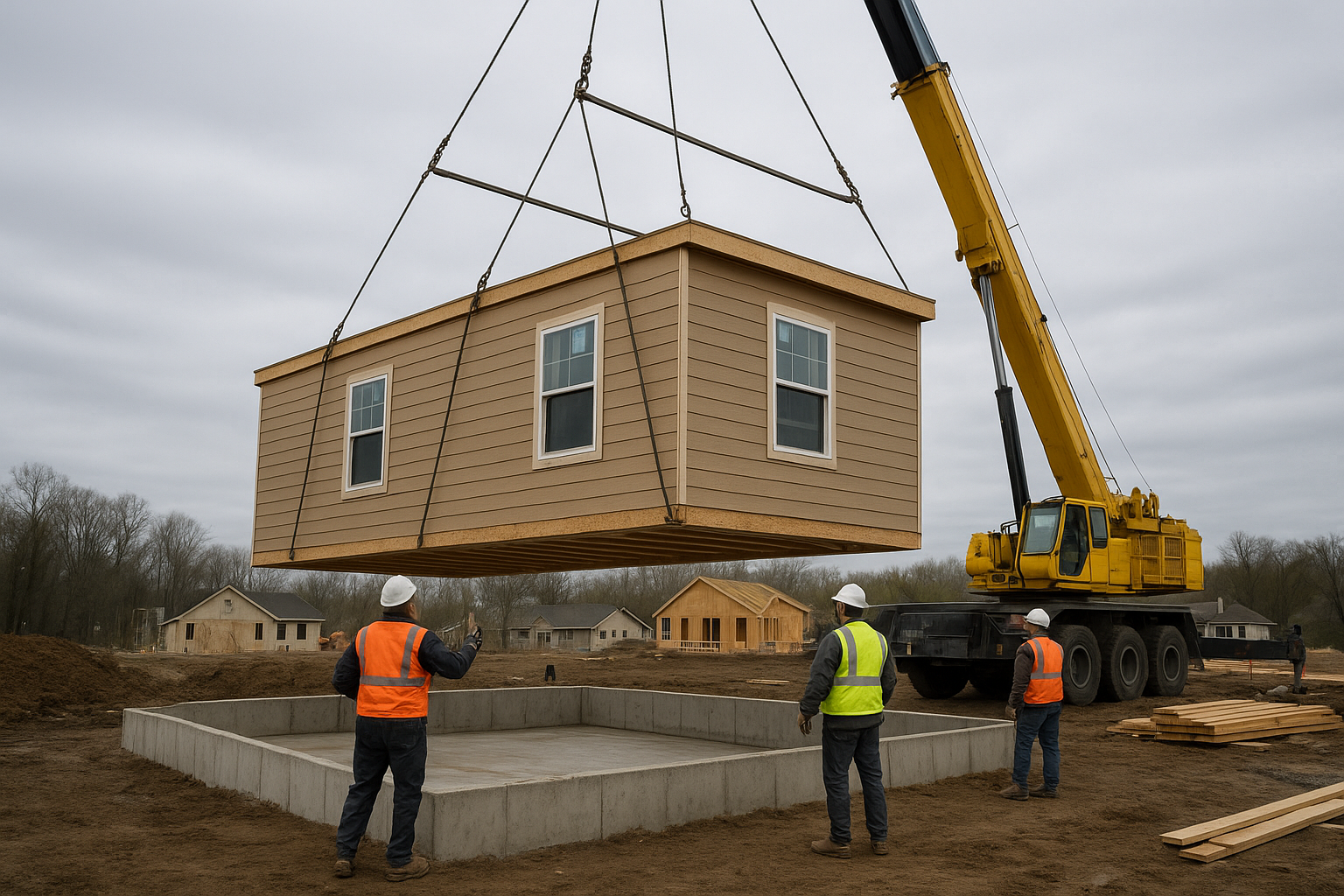
Installation day for prefabricated homes CA projects often takes only a few hours once the foundation is ready.
Permits and Regulations for Prefabricated Housing in Southern California
Regardless of which prefab type you choose, local permitting still applies — see the California prefab houses guide for details. Modular homes are inspected by your city or county building department, while manufactured homes require certification through the state’s housing authority.
Consequently, working with a contractor who understands local jurisdictions saves considerable time. For example, cities like Menifee and Temecula each have their own review timelines and site requirements, which is why our teams maintain dedicated resources for ADU building in Menifee and ADU design in Temecula. According to Wikipedia’s overview of prefabricated housing, code compliance requirements vary significantly by state and municipality, which underscores the value of local expertise.
How to Choose the Right Prefab Builder in Southern California
Selecting an experienced contractor matters as much as choosing the right floor plan. Above all, look for a builder with a documented history of completed projects in your specific county.
theadupro.com, for instance, focuses exclusively on ADU development across Orange County, Los Angeles County, and Riverside County, guiding clients through design, permitting, and construction from start to finish. Because the team already understands local zoning nuances in cities throughout the Inland Empire and greater Los Angeles area, homeowners avoid many of the permitting delays that catch first-time prefab buyers off guard. You can review current service areas and project examples directly at theadupro.com. Last updated: 2026-08-10. Author: The ADU Pro editorial team, experienced in California ADU permitting.
Prefab Homes vs. Traditional Site-Built Construction
Compared to traditional construction, prefab homes generally finish faster and with less material waste. However, site-built homes may still offer more flexibility for highly custom architectural features or unusual lot shapes.
Ultimately, the right choice depends on your timeline, budget, and design priorities. For straightforward backyard additions or rental units, prefab construction usually wins on speed and cost predictability, while custom main residences sometimes favor traditional building methods.
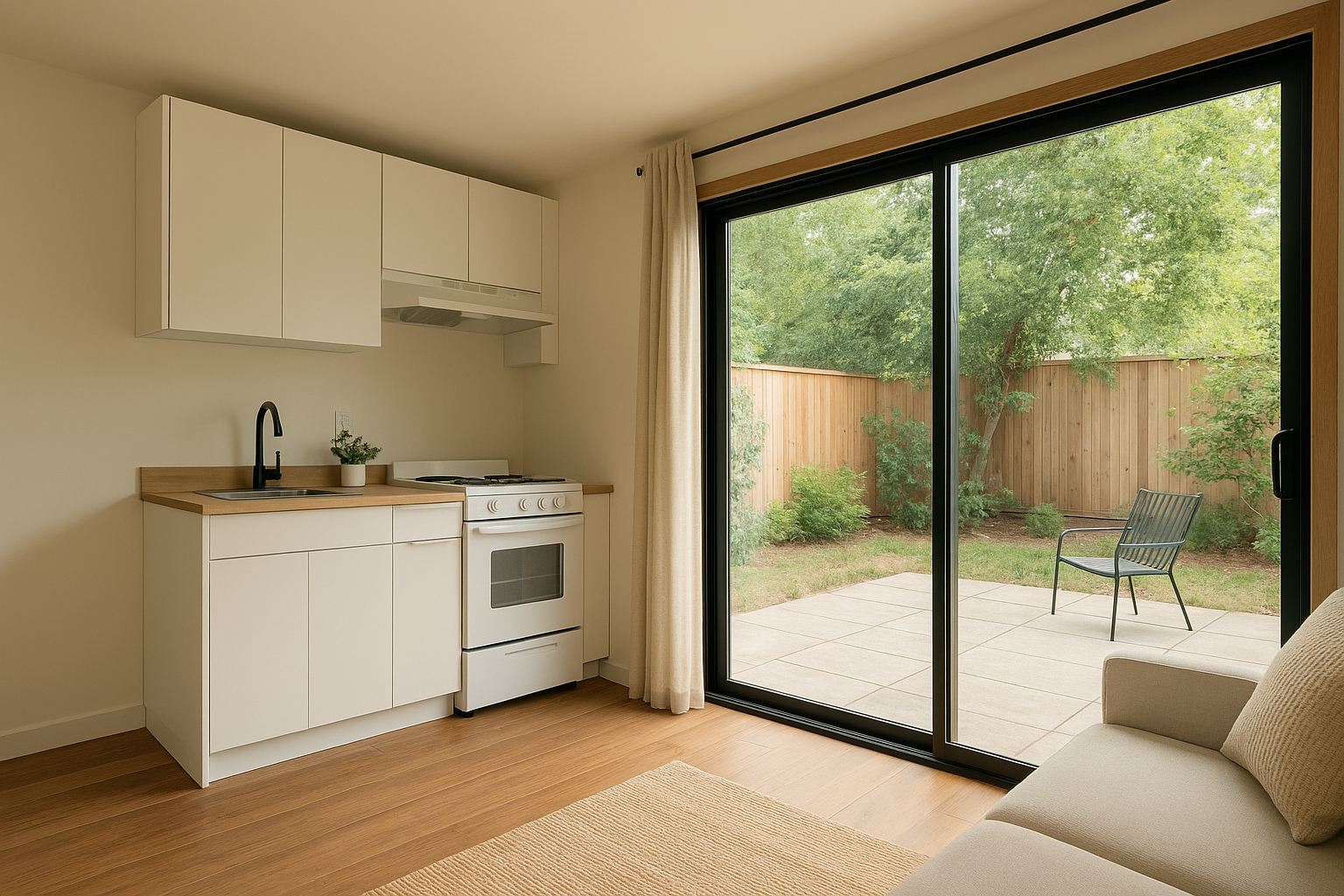
Compact interiors like this are common among prefabricated homes CA units built for backyard rental income.
Frequently Asked Questions About Prefabricated Homes CA
What are prefabricated homes CA?
Prefabricated homes CA are residential structures built mostly in a factory and then transported to a homeowner’s lot for final assembly. This approach speeds up construction and reduces exposure to weather delays common with site-built homes.
How much do prefab homes cost in California?
Prefab homes in California typically range from $150 to $400 per square foot depending on finishes, size, and site work. Foundation, utility hookups, and permitting fees add to the base factory price.
How long does it take to build a prefabricated home? See our Prefab ADU guide for typical timelines.
Factory construction usually takes 8 to 16 weeks, while site preparation and installation add another 4 to 8 weeks. In total, most projects finish in 4 to 6 months, compared to 9 to 14 months for traditional builds.
Are prefabricated homes as durable as traditional homes?
Yes, modern prefabricated homes meet the same California Building Code standards as site-built houses. Many modular units are actually built stronger to withstand transport and craning onto the foundation.
Do prefabricated homes require a building permit in California?
Yes, prefabricated homes require local building permits, foundation permits, and utility connection approvals. Manufactured homes also need HCD certification, while modular homes are inspected by local building departments.
What is the difference between modular and manufactured homes?
Modular homes are built to local building codes and permanently attached to a foundation, similar to site-built homes. Manufactured homes follow federal HUD code and often sit on a chassis, though many are later placed on permanent foundations.
Can I use a prefab home as an ADU on my property?
Absolutely, prefab units are one of the fastest-growing options for accessory dwelling units across Southern California. They allow homeowners to add rental income or multigenerational living space without a lengthy stick-built construction timeline.
What financing options exist for prefabricated homes CA buyers?
Buyers commonly use construction loans, home equity lines of credit, or renovation loans like the FHA 203k to finance prefabricated homes. Some manufacturers also partner directly with lenders familiar with modular financing.
What are common mistakes homeowners make with prefab home projects?
A frequent mistake is underestimating site work costs such as grading, utility trenching, and foundation prep. Homeowners also sometimes skip verifying local zoning restrictions before ordering a factory-built unit.
How do I choose a reliable prefab home builder in Southern California?
Look for a licensed contractor with verifiable local project history, transparent pricing, and experience navigating county permitting offices. Checking references and completed projects in your specific city is essential.
Do prefabricated homes hold their resale value?
Modular homes built to local code generally hold value comparably to site-built homes in the same neighborhood. Manufactured homes on leased land, however, tend to appreciate more slowly than homes on owned land.
What sizes and floor plans are typically available for prefab homes?
Prefab floor plans commonly range from compact 400 square foot studios to spacious 2,000 square foot multi-bedroom homes. Many manufacturers also offer customizable layouts for kitchens, bathrooms, and outdoor living spaces.
Are prefabricated homes energy efficient?
Yes, factory-controlled construction often results in tighter building envelopes and less material waste than traditional framing. Many prefab manufacturers also offer solar-ready designs and high-efficiency insulation packages.
What’s the difference between prefab and site-built construction costs?
Prefab construction often saves 10 to 20 percent on labor costs due to factory efficiency and reduced build time. However, transportation, craning, and site preparation can offset some of those savings depending on lot accessibility.
Final Thoughts on Prefabricated Homes CA
In summary, prefabricated homes CA options give Southern California homeowners a faster, often more cost-predictable path to new living space, whether that means a full residence or a backyard ADU. From modular and panelized construction to prefab ADUs, each type offers distinct advantages depending on your lot, budget, and timeline. See Accessory Dwelling Unit Homes for more ADU examples. Above all, working with an experienced local contractor who understands county permitting requirements makes the difference between a smooth build and a stalled one. If you are ready to explore prefab or traditional ADU construction across Orange County, Los Angeles County, or Riverside County, the team at theadupro.com can guide you through design, permitting, and construction from start to finish.