
ADU contractors with CSLB license credentials are the safest starting point for any Southern California homeowner planning an accessory dwelling unit. A valid license from the California Contractors State License Board confirms that a builder has passed trade exams, carries required bonding, and can legally pull permits for ADU construction. However, not every contractor advertising ADU services actually holds one of these licenses, and that gap creates real financial risk for homeowners. Below, this guide explains what the license covers, how to verify it, and what else deserves a close look before you sign a construction contract.
Quick answer: ADU contractors with CSLB license status are legally authorized by the California Contractors State License Board to design, permit, and build accessory dwelling units on projects valued above $500 in labor and materials. Hiring an unlicensed contractor for work above that threshold is illegal in California and removes most of your legal protections if something goes wrong.
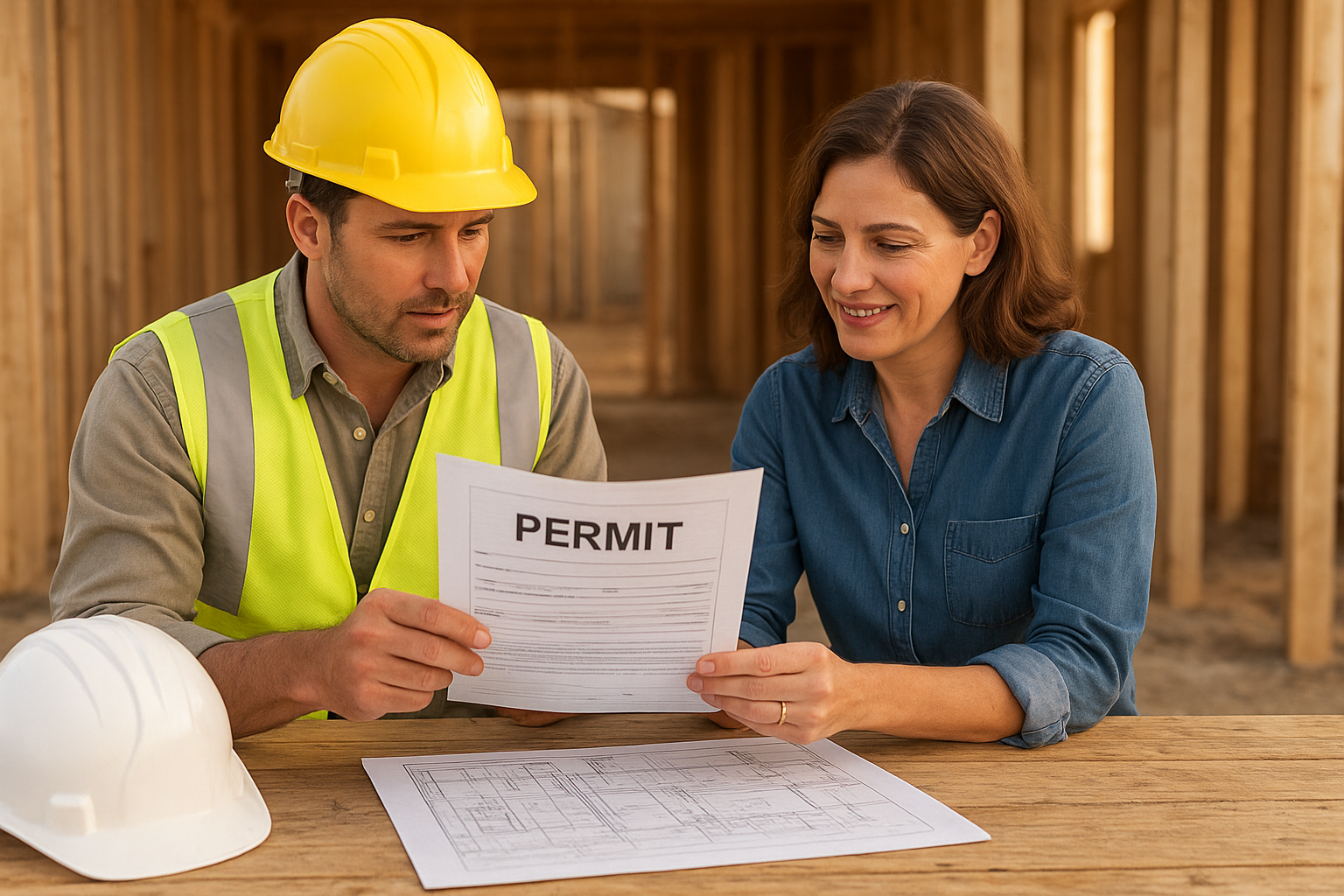
Confirming credentials upfront helps homeowners avoid costly surprises during ADU construction.
What Does a CSLB License Mean for ADU Contractors?
A CSLB license means the Contractors State License Board has verified the contractor’s trade experience, confirmed passage of law and trade exams, and validated active bonding and insurance. In particular, most ADU builders hold a Class B general building license, which covers projects requiring at least two unrelated trades. Therefore, a B-licensed ADU contractor can legally manage framing, electrical coordination, plumbing coordination, and finish work under one single contract instead of juggling several separately licensed subcontractors.
The CSLB is a California state agency, and its oversight is why licensing matters so much for ADU projects specifically. Unlike simple remodeling, accessory dwelling unit construction involves structural changes, permit submittals, and inspections that unlicensed operators are not legally equipped to handle correctly.
Why Hiring ADU Contractors With CSLB License Matters in Southern California
Southern California’s ADU market has grown quickly since statewide reforms simplified approval rules, and that growth has attracted both qualified builders and opportunists. As a result, homeowners now encounter far more contractors claiming ADU expertise than can actually prove it. Specifically, the CSLB reports that California currently licenses roughly 290,000 active contractors statewide, which means verification is not optional — it is the only reliable filter available to homeowners before money changes hands.
Working with licensed contractors also affects financing. Lenders offering HELOCs, construction loans, and ADU-specific financing programs typically require proof of a valid license before releasing draw payments. In addition, a licensed contractor’s bond offers limited financial recourse if the job stalls, while an unlicensed operator leaves homeowners with little legal standing to recover losses.
How to Verify a Licensed ADU Contractor’s Credentials
Verifying a license takes only a few minutes, yet many homeowners skip this step entirely. Follow this process before signing anything:
- Ask the contractor directly for their CSLB license number before any contract discussion begins.
- Search the official CSLB lookup tool to confirm the license is currently active, not expired or revoked.
- Confirm the license classification shows a Class B general building designation for full ADU scope.
- Verify the record shows an active contractor bond and required workers compensation insurance.
- Review the CSLB file for disciplinary actions, legal judgments, or unresolved complaints.
- Cross-check findings against independent platforms such as BuildZoom or verified client reviews for a fuller picture.
For example, theadupro.com publishes its CSLB license status openly and holds a BuildZoom score placing it in the top 1% of California contractors, which is the kind of transparency worth expecting from any builder you consider.

A transparent paperwork process is one sign of a properly licensed ADU builder.
What a CSLB License Does Not Guarantee
A license confirms legal eligibility, but it does not guarantee design quality, communication skills, or specialization in accessory dwelling units specifically. Consequently, homeowners should treat licensing as a baseline requirement, not a complete vetting process. A contractor can be fully licensed and still lack the structural engineering depth, Title 24 energy compliance knowledge, or custom millwork experience an ADU project demands.
This is why independent signals, such as a near 4.9-star average client rating or a verified portfolio of completed detached ADUs, garage conversions, and second-story additions, matter alongside the license itself.
Signs You’re Working With a Qualified Licensed ADU Builder
Beyond the license number, look for these practical markers of a genuinely experienced ADU contractor:
- In-house structural engineering and permit handling rather than outsourced subcontracting
- A documented history of completed detached ADUs, attached additions, and garage conversions
- Clear financing guidance, including referrals to HELOC and construction loan partners
- Net-zero-focused construction practices and energy-efficient materials
- Custom floor plans tailored to the specific lot rather than one-size-fits-all templates
ADU Contractor Licensing Across Southern California Service Areas
Licensing rules apply statewide, yet permit timelines, setback requirements, and local code interpretations vary by city. For instance, homeowners researching ADU construction in Long Beach or comparing an ADU contractor serving Long Beach should still confirm the same CSLB status regardless of the specific city.
Similarly, homeowners in Cerritos or Charter Oak benefit from working with a contractor already familiar with Southern California building departments. If you are still comparing options, this resource on finding ADU contractors experienced with Southern California building codes breaks down what to ask beyond licensing alone. Based in Chino, CA, ADU Pro focuses on Orange County, Los Angeles County, and western Riverside County, with site assessment reach extending into San Bernardino County.
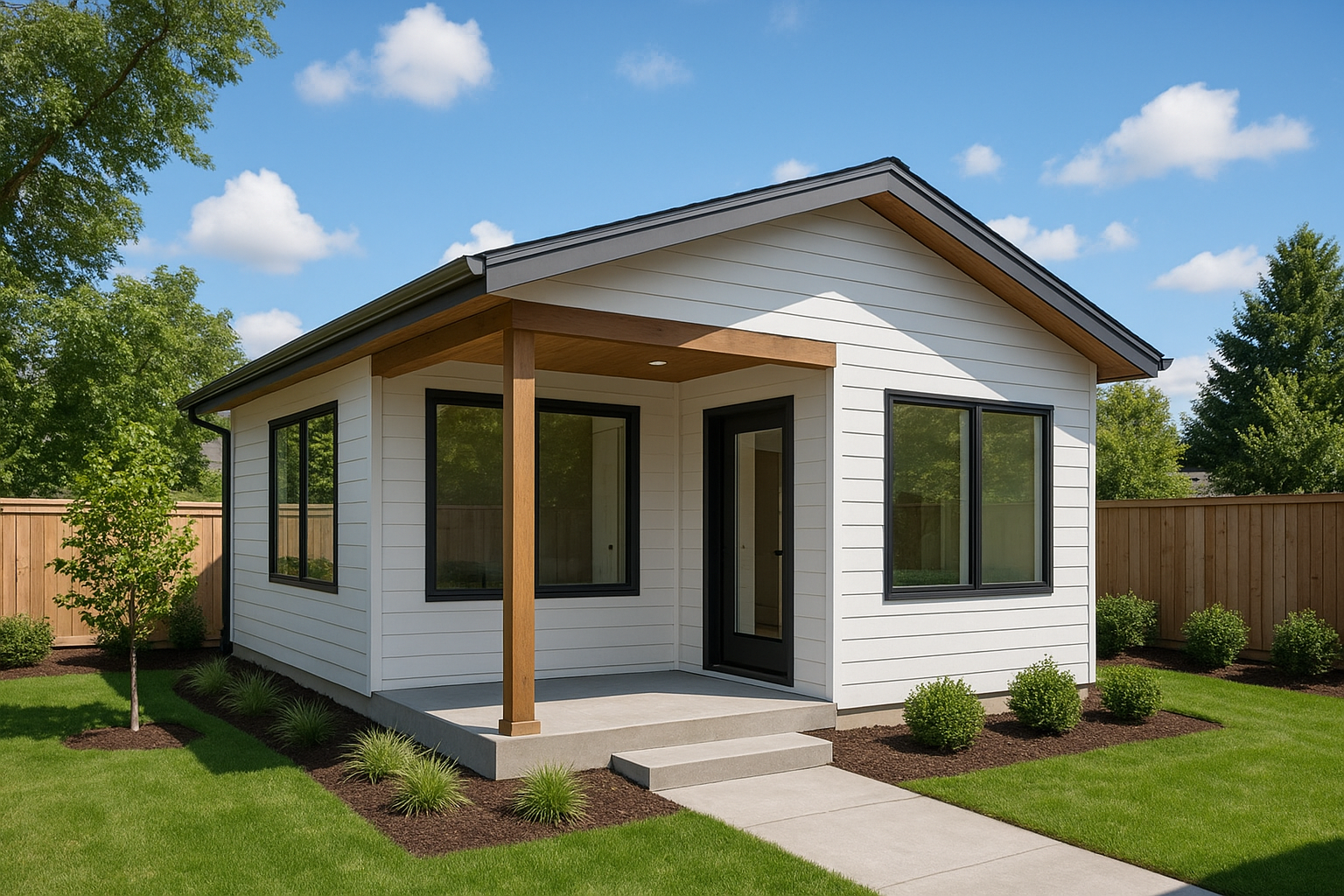
A finished detached ADU reflects what proper licensing, permitting, and construction coordination can deliver.
Frequently Asked Questions About ADU Contractors With CSLB License
What does it mean when ADU contractors have a CSLB license?
It means the Contractors State License Board has verified their trade experience, passed required exams, and confirmed active bonding and insurance. This license legally authorizes the contractor to pull permits and perform ADU construction in California.
How do I verify an ADU contractor’s CSLB license?
You can look up any contractor’s license number directly on the CSLB website to confirm it is active and in good standing. The lookup tool also shows classification, bond status, insurance, and any disciplinary history.
Why should I hire adu contractors with cslb license credentials instead of unlicensed builders?
Licensed contractors carry legal accountability, bonding, and insurance that protect you if work is defective or incomplete. Unlicensed contractors offer none of these protections, and hiring one for work over $500 is illegal in California.
What license classification do ADU contractors need?
Most ADU builders hold a Class B general building license, which covers projects requiring at least two unrelated trades. This classification allows one contractor to manage framing, electrical coordination, plumbing coordination, and finish work under a single contract.
How much does it cost to hire a licensed ADU contractor in Southern California?
Costs vary widely based on size, finishes, and site conditions, but most detached ADUs in Southern California range from roughly $150,000 to over $350,000. A licensed contractor should provide a written, itemized estimate before construction begins.
How long does the CSLB licensing process take for a contractor?
Earning a CSLB license typically takes several months because applicants must prove four years of qualifying experience and pass law and trade exams. This is one reason an established, already-licensed ADU contractor saves homeowners time compared to vetting a newcomer.
What is the difference between a CSLB-licensed general contractor and a specialty contractor?
A general B-license contractor can oversee multiple trades on one project, which fits ADU construction well. A specialty (C) license, by contrast, is limited to a single trade like electrical or plumbing and usually cannot manage the full build alone.
What common mistakes do homeowners make when hiring ADU contractors?
The most common mistake is assuming a contractor is licensed without checking the CSLB database directly. Other frequent errors include skipping reference checks, accepting verbal estimates, and signing contracts before permits are confirmed.
What should I look for beyond the CSLB license when choosing an ADU builder?
Beyond licensing, review third-party ratings, request examples of completed ADUs, and confirm whether permits and structural engineering are handled in-house. These factors often separate an adequate contractor from a genuinely experienced one.
Can an unlicensed contractor legally build my ADU in California?
No. California law requires a CSLB license for any construction project with combined labor and material costs above $500. Hiring an unlicensed contractor for ADU work voids most legal protections and can delay permit approval.
Does a CSLB license cover permit handling and city inspections?
The license authorizes a contractor to legally perform the work, but permit handling and inspection coordination depend on the specific scope of service the contractor offers. Many full-service ADU contractors include permit submittals and inspection scheduling as part of their design-build process.
Is a BuildZoom score related to CSLB licensing?
No, BuildZoom is a separate, independent rating platform that analyzes permit history, licensing records, and project performance to rank contractors. A high BuildZoom score can supplement CSLB verification but does not replace it.
What happens if I hire an unlicensed ADU contractor and something goes wrong?
Homeowners who hire unlicensed contractors generally have far fewer legal remedies if the work is defective, delayed, or never completed. Recovering damages often becomes difficult because unlicensed operators typically lack bonding and required insurance.
Final Takeaway on Choosing Licensed ADU Builders
Choosing ADU contractors with CSLB license credentials is the first and most essential filter in a crowded Southern California market. However, licensing alone should never be the only factor; in addition, homeowners should confirm bonding, review independent ratings, and request examples of completed projects before signing a contract. Above all, a transparent contractor will make their CSLB status easy to find and easy to verify. By combining license verification with the right questions about design, permitting, and financing coordination, homeowners can move forward with far greater confidence in their ADU project.