
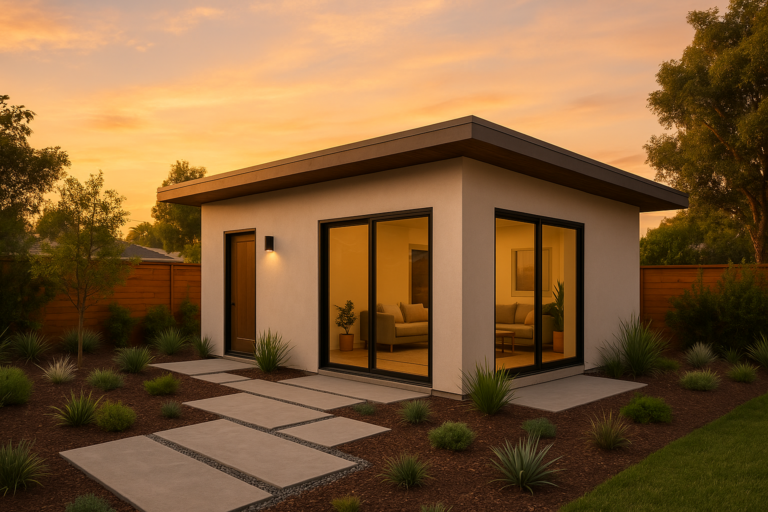
ADU financing help Orange County homeowners can rely on is often the deciding factor between a backyard idea and a finished rental unit. Building an accessory dwelling unit (a secondary living space on an existing residential lot) typically costs well into six figures, and most households do not have that much cash on hand. Therefore, understanding financing options early in the planning process can prevent costly delays later. This guide walks through the loan types, lender connections, and step-by-step process Orange County homeowners use to fund an ADU project.
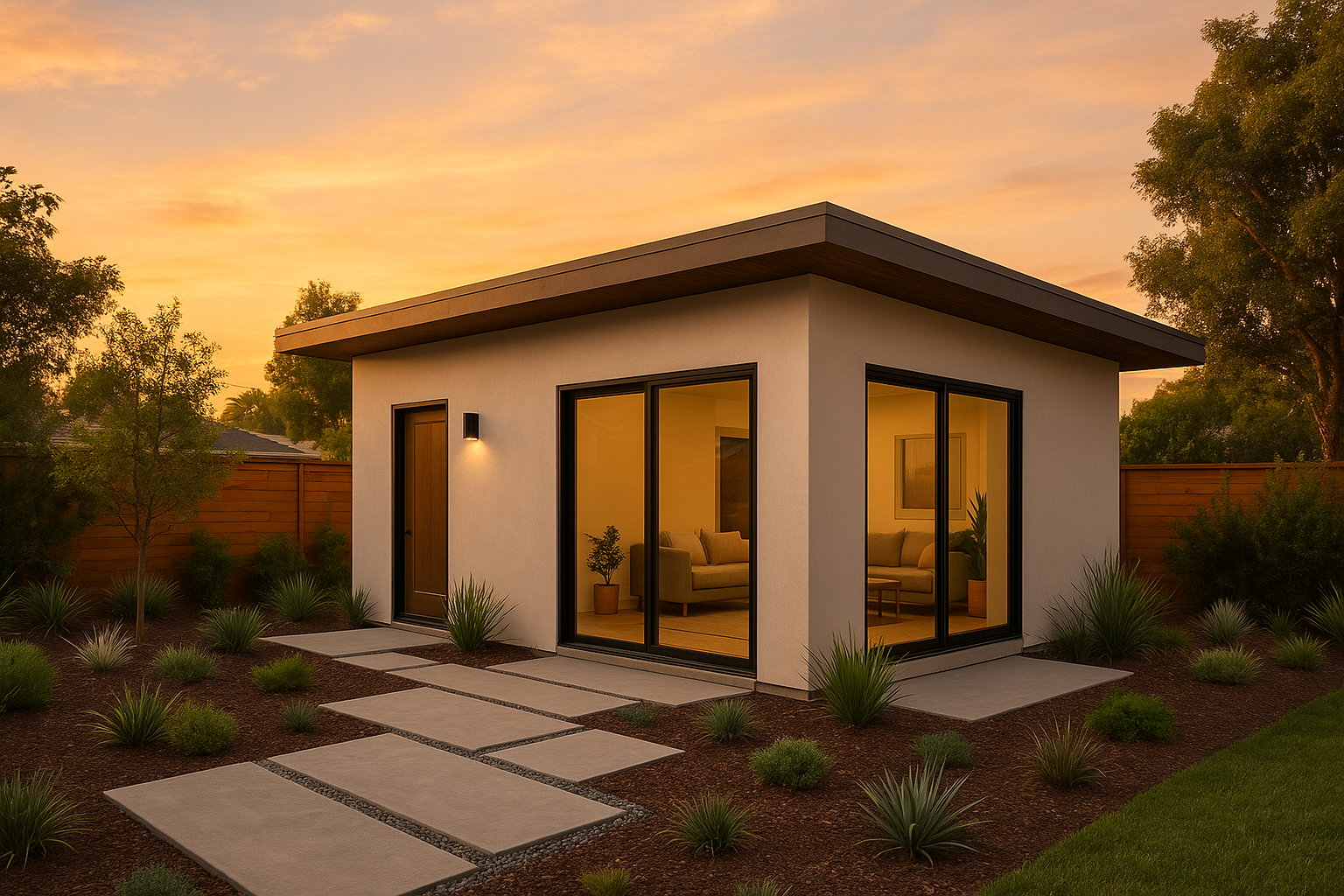
Finding the right ADU financing help Orange County homeowners trust can turn a backyard plan into a finished rental unit.
ADU Financing Help Orange County: What It Means
ADU financing help Orange County homeowners typically seek is guidance connecting them with lenders and loan products suited to accessory dwelling unit projects. It usually covers home equity lines of credit, construction loans, and ADU-specific programs that account for permit fees, design costs, and build timelines.
In practice, financing assistance goes beyond simply pointing homeowners to a bank. Specifically, it means understanding how much equity a property has, how construction draws work, and which lenders are familiar with ADU underwriting. According to the Wikipedia overview of accessory dwelling units, these secondary structures have become a common tool for addressing housing shortages across California, which is part of why specialized financing options have grown alongside them.
Why Orange County Homeowners Need ADU Financing Assistance
Orange County’s high property values create both an opportunity and a challenge. On one hand, strong home equity often qualifies homeowners for substantial HELOCs or cash-out refinances. On the other hand, construction costs in the region run higher than the state average, so most projects still require outside funding.
As a result, homeowners frequently underestimate total project costs when they skip financing assistance. For example, permit fees, utility connections, and Title 24 energy compliance upgrades (California’s building energy efficiency standard) can add tens of thousands of dollars beyond the base construction bid. Consequently, working through a financing comparison early helps avoid mid-project funding gaps.
Furthermore, California’s statewide ADU reforms since 2017 have steadily expanded where and how large these units can be built, according to policy research published by the California Department of Housing and Community Development. This has increased ADU activity across Los Angeles, Orange, and Riverside counties, which in turn has pushed more lenders to offer ADU-specific loan products.
ADU Financing Options Available in Orange County
Homeowners generally choose from three main financing paths. Each option fits a different equity position and project timeline, so comparing them side by side is worthwhile before committing.
Home Equity Lines of Credit (HELOCs)
A HELOC allows homeowners to borrow against existing equity and draw funds as needed during construction. In particular, the Consumer Financial Protection Bureau notes that interest is usually charged only on the amount actually drawn, not the full credit line. This flexibility makes HELOCs popular for phased ADU builds where costs are released in stages.
Construction Loans for ADU Projects
Construction loans are structured specifically around a building timeline, with funds released at completed milestones such as foundation, framing, and finishing. Some construction loans convert into a permanent mortgage once the ADU receives its certificate of occupancy, which simplifies long-term repayment.
ADU-Specific Financing Programs
Certain lenders now offer loan products designed around ADU construction, sometimes factoring in projected rental income to increase borrowing capacity. Because these programs change over time, confirming current availability with a lender partner is an important step before finalizing a budget.
Homeowners evaluating these paths can review ADU loan programs available in Orange County to see how each option aligns with a specific property and project scope.
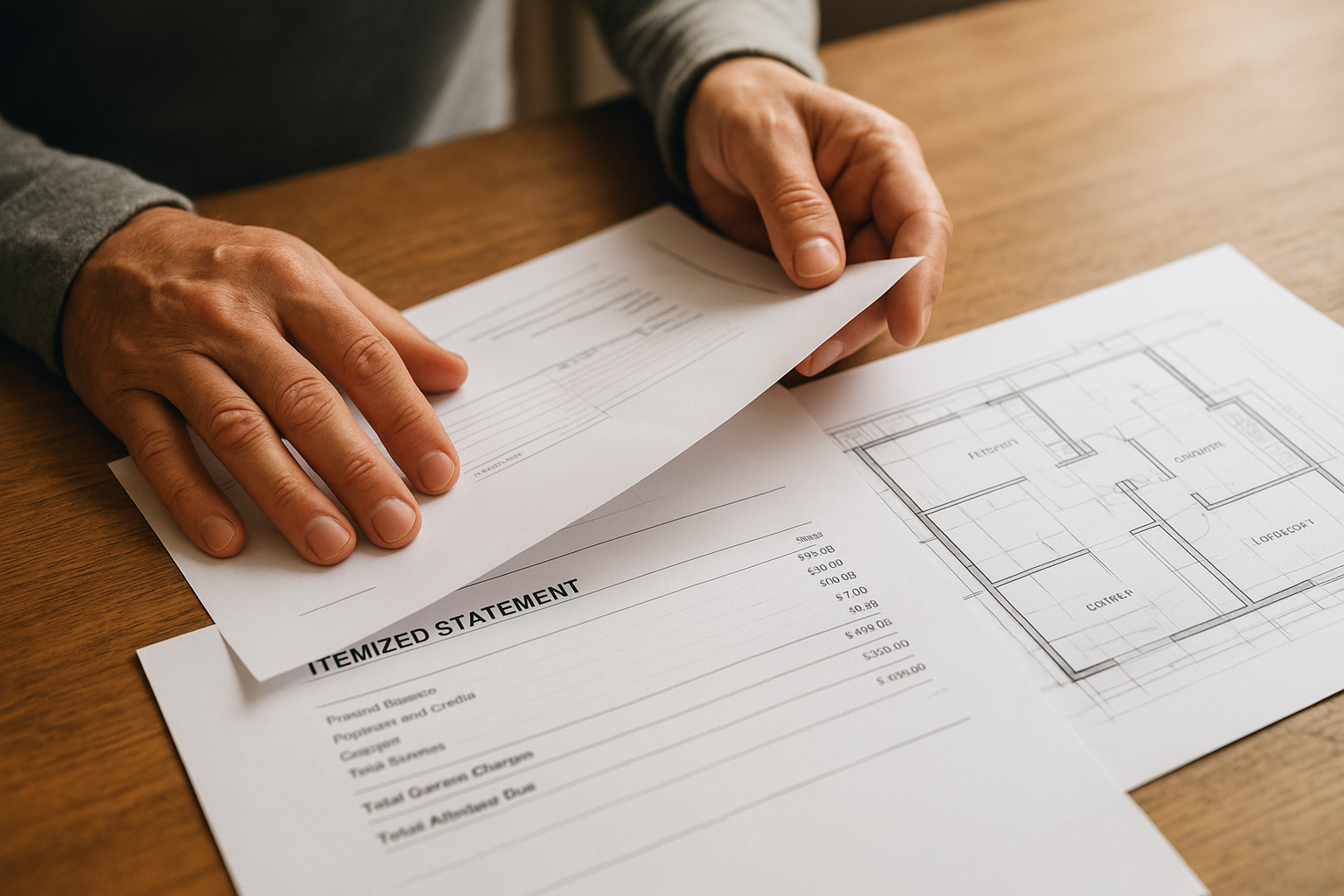
Comparing loan paperwork side by side helps homeowners choose the right ADU financing option.
How to Get Help Financing Your ADU: A Step-by-Step Process
Securing financing for an ADU generally follows a predictable sequence. Below is the process most Orange County homeowners work through.
- Assess home equity and financing eligibility. Review your current mortgage balance, home value, and credit profile to estimate how much equity is available for a HELOC or construction loan.
- Request a site assessment and project estimate. Schedule a lot feasibility review with an ADU design-build contractor to determine buildable square footage and realistic costs.
- Compare financing options with a lender partner. Discuss HELOCs, construction loans, and ADU-specific programs to compare interest rates and draw schedules.
- Finalize loan terms and begin design-build. Once financing is approved, move forward with architectural design, structural engineering, and permit submittal.
- Coordinate construction draws with milestones. Work with your lender and contractor to release funds as framing, rough-in, and finishing stages are completed.
Homeowners in nearby cities can also review resources such as ADU financing options for Fullerton homeowners, since the same general process applies across most Orange County communities.
ADU Financing Costs and Loan Amounts in Orange County
Costs vary considerably depending on ADU type and finish level. In general, detached ADUs in Orange County range from roughly $150,000 to $350,000, while garage conversions often fall between $90,000 and $160,000 because the existing structure reduces foundation and framing work.
Interest rates and loan amounts also depend on the financing type chosen. For instance, HELOCs are typically tied to a variable rate based on the prime rate, while construction loans may carry a fixed rate during the build phase. As a result, comparing total borrowing costs, not just monthly payments, helps homeowners choose the option that fits their long-term plans.
Homeowners building in the City of Orange specifically may find it useful to review guidance from an ADU builder serving the City of Orange, since local permit fees and city review timelines can influence total project financing needs.
Choosing the Right ADU Financing Partner in Orange County
Not every contractor or lender understands the nuances of ADU construction, including Title 24 compliance, structural engineering coordination, and city-specific permit requirements. Therefore, working with a team experienced in both design-build construction and financing referrals can simplify the entire process.
TheADUPro.com, for example, coordinates site assessments, custom design, permitting, and construction under one accountable team, and connects homeowners with third-party lending partners for HELOCs, construction loans, and ADU-specific programs. This approach can be reviewed in more detail by exploring why homeowners choose TheADUPro.com for ADU construction in Orange County. It is worth noting that TheADUPro.com does not issue loans directly; it refers clients to independent lending partners.
Homeowners considering a project in Huntington Beach can also explore custom ADU design services in Huntington Beach to see how design choices affect both construction cost and financing needs. For a broader overview of services, visiting TheADUPro.com directly provides additional detail on the full design-build process.
Frequently Asked Questions About ADU Financing Help Orange County
What is ADU financing help Orange County homeowners typically need?
ADU financing help Orange County homeowners need refers to guidance and lender connections that cover the cost of designing, permitting, and building an accessory dwelling unit. It usually involves comparing HELOCs, construction loans, and ADU-specific loan programs.
How does a HELOC work for funding an ADU?
A home equity line of credit lets homeowners borrow against the equity in their existing home, drawing funds as needed during construction. Interest is typically charged only on the amount drawn, which makes it a flexible option for phased ADU projects.
Why do Orange County homeowners need help financing an ADU project?
ADU construction in Orange County often costs between $150,000 and $350,000 depending on size and finishes, which exceeds most households’ cash savings. Financing assistance helps homeowners match the right loan product to their equity position and project timeline.
What is the difference between a HELOC and a construction loan for an ADU?
A HELOC is based on existing home equity and can be used for almost any purpose, while a construction loan is structured around a building timeline with draws tied to completed phases. Construction loans sometimes convert to a permanent mortgage once the ADU is finished.
How much does an ADU typically cost in Orange County?
Most detached ADUs in Orange County range from roughly $150,000 to $350,000, depending on square footage, finishes, and site conditions. Garage conversions tend to cost less, often between $90,000 and $160,000.
How long does ADU financing approval usually take?
HELOC approval generally takes two to six weeks, while construction loans can take four to eight weeks due to additional underwriting steps. Homeowners who gather documentation early tend to move through approval faster.
What mistakes do homeowners make when financing an ADU?
A common mistake is underestimating total project costs by excluding permit fees, utility connections, and contingency funds. Another frequent error is applying for financing before a site assessment confirms the ADU’s feasible size and layout.
Are there financing programs designed specifically for ADUs?
Yes, some lenders and California-backed programs offer ADU-specific loans that factor in projected rental income or the home’s post-construction value for qualification. Availability varies by lender and changes over time, so confirming current options directly is worthwhile.
Can projected rental income from an ADU help me qualify for financing?
Some lenders allow projected or actual rental income from the ADU to be counted toward loan qualification, which can increase borrowing capacity. This depends on the specific loan program and the lender’s underwriting guidelines.
Does TheADUPro.com provide direct loans for ADU construction?
No, TheADUPro.com does not issue loans directly. Instead, it connects homeowners with third-party lending partners that offer HELOCs, construction loans, and ADU-specific financing programs.
What documents are needed to apply for ADU financing?
Lenders typically request proof of income, recent tax returns, a current mortgage statement, and project estimates or plans. Having these ready before applying can shorten the approval timeline significantly.
Is financing available for garage conversions and JADUs?
Yes, garage conversions and junior ADUs qualify for the same financing products as detached units, often at a lower loan amount due to reduced construction scope. Many homeowners find these projects easier to fund because of their lower overall cost.
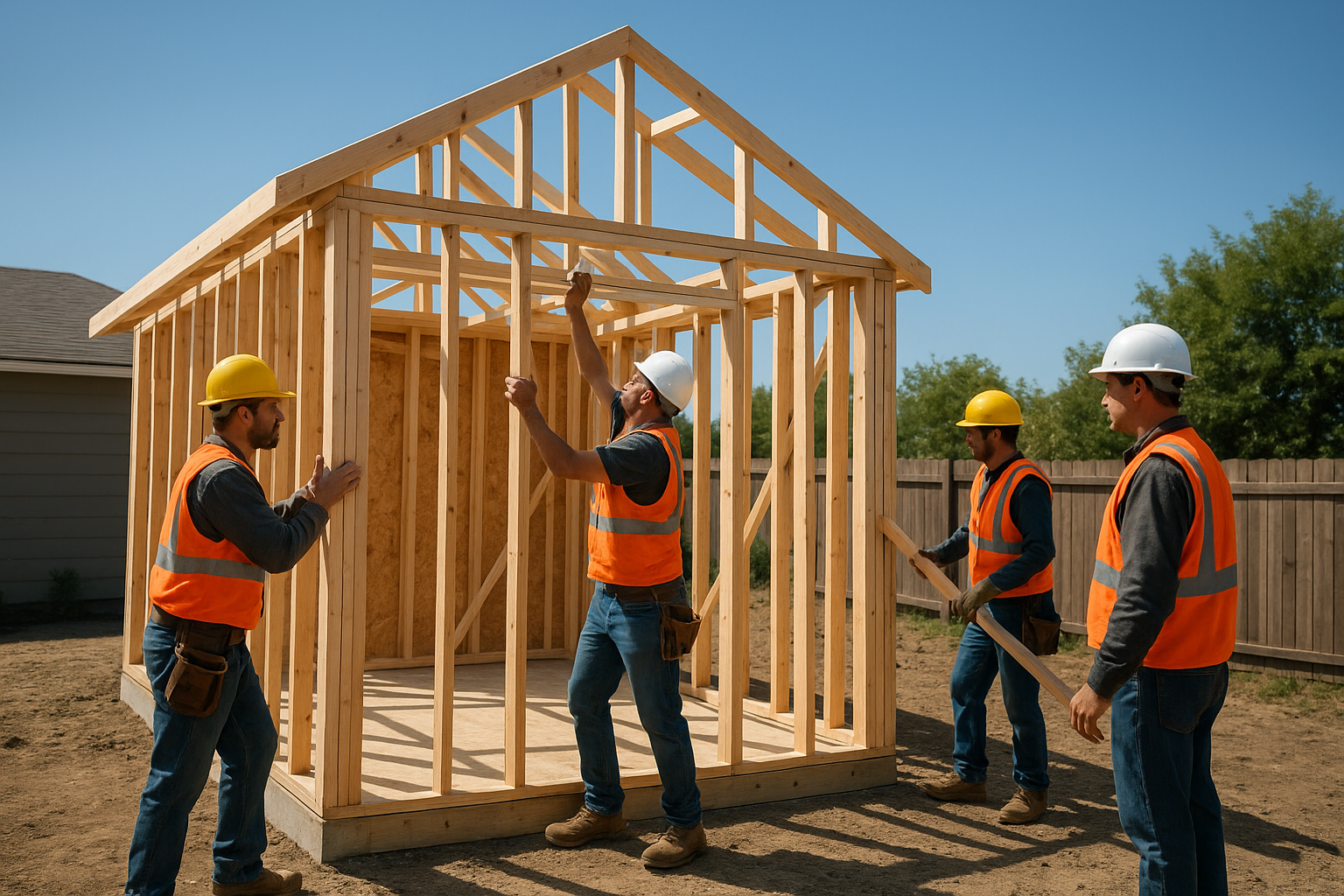
Once financing is approved, construction moves from paperwork to framing.
Final Thoughts on ADU Financing Help in Orange County
In summary, ADU financing help Orange County homeowners rely on typically combines HELOCs, construction loans, and ADU-specific lending programs, matched to a property’s equity and a project’s scope. Because construction costs in the region often exceed $150,000, comparing financing options early prevents mid-project funding gaps and surprises at the permit counter.
Ultimately, pairing a knowledgeable design-build team with the right lending partner makes the difference between a stalled project and a finished, income-generating ADU. Homeowners ready to move forward can start with a site assessment to understand feasible size, estimated cost, and next steps for financing.

