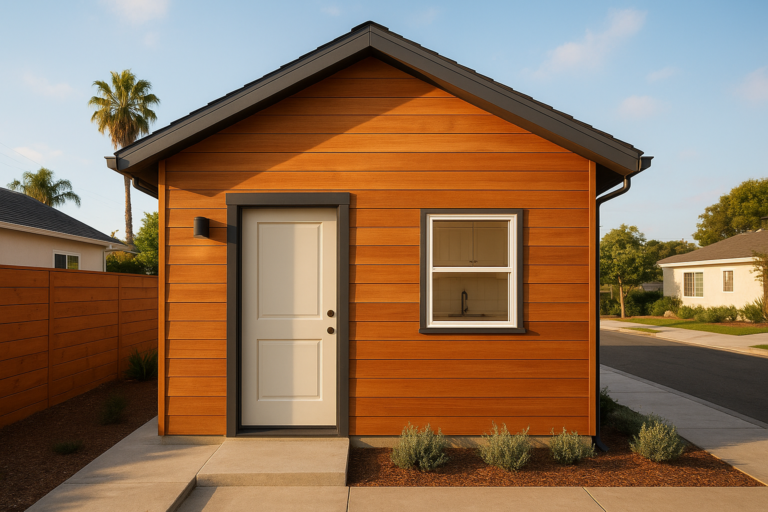
Junior ADU construction experts Los Angeles homeowners rely on typically handle a very specific project: converting existing square footage inside a single-family home into a legal, permitted junior accessory dwelling unit, commonly called a JADU. Unlike a detached ADU built from the ground up, a JADU repurposes space that already exists under the main roofline, which is exactly why specialized experience matters so much. For homeowners in Los Angeles County weighing a garage conversion, an in-law suite, or a small rental unit, knowing who truly qualifies as a JADU specialist can save months of permitting delays and thousands of dollars in avoidable rework.
Above all, a JADU is a smaller, more regulated project than most homeowners expect. Therefore, the contractor’s familiarity with local code, plumbing constraints, and city plan-check quirks often matters more than the size of the crew.
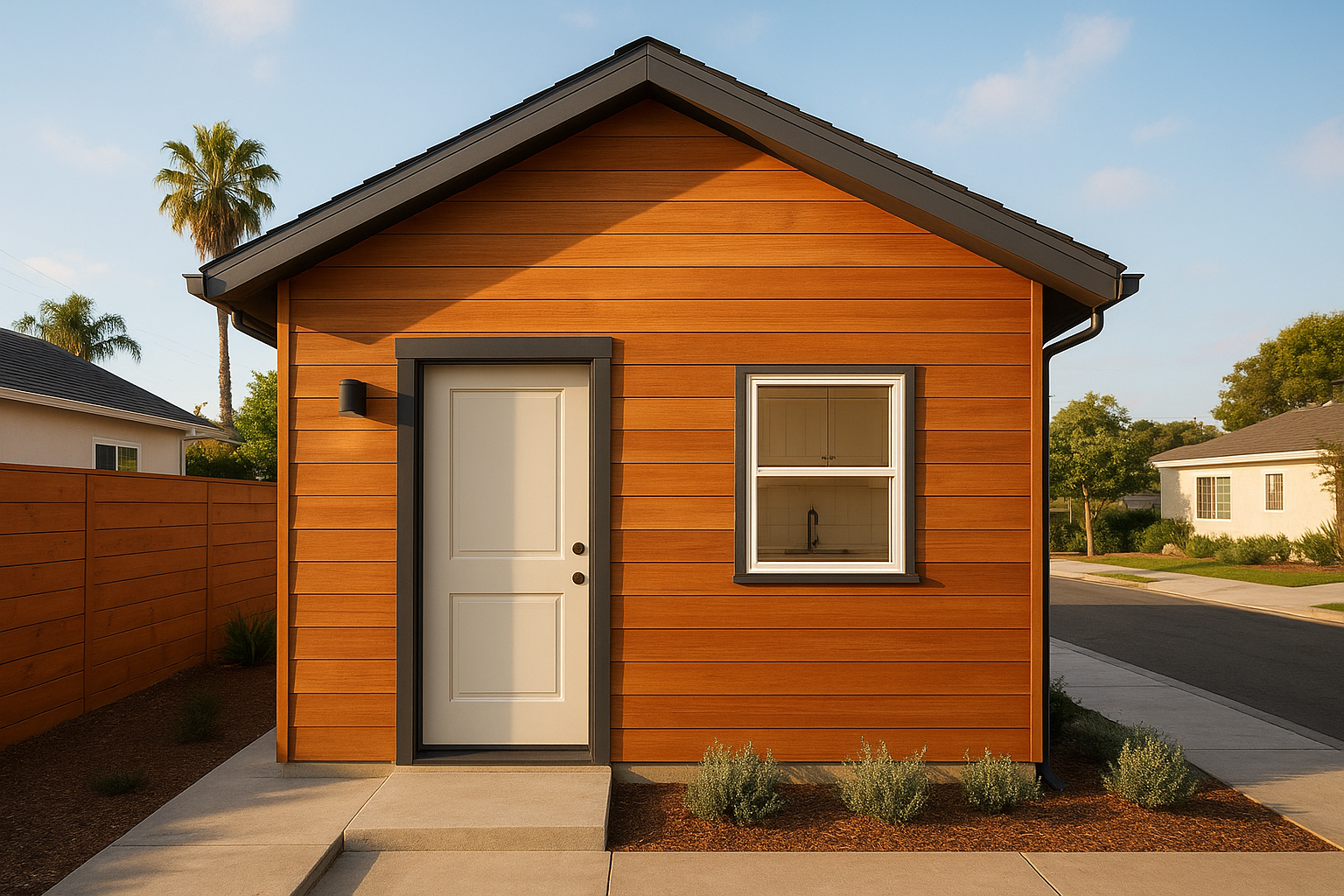
A typical garage-to-JADU layout designed by junior ADU construction experts Los Angeles homeowners hire for compact, income-ready living space.
What Is a Junior ADU (JADU)?
A junior ADU is a self-contained living space of up to 500 square feet built entirely within the existing walls of a single-family home. In particular, it must include its own exterior entrance and at least an efficiency kitchen, and it may share a bathroom with the main residence.
In contrast to a full second unit, a JADU cannot expand the home’s outer footprint. As a result, most JADU projects convert an attached garage, a bonus room, or an existing bedroom suite rather than adding new square footage to the lot.
Consequently, JADU projects tend to move faster through plan check than detached ADUs, since the structure already exists. However, plumbing and electrical relocation can still add complexity depending on where the kitchen and entrance are placed.
Why Homeowners Search for Junior ADU Building Specialists in Los Angeles
Los Angeles County has one of the highest concentrations of single-family lots eligible for JADU conversion in California. Specifically, homeowners are drawn to JADUs because they cost less than ground-up construction while still creating a legally rentable or livable space.
For example, a family with adult children returning home, or aging parents needing nearby but independent space, often finds a JADU faster to complete than a detached unit. Similarly, landlords looking for modest additional rental income without major site work gravitate toward garage or interior conversions.
Furthermore, according to the California Department of Housing and Community Development, statewide ADU and JADU permitting has grown sharply since state law reforms streamlined approval requirements, a trend clearly visible across Southern California’s building departments.
JADU vs. Detached ADU: Which Fits Your Property?
Choosing between a JADU and a detached ADU depends heavily on lot size, existing structures, and budget. In general, a JADU makes sense when a home already has an attached garage or underused interior room, while a detached ADU suits larger lots with backyard space.
On the other hand, detached units allow more privacy since there is no shared wall with the main house. Meanwhile, JADUs typically cost less because they avoid new foundation work, roofing, and full utility hookups.
Homeowners evaluating a design-build ADU contractor serving Los Angeles County should ask for a side-by-side feasibility comparison before committing to either path.
How the JADU Construction Process Works
Understanding the build sequence helps homeowners set realistic expectations. Below is the general process followed by most experienced teams.
- Site assessment and feasibility review: A qualified team evaluates existing walls, plumbing lines, electrical panels, and garage or interior space to confirm the property can support a code-compliant JADU layout.
- Custom floor plan design: Designers draft a site-specific plan showing the separate entrance, kitchen area, and any shared bathroom arrangement required by local code.
- Structural engineering and permit submittal: Engineers prepare stamped drawings, and the team submits complete plan sets to the local building department for review and approval.
- Construction and inspections: Licensed crews perform framing, plumbing, electrical, and finish work while scheduling required inspections at each milestone to keep the project on schedule.
- Final inspection and certificate of occupancy: The building department performs a final walkthrough, and once approved, the homeowner can legally use or rent the finished JADU.
Consequently, skipping any single step, especially the feasibility review, is the most common reason JADU projects stall midway through construction.
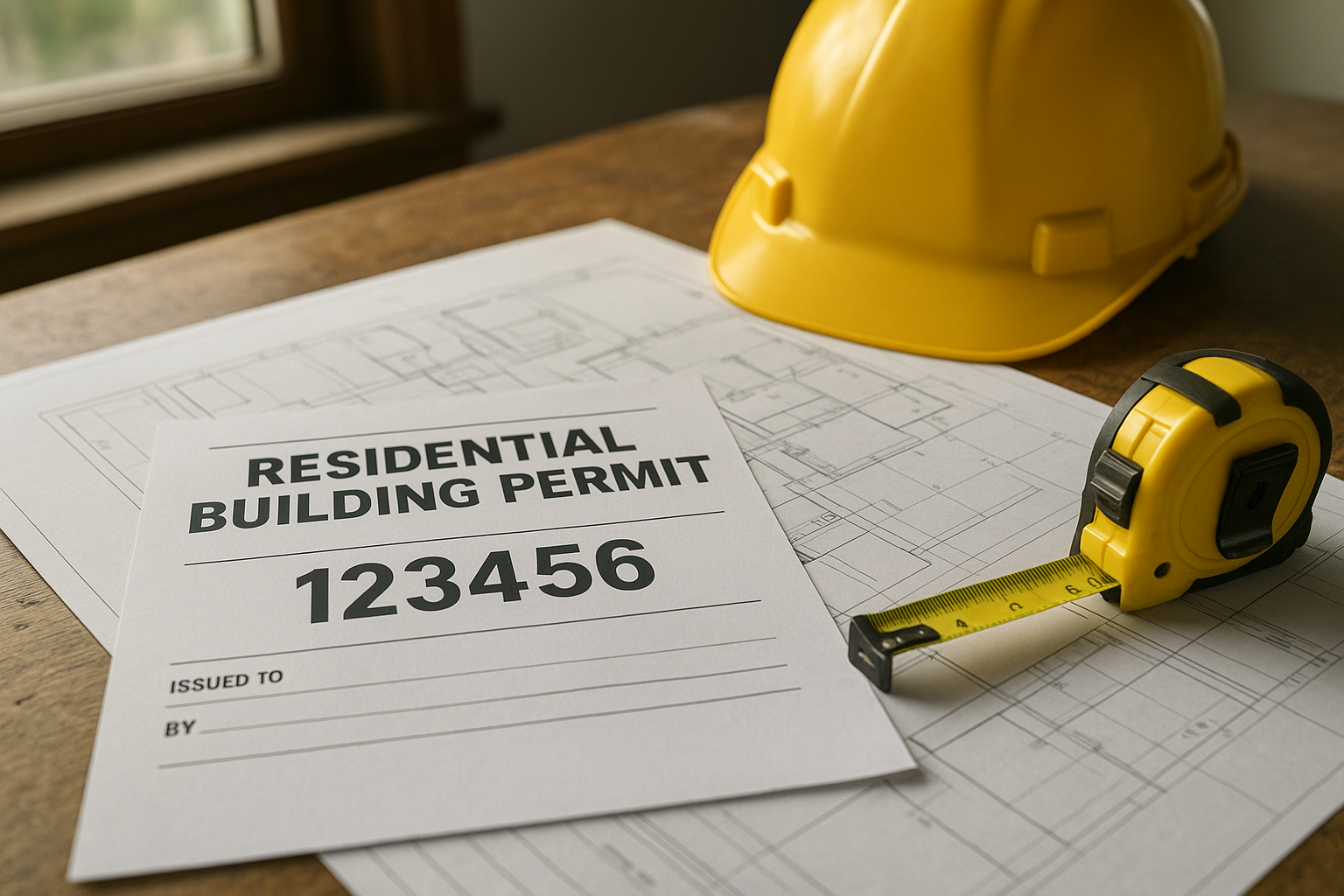
Permit coordination is often the slowest step in a JADU timeline without an experienced team managing city review.
Permits, Codes, and Los Angeles County Requirements
Every city within Los Angeles County reviews JADU plans slightly differently, even though state law sets the baseline rules. For instance, some cities process JADU permits within a few weeks, while others require additional review cycles for older homes.
Meanwhile, setback rules, fire separation requirements, and utility connection standards can vary between jurisdictions. Therefore, a contractor familiar with a specific city’s building department tends to move plans through faster than a generalist.
Homeowners can verify a contractor’s licensing status directly through the Contractors State License Board before signing any agreement, which is a simple but often skipped step.
Costs and Financing for a Junior ADU in Los Angeles
JADU costs generally run lower than detached ADU construction because the project reuses existing walls, roofing, and foundation. However, plumbing relocation, kitchen upgrades, and permit fees can still add up depending on the scope.
In addition, financing plays a major role in project feasibility. Many homeowners use a home equity line of credit, a construction loan, or an ADU-specific lending program to cover costs, and a design-build contractor can coordinate with third-party lending partners to identify suitable options.
As a related concept explained on Wikipedia’s overview of secondary suites, accessory living units like JADUs have become a widely adopted housing strategy across many U.S. states, not just California.
Junior ADU Construction Experts Los Angeles Homeowners Can Trust
Above all, the right junior ADU construction experts Los Angeles homeowners select should manage design, engineering, permitting, and construction under one accountable team rather than passing the project between separate vendors.
Specifically, look for an active CSLB license, a strong BuildZoom reputation score, and verifiable completed projects in your city. This contractor, based in Chino and operating across Orange County, Los Angeles County, and western Riverside County, has built a track record with a near 4.9-star average client rating and a BuildZoom score placing it in the top 1% of California contractors.
For homeowners researching options nearby, examples of completed work include ADU construction in Los Alamitos, custom ADU design in Laguna Beach, and JADU and ADU builds in Redondo Beach. A broader comparison is also available in this roundup of top-rated Southern California ADU builders for 2025.
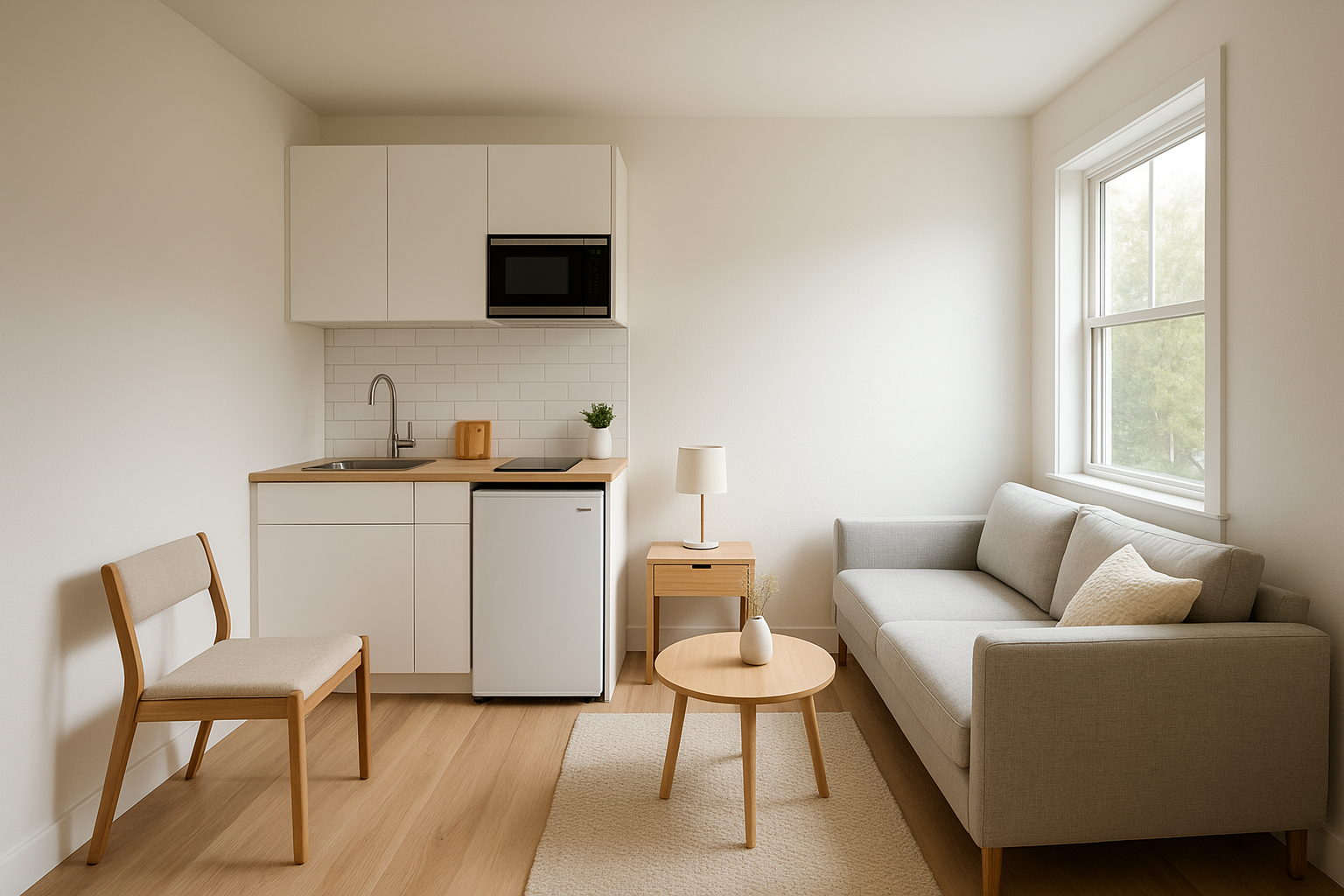
A completed JADU interior showing the compact kitchenette and separate living area required by state code.
Best Practices Before Hiring a JADU Contractor
Before signing a contract, homeowners should request a written feasibility assessment, a realistic timeline, and a breakdown of permit responsibilities. Similarly, asking whether the same team handles engineering, permitting, and construction, or subcontracts each piece separately, reveals a lot about accountability.
In particular, homeowners should confirm which city their JADU falls under, since requirements differ between jurisdictions even within the same county. You can review the full range of design-build services on the company’s main site before scheduling a consultation.
Finally, comparing at least two or three contractors, rather than accepting the first quote, remains one of the simplest ways to avoid overpaying or facing scope surprises mid-project.
Frequently Asked Questions
What is a junior ADU (JADU)?
A junior ADU, or JADU, is a small living unit of up to 500 square feet created inside the existing walls of a single-family home. It must include a separate entrance and at least an efficiency kitchen, and it may share a bathroom with the main house.
How is a JADU different from a detached ADU?
A JADU is built within the existing footprint of the primary home, while a detached ADU is a standalone structure built elsewhere on the lot. Detached units generally cost more but offer more privacy and flexibility.
How much does it cost to build a JADU in Los Angeles?
JADU conversions in Los Angeles County typically cost less than detached ADUs because they reuse existing walls, roofing, and foundation. However, final pricing depends on plumbing relocation, kitchen upgrades, and permit fees specific to the city.
How long does JADU construction take?
Most JADU projects take four to eight months from initial design through final inspection. Timelines vary based on how quickly the local building department reviews and approves plans.
Do I need a separate entrance for a JADU?
Yes, California law requires a JADU to have its own exterior entrance separate from the main house entrance. This requirement is one of the features that distinguishes a JADU from a simple room addition.
What are the most common mistakes homeowners make with JADU projects?
The most frequent mistakes include skipping a proper feasibility study, underestimating plumbing and electrical relocation costs, and assuming HOA approval isn’t required. Working with an experienced team early helps avoid these costly surprises.
Can I rent out my JADU for income?
Yes, JADUs can generally be rented out, though the owner must typically continue living in either the main house or the JADU itself. Rental income potential should always be confirmed against current city ordinances.
Will building a JADU trigger a property tax reassessment?
Adding a JADU usually results in a partial reassessment limited to the value of the new construction, not the entire property. The existing home retains its base-year assessed value under California law.
Can an HOA block a JADU in Los Angeles?
State law limits how much an HOA can restrict JADU construction, but HOAs can still enforce reasonable design and safety standards. It’s wise to review governing documents before finalizing a floor plan.
What size can a JADU be?
By state law, a JADU cannot exceed 500 square feet. Some cities allow slightly different configurations, so local code should always be verified during the feasibility phase.
Do junior ADU construction experts in Los Angeles handle permits?
Yes, established junior ADU construction experts in Los Angeles typically manage the entire permit process, including plan submittal, plan check corrections, and inspection scheduling. This coordination is one of the biggest reasons homeowners hire a design-build team instead of managing the project themselves.
What financing options exist for a JADU project?
Common financing options include home equity lines of credit, construction loans, and ADU-specific lending programs offered through third-party lenders. A contractor can refer homeowners to lending partners but does not issue loans directly.
Is a kitchen required in a JADU?
Yes, a JADU must include at least an efficiency kitchen with a cooking facility, sink, and food storage. A full kitchen is optional but often preferred for rental appeal.
What’s the best way to choose a JADU contractor?
Look for an active CSLB license, verifiable client reviews, and a design-build process that covers engineering, permitting, and construction under one team. Asking to see completed JADU projects in your city is also a strong best practice.
Does the company build JADUs outside Los Angeles County?
This contractor primarily builds throughout Orange County, Los Angeles County, and western Riverside County, with additional site assessment reach into San Bernardino County. Homeowners outside this service area should confirm coverage before scheduling a consultation.
Final Thoughts
Ultimately, finding junior ADU construction experts Los Angeles homeowners can depend on comes down to verifying licensing, reviewing completed projects, and confirming that one accountable team handles design, permitting, and construction from start to finish. As shown throughout this guide, JADUs offer a lower-cost path to added living space compared with detached units, but the permit and code details still demand real local expertise.
In the end, homeowners who take time to compare feasibility studies, ask about financing coordination, and check contractor credentials tend to complete their JADU projects faster and with fewer surprises. Whether the goal is rental income, multigenerational housing, or simply better use of a garage, working with experienced junior ADU construction experts in Los Angeles remains the most reliable way to turn that goal into a legally finished space.