
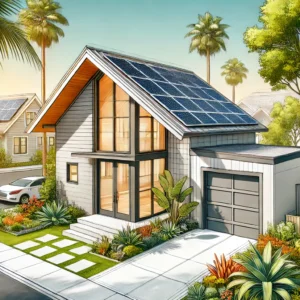
Solar panels for ADU construction have become one of the most important planning decisions California homeowners face in 2025, thanks to the state’s Title 24 energy code and the long-term savings that come from generating your own power. Whether you’re building a detached backyard home, converting a garage, or adding a second-story unit, understanding exactly when solar is required — and how to make the most of it — can save you thousands of dollars and months of permitting headaches. For a complete overview of planning a compliant build from the ground up, see our solar-ready ADU construction guide.
What Are Solar Panels for ADU Construction, and Why Do They Matter?
In simple terms, solar panels for ADU construction are photovoltaic (PV) systems — panels that convert sunlight directly into electricity — installed on an accessory dwelling unit’s roof to power the unit itself and, in many cases, the main home as well. However, this isn’t just a nice-to-have feature anymore. Since California’s updated Title 24 energy code took effect, solar has shifted from an optional upgrade to a near-mandatory requirement for most newly built detached ADUs across the state.
Because the rules depend heavily on your ADU’s structure type, square footage, and whether it’s new construction or a conversion, it pays to understand the specifics before you break ground. Below, we’ll walk through every angle: the mandate itself, exemptions, real-world costs, battery storage, financing, and the step-by-step process of going solar on your ADU.
Do You Need Solar Panels on Your ADU? California’s Title 24 Mandate Explained
The Core Rule
The California Energy Commission’s Title 24 Building Energy Efficiency Standards require solar photovoltaic systems on most newly constructed low-rise residential buildings, and that umbrella generally includes newly built detached ADUs. In practice, this means that if you’re constructing a brand-new, stand-alone accessory dwelling unit, you should plan for solar from the earliest design stages rather than treating it as an afterthought.
When Your ADU May Be Exempt
Not every ADU triggers the solar mandate. For example, ADUs created as an addition to an existing single-family home — rather than an entirely new, separate structure — are frequently treated differently under the energy code’s “addition and alteration” pathway, which does not always carry the same PV obligation as new construction. Similarly, junior ADUs (JADUs) built entirely within the existing walls of a primary residence typically don’t trigger a separate solar requirement, since they aren’t new conditioned floor area.
In addition, a shading exemption may apply if your roof doesn’t receive adequate solar access — for instance, if mature trees or neighboring structures block more than a set percentage of usable roof area. Because these exemptions are evaluated case by case through your local building department’s Title 24 energy compliance review, it’s essential to work with a builder who can run that analysis correctly the first time rather than guessing. Our team walks every client through the Second Unit Rental Regulations: What CA Homeowners Must Know alongside the energy code so there are no surprises during permitting.
What Happens If You Skip Solar Without an Exemption?
Building without required solar when no exemption applies can delay your certificate of occupancy, trigger costly change orders mid-construction, or force a retrofit after the fact — which is almost always more expensive than designing it in from day one. As a result, confirming your ADU’s solar obligation before you finalize your design is one of the smartest moves you can make.
Benefits of Adding Solar Panels to Your ADU
Lower Utility Bills From Day One
Installing solar panels on your ADU drastically reduces monthly energy costs. For homeowners renting the unit out, solar offsets a tenant’s utility expenses, which makes the listing noticeably more attractive in a competitive rental market.
Stronger Rental Income Potential
Because energy-efficient units command higher rents and attract longer-term tenants, pairing solar with a well-designed ADU can meaningfully improve your return on investment. If you’re exploring this path, our guides on Can I Rent Out My ADU for Extra Income? and Maximize Your Income: Top Tips for Renting Out Your ADU break down the numbers in detail.
Increased Property Value
Homes with solar panels consistently show higher market appeal. Buyers recognize the long-term savings and environmental upside immediately, so a solar-powered ADU can meaningfully boost your property’s overall resale value.
A Smaller Carbon Footprint
Solar-equipped ADUs help reduce household carbon emissions, supporting California’s broader push toward net-zero greenhouse gas emissions. Choosing solar isn’t just compliance — it’s a tangible step toward cleaner, more resilient energy use at home.
How Much Do Solar Panels for ADU Projects Cost in 2025?
Pricing depends on system size, panel efficiency, and whether battery storage is included. On average, solar panel installation for an ADU ranges from $10,000 to $25,000, though that figure is frequently offset by rebates, tax credits, and long-term energy savings. Here’s a general breakdown by system size:
In contrast to retrofitting solar onto an existing roof later, designing it into your ADU from the start typically costs less overall because wiring, roof framing, and electrical panel capacity are planned together rather than reworked afterward.
Solar Panel Options for Every Type of ADU
Detached ADUs
Detached ADUs offer the cleanest opportunity for solar integration since the roof isn’t shared with the primary home. We design systems sized specifically to the unit’s square footage and projected energy load, similar to the approach used in our Spring Oak and Strattford model plans.
Garage Conversion ADUs
Converting a garage into living space? Solar panels can still be integrated into the existing or reinforced roof structure, keeping your converted unit both functional and energy-efficient without a full roof rebuild.
Second-Story ADUs
Building up instead of out generally means better, unobstructed sun exposure, which translates directly into stronger energy production per panel.
Junior ADUs (JADUs)
Because JADUs share walls and a roof with the primary home, they usually draw power from the main house’s existing system rather than requiring an independent array — though a shared solar upgrade can still benefit both spaces. Homeowners across Costa Mesa and La Palma can review localized design considerations on our Costa Mesa ADU design, San Diego County ADU design, and La Palma ADU design pages.
Battery Storage and NEM 3.0: Getting the Most From Your ADU Solar System
Many of the solar-powered ADUs we build include battery storage, which stockpiles excess energy generated during the day for use after sunset. This matters more than ever under California’s NEM 3.0 net billing tariff, which reduced the compensation homeowners receive for exporting unused solar power back to the grid. As a result, pairing your ADU’s solar array with a battery is often the single best way to maximize savings rather than relying on grid credits alone.
It’s also worth noting that excess ADU solar energy can frequently be redirected to power your main house, further lowering your combined utility bill — though the exact arrangement depends on your utility provider’s net metering policy and whether your home and ADU share a single meter.
Financing and Incentives for Your Solar-Ready ADU
Solar panel installation represents a real upfront investment, so we help every client explore the full range of incentives before finalizing a budget.
- Federal Investment Tax Credit (ITC): A 30% federal tax credit currently applies to the cost of your solar PV system through the Inflation Reduction Act.
- State and Local Rebates: Depending on your utility provider and jurisdiction, additional rebates may further reduce your out-of-pocket cost.
- Flexible Project Financing: We connect clients with trusted lending partners so solar doesn’t have to be paid for entirely upfront.
To begin mapping out your financing path, visit our Select offer page, and explore additional income strategies in our Small Home Rental Conversion: Profitable ADU Guide.
How to Add Solar Panels to Your ADU: A Step-by-Step Process
- Confirm your mandate status. Determine whether your specific ADU — new construction, addition, or JADU — actually triggers California’s Title 24 solar requirement before any design work begins.
- Plan for solar from day one. Work with an ADU designer to orient the roofline, pitch, and structural framing specifically to maximize usable solar panel surface area.
- Size your system correctly. Choose a kW system size based on your ADU’s square footage, expected occupancy, and whether you plan to power the main house as well.
- Secure financing and incentives. Apply for the federal Investment Tax Credit and any available state or local rebates before signing your final construction contract.
- Permit and install. Submit your solar plans alongside your ADU permit set, then schedule professional installation once framing and roofing are complete.
- Activate net metering. Coordinate with your utility provider to activate net billing under NEM 3.0 so excess energy production is properly credited.
Why The ADU Pro Is Southern California’s Solar ADU Expert
As one of the region’s most established builders, The ADU Pro has deep, hands-on experience navigating local building codes, climate zones, and Title 24 energy requirements. Every solar-powered ADU we build is engineered to comply fully with local regulations while squeezing maximum output from Southern California’s sunny climate. See more of our completed work, including the Springdale LA project and our broader SoCal ADU Pros: Build Your Accessory Dwelling Unit portfolio.
- Unmatched knowledge of local building codes and the Title 24 solar mandate.
- Transparent, upfront pricing with zero hidden costs — our proposals include solar pricing from the start.
- True turnkey service covering design, permitting, construction, and solar installation under one roof.
- A genuine commitment to sustainable, energy-efficient building practices.
For additional background on the broader regulatory landscape surrounding ADU construction, take a look at our Sample Blog resource library.
Frequently Asked Questions About Solar Panels for ADU Projects
Do I need solar panels for ADU construction in California?
In most cases, yes. Newly constructed detached ADUs generally fall under California’s Title 24 solar mandate. However, additions to existing homes and JADUs are frequently exempt, so confirming your specific situation with your builder before designing is essential.
What size ADU triggers the solar panel mandate?
Generally, any newly constructed detached ADU with conditioned living space is subject to the requirement, regardless of square footage, unless a specific addition-based or shading exemption applies.
Are there any exemptions from the ADU solar requirement?
Yes. Common exemptions include ADUs built as additions to an existing home, JADUs within existing walls, and roofs with insufficient solar access due to shading. Your local building department makes the final determination during Title 24 compliance review.
How much do solar panels for ADU projects cost in 2025?
Most ADU solar installations run between $10,000 and $25,000 depending on system size, though the federal tax credit and available rebates typically offset a significant portion of that cost.
Can solar panels on my ADU also power my main house?
Often, yes. Excess energy generated by your ADU’s solar panels can frequently be redirected to your main home under your utility’s net metering policy, further reducing your overall electric bill.
Do I need battery storage with my ADU solar system?
Battery storage isn’t mandated by Title 24, but it’s strongly recommended under NEM 3.0, since exported solar power now earns lower compensation than it once did — making stored energy far more valuable.
How long does it take to install solar panels on an ADU?
Physical installation usually takes one to two days once permits are approved, though the full permitting and inspection timeline can add several weeks depending on your local jurisdiction.
Final Thoughts: Is Solar Right for Your ADU?
In the end, solar panels for ADU construction deliver far more than regulatory compliance — they lower your bills, strengthen your rental income, boost your property value, and shrink your environmental footprint, all at once. Above all, the key to doing it right is planning solar into your ADU from the very first design meeting rather than bolting it on later. The ADU Pro’s team of experts will guide you through every step, from initial design to final installation, so your solar-powered ADU is compliant, efficient, and built to last.
Looking to find help financing your ADU? Click Here


www.primarymortgageresource.com
Get Started With The ADU Pro Today
Ready to build a solar-powered ADU that saves energy, lowers costs, and increases property value? Reach out and our team will guide you through design, permitting, and installation from start to finish.
📞 Call or text us today at (877) 398-8002
🌐 Visit us online at www.theadupro.com
Let us show you why we’re the top-rated ADU builder in Southern California. Together, we’ll create a sustainable, energy-efficient ADU that meets your needs and exceeds your expectations.
If you would like more information, call or text (877) 398-8002 or Click here for more information
The ADU Pro, Inc. — Author: The ADU Pro Team. Last updated: 2026-06-26.
15338 Central Ave. Chino CA 91710
(877) 398-8002