Torrance is one of the busiest accessory dwelling unit (ADU) markets in the South Bay, and this page breaks down a real Torrance ADU project from budget to move-in day. Whether you already own a home in Torrance or you’re still comparing builders, the numbers, timeline, and step-by-step process below give you an honest picture of what building a detached ADU in Torrance actually costs, how long it takes, and what to expect from permitting through final inspection.
Torrance ADU Construction: Complete Project Guide, Costs & Timeline
A real-world breakdown of budget, square footage, and build time for a Torrance, California ADU project.
Torrance ADU Project Snapshot: Budget, Size & Timeline
Before diving into the details, here is the high-level snapshot of this Torrance ADU build. In addition to the raw numbers, we’ll unpack exactly what shaped the budget, the layout, and the schedule further down the page.


Project Summary
- 1,029 sq ft detached ADU
- Two bedrooms, two bathrooms with an open great room and kitchen

Time to Completion
- Plans & Engineering: 30 days
- Grading: 3 days
- Construction: Est. 4 months

Breaking Down the Construction Budget
A $291,000 all-in budget for materials and labor covers far more than lumber and permits. Specifically, it accounts for site grading, foundation work, framing, electrical, plumbing, HVAC, interior finishes, and final landscaping tie-in. As a result, homeowners comparing quotes should always ask whether a bid is truly “all-in” or whether it excludes soft costs like engineering and utility connections.
Torrance ADU costs typically run higher per square foot than in inland cities because of coastal soil conditions, stricter energy code compliance under California’s ADU regulations, and higher regional labor rates. However, that investment tends to pay off: South Bay rental demand keeps ADU cash-flow projections strong, and a well-built unit adds resale value that inland markets rarely match.
For homeowners exploring financing options or comparing this budget against other South Bay cities, our Torrance ADU construction services page walks through cost ranges by unit size and finish level in more detail.
Inside This 1,029 Sq Ft Backyard Home
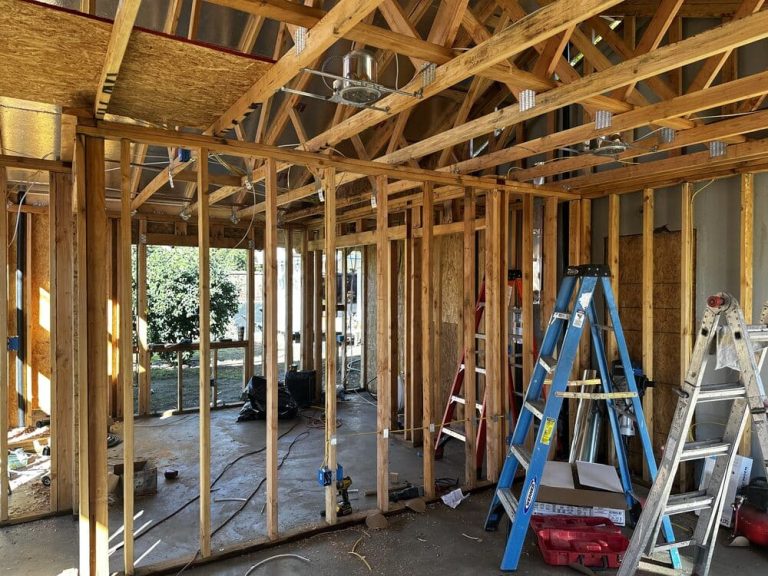
This particular Torrance ADU is a 1,029 square foot detached unit, which sits comfortably within the state’s standard ADU size allowances for most residential lots. In particular, the floor plan blends the great room and kitchen into a single open living space, a layout choice that makes a two-bedroom, two-bathroom unit feel considerably larger than its square footage suggests.
Above all, the design goal was flexibility. Two full bedrooms and two full bathrooms mean the unit works equally well as a rental, a multigenerational suite for aging parents, or a private guest house. Furthermore, keeping the kitchen and living area open rather than segmented reduces framing costs while improving natural light throughout the unit.
Not every Torrance lot supports a unit this size, so it’s worth understanding the different configurations available before committing to a floor plan. Our detailed breakdown of what types of ADUs can I build on my property covers detached, attached, garage-conversion, and junior ADU options side by side.
How Long Does an ADU Build Take in the South Bay?
This Torrance project moved through three distinct phases. First, plans and engineering took roughly 30 days, a stage that includes structural drawings, Title 24 energy compliance, and city plan check submittal. Next, grading took just 3 days since the lot required only minor leveling before foundation work began. Finally, construction itself took an estimated 4 months from groundbreaking to final inspection.
In contrast, projects on sloped lots, homes with older sewer laterals, or properties near flood zones can take noticeably longer during the grading and utility phase. Consequently, getting an accurate site assessment before signing a contract is one of the best ways to protect your timeline.
For homeowners tracking trends across the region, our West Coast ADU trends tag and ongoing ADU development coverage track how timelines and costs are shifting across California as more cities streamline approvals.
Watch the Torrance ADU Video Walkthrough
Numbers and floor plans only tell part of the story. Therefore, we filmed a full walkthrough of this Torrance ADU so you can see the finished great room, kitchen, and bedroom layout in real space rather than on paper.

Watch more completed builds on our YouTube channel.
Our Working Process, Step by Step
Every Torrance ADU we build follows the same five-stage process. As a result, homeowners always know what phase their project is in and what happens next.
- Initial consultation and site evaluation. We walk the property, review setbacks and utility access, and discuss your goals for square footage, budget, and intended use before drafting anything.
- Design and structural engineering. Our team produces architectural drawings and structural engineering that satisfy Title 24 energy code and local building requirements for a Torrance ADU.
- Permitting with the City of Torrance. We submit plans for plan check, respond to correction requests, and secure the building permit before any construction crews arrive on site.
- Site preparation and grading. Crews grade the lot, rough in utility connections, and pour the foundation so the structure has a stable, code-compliant base to build on.
- Construction and final inspection. Framing, roofing, electrical, plumbing, and interior finishes proceed on schedule, ending with a final city inspection before you receive your certificate of occupancy.
Why Homeowners Choose to Build in Torrance, California
Torrance sits in the heart of the South Bay, offering coastal proximity, strong schools, and steady rental demand from residents working at nearby aerospace, healthcare, and logistics employers. Consequently, an ADU in Torrance tends to generate reliable rental income while also giving multigenerational families a private, code-compliant living space on the same lot.
In addition, Torrance’s relatively flat terrain and established residential grid make grading and utility connections more predictable than in hillside South Bay cities like Palos Verdes. This is one reason the timeline for this particular project stayed tight from groundbreaking to move-in.
Permits, Zoning & California ADU Law
California state law significantly loosened ADU restrictions over the past several years, and Torrance’s local ordinance follows the state framework closely. Specifically, most single-family lots qualify for at least one detached ADU regardless of lot size minimums that used to block smaller properties from building.
However, local setback, height, and parking rules still apply, and every project must pass through the City of Torrance plan check and building permit process before construction begins. Therefore, working with a builder who submits complete, code-accurate plans the first time can shave weeks off your approval timeline.
For a plain-language overview of how state ADU law shapes what you’re allowed to build, the California HCD accessory dwelling unit handbook is a reliable, government-published resource worth reviewing before your first design meeting.
Types of ADUs You Can Build on Your Property
Not every Torrance homeowner needs a full detached unit like the one featured on this page. Similarly, garage conversions, attached additions, and junior ADUs each carry different costs, timelines, and permitting paths.
If you’re still deciding which configuration fits your lot, our guide to what types of ADUs can I build on my property compares detached, attached, garage-conversion, and junior ADU options in detail, and our Torrance ADU builder team can walk your specific lot with you before you commit to a plan.
Considering an Addition Instead of an ADU?
Some Torrance homeowners find that expanding the existing house makes more sense than adding a separate structure, particularly on smaller lots where setback rules limit ADU square footage. In that case, our expert guide to home extension contractors explains how room additions compare to ADUs on cost, timeline, and permitting.
Frequently Asked Questions About Torrance ADU Construction
How much does it cost to build an ADU in Torrance?
A detached, two-bedroom Torrance ADU similar to the project featured on this page runs approximately $291,000 in materials and labor. However, costs shift based on square footage, finish level, foundation type, and site conditions like slope or utility access.
How long does ADU construction take in Torrance, California?
Plans and engineering typically take about 30 days, grading takes a few days on a flat lot, and construction runs roughly 4 months. As a result, most Torrance ADU projects reach completion within five to six months of the initial design meeting.
Do I need a permit to build an ADU in Torrance?
Yes. Every ADU in Torrance must pass through the city’s plan check and building permit process, regardless of size, before any construction can legally begin.
What size ADU can I build on a Torrance lot?
Size limits depend on lot size, zoning, and setback requirements, though California state law generally allows detached units up to 1,200 square feet on qualifying single-family lots. The 1,029 square foot unit featured here falls comfortably within that range.
Can I rent out my Torrance ADU?
In most cases, yes. Torrance permits long-term rental of ADUs, and strong regional rental demand makes a well-located unit a practical way to generate additional income from your existing property.
Ready to Start Your Torrance ADU Project?
Building an ADU in Torrance means balancing budget, timeline, and California’s evolving ADU regulations, but the project outlined above shows what’s realistically achievable: a 1,029 square foot, two-bedroom detached unit completed in roughly five months for $291,000 in materials and labor. In addition to the numbers, the working process, permitting path, and design choices covered here should leave you with a clear, complete picture of what to expect. Above all, whether you build detached, attached, or convert an existing structure, a Torrance ADU remains one of the most reliable ways to add living space, rental income, and long-term property value in the South Bay.