
Most advice about ADU building skips over one crucial detail: nearly 60 percent of Southern California homeowners underestimate the importance of aligning project goals with local regulations. For those inspired by british design trends or looking to maximize rental income, understanding every step is essential. With strict city codes and fierce demand for multigenerational living, the right guidance helps you avoid costly mistakes, choose the best builders, and create lasting value on your property.
Table of Contents
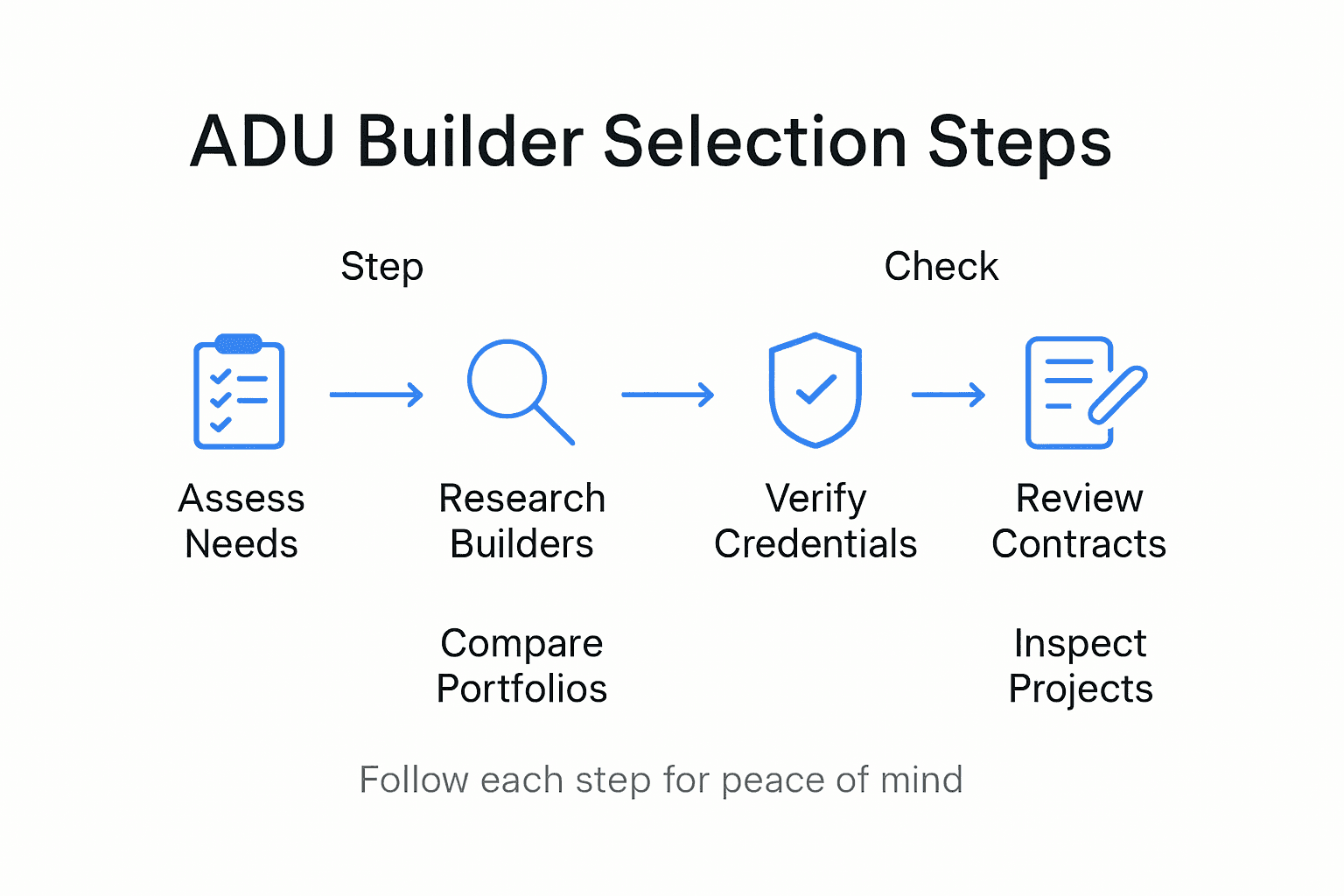
- Step 1: Assess Your ADU Requirements And Project Goals
- Step 2: Research Reputable Local ADU Builders
- Step 3: Compare Builder Portfolios And Client Reviews
- Step 4: Verify Credentials And Local Code Compliance
- Step 5: Review Contracts And Inspect Past ADU Projects
Quick Overview
| Essential Insight | Clear Explanation |
|---|---|
| 1. Define Your ADU Goals Clearly | Understand why you want an ADU and outline specific objectives to streamline the project. |
| 2. Research Local ADU Builders | Identify experienced builders familiar with local regulations to ensure quality outcomes. |
| 3. Evaluate Builder Portfolios | Review past projects and client testimonials for insights into builder capabilities and reliability. |
| 4. Verify Credentials Thoroughly | Check licenses, insurance, and local code compliance to protect your investment. |
| 5. Review Contracts Meticulously | Examine all contract details for clarity on timelines, costs, and responsibilities before signing. |
Step 1: Assess your ADU requirements and project goals
Before embarking on your Accessory Dwelling Unit (ADU) project, you need a crystal clear understanding of your specific requirements and objectives. Successful ADU construction begins with thorough self reflection about why you want this additional living space and what precise outcomes you expect. Whether you aim to generate rental income, create multigenerational housing, or expand your property’s functionality, defining your goals upfront will dramatically streamline the entire building process.
Start by conducting a comprehensive assessment of your property and personal needs. Consider factors like available land space, potential building restrictions, budget constraints, and the specific purpose of your ADU. Southern California homeowners often have unique zoning regulations, so understanding local ADU plans and design considerations becomes crucial. Will you need a detached unit, an attached extension, or a conversion of existing space? Each option presents different design challenges and opportunities. Map out your must have features technical requirements like square footage, number of rooms, accessibility needs, and desired amenities.
To help clarify your ADU planning, here is a comparison of common ADU types and their distinctive characteristics:
| ADU Type | Placement | Typical Use Cases | Construction Complexity |
|---|---|---|---|
| Detached Unit | Separate from main house | Rental income, guest suite | High, new foundation needed |
| Attached Extension | Connected to main house | Multigenerational living | Moderate, shares structure |
| Garage Conversion | Existing garage space | Home office, small rental | Lower, adapts current shell |
A strategic approach involves creating a detailed project brief that outlines your expectations, potential challenges, and desired outcomes. This document will become an invaluable communication tool when discussing your vision with potential ADU builders. Think beyond immediate needs and consider long term value how this additional space might serve your family or potentially increase property marketability.
Professional Recommendation: Invest time in thorough research and preliminary planning before engaging builders. A well defined project scope will save you significant time, money, and potential future complications.
Step 2: Research reputable local ADU builders
Researching and selecting the right ADU builder requires strategic investigation and careful evaluation. Your goal is to find a contractor who not only understands Southern California’s unique construction landscape but can transform your ADU vision into a tangible, high quality living space.
Begin by identifying experienced local ADU contractors with proven track records in your specific region. Comprehensive research involves multiple approaches verifying credentials, examining past project portfolios, and understanding their specialisation in accessory dwelling unit construction. Look for builders who demonstrate deep knowledge of local zoning regulations, can navigate complex permitting processes, and have substantial experience specifically in ADU development. Professional recommendations suggest checking online reviews, requesting detailed project references, and verifying contractor licences with California State licensing boards.
Your investigation should extend beyond basic qualifications. Arrange initial consultations with shortlisted builders to assess their communication style, technical expertise, and alignment with your project goals. During these meetings, ask detailed questions about their previous ADU projects, typical construction timelines, budget management strategies, and approach to potential challenges. Pay close attention to their transparency, willingness to provide comprehensive project breakdowns, and ability to offer innovative solutions tailored to your specific property constraints.
Professional Recommendation: Always request detailed written proposals from at least three different ADU builders. Compare not just pricing, but the depth of their proposed approach, project understanding, and demonstrated expertise in delivering similar residential construction projects.
Step 3: Compare builder portfolios and client reviews
Diving into the nuanced world of ADU builder selection requires a meticulous approach to evaluating past performance and client experiences. Your objective is to transform portfolio research from a mundane task into a strategic investigation that reveals the true capabilities of potential contractors.
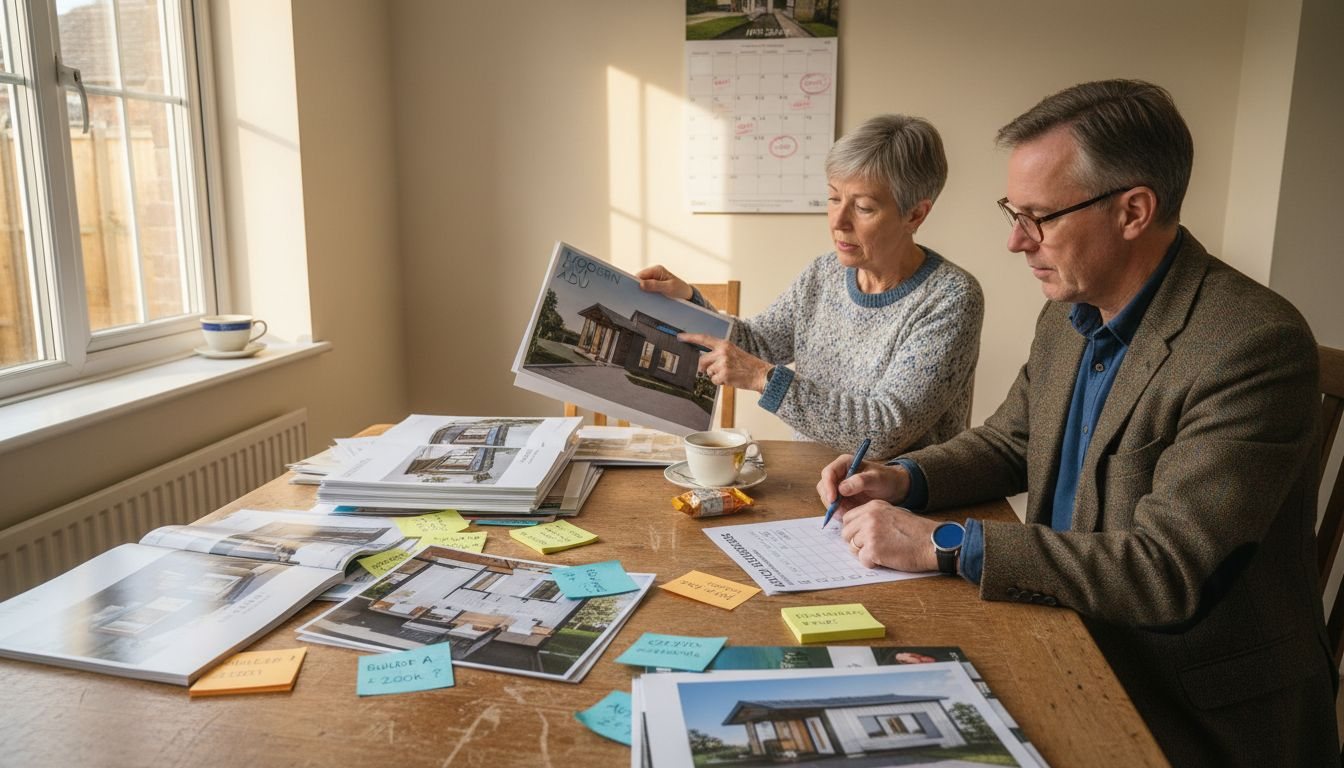
When examining builder portfolios and client testimonials, look beyond surface level aesthetics and delve deeper into the substantive details of their previous projects. Seek out comprehensive visual documentation that showcases their range of ADU designs, technical complexity, and adaptability to different Southern Californian property landscapes. Pay close attention to projects similar to your specific vision whether that involves a detached unit, garage conversion, or second storey addition. Client reviews should provide more than just star ratings look for detailed narratives that highlight the builder’s communication skills, problem solving abilities, adherence to timelines, and capacity to manage unexpected construction challenges.
Expand your research methodology by requesting comprehensive case studies from potential builders. Arrange face to face or virtual meetings where you can directly examine physical portfolios, discuss specific project examples, and request references from clients with projects comparable to your own. During these interactions, probe into their technical expertise, understanding of local building codes, sustainability practices, and ability to provide innovative solutions tailored to your unique property constraints. A truly exceptional ADU builder will not just present a portfolio but will actively engage in a dialogue that demonstrates their depth of knowledge and commitment to delivering exceptional results.
Professional Recommendation: Create a systematic evaluation matrix that scores potential builders across multiple criteria including design versatility, technical expertise, client communication, project management skills, and demonstrated ability to navigate complex local building regulations.
Use this overview to compare critical builder evaluation criteria during your selection process:
| Evaluation Area | Key Factors to Consider | Influence on Final Choice |
|---|---|---|
| Portfolio Quality | Design diversity, technical detail | Matches vision, ensures capability |
| Client Reviews | Communication, reliability | Reflects builder professionalism |
| Regulatory Knowledge | Understanding of local codes | Minimises risk of non-compliance |
| Contract Transparency | Clear terms, defined deliverables | Builds trust, avoids disputes |
Step 4: Verify credentials and local code compliance
Verifying an ADU builder’s credentials represents a critical safeguard in protecting your substantial property investment. Your comprehensive investigation will serve as a foundational shield against potential legal and construction complications that could derail your entire project.
Start by conducting a thorough examination of each potential builder’s professional credentials. Investigate ADU contractor licensing requirements through California State licensing boards, ensuring they possess current certifications specific to residential construction and accessory dwelling unit development. Request and independently verify their contractor licence number, checking for any disciplinary actions or unresolved complaints. Beyond basic licencing, scrutinise their insurance coverage including general liability and workers compensation policies. These documents will protect you from potential financial risks associated with on site accidents or property damage during construction.
Local building code compliance demands meticulous attention to Southern California’s unique regulatory landscape. Each municipality within Orange County, Los Angeles County, and Riverside County maintains specific zoning restrictions and construction guidelines that can significantly impact your ADU project. Engage potential builders in detailed discussions about their understanding of these localised regulations. An exceptional ADU contractor will demonstrate comprehensive knowledge of setback requirements, height restrictions, parking considerations, and potential design limitations specific to your neighbourhood. Request documentation proving their recent experience navigating these complex regulatory environments and their track record of successful permit acquisitions.
Professional Recommendation: Compile a comprehensive verification checklist that includes licence status, insurance validation, professional references, and demonstrated understanding of local building codes before making your final builder selection.
Step 5: Review contracts and inspect past ADU projects
Navigating the complex terrain of ADU builder contracts requires a strategic and meticulous approach. Your goal is to transform the contract review process from a mundane administrative task into a comprehensive evaluation of your potential builder’s professionalism and commitment to quality.
Thoroughly reviewing construction contracts demands careful attention to every nuanced detail. Scrutinise each section with forensic precision examining project timelines, precise cost breakdowns, material specifications, and comprehensive warranty provisions. Pay close attention to clauses addressing potential scope changes, unexpected site complications, and dispute resolution mechanisms. A robust contract should clearly articulate responsibilities for both parties transparent communication channels for addressing potential challenges and explicit performance expectations.
Proceed beyond contract analysis by physically inspecting completed ADU projects that mirror your envisioned development. Request comprehensive site visits to examine the builder’s craftsmanship firsthand. During these inspections, evaluate structural integrity, design sophistication, material quality, and attention to finishing details. Engage previous clients in candid discussions about their experiences documenting communication effectiveness project management skills and ability to navigate complex construction scenarios. Look for consistent patterns of excellence technical innovation and a demonstrated commitment to exceeding client expectations.
Professional Recommendation: Create a standardised evaluation matrix that scores potential builders across multiple contract and project performance criteria including transparency, technical expertise, communication quality, and proven track record of successful ADU implementations.
Choose Your Trusted ADU Builder for Unmatched Results
Navigating the complex process of selecting the right ADU builder can feel overwhelming, especially when you need assurance that your vision will be executed flawlessly within Southern California’s strict building codes. Understanding key challenges such as verifying credentials, comparing portfolios, and ensuring local code compliance are essential steps discussed in our article. If you want to avoid costly mistakes and ensure your ADU project adds real value while meeting your specific goals, expert guidance is critical.
Discover how The ADU Pro specialises in crafting custom accessory dwelling units that precisely match your needs. From detailed initial planning to award-winning craftsmanship, our team supports you through every phase including permitting, design, and construction in Orange County, Los Angeles County, and Riverside County. Take the first step towards creating a functional and stylish living space by exploring our comprehensive custom ADU solutions. Act now to experience a seamless process and a trusted partnership dedicated to superior quality that lasts.
Frequently Asked Questions
How can I assess my ADU requirements before selecting a builder?
Begin by clarifying your objectives for the Accessory Dwelling Unit (ADU). Determine factors such as budget, size, and intended use, and create a project brief outlining your specific needs.
What should I look for when researching local ADU builders?
Focus on builders’ experience specifically in ADU construction, their understanding of local zoning regulations, and their past project portfolios. Arrange consultations to gauge their communication and technical expertise.
How do I compare different ADU builders effectively?
Create an evaluation matrix that scores builders based on criteria such as their portfolio quality, client reviews, regulatory knowledge, and contract transparency. This will help you make a data-driven decision during the selection process.
What credentials should I verify before hiring an ADU builder?
Verify their contractor licensing status, insurance coverage, and previous project references. Compile a checklist to ensure that all these critical aspects meet your project requirements before proceeding.
How can I ensure the contract with the ADU builder is comprehensive?
Review the contract meticulously for details on project timelines, cost breakdowns, and material specifications. Ensure it outlines clear responsibilities, communication channels, and dispute resolution mechanisms for a seamless project experience.
What should I consider when inspecting past ADU projects?
When inspecting completed projects, evaluate the craftsmanship, design quality, and materials used. Engage with previous clients to understand their experience with the builder regarding communication and project management.
Recommended
- ADU Builders in Orange County: Best Practices & Advice – The ADU Pro®
- ADU Builders: How to Choose the Right Contractor for Your Project – The ADU Pro®
- How to Choose the Right ADU Contractor in Southern California – The ADU Pro®
- https://aduwestcoast.com/ultimate-guide-adu-design-construction/ – The ADU Pro®