
Reading contractor reviews for an ADU project is one of the most important steps a Southern California homeowner can take before committing to a builder. An accessory dwelling unit (ADU) is a self-contained residential space added to an existing property — and building one is a significant financial and logistical commitment. Therefore, understanding how to find, read, and interpret contractor reviews can save you from costly mistakes and help you select a builder who truly delivers.
According to a BrightLocal consumer survey, 98% of people read online reviews for local businesses before making a purchase decision. For high-stakes projects like ADU construction, that number is likely even higher. This guide walks you through exactly what to look for, where to look, and how to use reviews alongside other vetting tools.
What Are Contractor Reviews for ADU Projects?
Contractor reviews for ADU projects are first-hand accounts from homeowners who have hired a builder to design and construct an accessory dwelling unit. These reviews typically cover the contractor’s communication, adherence to timelines, permit handling, craftsmanship, and overall professionalism. In short, they give you a realistic preview of what working with a specific contractor actually looks like.
ADU-specific reviews are more valuable than general contractor feedback because they address challenges unique to this type of build. For example, a reviewer might describe how the contractor navigated California’s complex ADU permitting process or handled a garage conversion in a neighborhood with strict HOA rules. These details are far more useful than a generic five-star rating.

Carefully reading contractor reviews for an ADU project helps homeowners identify the most trustworthy builders before signing any contract.
Where to Find Reliable ADU Contractor Ratings
Not all review platforms are created equal. For ADU contractor research, these are the most trustworthy sources:
- Google Reviews — High volume, difficult to fake at scale, and prominently displayed in search results.
- Yelp — Strong in Southern California, with robust fraud detection algorithms.
- Houzz — Specifically designed for home improvement professionals, with project photos alongside reviews.
- California Contractors State License Board (CSLB) — Not a review platform, but essential for verifying licensing and checking complaint history.
- Nextdoor — Hyper-local recommendations from verified neighbors in your specific community.
Cross-referencing at least three of these sources gives you a well-rounded view. Furthermore, a contractor with strong ratings across multiple independent platforms is far more credible than one with a perfect score on a single site.
How Many Reviews Is Enough?
Volume matters. A contractor with 50 reviews averaging 4.6 stars is generally more trustworthy than one with 5 reviews averaging 5.0 stars. As a rule of thumb, look for a minimum of 15 to 20 verified reviews before drawing conclusions. In addition, prioritize recent reviews — ideally from the past 12 to 18 months — since contractor quality can change over time.
How to Read ADU Builder Feedback Like a Pro
Reading reviews strategically is a skill. Rather than simply averaging star ratings, look for recurring themes. Specifically, pay attention to these categories:
- Permit and zoning handling — Did the contractor manage the permitting process smoothly?
- Timeline accuracy — Were projects completed on or near the promised schedule?
- Budget transparency — Were there unexpected cost overruns, or was pricing clear from the start?
- Communication quality — Did the contractor keep homeowners informed throughout the build?
- Post-completion support — Did the contractor address any issues that arose after the project was finished?
If two or more reviews mention the same problem — for example, delayed permits or poor communication — treat that as a pattern rather than a fluke. Conversely, consistent praise in a specific area is a reliable positive signal.
Spotting Fake or Misleading Reviews
Unfortunately, not every review online is genuine. Watch for these warning signs of fabricated feedback:
- A sudden cluster of five-star reviews posted within a short time window.
- Overly generic language with no specific project details.
- Reviewer profiles with no other review history.
- Responses from the contractor that seem scripted or copy-pasted.
In contrast, authentic reviews typically include specific details such as the ADU type, approximate timeline, city or neighborhood, and named team members. These specifics are difficult to fabricate convincingly at scale.
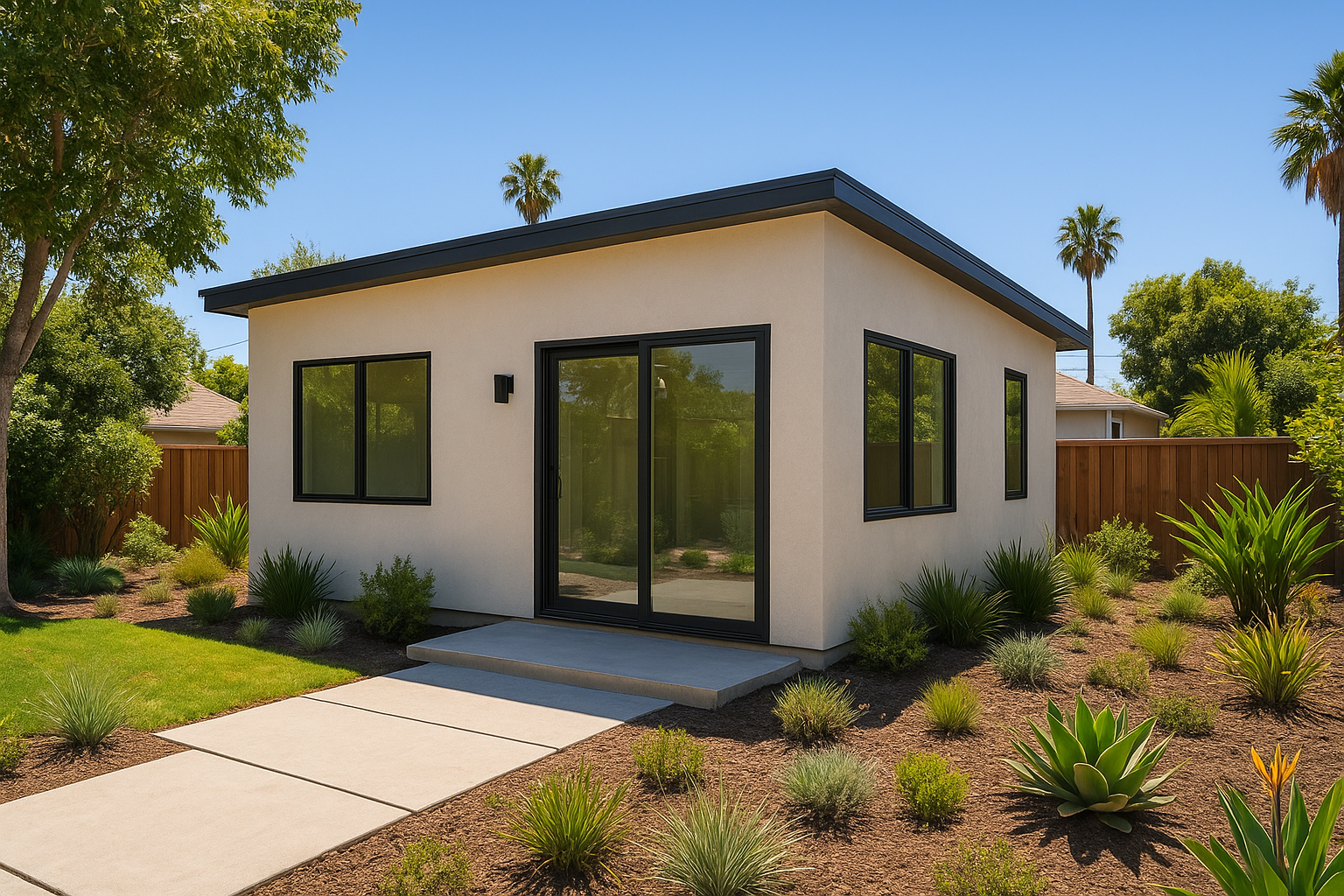
A well-built detached ADU adds significant property value — choosing the right contractor based on verified reviews makes all the difference.
Step-by-Step Guide to Vetting an ADU Contractor
Following a structured process ensures you evaluate every contractor fairly and thoroughly. Here is a proven five-step approach:
- Search multiple review platforms. Begin on Google Reviews, Yelp, and Houzz. Search the contractor’s name and collect feedback from all available sources before forming an opinion.
- Verify the contractor’s license on CSLB. Visit cslb.ca.gov and enter the license number. Confirm it is active, properly classified (Class B General Building Contractor for most ADU work), and free of complaints or disciplinary actions.
- Analyze reviews for ADU-specific feedback. Search within reviews for keywords like “permit,” “ADU,” “garage conversion,” or “inspection.” This filters out general remodeling feedback and surfaces the most relevant experiences.
- Request direct references from past ADU clients. Ask the contractor to provide two or three homeowners you can contact directly. Prepare specific questions about timeline, budget accuracy, and permit handling before each call.
- Compare bids and reputation data side by side. Place each contractor’s itemized bid next to their review summary, license status, and reference feedback. The lowest bid is rarely the best choice if the reviews tell a different story.
This methodical approach is especially important in Southern California, where ADU regulations vary significantly between cities and counties. A contractor experienced in Orange County permitting may not be equally prepared for Riverside County requirements, so local expertise matters enormously.
Why Local ADU Contractor Experience Matters in Southern California
California has some of the most progressive — and complex — ADU laws in the nation. Since 2020, the state has passed multiple rounds of legislation streamlining ADU approvals, but local municipalities still impose their own specific requirements. As a result, a contractor who builds ADUs exclusively in Southern California brings irreplaceable knowledge of local building departments, utility providers, and inspection processes.
When reviewing a contractor’s feedback, specifically look for mentions of cities in Orange County, Los Angeles County, or Riverside County. Reviews from homeowners in your specific area carry the most weight. For example, if you are in Ontario or Sun City, reviews from those communities are far more relevant than feedback from projects completed in another region.
If you are exploring options in the Inland Empire, you can learn more about vetted local builders by visiting resources like the ADU contractor Ontario and ADU contractor Sun City pages at theadupro.com. These pages provide region-specific contractor information that complements your independent review research.
Questions to Ask After Reading Reviews
Once you have gathered reviews, bring these questions to your contractor consultation:
- How many ADU projects have you completed in my specific city or county?
- Can you walk me through how you handle the permitting process?
- What is your process when unexpected issues arise during construction?
- How do you communicate project updates to homeowners throughout the build?
- What does your warranty or post-completion support look like?
A contractor’s answers to these questions should align with what past clients have written in their reviews. Inconsistencies between the two are a red flag worth investigating further. For additional guidance on selecting the right builder, the guide to choosing the right ADU contractor on theadupro.com offers a thorough breakdown of the decision-making process.

A strong working relationship with your ADU contractor begins with thorough research — including reading verified contractor reviews before any agreement is signed.
Red Flags to Avoid When Evaluating ADU Builder Feedback
Even experienced homeowners can overlook warning signs buried in contractor reviews. Therefore, keep this checklist handy as you evaluate builders:
- Multiple reviewers mention the same permit delays or unresolved inspection failures.
- The contractor has not responded to any negative reviews — or responds defensively.
- Reviews mention subcontractors who were difficult to manage or unprofessional.
- Pricing in reviews significantly differs from the contractor’s quoted bid.
- No reviews mention ADU-specific projects — only general remodeling work.
Conversely, a contractor who responds thoughtfully to critical reviews — acknowledging the issue and explaining how it was resolved — demonstrates a level of professionalism and accountability that is genuinely reassuring. You can also browse contractor-specific content on theadupro.com’s contractor resource hub for additional vetting tips.
Frequently Asked Questions About Contractor Reviews for ADU Projects
What should I look for in contractor reviews for an ADU project?
Look for reviews that mention timeline adherence, permit handling, communication quality, and final build quality. Specific details about the ADU type and location add credibility to any review. Generic praise without project specifics is less reliable.
How many reviews should an ADU contractor have before I hire them?
A reputable ADU contractor should have at least 15 to 20 verified reviews across multiple platforms. A higher volume of consistent positive feedback generally indicates reliable, repeatable performance.
Where can I find trustworthy ADU contractor reviews?
Google Reviews, Yelp, Houzz, and the California Contractors State License Board (CSLB) website are reliable sources. Cross-referencing multiple platforms gives you a more balanced picture.
Can I trust a contractor with only five-star reviews?
A perfect rating can sometimes indicate filtered or fake reviews. Look for contractors who have responded professionally to any negative feedback, as this shows accountability and transparency.
How do contractor reviews differ for ADU projects versus standard home renovations?
ADU projects involve unique challenges like permitting, zoning compliance, and utility connections. Reviews specific to ADU builds are more relevant than general remodeling feedback when evaluating a contractor.
Should I ask an ADU contractor for references in addition to online reviews?
Yes, always request at least two to three direct references from past ADU clients. Speaking directly with previous homeowners gives you insight that online reviews may not fully capture.
What red flags should I watch for in ADU contractor reviews?
Watch for repeated complaints about missed deadlines, unexpected cost overruns, poor communication, or unresolved permit issues. A pattern of similar complaints across multiple reviews is a serious warning sign.
How do I verify that an ADU contractor is licensed in California?
Use the California Contractors State License Board (CSLB) online license check at cslb.ca.gov to verify a contractor’s license number, status, and any disciplinary actions. This step is non-negotiable before signing any contract.
Does a high review rating guarantee a quality ADU build?
Not necessarily. High ratings are a positive signal, but you should also verify licensing, insurance, and portfolio quality. Reviews combined with in-person consultations provide the most complete picture.
How much does a typical ADU contractor charge in Southern California?
ADU construction costs in Southern California typically range from $150,000 to $300,000 or more depending on size, type, and location. Always get itemized quotes from at least three contractors before committing.
What is the best way to compare multiple ADU contractors using reviews?
Create a simple comparison sheet noting each contractor’s average rating, number of reviews, recurring themes, and license status. This structured approach makes it easier to identify the strongest candidate.
Do ADU contractor reviews mention permit experience?
The best reviews often highlight whether the contractor handled permitting smoothly. In California, ADU permitting is complex, so this detail is especially important to look for in any review.
Conclusion: Use Contractor Reviews to Build Smarter
Reading contractor reviews for an ADU project is not just a starting point — it is an ongoing part of your due diligence throughout the contractor selection process. By combining verified online reviews with license checks, direct references, and in-person consultations, you dramatically improve your chances of hiring a builder who will deliver on time, on budget, and to a high standard of quality. Southern California homeowners have more ADU contractor options than ever before, and consequently, the ability to distinguish great builders from mediocre ones has never been more valuable. Start your search with trusted resources like theadupro.com, where top-rated ADU specialists serving Orange County, Los Angeles County, and Riverside County are ready to help you turn your property’s potential into reality.