
Southern California home additions are, hands down, one of the smartest moves a homeowner in Los Angeles, Orange County, San Diego, or the Inland Empire can make right now. Whether you want a rental unit in the backyard, an extra bedroom for a growing family, or a finished garage that adds real square footage, an addition can boost your daily living space and your property’s resale value at the same time. Because land here is scarce and expensive, building up or out on the lot you already own is often far more cost-effective than trying to buy a bigger house.
According to the California Department of Housing and Community Development, ADU permit applications statewide have surpassed 23,000 in a single year. That number alone tells you homeowners across the region are moving on this opportunity. As a result, this guide walks through every stage of a Southern California home addition — types, costs, permits, timelines, regional quirks, financing, and design — so you can plan with total confidence instead of guesswork.
What Are Southern California Home Additions?
In simple terms, Southern California home additions are any structural project that increases the livable square footage of an existing residential property. That can mean a room bolted onto the side of the house, or it can mean a completely separate structure with its own kitchen, bathroom, and entrance — what’s known as an accessory dwelling unit (ADU), a self-contained secondary home built on the same lot as your primary residence.
Specifically, the term “home addition” covers several distinct project categories, and each one carries its own permitting path, price tag, and design considerations. Understanding those differences up front is what separates a smooth project from a stressful one — so let’s break each type down.
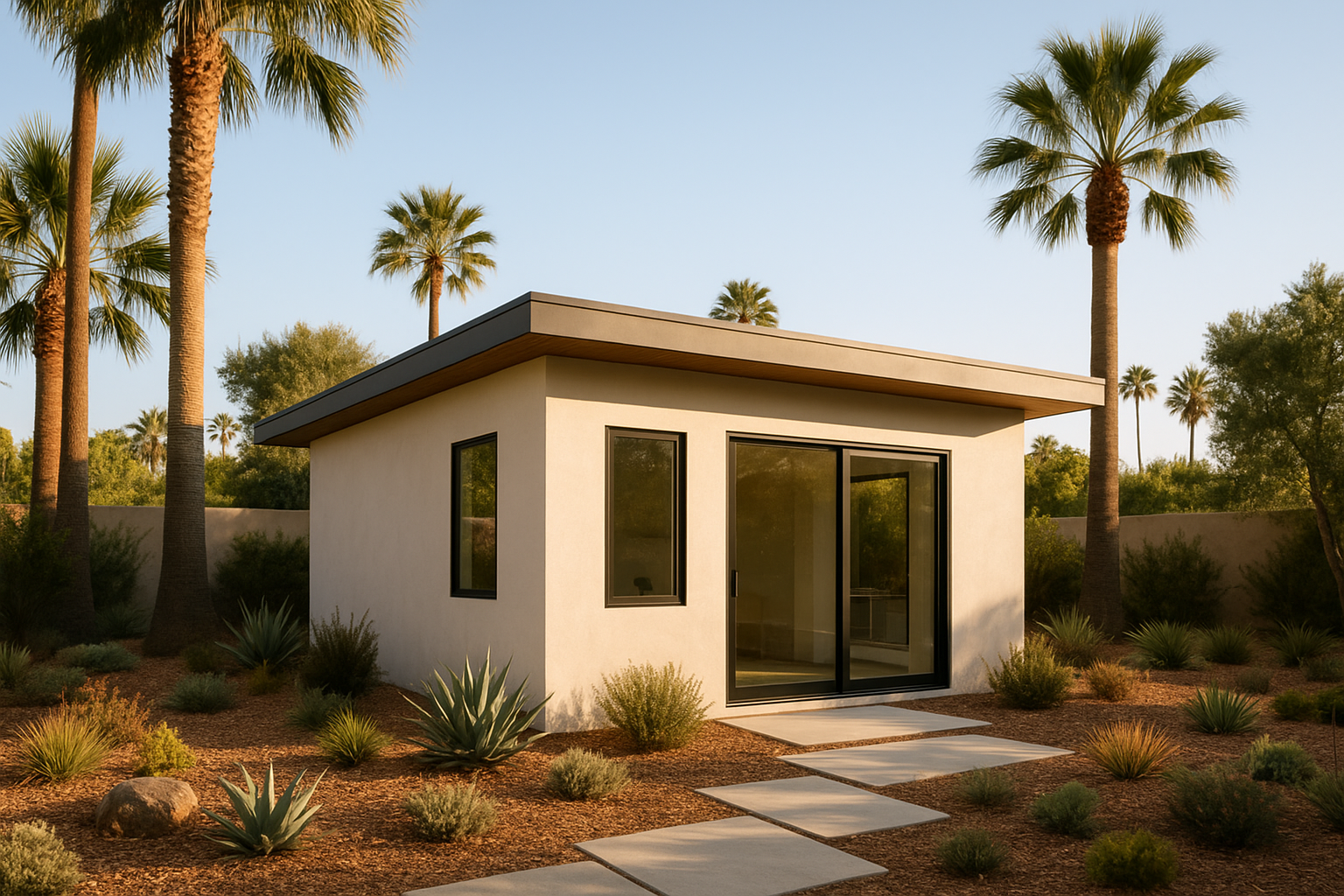
A detached ADU is one of the most popular Southern California home additions, offering a fully independent living space right in your existing backyard.
Home Addition Types Available Across Southern California
Southern California homeowners have more options today than ever before. Each addition type offers a different mix of cost, complexity, and long-term return, so matching the right one to your lot and goals matters enormously.
Detached Accessory Dwelling Units (ADUs)
A detached ADU is a fully independent structure built in the backyard or on an unused corner of the lot. It includes its own kitchen, bathroom, sleeping area, and entrance, so it can be rented to long-term tenants or used as a private guest house. If you’re torn between this route and a traditional room addition, the ADU vs. home addition comparison breaks down which investment fits your goals best.
Attached Room Additions
Attached additions expand the footprint of the main house with rooms that connect directly to the existing structure. Common examples include primary bedroom suites, expanded kitchens, home offices, and family rooms. These work well when you want more space that flows naturally from your current floor plan without creating a second dwelling.
Garage Conversions
Garage conversions turn an existing attached or detached garage into fully habitable living space. Because California state law has streamlined the approval process for these projects, many homeowners find garage conversions to be one of the most cost-effective ways to add square footage. For a deeper walkthrough of planning one, this complete feature guide for Southern California homeowners is an excellent place to start.
Junior ADUs (JADUs)
Junior ADUs are smaller units — up to 500 square feet — built entirely within the existing walls of the primary residence. Typically, homeowners convert a bedroom or interior space into a self-contained unit with a kitchenette. Because JADUs are subject to fewer restrictions, they often cost less to build than a full detached ADU.
Second-Story Additions and Bump-Outs
When your lot is too small for a backyard structure, building up is often the answer. A second-story addition adds an entire new level above the existing footprint, while a bump-out simply extends a single room outward by a few feet. Both options are pricier per square foot than ground-level construction because they require structural reinforcement, but they preserve yard space — a major plus on the tight lots common throughout Los Angeles and Orange County.
For a closer look at how a detached unit compares to these other formats in real living scenarios, this living space additions guide for homeowners covers layout ideas and everyday practicality in more depth.
Southern California Home Addition Costs, Explained
Cost is usually the first question homeowners ask, and rightly so. According to HomeAdvisor’s national cost data, home additions typically run $80 to $200 per square foot nationwide. However, Southern California’s labor market and land values push that figure meaningfully higher — generally $150 to $400 per square foot depending on project type and location.
For example, a 500-square-foot detached ADU in Orange County may cost between $100,000 and $200,000 all-in. In contrast, a garage conversion of similar size often runs $60,000 to $120,000 because the structure already exists. Therefore, your choice of addition type has a major impact on the final invoice.
| Addition Type | Typical Size | Estimated Cost |
|---|---|---|
| Detached ADU | 400–800 sq ft | $100,000–$300,000 |
| Garage Conversion | 300–500 sq ft | $60,000–$120,000 |
| Attached Room Addition | 200–600 sq ft | $90,000–$220,000 |
| Junior ADU (JADU) | Up to 500 sq ft | $40,000–$90,000 |
| Second-Story Addition | 300–900 sq ft | $180,000–$400,000+ |
Beyond the base build, several additional cost factors influence your final number:
- Site preparation and foundation work
- Utility connections (electrical, plumbing, HVAC)
- Permitting and plan-check fees
- Interior finishes and appliances
- Architect or designer fees
- Slope, soil, or drainage remediation on hillside lots
Financing Options for Your Home Addition
Most Southern California homeowners don’t pay cash out of pocket. Instead, common financing routes include a home equity line of credit (HELOC), a cash-out refinance, a dedicated construction loan, or a renovation loan that rolls the after-completion value into your mortgage. In addition, the state runs the CalHFA ADU Grant Program, which can reimburse up to $40,000 in pre-development costs for eligible homeowners building an ADU — a resource worth checking before you assume financing is out of reach.
Permits and Regulations for Southern California Home Additions
Navigating permits is one of the most important — and most misunderstood — parts of any project. In California, virtually all structural additions require a building permit from your local city or county building department. On top of that, ADU-specific projects are governed by state laws including AB 2221 and SB 9, which have significantly reduced local barriers to construction.
Permit timelines vary considerably. In some jurisdictions, plan-check approval takes as little as four weeks. In others — particularly in denser urban areas of Los Angeles County — the process can stretch to 12 weeks or more. Consequently, starting the permit process early is critical to keeping your project on schedule.
HOA, Coastal Zone, and Historic District Considerations
In addition to city or county permits, homeowners in a homeowners association (HOA) may need design approval before submitting plans. Similarly, properties within the California Coastal Zone often require a separate Coastal Development Permit, which can add several months to the timeline. Likewise, homes in designated historic districts — common in parts of Pasadena, Long Beach, and San Diego — may face stricter design review to preserve neighborhood character. Above all, check these overlays before you finalize your design so you’re not caught off guard mid-project.
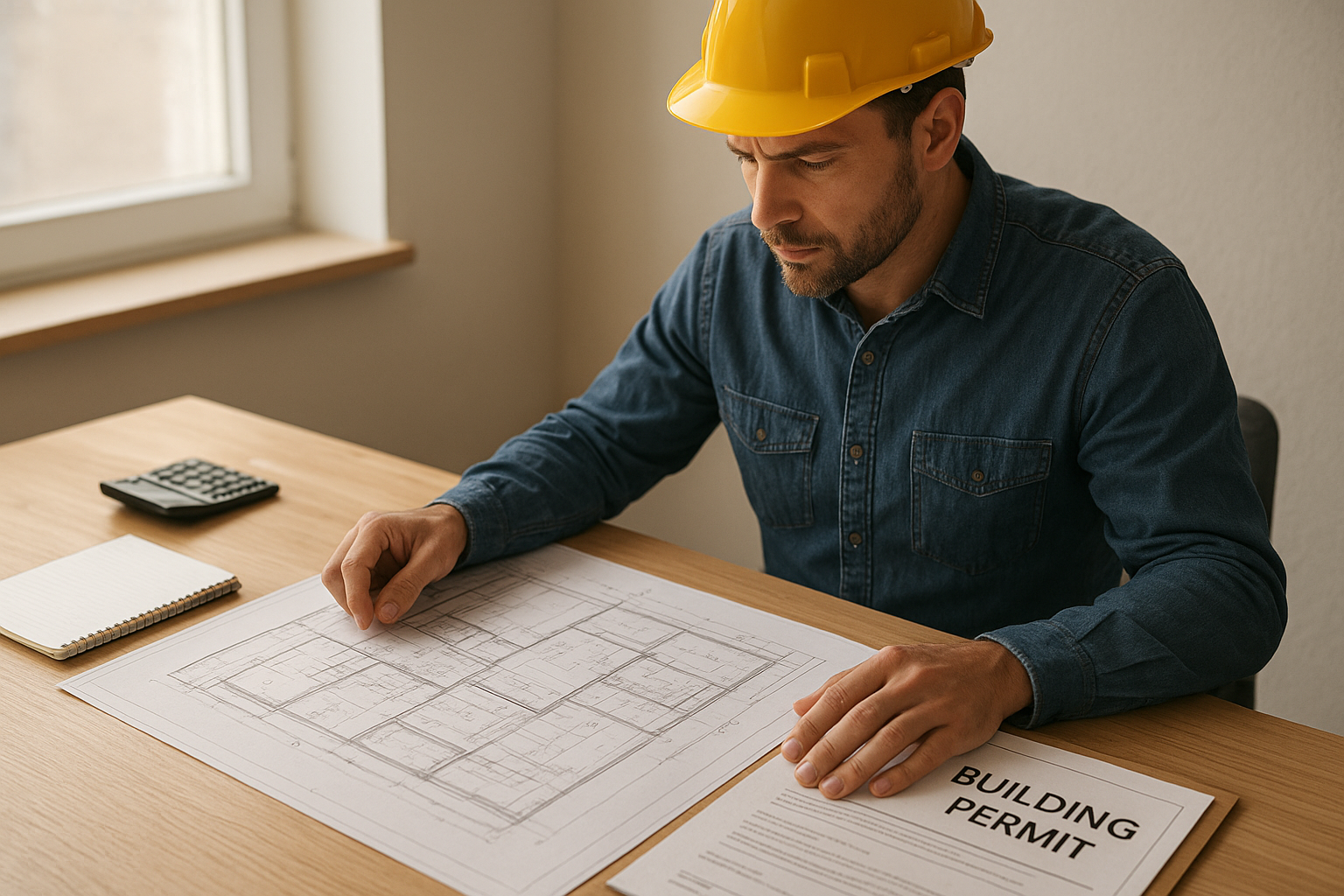
Professional contractors familiar with Southern California permitting requirements can significantly speed up approval for home additions.
Working with a contractor who understands local building codes and has established relationships with municipal plan checkers can dramatically reduce delays. The team at theadupro.com handles the entire permitting process on behalf of clients across Orange County, Los Angeles County, and Riverside County, so nothing falls through the cracks.
How to Plan and Build a Southern California Home Addition
Planning a successful home addition requires careful coordination across design, permitting, and construction. Below is the step-by-step process most Southern California homeowners follow, from first idea to final walkthrough.
- Define your goals and budget. Decide whether the addition is for rental income, multigenerational living, or personal use, then set a realistic budget that includes design, permits, construction, and a 10–15% contingency buffer.
- Choose the right addition type. Evaluate your lot size, zoning restrictions, and financial goals to select the most appropriate option — detached ADU, attached room addition, garage conversion, second-story build, or JADU.
- Hire a licensed local contractor. Select a contractor licensed with the California Contractors State License Board (CSLB) who has hands-on experience with local permitting, then verify references. Learn more about the role of ADU contractors in your project’s success.
- Complete design and submit permits. Work with your contractor’s design team to finalize architectural plans, then submit permit applications and allow 4 to 12 weeks for approval depending on your city or county.
- Select interior finishes and customizations. Choose flooring, cabinetry, fixtures, and layout details early so materials arrive on schedule instead of delaying framing or drywall crews later on.
- Begin construction and pass inspections. Once permits are approved, your contractor schedules all required inspections — foundation, framing, electrical, plumbing — and obtains final sign-off from the building department.
- Finalize utilities and move in or rent it out. After final inspection, connect utility meters, complete a walkthrough with your contractor, and either move in yourself or begin listing the unit for tenants.
If you’re wondering how quickly this can all come together, this guide on creating your ADU faster than you think breaks down realistic timelines for the Southern California market.
Regional Guide: Home Additions by Southern California County
Southern California isn’t one market — it’s several, each with its own permitting quirks and cost realities. Understanding your specific county helps you set expectations before you break ground.
Los Angeles County
Los Angeles County has some of the busiest plan-check offices in the state, so permit timelines here tend to run on the longer end — often 8 to 12 weeks. However, high property values also mean the strongest rental income and resale premiums for ADUs in the region.
Orange County
Orange County generally offers faster plan-check turnaround than Los Angeles, particularly in suburban cities. That said, coastal communities like Newport Beach or Laguna Beach may add Coastal Commission review on top of standard permitting.
Riverside County and the Inland Empire
Riverside County typically offers larger lots and lower land costs, which makes detached ADUs and second-story additions more attainable per square foot. Consequently, homeowners here often see a faster payback period on rental income relative to build cost.
San Diego County
San Diego has embraced ADU-friendly policy changes aggressively, including incentive programs for affordable and multigenerational units. As a result, it’s become one of the most active ADU markets in the entire state.
Why Southern California Is Prime Territory for Home Additions
Southern California’s real estate market makes home additions especially attractive. Property values in Orange County, Los Angeles, and the Inland Empire rank among the highest in the nation. Therefore, adding livable square footage — whether through an ADU or a traditional room addition — tends to deliver strong returns on investment.
Furthermore, California’s housing shortage has created robust rental demand. A well-built ADU in a desirable neighborhood can generate $1,500 to $3,000 or more per month in rental income, helping homeowners offset mortgage costs or build long-term wealth. According to Zillow Research, properties with ADUs sell for a measurable premium compared to comparable homes without them.
In addition, California’s evolving ADU laws — including streamlined ministerial approval, reduced fees for smaller units, and relaxed setback requirements — have made the process more accessible than ever. As a result, homeowners who might have hesitated in the past are now moving forward with confidence.
Design Trends Shaping Southern California Home Additions
Beyond square footage, design choices heavily influence how much value an addition adds. Indoor-outdoor living remains a defining theme, with large sliding glass doors and covered patios connecting new rooms to the yard. In addition, sustainable materials — like recycled composite decking and drought-tolerant landscaping — are increasingly popular given the region’s climate.
If you’re building a detached ADU, thoughtful customization can make a huge difference in both livability and rental appeal. This guide to ADU customization ideas covers layout tricks, storage solutions, and finish choices worth considering. Similarly, if the unit will function as a guest house, it’s worth reviewing the best interior features for a guest house ADU before finalizing your floor plan.
Common Mistakes to Avoid When Planning a Home Addition
Even well-intentioned homeowners run into avoidable snags. Watch for these common pitfalls:
- Underestimating permit timelines and starting construction plans too late
- Choosing exterior materials or rooflines that clash with the existing home
- Failing to plan for utility upgrades, especially electrical panel capacity
- Skipping a soils or drainage assessment on sloped or older lots
- Not budgeting a contingency fund for change orders mid-construction
- Hiring a contractor without confirming CSLB licensing and local permitting experience
Working with an experienced local contractor helps you sidestep nearly all of these issues before they become expensive problems.
Choosing the Right Contractor for Your Addition
Your contractor choice is arguably the single most important decision in any home addition project. Specifically, you want a team that combines local regulatory knowledge, design expertise, and proven construction quality. A contractor who has completed dozens of ADU and addition projects in your county will navigate challenges far more efficiently than a general contractor with limited local experience.
theadupro.com serves homeowners across Orange County, Los Angeles County, and Riverside County, guiding clients through every phase — from initial design and permitting to full construction and final inspection. Their reputation as a top-rated contractor in the region reflects transparent communication and high-quality craftsmanship on every project.
Quick Answer: Southern California home additions — including ADUs, garage conversions, second-story builds, and attached room additions — are a proven way to increase property value and generate rental income. The process involves selecting the right addition type, securing permits, budgeting for financing, and working with a licensed local contractor who understands California’s regulations.
Frequently Asked Questions About Southern California Home Additions
What are Southern California home additions?
Southern California home additions are structural expansions added to an existing residence, including room additions, attached guest suites, garage conversions, and ADUs. They increase livable square footage and can significantly boost property value.
How much does a home addition cost in Southern California?
Costs typically range from $150 to $400 per square foot depending on the type of addition, materials, and local labor rates. A 500-square-foot addition in Orange County or Los Angeles County can run between $75,000 and $200,000 or more.
Do I need a permit for a home addition in California?
Yes, virtually all structural home additions in California require building permits from your local municipality. Permits ensure the work meets California Building Code standards and protect your investment long-term.
What is the difference between an ADU and a traditional home addition?
A traditional home addition expands the main living space and remains part of the primary residence, while an ADU is a self-contained secondary dwelling unit with its own kitchen, bathroom, and entrance. ADUs can be rented independently, making them a strong income-generating option.
How long does it take to build a home addition in Southern California?
Most home additions take between 3 and 9 months from design to completion. Permitting alone can take 4 to 12 weeks depending on the county, so planning ahead is essential.
Can I convert my garage into a living space in California?
Yes, California law allows garage conversions into ADUs or habitable rooms under AB 2221 and SB 9 guidelines. Your local building department will require permits, and the conversion must meet minimum ceiling height, ventilation, and egress requirements.
Will a home addition increase my property taxes in California?
Yes, adding square footage generally triggers a reassessment of the new addition only — not the entire home — under Proposition 13. According to the California State Board of Equalization, the increase is typically modest relative to the value gained.
What types of home additions are most popular in Southern California?
The most popular options include detached ADUs, garage conversions, attached room additions, second-story additions, and junior ADUs (JADUs). ADUs are especially popular because they can generate rental income while adding long-term property value.
How do I choose the right contractor for a home addition in Southern California?
Look for a licensed, insured contractor with demonstrated experience in local permitting and ADU or addition projects. Ask for references, review past projects, and confirm they handle the full process from design through final inspection.
What are common mistakes to avoid when planning a home addition?
Common mistakes include underestimating permit timelines, choosing materials that don’t match the existing structure, and failing to plan for utility upgrades. Working with an experienced local contractor helps avoid costly errors.
Can a home addition be used for multigenerational living?
Absolutely. Many Southern California homeowners add attached suites or detached ADUs specifically to house aging parents, adult children, or extended family. These additions offer privacy while keeping loved ones close.
What setback rules apply to home additions in Southern California?
Setback requirements vary by city and county, but California state law has relaxed many ADU setback rules to encourage construction. Generally, ADUs must maintain at least a 4-foot rear and side setback in most jurisdictions.
Do I need an architect for a home addition, or can my contractor handle design?
Many design-build contractors, including full-service ADU companies, offer in-house design teams that eliminate the need for a separate architect. This can streamline communication and often reduces overall project cost.
Is financing available specifically for Southern California ADU construction?
Yes. Options include HELOCs, cash-out refinances, renovation loans, and state-backed programs like the CalHFA ADU Grant Program, which can reimburse pre-development costs for qualifying homeowners.
Conclusion
Southern California home additions represent a powerful opportunity to expand your living space, accommodate family, and build lasting financial value. Whether you choose a detached ADU, a garage conversion, a second-story build, or an attached room addition, success comes down to careful planning, a realistic budget, and a trusted local contractor who knows the permitting landscape inside and out. With California’s supportive ADU laws, active financing programs, and a strong regional real estate market, there has never been a better time to invest in your property. Take the first step today by exploring your options with a qualified contractor who can guide you from concept to completion.