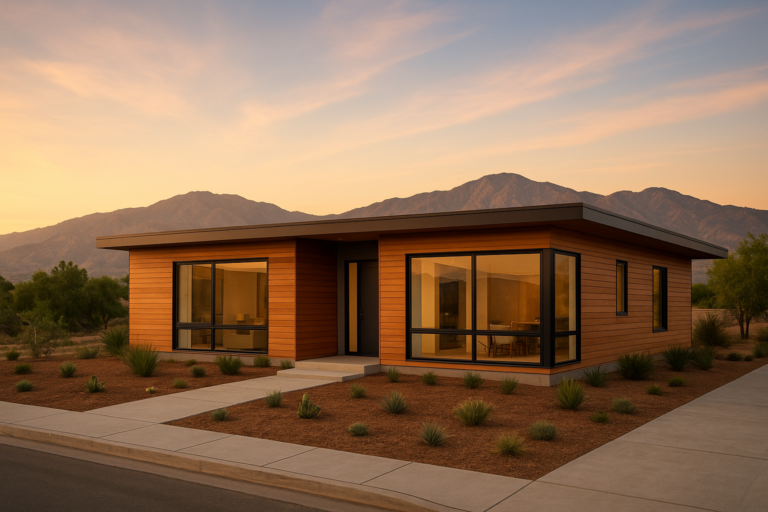
A modular home CA project starts with understanding how factory-built construction fits into the state’s housing rules, and that distinction matters more than most homeowners expect. Modular homes are built off-site in sections, then transported and assembled on a permanent foundation, following the same California Building Standards Code that applies to traditional stick-built houses. For homeowners across Orange County, Los Angeles County, and Riverside County, modular construction has become a popular route toward faster builds, predictable costs, and additional living space. Because zoning and permitting rules vary by city, however, working with an experienced local contractor is often the difference between a smooth project and a stalled one.
Quick answer: A modular home in CA is a factory-built house constructed in sections to the state’s building code, then assembled on-site on a permanent foundation. It differs from a manufactured home, which follows federal HUD code instead, and typically costs 10-20% less than comparable site-built construction.
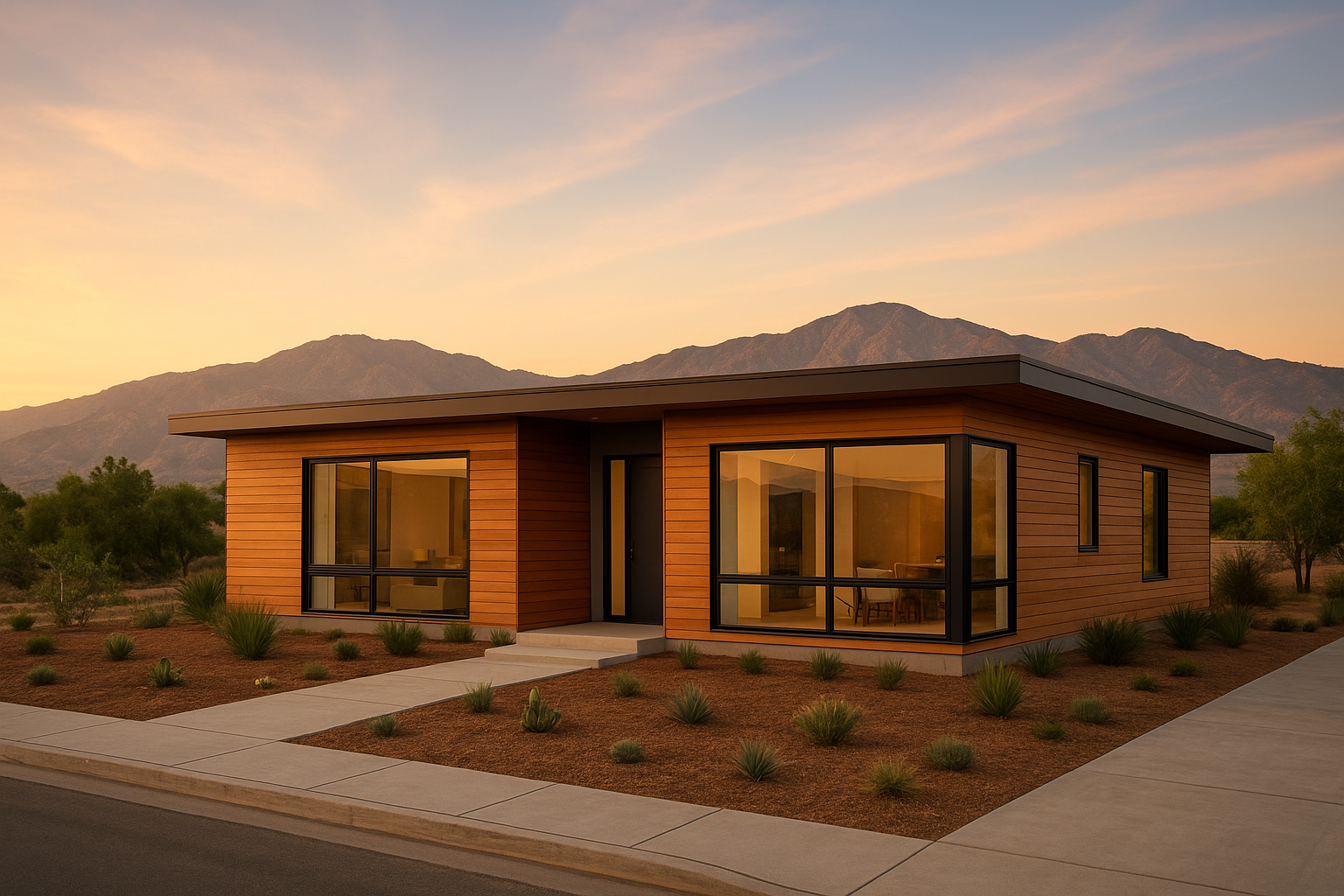
A finished modular home CA build combines factory efficiency with permanent, code-compliant construction.
What Is a Modular Home in California?
A modular home in California is a residence built in sections inside a factory, then shipped to the home site and joined together on a permanent foundation. Because these homes meet the California Building Standards Code rather than the federal HUD code used for manufactured housing, they can typically be financed and insured the same way as a traditional site-built home.
Furthermore, modular construction has grown popular among Southern California homeowners who want to add a detached ADU, replace an aging structure, or build a full primary residence without the long timelines associated with conventional framing. In particular, factory conditions protect materials from weather delays, which means fewer schedule surprises. Consequently, many builders finish a modular shell in weeks rather than months, though site work such as foundation prep and utility hookups still takes additional time. According to the U.S. Census Bureau’s Survey of Construction, factory-built housing has steadily gained market share nationwide as buyers look for cost-efficient alternatives to conventional construction.
Modular Homes vs. ADUs vs. Manufactured Homes
Many homeowners use “modular,” “manufactured,” and “ADU” interchangeably, yet each term carries a distinct legal meaning in California. An accessory dwelling unit, or ADU, refers to a secondary living space on a residential lot, whether it’s a garage conversion, an attached addition, or a detached backyard structure. Modular is a construction method, not a housing category, so a modular ADU is simply an ADU built from factory sections instead of framed on-site board by board.
In contrast, a manufactured home is built entirely to federal HUD code and often remains on a steel chassis, which can affect financing and long-term value. As a result, most California ADU buyers who choose factory construction lean toward modular or panelized systems rather than HUD-code manufactured units. For a deeper breakdown of these categories, our prefabricated homes CA buyer’s guide compares pricing and code requirements side by side, and our prefab ADU buyer’s guide for SoCal focuses specifically on backyard units.
Modular Home CA Regulations and Permitting Requirements
Every modular home CA project must pass through the same plan check, zoning review, and inspection process as a traditional build. Additionally, the state’s Department of Housing and Community Development (HCD) certifies factory-built housing plans, while your local building department reviews site-specific items like setbacks, foundation design, and utility connections.
Because permitting timelines and ADU ordinances vary between Los Angeles, Orange, and Riverside counties, it helps to consult a resource built specifically for Southern California homeowners. Our team at theadupro.com guides clients through design, permitting, and construction for both traditional and modular ADU projects, ensuring plans meet each city’s current requirements before construction begins. For a full breakdown of statewide cost and code considerations, see our detailed guide on modular homes California costs, codes, and ADU options.
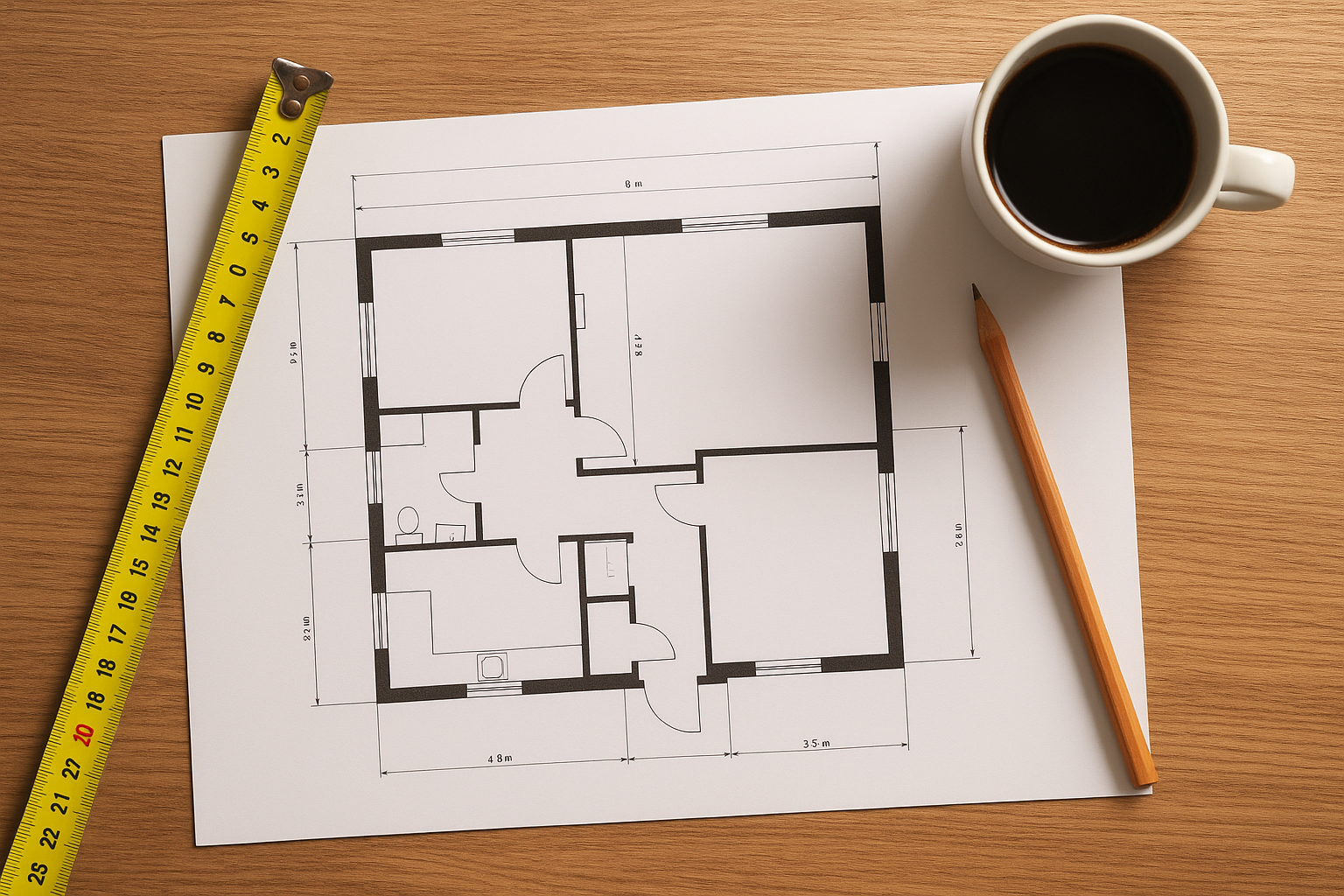
Permitting and plan review are essential early steps for any modular home CA build.
How Much Does a Modular Home Cost in California?
Modular home construction in California typically ranges from $150 to $300 per square foot, depending on finish level, site conditions, and location. Above all, this figure excludes land, permitting fees, and utility hookups, which can add a significant amount to the final total.
| Project Type | Typical Cost Range |
|---|---|
| Modular Junior ADU | $90,000 – $160,000 |
| Modular Detached ADU | $150,000 – $300,000 |
| Full Modular Home | $250,000 – $500,000+ |
These ranges are generally 10 to 20 percent lower than comparable stick-built projects, mainly because factory production reduces labor time and material waste. For a granular cost breakdown by city and unit type, our prefabricated homes cost and types guide walks through real project examples.
Step-by-Step: Building a Modular Home in Southern California
While every project has unique details, most modular home and modular ADU builds follow the same general sequence from start to finish.
- Evaluate your lot size, setbacks, and zoning designation to confirm whether a modular home or modular ADU is feasible on your property.
- Work with a local contractor to choose a floor plan and factory partner that meets California’s building code and your budget requirements.
- Submit plans to the local building department for plan check, zoning clearance, and any required HCD approvals before factory production starts.
- Grade the lot, install utility connections, and pour the engineered foundation while the modular sections are being built at the factory.
- Have the factory-built sections delivered and set onto the foundation by a crane crew, then connect structural, electrical, and plumbing systems on-site.
- Schedule building department inspections to verify structural connections, utility hookups, and code compliance before receiving your certificate of occupancy.
Design Options for Modular and Prefab ADUs in CA
Modular construction doesn’t mean sacrificing design flexibility. In fact, most manufacturers offer a range of layouts, from compact studio units to multi-bedroom floor plans suited for multigenerational households. Homeowners can typically choose exterior finishes, window placement, and interior fixtures within the manufacturer’s structural framework.
For inspiration on maximizing a small footprint, our article on smart ADU design ideas highlights layout strategies that work well in modular units. Similarly, our guide to functional ADU designs that maximize space and value covers practical storage and multi-use room concepts that translate directly to modular floor plans.
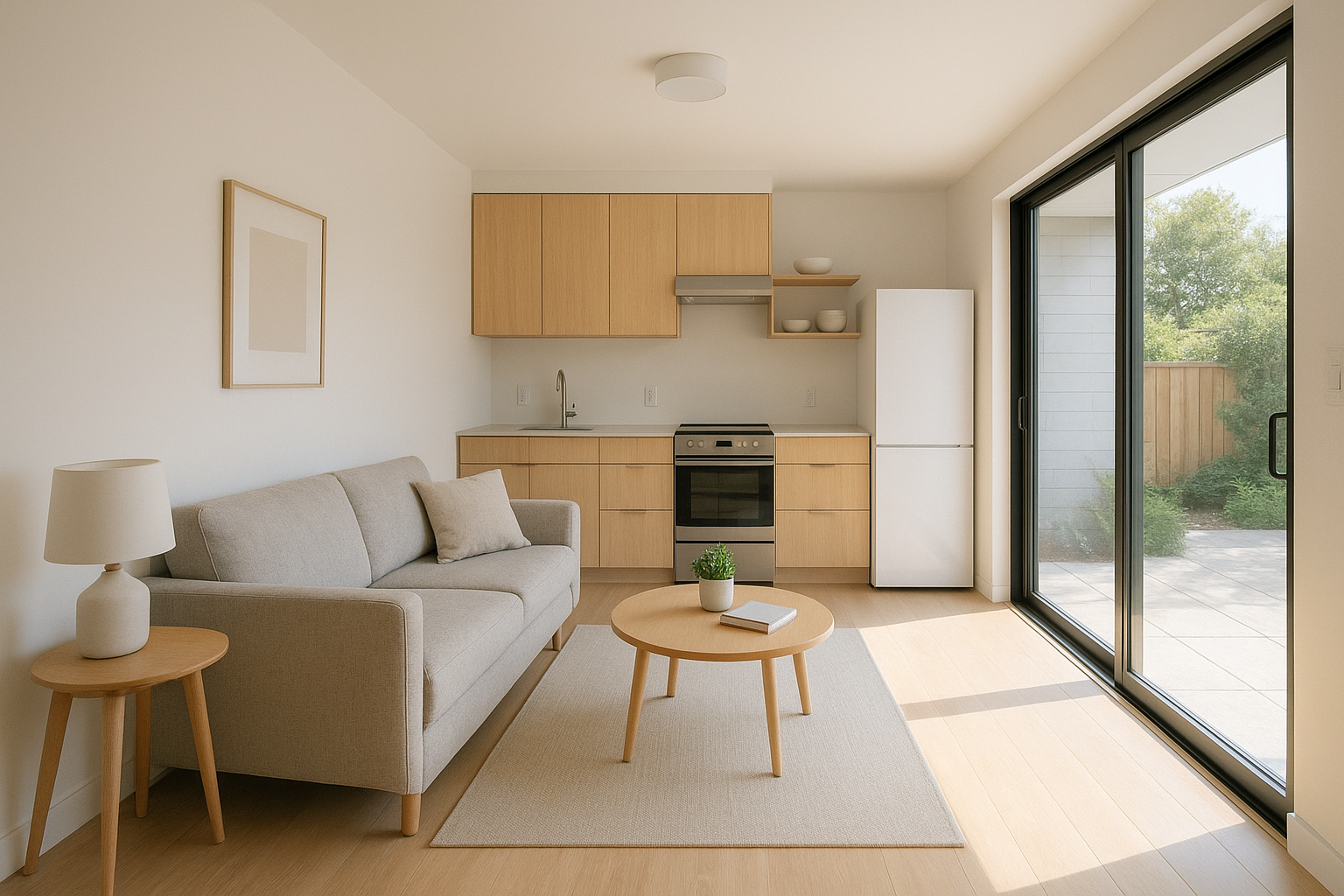
Thoughtful floor plans help modular units feel spacious despite a smaller footprint.
Choosing a Modular Home Builder in Southern California
Selecting the right builder matters as much as selecting the right floor plan. Specifically, look for a contractor who understands both factory-built systems and the permitting quirks of your specific city, since requirements can shift from one jurisdiction to the next within a single county.
theadupro.com is a premier ADU construction and contracting firm serving homeowners across Orange County, Los Angeles County, and Riverside County. Their team manages every phase of a project, from initial design and permitting through construction and final inspection, which is particularly valuable for modular builds that require close coordination between factory production schedules and on-site work. Homeowners looking to add rental income, multigenerational living space, or long-term home value often find that partnering with a locally established team reduces delays and keeps a modular home CA project on budget.
Frequently Asked Questions About Modular Home CA Projects
What is a modular home in CA?
A modular home in CA is a house built in factory sections and assembled on a permanent foundation according to the California Building Standards Code. It qualifies for the same financing and insurance options as a traditional site-built home.
How is a modular home different from a manufactured home?
Modular homes follow California’s state building code, while manufactured homes follow the federal HUD code and typically sit on a chassis rather than a permanent foundation. This distinction affects financing, resale value, and local permitting rules.
Are modular homes allowed as ADUs in California?
Yes, modular construction is a common method for building detached ADUs across Orange County, Los Angeles County, and Riverside County. Local jurisdictions review modular ADU plans the same way they review site-built ADU plans.
How much does a modular home cost in CA?
Modular home construction in California typically ranges from $150 to $300 per square foot, depending on finishes, site work, and location. This is generally 10-20% less than comparable stick-built construction.
How long does it take to build a modular home in California?
Most modular projects take four to seven months from design approval to move-in, compared to eight to fourteen months for traditional construction. Factory assembly happens in parallel with site preparation, which shortens the overall timeline.
Do modular homes need a permit in California?
Yes, modular homes require the same building permits, plan checks, and inspections as any other permanent residential structure. Local building departments verify foundation, utility, and zoning compliance before issuing final approval.
Can I get a mortgage for a modular home CA project?
Yes, financing a modular home CA project works much like a traditional mortgage because the structure is classified as real property once it’s set on a permanent foundation. Most conventional and FHA loan programs accept modular construction.
What foundation do modular homes require?
Modular homes are set on permanent foundations such as concrete slabs, crawl spaces, or basements, engineered to local soil and seismic conditions. A licensed engineer typically certifies the foundation design before construction begins.
Are modular homes as durable as site-built homes?
Modular homes must meet or exceed the same structural, fire, and energy codes as site-built homes, and factory construction often results in tighter tolerances. In many cases, modular units are engineered to withstand transport stresses that add extra structural reinforcement.
What’s the difference between modular and prefab ADUs?
Prefab is a broad category that includes modular, panelized, and manufactured construction methods. Modular ADUs specifically use full three-dimensional sections built to state code, rather than flat panels or HUD-code chassis units.
Can I customize the design of a modular home?
Yes, most modular builders offer customizable floor plans, exterior finishes, and interior layouts within the manufacturer’s structural framework. Working with a local contractor early helps align custom features with municipal design standards.
What are common mistakes when planning a modular home project?
Common mistakes include underestimating site preparation costs, skipping a soils report, and assuming permitting timelines are shorter than they actually are. Partnering with an experienced local contractor helps avoid these costly delays.
Do modular homes hold their value in California?
Modular homes generally appraise and appreciate similarly to comparable site-built homes because they are classified as permanent real property. Quality of construction, location, and finish level influence resale value just as they do for traditional homes.
Final Thoughts on Building a Modular Home CA Project
Ultimately, a modular home CA build offers a faster, often more cost-effective path to additional living space without sacrificing code compliance or long-term value. From understanding the difference between modular, manufactured, and ADU classifications to navigating permitting and choosing the right foundation, each step benefits from local expertise. As a result, homeowners across Orange County, Los Angeles County, and Riverside County who plan carefully and partner with an experienced contractor tend to see smoother timelines and fewer surprises. Whether you’re exploring a modular junior ADU or a full modular residence, starting with clear goals and a trusted local team sets the foundation for a successful project.