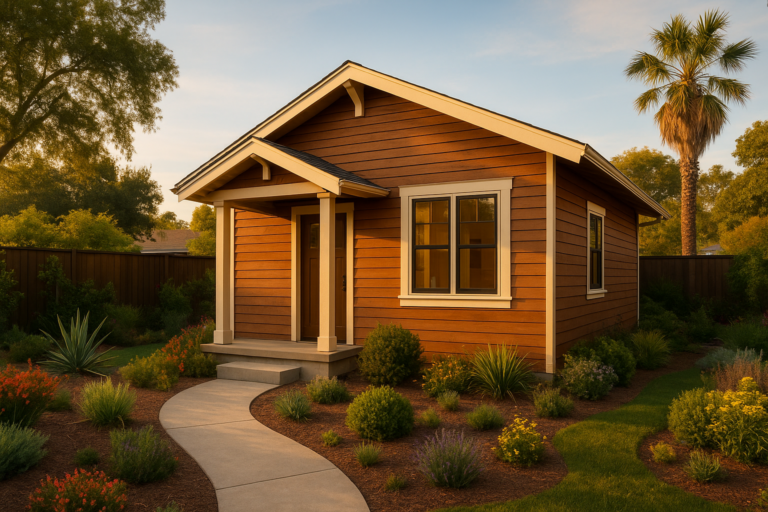
A mother in law suite is quickly becoming one of the most popular ways for Southern California homeowners to add space, privacy, and flexibility to their property. Whether you are planning for aging parents, adult children, or future rental income, this type of accessory dwelling unit (a small, independent living space on a residential lot) offers a practical solution. See our guest house planning guide for related options. In this guide, we will walk through what a mother in law suite actually is, how much it costs, what permits you need, and how to build one from start to finish.
Quick Answer: A mother in law suite is a self-contained living space, attached or detached from the main home, that includes a bedroom, bathroom, and often a kitchenette or full kitchen. In Southern California, it is legally classified as an ADU per California HCD and typically costs between $150,000 and $350,000 to build, depending on size and finishes.
What Is a Mother In Law Suite?
A mother in law suite is a small, independent living unit built specifically to house an extended family member close to the primary residence. Unlike a spare bedroom, it functions as its own home, complete with a private entrance, bathroom, and sleeping area. Many homeowners in Los Angeles, Orange, and Riverside counties choose this option because it supports multigenerational living without sacrificing privacy for either household.
Since California law treats these spaces as accessory dwelling units, a mother in law suite must meet the same zoning, safety, and building code standards as any other ADU. As a result, it can later be converted into a rental unit if family needs change, which adds long-term flexibility to the investment.
Mother In Law Suite vs Other ADU Types
Not every in-law suite looks the same. In fact, the term covers several distinct construction styles, and choosing the right one depends heavily on your lot, budget, and family needs. For example, a detached mother in law suite stands as its own structure in the backyard, offering maximum privacy and often the highest resale value. In contrast, an attached suite shares a wall with the main home, which usually lowers construction costs.
Garage conversions, meanwhile, repurpose existing structures and tend to be the fastest and most budget-friendly path to a functional suite. If you are still weighing which configuration fits your household, our guide on which ADU type is best for family living breaks down the pros and cons of each option in more detail. For how to convert an existing garage, see convert my garage.
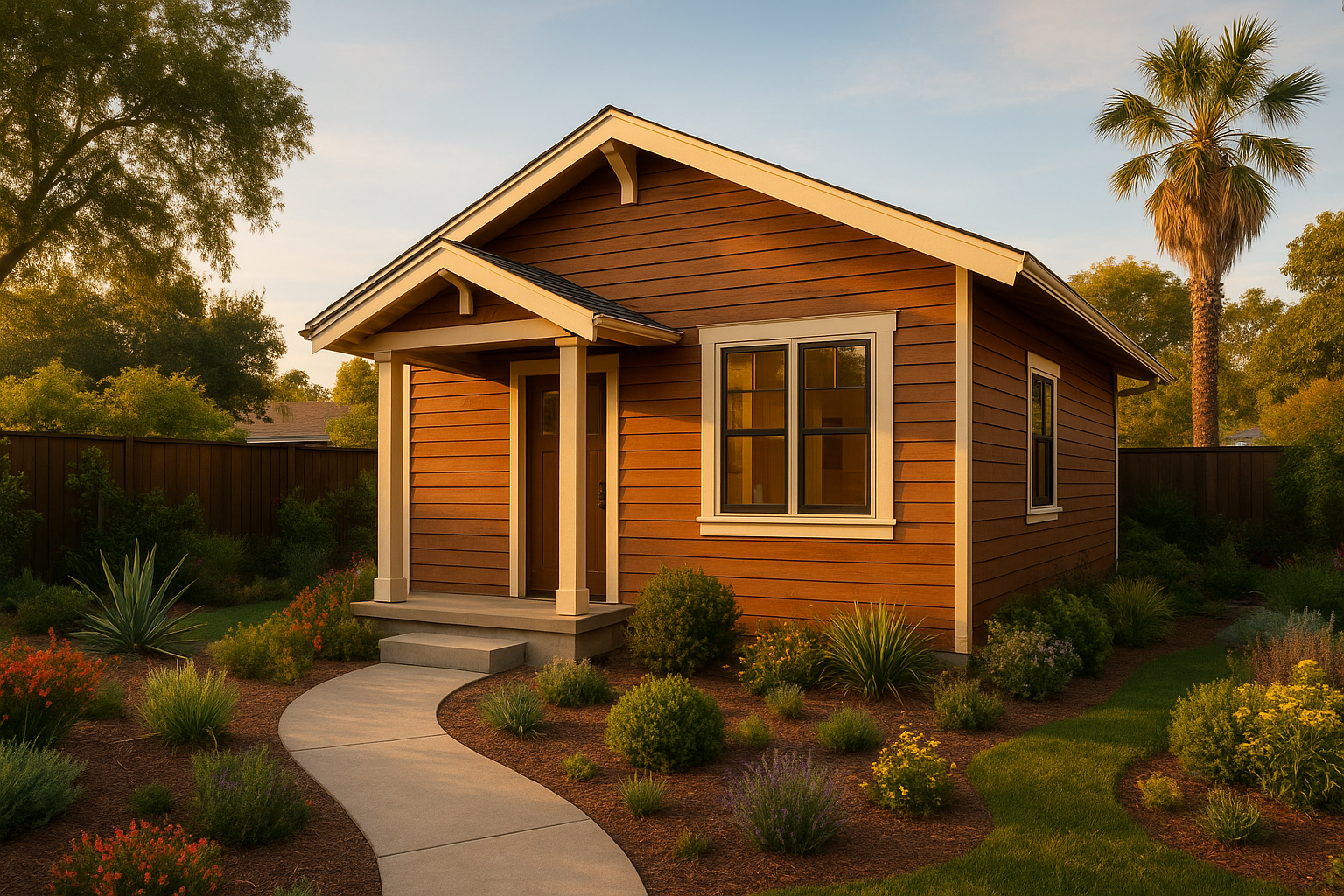
A well-designed mother in law suite blends into the backyard while offering complete independence for family members.
Design Ideas for a Mother In Law Suite
Good design makes a small footprint feel spacious and comfortable. Above all, homeowners should prioritize accessibility features such as walk-in showers, wider doorways, and single-level layouts, especially when the suite will house aging parents. Similarly, natural light and an open floor plan can make even a 600-square-foot unit feel welcoming rather than cramped; see our Southern California guide for layout examples.
Storage, laundry access, and a small private outdoor patio also rank high on most family wish lists. For a deeper look at layouts that work well across Southern California lots, see our complete design guide for mother in law suite ADUs, which covers floor plans suited to different lot shapes and household sizes.
How Much Does a Mother In Law Suite Cost in Southern California?
Cost is usually the first question homeowners ask, and understandably so. On average, a mother in law suite in Orange, Los Angeles, or Riverside County runs between $150,000 and $350,000, depending on size, site conditions, and interior finishes. Learn planning steps in our ADU plan guide for Southern California homeowners.
These figures depend heavily on local labor rates, permit timelines, and site utility upgrades. If you own a detached guest house or are comparing costs against a fully separate structure, our page on detached guest house plans, designs, costs, and permits offers a closer breakdown. Learn details in our ADU plan guide for Southern California homeowners.
Permits and Regulations for a Mother In Law Suite
Because California classifies a mother in law suite as an accessory dwelling unit, it must go through the standard ADU permitting process. This includes zoning review, structural plan checks, and inspections for plumbing and electrical work. Consequently, working with a contractor who understands local jurisdictional nuances can save months of delay.
The California HCD publishes updated statewide ADU guidance that local jurisdictions must follow, which helps standardize approval timelines across counties. For a broader overview of accessory dwelling units as a housing category, Wikipedia’s entry on secondary suites offers useful background context as well.
If you live in the Inland Empire, permit requirements can vary slightly by city. Homeowners near Brea, for instance, can review specific local requirements through our ADU plans and permitting resource for Brea before starting the design phase.
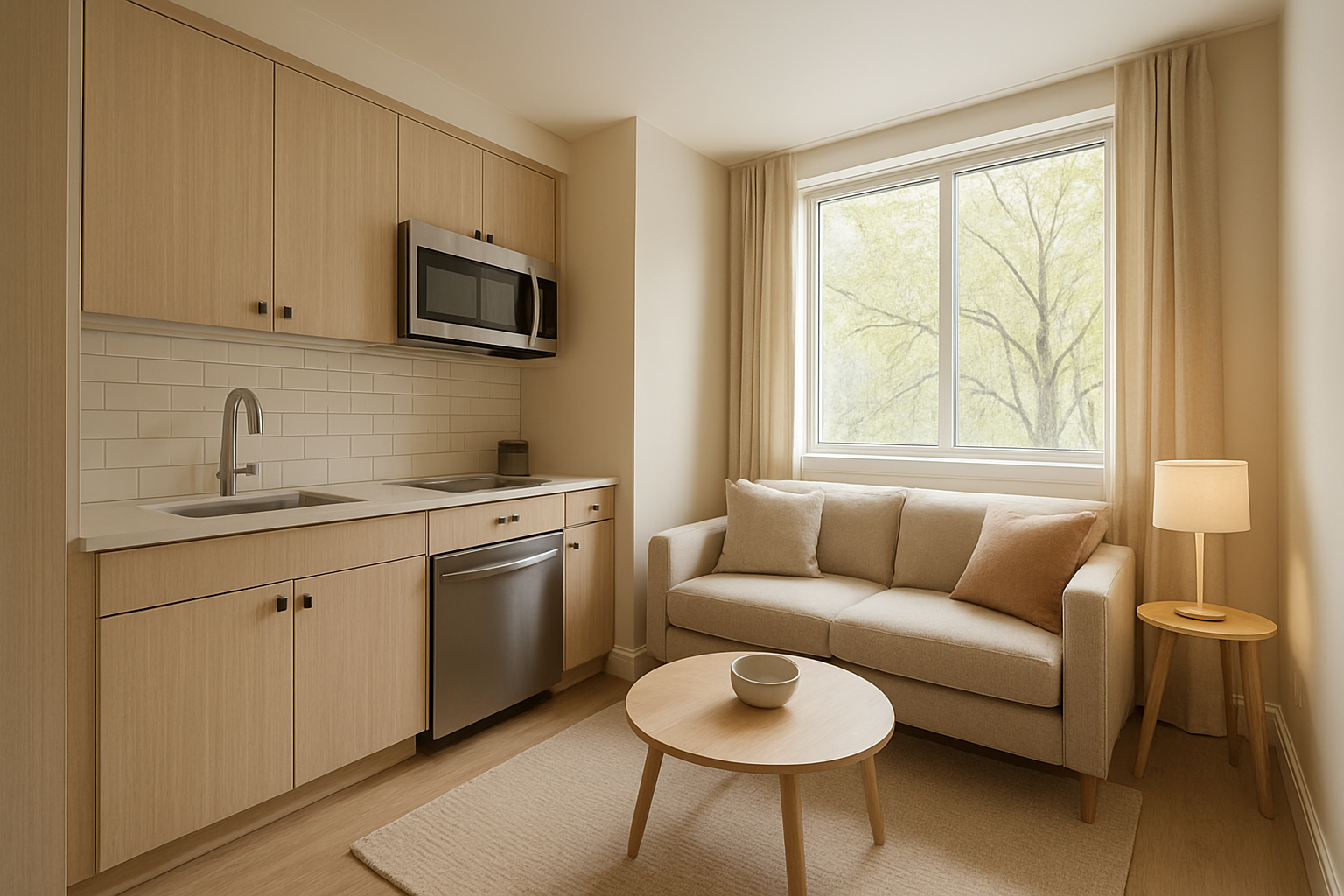
Smart interior layouts help a mother in law suite feel comfortable without feeling cramped.
How to Build a Mother In Law Suite: Step-by-Step
Building a mother in law suite involves several distinct phases; see our how to build an ADU guide for a step-by-step process. Following them in order helps avoid costly rework and permit delays.
- Assess Your Property and Define Your Goals. Walk your property with a contractor to evaluate lot size, setbacks, and utility access, then decide whether the suite is meant for family housing, rental income, or both purposes.
- Design and Plan Your Suite. Work with a design team to create floor plans that balance accessibility, privacy, and comfort while meeting the specific needs of the family member who will live there.
- Secure Permits and Approvals. Submit architectural drawings, structural calculations, and site plans to your local building department, then wait for zoning and building permit approval before construction begins.
- Construction and Build-Out. Coordinate foundation work, framing, plumbing, electrical, and finishing trades in sequence, with regular inspections at each major construction milestone to confirm code compliance.
- Final Inspection and Move-In. Schedule the final building inspection, obtain your certificate of occupancy, and complete a walkthrough with your contractor before your family member moves into the finished suite.
Choosing the Right Builder for Your Mother In Law Suite
Because permitting and construction quality vary so much by city, choosing an experienced local contractor matters more than most homeowners expect. A builder familiar with your specific municipality can anticipate zoning questions before they cause delays. For homeowners in the Inland Empire, our team serves as a trusted ADU builder in Menifee, guiding clients through design, permitting, and construction from start to finish. See our get started guide to begin your project.
Similarly, ADU Pro has built a reputation as a top-rated ADU contractor across Orange, Los Angeles, and Riverside counties, handling everything from initial design through final inspection. You can learn more about our end-to-end process by visiting theadupro.com directly.
Mother In Law Suite vs Junior ADU: Which Fits Your Family?
A junior ADU is built within the existing footprint of the home, sharing at least one wall and often a bathroom with the main house, while a full mother in law suite offers a separate kitchen and greater independence. Therefore, families needing maximum privacy usually lean toward a detached suite, whereas those on tighter budgets may prefer a junior ADU conversion. Our detailed comparison of which ADU type works best for family living can help you weigh these tradeoffs against your specific household needs.
Frequently Asked Questions About Mother In Law Suites
What is a mother in law suite?
A mother in law suite is a self-contained living space, either attached to a home or built as a separate structure, that includes its own sleeping area, bathroom, and often a kitchenette. It gives family members privacy while remaining close to the main household.
How is a mother in law suite different from a regular ADU?
A mother in law suite is simply a common name for an accessory dwelling unit used for family purposes rather than rental income. Structurally, it can be identical to any detached, attached, or garage-converted ADU.
How much does it cost to build a mother in law suite in California?
Most mother in law suites in Southern California cost between $150,000 and $350,000, depending on size, finishes, and site conditions. Garage conversions tend to be more affordable, while detached new construction sits at the higher end.
How long does it take to build a mother in law suite?
Construction typically takes seven to twelve months from design through final inspection. Timelines vary based on permit processing speed and the complexity of the build.
Do I need a permit to build a mother in law suite?
Yes, a permit is required for any mother in law suite in California, since it is legally classified as an accessory dwelling unit. Permits cover zoning, structural safety, plumbing, and electrical work.
Can a mother in law suite have its own kitchen?
Yes, California law allows full kitchens in mother in law suites classified as standard ADUs. Junior ADUs, however, are limited to an efficiency kitchen with fewer fixtures.
What is the difference between a mother in law suite and a junior ADU?
A junior ADU is built within the existing footprint of the home and shares at least one wall with the main house, while a mother in law suite can be detached or attached with its own full kitchen and larger square footage.
Will a mother in law suite increase my property value?
Yes, a well-designed mother in law suite typically increases property value by adding usable square footage and rental potential. Many Southern California appraisers factor in ADUs as valuable income-generating additions.
Can I rent out my mother in law suite?
In most cases, yes, once family members no longer need the space, homeowners can legally rent out a mother in law suite. Local rental restrictions and homeowners association rules should always be verified first.
What are common mistakes when building a mother in law suite?
Common mistakes include underestimating utility upgrade costs, skipping accessibility features, and hiring contractors unfamiliar with local ADU regulations. Careful planning with an experienced builder helps avoid costly delays.
What size can a mother in law suite be in California?
Detached mother in law suites can generally reach up to 1,200 square feet under California ADU law, though local jurisdictions may set slightly different limits. Attached units are often capped based on the size of the primary home.
Do I need a separate address or utilities for a mother in law suite?
Some cities require a separate address for a detached mother in law suite, while utility metering can be shared or independent depending on local code. A local ADU contractor can confirm the exact requirements for your city.
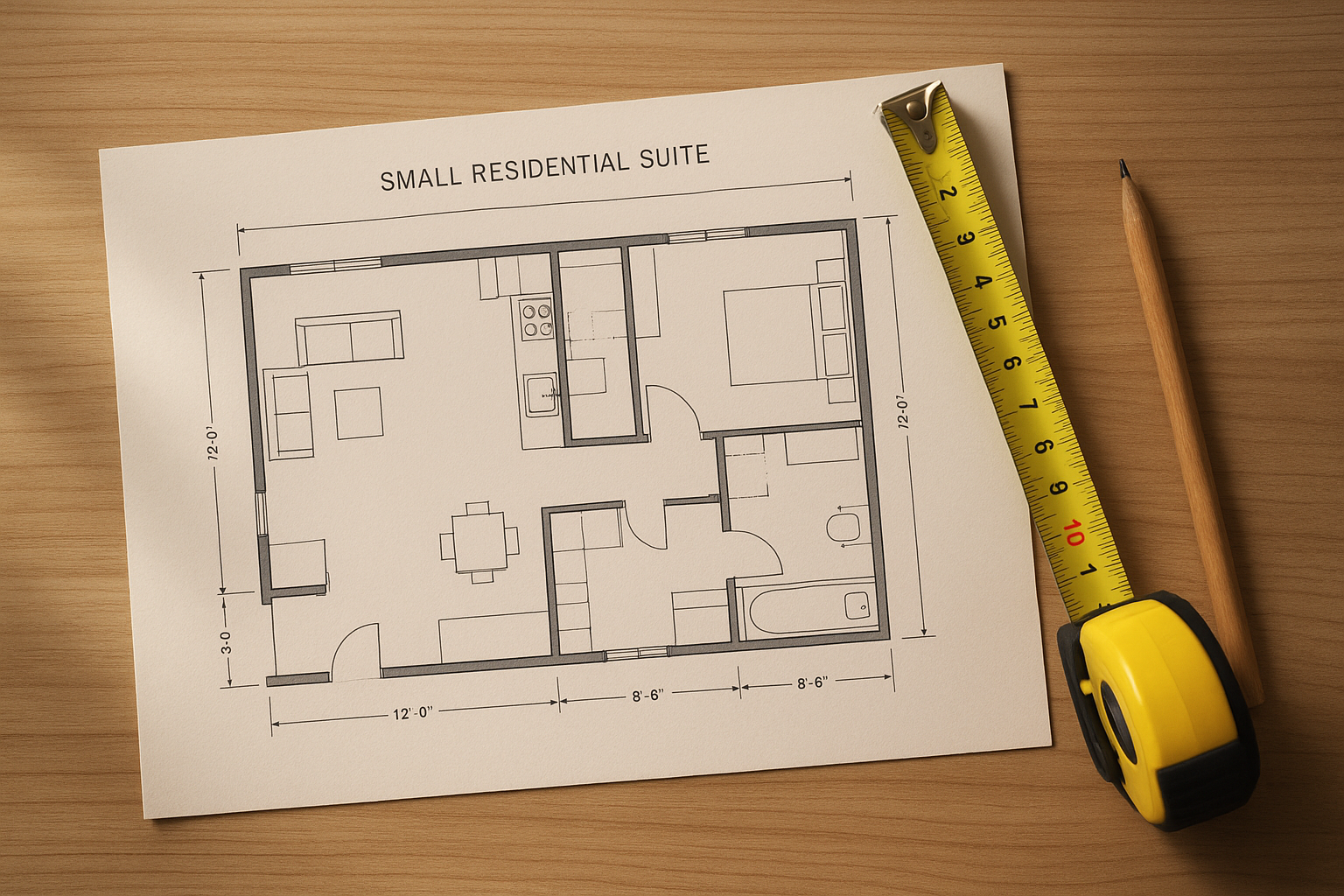
Careful planning and accurate blueprints keep a mother in law suite project on schedule and on budget.
Final Thoughts
Building a mother in law suite is a meaningful investment in both family connection and long-term property value. From choosing the right design to navigating permits, every step benefits from working with a builder who understands Southern California’s evolving ADU regulations. Ultimately, whether you need space for aging parents, adult children, or future rental income, a well-planned mother in law suite can serve your household for decades to come. As you move forward, consider reaching out to a local, experienced ADU contractor who can guide you from concept through final inspection with confidence. This guide was created by the ADU Pro team; see our author bio for team credentials and experience.