
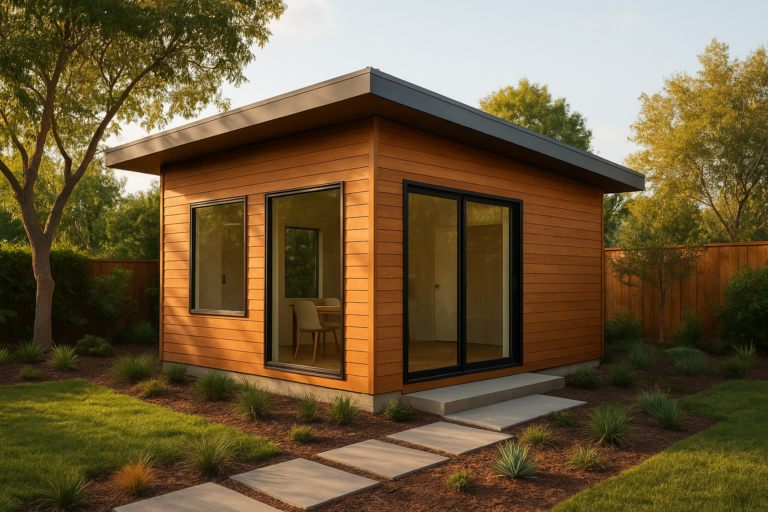
ADU Culver City construction has become one of the most popular ways for homeowners to add space, income, and long-term value to their property. Because Culver City sits within the greater Los Angeles metro area, homeowners here benefit from both state ADU laws and local zoning updates that make building an accessory dwelling unit easier than it used to be. Whether you’re considering a detached backyard unit, a garage conversion, or an attached addition, understanding local rules and realistic costs helps you plan a project that fits your lot and your budget.
Quick answer: An ADU in Culver City is a secondary independent living unit, such as a detached guest house or garage conversion, that is legal under both California state law and local zoning code. Most projects cost between $180,000 and $400,000 and take roughly 6 to 12 months from design through final inspection.
What Is an ADU in Culver City?
An ADU in Culver City is a self-contained living space built on a residential lot in addition to the primary home. It includes a kitchen, bathroom, and sleeping area, and it can take several forms. For example, it might be a brand-new detached structure in the backyard, a converted garage, or an addition attached to the existing house.
Because state law overrides many local restrictions, Culver City homeowners now have more flexibility than in past decades. However, the city still enforces specific setback, height, and lot-coverage rules that a knowledgeable contractor should review before you finalize any design.
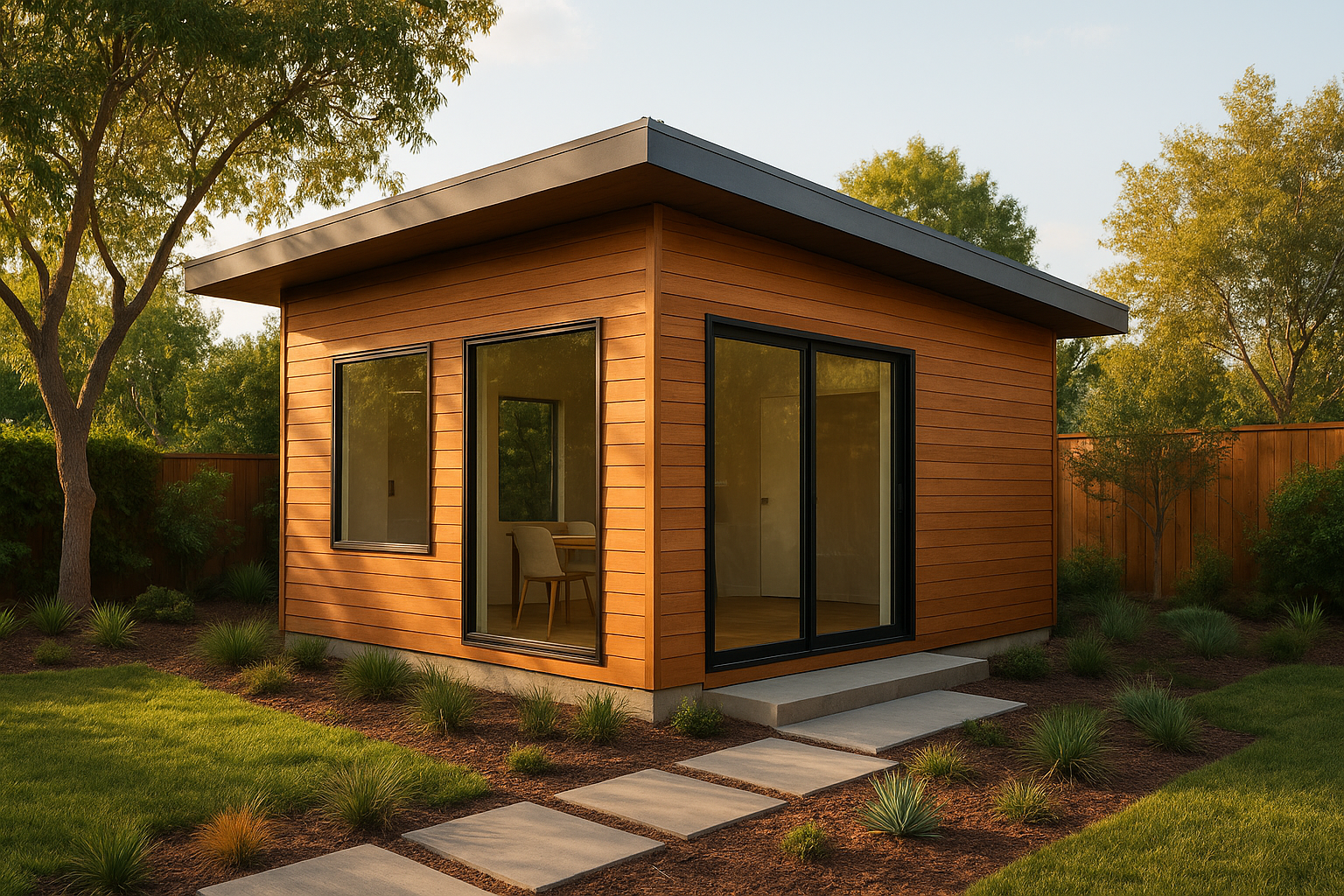
A detached ADU Culver City backyard build offers privacy while adding rentable square footage.
Culver City ADU Rules and Zoning Requirements
Culver City follows California’s statewide accessory dwelling unit statutes, which the California Department of Housing and Community Development updates regularly. As a result, local zoning has become more permissive over the past several years, though the city still applies its own review process on top of state minimums.
In particular, homeowners should confirm setback distances, maximum height limits, and whether their lot qualifies for parking exemptions. Additionally, properties near frequent transit routes often skip the parking requirement entirely, which can free up yard space for a larger unit.
- Detached ADUs can typically reach up to 1,200 square feet.
- Junior ADUs, built inside the existing home, are capped at 500 square feet.
- Owner-occupancy is generally not required for ADUs built under current state law.
For the most current local requirements, it’s worth checking our ADU code compliance guide, since fee schedules and review timelines can change from year to year.
How Much Does an ADU Cost in Culver City?
Cost is usually the first question homeowners ask, and understandably so. On average, an ADU cost guide shows an ADU Culver City project runs between $180,000 and $400,000, though the final number depends heavily on unit type, finish level, and site conditions.
Garage conversions tend to sit at the lower end of that range since the existing foundation and structure are reused. In contrast, ground-up detached units cost more because they require new foundations, roofing, and full utility connections. Similarly, according to industry cost data referenced by the Wikipedia overview of accessory dwelling units, national ADU construction costs have risen steadily due to labor and material price increases over the past five years.
Consequently, getting a detailed, site-specific estimate early in the process matters far more than relying on generic national averages. You can review project examples and request a free quote directly through TheADUPro.com before committing to a design.
How to Build an ADU in Culver City: A 5-Step Process
Building an accessory dwelling unit follows a fairly predictable sequence. Below is the typical path homeowners take from first phone call to move-in day.
- Schedule a Site Evaluation and Feasibility Assessment. A qualified contractor visits the property to review lot size, setbacks, utility access, and zoning limits before recommending which ADU type fits the site best.
- Design Your ADU Floor Plan. Work with a designer to create floor plans that match your household needs, budget, and the maximum square footage allowed under Culver City zoning rules.
- Submit Plans for Permitting. Your contractor submits architectural and engineering plans to Culver City’s Planning and Building divisions for review, corrections, and final permit approval.
- Begin Construction. Once permits are issued, the build team completes foundation work, framing, utility connections, insulation, drywall, and finishes according to the approved plans.
- Final Inspection and Move-In. City inspectors confirm the completed ADU meets code before issuing a certificate of occupancy, allowing you to move in, rent it out, or house family members.
Above all, staying organized during permitting saves the most time. Missing documents are the number one cause of permit delays for accessory dwelling unit projects statewide.
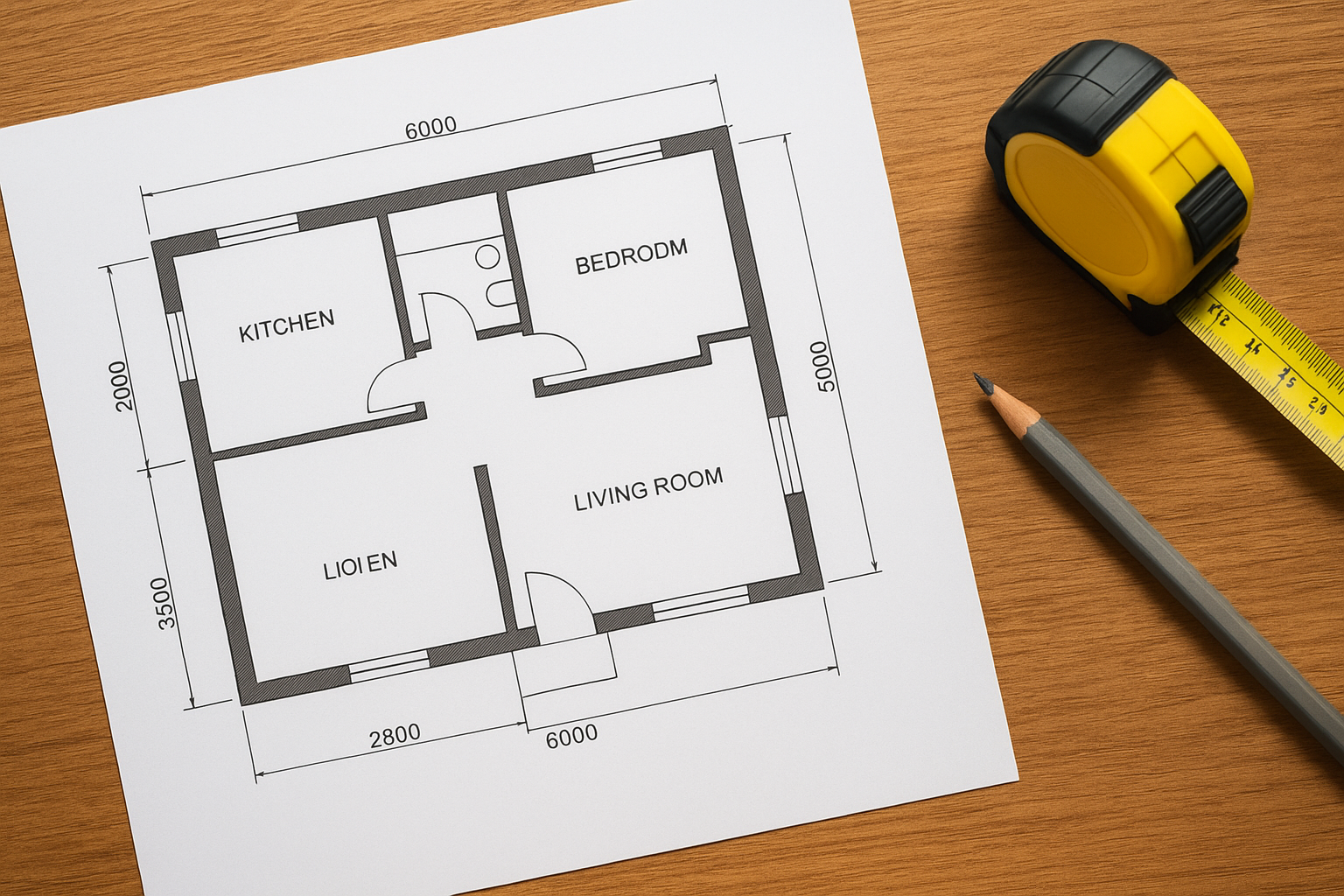
Careful permit preparation keeps an ADU Culver City project on schedule from design to final inspection.
Popular ADU Types for Culver City Homeowners
Not every property is suited to the same accessory dwelling unit style. Therefore, choosing the right type depends on lot shape, existing structures, and your long-term goals.
Detached ADUs work well on larger lots with backyard space and offer the most privacy for renters or family members. Garage conversions, on the other hand, are often the fastest and most affordable path since they reuse an existing structure. Attached additions can be a good fit when yard space is limited but the home’s footprint allows for expansion. Finally, junior ADUs suit homeowners who want extra income or space without a large construction footprint, since they’re built within the existing home.
Homeowners in nearby communities face similar decisions. For comparison, you can see how these unit types are applied in other markets, such as ADU projects in Burbank or ADU design work in Fountain Valley, where similar zoning principles apply.
Finding the Right ADU Culver City Contractor
Choosing a contractor is arguably the most important decision in the entire process. Specifically, an ADU Culver City specialist will already understand local fee schedules, common inspection issues, and how to structure plans for faster city approval.
TheADUPro.com serves homeowners across Orange County, Los Angeles County, and Riverside County, guiding clients from initial design through permitting, construction, and final inspection. The team has completed similar projects throughout Southern California, including work highlighted in case studies for ADU case studies and regional project spotlights.
Before signing a contract, it helps to ask a few direct questions.
- How many ADU permits has the contractor secured specifically in Culver City?
- Does the quote include permit fees, utility upgrades, and site prep?
- What is the realistic timeline from design to occupancy?
Asking these questions upfront, rather than after signing, prevents most of the surprises homeowners report during ADU construction.

Working with an experienced local contractor helps homeowners avoid common ADU Culver City permitting delays.
Frequently Asked Questions About ADU Culver City
What is an ADU in Culver City?
An ADU in Culver City is a secondary, independent living space built on a residential lot, such as a detached backyard unit, garage conversion, or attached addition. It includes its own kitchen, bathroom, and sleeping area, separate from the main house.
How much does it cost to build an ADU in Culver City?
Most ADU Culver City projects range from $180,000 to $400,000 depending on size, finishes, and site conditions. Garage conversions typically cost less, while detached new construction units fall at the higher end.
Do I need a permit to build an ADU in Culver City?
Yes, every ADU in Culver City requires building permits and plan review through the city’s Planning and Building divisions. Skipping permits can lead to fines and problems when selling your home.
How long does the ADU Culver City permitting process take?
Permitting for an ADU Culver City project typically takes 60 to 120 days, depending on plan complexity and city review workload. Check our ADU permit guide for practical tips on preparing complete plans and avoiding common corrections.
Can I rent out my Culver City ADU?
Yes, California law allows homeowners to rent out ADUs as long-term rentals in most cases. Culver City follows state ADU rental rules, making this a popular option for generating passive income.
What is the difference between an ADU and a JADU in Culver City?
A standard ADU is a fully independent unit, while a junior ADU, or JADU, is a smaller unit built within the walls of an existing home and may share a bathroom with the main residence. JADUs in Culver City are limited to 500 square feet.
What size ADU can I build on my Culver City lot?
Detached ADUs in Culver City can generally reach up to 1,200 square feet, subject to lot size and setback requirements. A licensed contractor can confirm the maximum size allowed for your specific property.
Do I need parking for an ADU in Culver City?
In many cases, no additional parking is required for an ADU Culver City project, especially if the unit is within half a mile of public transit. Local zoning staff can verify parking exemptions for your address.
What is the biggest mistake homeowners make when building an ADU in Culver City?
The most common mistake is underestimating utility upgrade costs, such as electrical panel upgrades or new sewer connections. Working with an experienced ADU Culver City contractor helps avoid unexpected budget overruns.
How long does ADU construction take in Culver City?
Construction typically takes 4 to 8 months once permits are approved, depending on the ADU type and size. Garage conversions are usually faster than ground-up detached units.
Can I convert my garage into an ADU in Culver City?
Yes, garage conversions are one of the most cost-effective ADU options in Culver City because the existing structure and foundation are already in place. This approach often reduces both cost and construction time.
Why should I hire a local Culver City ADU contractor instead of a general contractor?
A local ADU Culver City specialist understands the city’s specific zoning rules, fee schedules, and inspection process, which reduces delays. General contractors without ADU-specific experience may miss requirements unique to accessory dwelling units.
In summary, building an ADU Culver City project involves navigating state and local zoning rules, budgeting realistically for construction and utility costs, and following a clear permitting-to-completion process. Homeowners who plan ahead, choose the right unit type for their lot, and work with an experienced local contractor tend to avoid the most common delays and cost overruns. Whether you’re leaning toward a detached backyard unit, a garage conversion, or a junior ADU, taking these steps helps turn an ADU Culver City project into a smooth, valuable addition to your property.

