
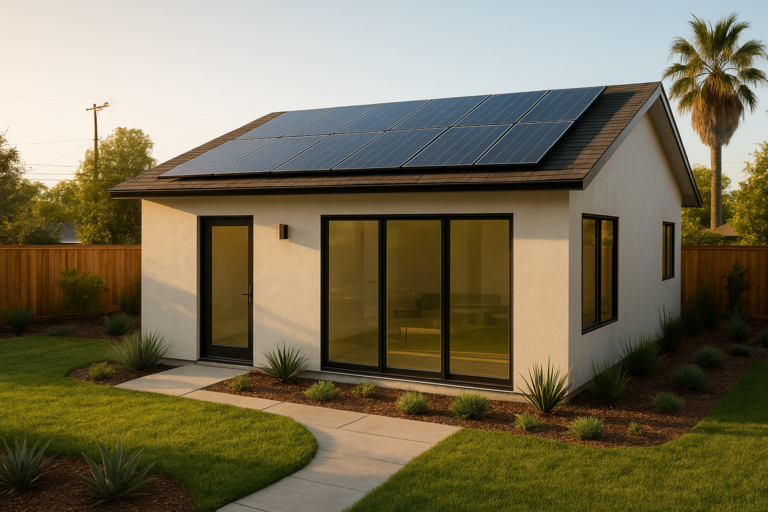
Net-zero ADU construction Southern California projects are changing how homeowners think about backyard units, turning a simple garage conversion or detached unit into a home that pays for much of its own energy use. Instead of treating energy efficiency as an afterthought, net-zero design builds it into the floor plan, the envelope, and the mechanical systems from day one. For homeowners in Orange County, Los Angeles County, and western Riverside County, this approach increasingly shapes both rental income potential and long-term utility costs.
In addition to lower bills, a net-zero accessory dwelling unit can appeal to renters and future buyers who value sustainability and predictable monthly costs. Therefore, understanding how net-zero principles apply to ADU design is worth the time before breaking ground.
What Is Net-Zero ADU Construction in Southern California?
Net-zero ADU construction Southern California is a building approach where an accessory dwelling unit is designed to generate as much energy as it consumes over the course of a year. This balance is typically achieved through a combination of high-performance insulation, efficient windows, airtight construction, and, in many cases, rooftop solar panels.
Unlike a standard ADU that simply meets California’s minimum energy code, a net-zero unit is engineered to exceed those requirements. As a result, homeowners often see noticeably lower utility bills within the first year of occupancy, though actual savings vary based on usage patterns and climate zone.
Why Southern California Homeowners Are Choosing Zero-Energy ADUs
Southern California’s climate, with its abundant sunshine and mild winters, is particularly well suited to zero-energy ADU design. Consequently, homeowners in this region can often achieve net-zero performance with a smaller solar array than would be needed in cloudier climates.
Furthermore, rising electricity rates across the region have made energy efficiency a bigger factor in rental pricing decisions. A tenant weighing two similar units may prefer the one with lower expected utility costs, which can translate into steadier occupancy for the property owner.
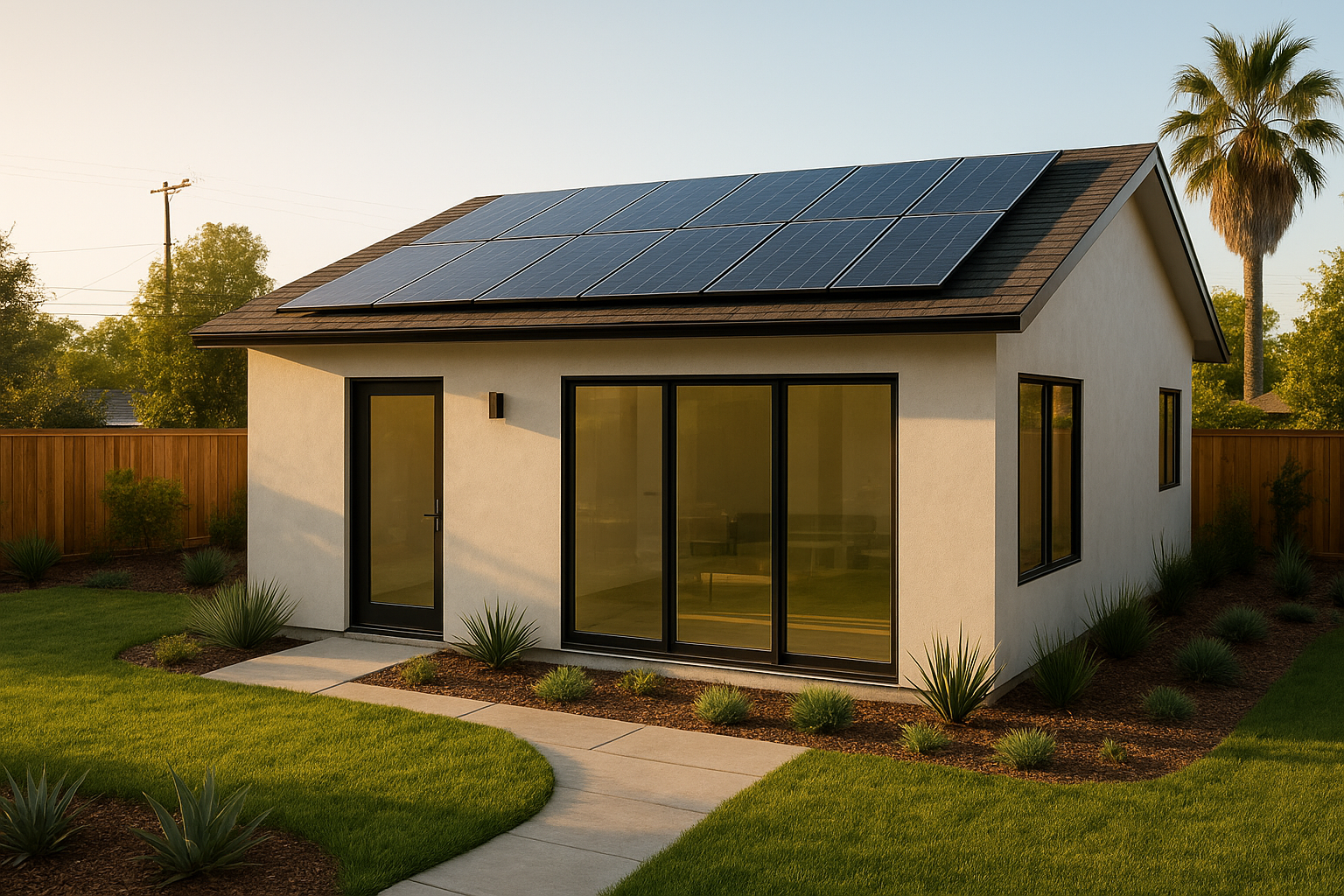
Solar panels and efficient glazing are common features of net-zero ADU construction Southern California homeowners choose today.
Core Components of Zero-Energy Accessory Dwelling Unit Design
Several building elements work together to reach net-zero performance. Specifically, these components form the foundation of most energy-efficient ADU designs in the region:
- High-R-value wall and roof insulation to reduce heat transfer
- Energy-efficient, double- or triple-pane windows
- Airtight construction with proper ventilation to control indoor air quality
- Right-sized, high-efficiency HVAC equipment
- Optional rooftop solar panels sized to the unit’s remaining energy load
Step-by-Step: How Net-Zero ADU Construction Works
Building a net-zero ADU follows a sequence similar to standard construction, but with added attention to energy performance at each stage. In particular, the process generally unfolds as follows:
- Site assessment and feasibility. A contractor reviews lot size, setbacks, and solar orientation to confirm the property can support the intended design.
- Custom floor plan design. The layout is tailored to the lot, balancing window placement for daylight against heat gain concerns.
- Structural engineering and Title 24 compliance. Engineers prepare drawings and energy documentation that satisfy the California energy code.
- Permit submittal and city coordination. Plans are submitted to the local building department, with revisions managed through to approval.
- Construction and energy systems installation. Crews install insulation, windows, mechanical systems, and optional solar equipment.
- Final inspection and certificate of occupancy. The city verifies code compliance before the unit is cleared for occupancy.
Net-Zero ADU Costs and Financing in Southern California
Energy-efficient ADU costs are generally higher upfront than a baseline unit because of the added insulation, glazing, and equipment involved. However, these costs are often offset over time through reduced utility bills, and in some cases through state or utility incentive programs that homeowners should verify independently for current eligibility.
For example, according to the U.S. Department of Energy, zero-energy ready homes can use 40 to 50 percent less energy than typical new construction, which illustrates the scale of potential savings a well-designed net-zero ADU can offer (U.S. Department of Energy).
Many homeowners pair construction with financing options such as HELOCs, construction loans, or ADU-specific lending programs. A design-build contractor can connect clients with third-party lending partners to compare these paths, though the homeowner ultimately selects and secures financing directly with the lender.
Title 24 Compliance and Net-Zero ADU Permits
Title 24 is California’s building energy efficiency standard, and it sets the baseline that all new construction, including ADUs, must meet. In contrast, net-zero ADU construction Southern California builders typically design well beyond these minimums to approach or reach true zero-net-energy performance.
The California Energy Commission publishes updated Title 24 standards periodically, and compliance documentation must accompany permit submittals. Having a contractor who handles this paperwork in-house can reduce back-and-forth with the building department during plan check.
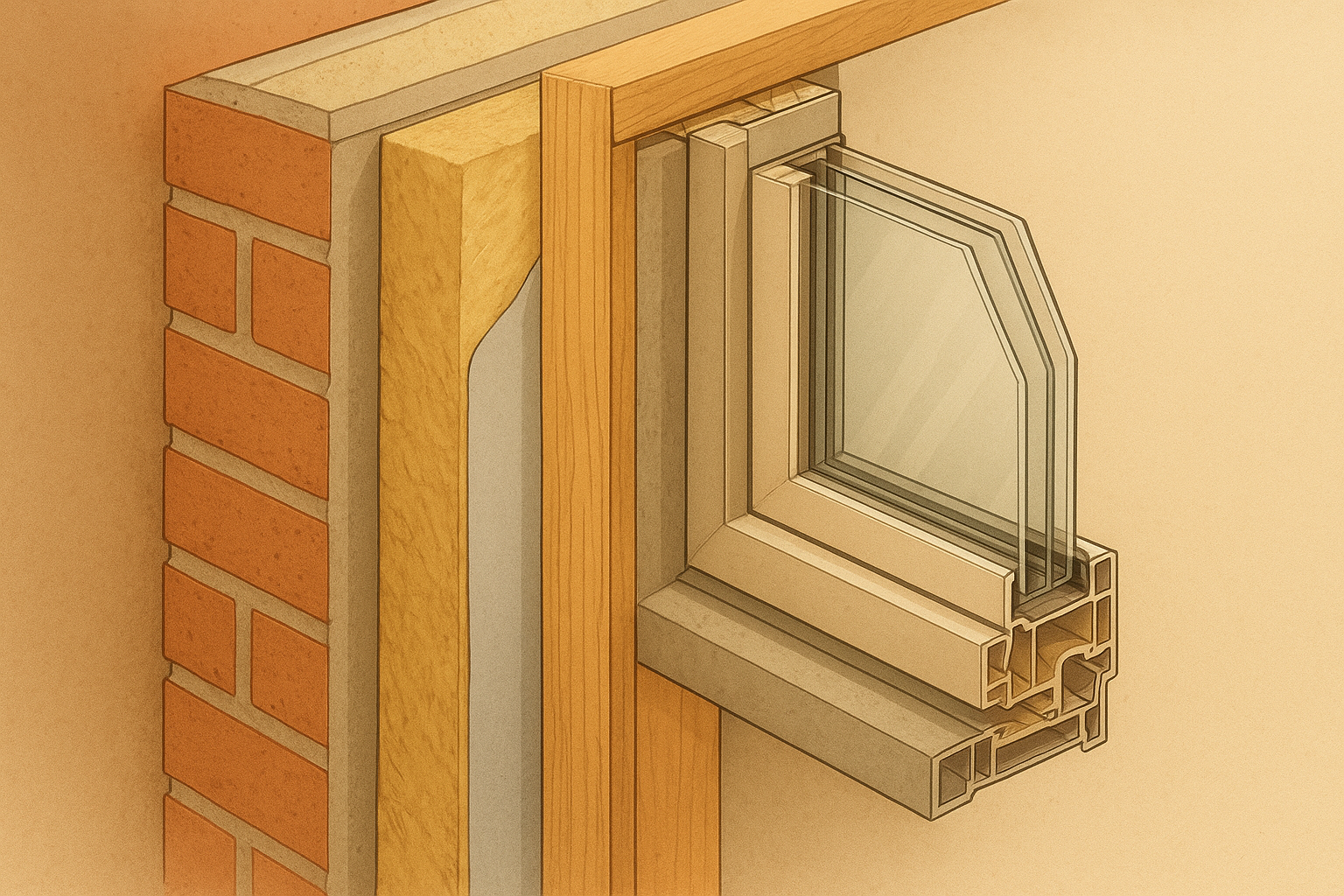
Insulation quality and window performance are two of the biggest factors in reaching zero-net-energy results.
Setbacks, Lot Eligibility, and HOA Considerations
Before finalizing a net-zero design, homeowners need to confirm their lot meets local setback and size requirements. Similarly, those in HOA communities should review covenants carefully, since state ADU law limits but does not always eliminate HOA design conditions.
Homeowners researching lot-specific examples can review a detailed project breakdown such as the Costa Mesa ADU design project or the Mirasol ADU case study to see how site conditions shape final layouts.
Choosing an Experienced Net-Zero ADU Contractor
Because net-zero construction involves more coordination between design, engineering, and energy compliance than a standard build, the contractor’s experience matters. Above all, homeowners should look for a team that handles design, permitting, and construction under one roof rather than coordinating multiple separate vendors.
theadupro.com, a Chino-based ADU design-build contractor serving Orange County, Los Angeles County, and western Riverside County, focuses specifically on net-zero-focused construction using USA-sourced materials and in-house structural engineering. Homeowners can review how this approach compares to other builders on the comparison page outlining what sets the company apart, and explore broader sustainable design strategies in the eco-friendly ADU design guide.
Homeowners located outside the core Southern California service footprint, such as San Diego County, can still review general design considerations in the San Diego County ADU design overview for comparison purposes. For more detail on the company’s overall approach, visit theadupro.com directly.
Quick answer: Net-zero ADU construction Southern California means building an accessory dwelling unit designed to produce as much energy as it uses annually, combining superior insulation and windows with optional solar power. Homeowners typically pay more upfront but gain lower long-term utility costs.
Common Mistakes to Avoid With Energy-Efficient ADU Projects
One frequent mistake is installing solar panels before maximizing insulation and air sealing, which results in an oversized and more expensive solar system. Instead, the envelope should be optimized first, since a tighter building shell reduces the energy load solar panels need to offset.
Another common error is skipping a thorough lot feasibility study. Consequently, homeowners sometimes discover setback or utility conflicts mid-design, which can delay permits and increase costs. A site assessment early in the process helps avoid this.
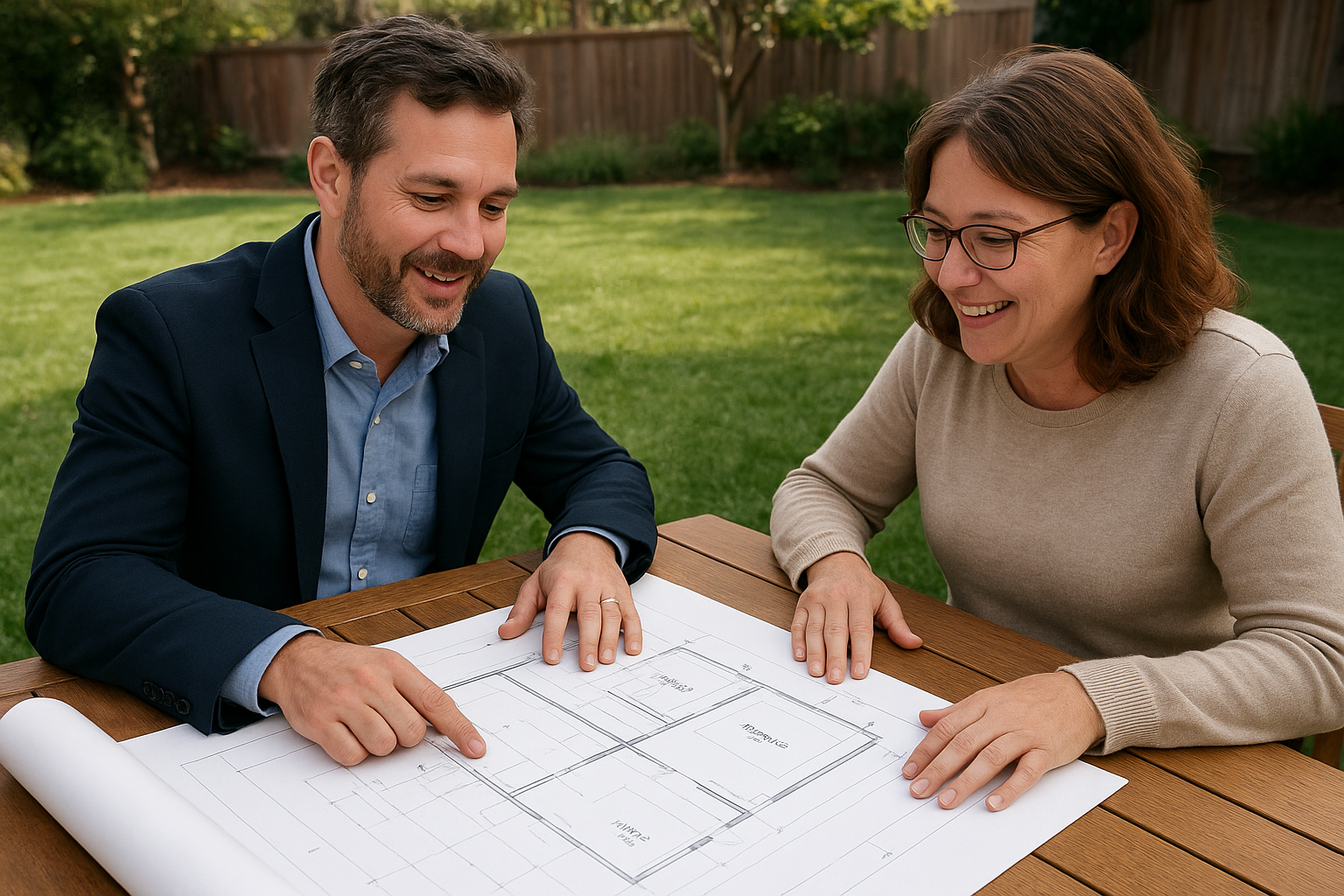
Early planning and feasibility review help avoid costly redesigns later in a net-zero ADU project.
Frequently Asked Questions About Net-Zero ADU Construction Southern California
What is net-zero ADU construction in Southern California?
Net-zero ADU construction Southern California refers to building an accessory dwelling unit designed to produce as much energy as it consumes over a year. This is typically achieved through high-performance insulation, efficient windows, and optional solar panels.
How does net-zero ADU construction differ from standard ADU construction?
Standard ADU construction meets minimum Title 24 code requirements, while net-zero construction exceeds those minimums with upgraded insulation and efficient systems. As a result, net-zero units cost more upfront but lower monthly operating costs.
How much does net-zero ADU construction cost in Southern California?
Net-zero ADU construction generally costs more than a baseline unit due to added insulation, glazing, and solar equipment. A site assessment provides the most accurate project-specific estimate.
How long does it take to build a net-zero ADU?
Most net-zero ADU projects take several months from design through final inspection, depending on city permit timelines. Units with solar integration often need additional coordination time.
What building materials are used in net-zero ADU construction?
Net-zero ADU construction commonly uses high-R-value insulation, energy-efficient windows, and durable framing materials. These choices reduce heat loss and improve long-term durability.
Does a net-zero ADU require solar panels?
Solar panels are optional but common since they offset remaining energy use after efficiency upgrades. A well-insulated unit can still achieve meaningful savings without solar.
What is Title 24 and how does it affect ADU construction?
Title 24 is California’s energy code setting minimum efficiency standards for new construction, including ADUs. Net-zero builders typically design well beyond these minimums.
Can an HOA block a net-zero ADU?
California state law limits how much HOAs can restrict ADU construction, though some design review conditions may still apply. Homeowners should check current state statutes and their HOA covenants.
Will a net-zero ADU trigger a property tax reassessment?
Adding an ADU typically increases assessed value only for the new structure under California’s supplemental assessment rules. Homeowners should confirm specifics with their county assessor.
What financing options exist for net-zero ADU construction?
Homeowners often use HELOCs, construction loans, or ADU-specific financing programs through third-party lending partners. A contractor coordinating these referrals can simplify comparisons.
What size ADU qualifies for net-zero design?
Net-zero principles can apply to ADUs from roughly 500 to 1,200 square feet. Smaller units often reach zero-net-energy performance more easily since they require less energy overall.
What are common mistakes homeowners make with net-zero ADU projects?
A common mistake is adding solar before maximizing insulation and air sealing, which wastes money on oversized equipment. Skipping a lot feasibility study is another frequent error.
What are best practices for maximizing energy efficiency in an ADU?
Best practices include prioritizing insulation and air sealing first, then efficient windows, then right-sized HVAC before adding solar. This order typically produces better long-term savings.
Who handles permits and engineering for net-zero ADU construction?
A design-build ADU contractor typically coordinates structural engineering, Title 24 documentation, and permit submittals with the local building department on the homeowner’s behalf.
Is a net-zero ADU worth the investment for rental income?
Net-zero ADUs can appeal to tenants because lower utility costs support competitive rent pricing. Over time, reduced operating costs may also improve net rental returns.
Final Thoughts on Net-Zero ADU Construction Southern California
Net-zero ADU construction Southern California offers homeowners a way to build a backyard home or garage conversion that costs less to operate over time while potentially appealing to energy-conscious renters. In particular, success depends on sequencing the work correctly: solid feasibility review, an envelope-first design approach, careful Title 24 compliance, and only then solar integration if desired.
As a result, partnering with a design-build contractor who manages design, permitting, engineering, and construction together can reduce coordination headaches and help the project move from concept to certificate of occupancy more smoothly. Ultimately, whether the goal is rental income, multigenerational housing, or simply lower utility bills, a well-planned net-zero ADU can be a sound long-term addition to a Southern California property.

