
Understanding additional dwelling unit cost is the single most important step before breaking ground on an ADU — because without a realistic budget, projects stall, loans fall short, and timelines collapse. An additional dwelling unit (ADU) is a self-contained residential unit built on the same lot as a primary home, and in 2025, costs vary enormously based on type, location, and finish level.
According to Wikipedia’s overview of accessory dwelling units, ADUs have surged in popularity as a response to housing shortages and rising property values. However, most homeowners are surprised by how quickly costs accumulate once permits, design, and site work are factored in.
This guide breaks down every major cost category so you can build a confident, realistic ADU budget from day one.
Quick Answer
The total additional dwelling unit cost in 2025 typically falls between $80,000 and $300,000+, depending on ADU type, local labor markets, permit fees, and finish quality. Garage conversions sit at the lower end, while custom detached ADUs in high-cost cities can exceed $400,000.
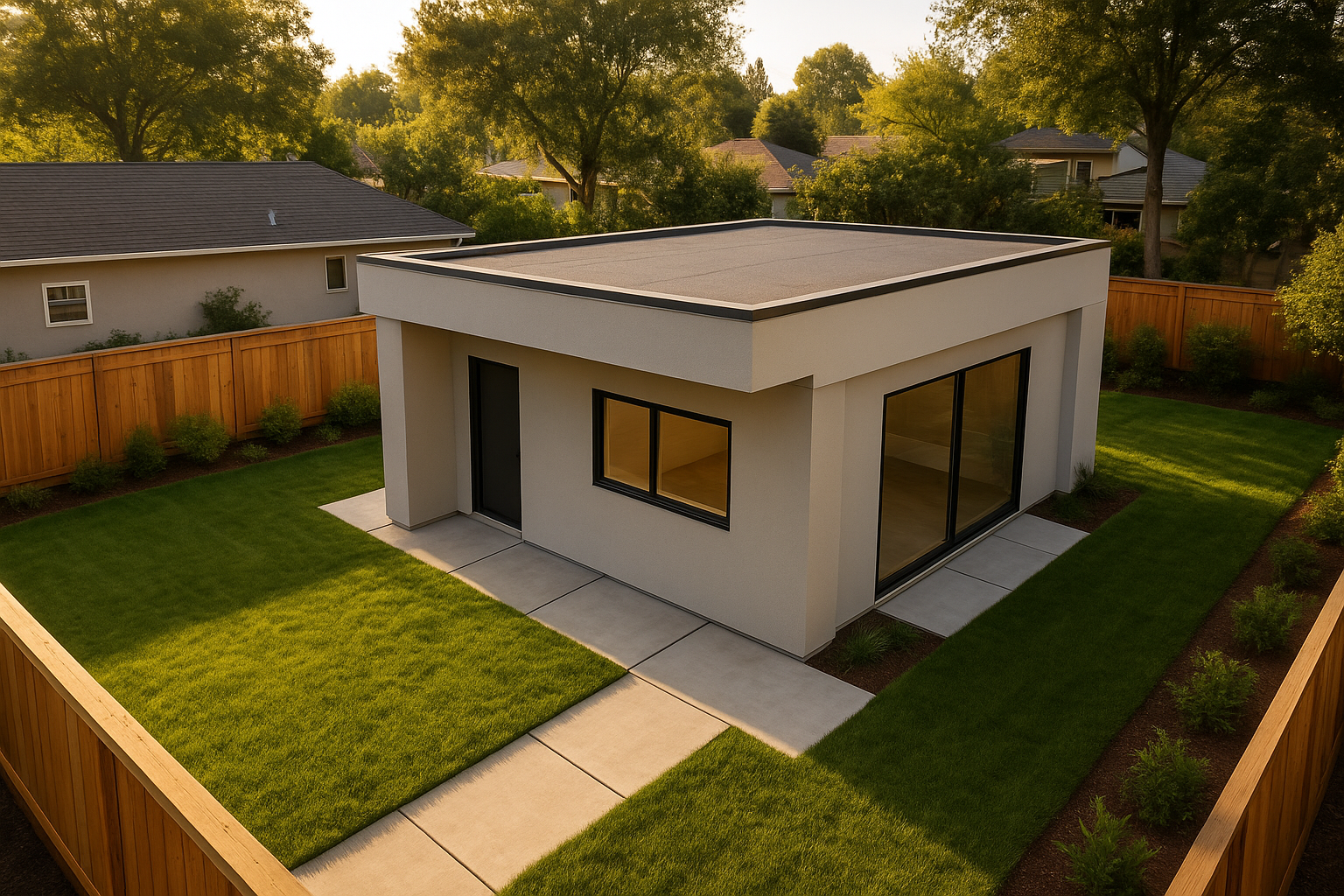
A completed detached ADU — one of the most common but costliest additional dwelling unit types to build. For a deeper walkthrough, see our Accessory Dwelling Unit Permit: Complete Guide 2024.
ADU Types and Their Price Ranges
Not all ADUs cost the same. Therefore, the first decision you make — which type to build — will define your entire budget range before a single permit is filed.
Detached ADU
A standalone structure in the backyard. Cost: $150,000 – $300,000+. Because it requires its own foundation, framing, roof, and utility connections, it is the most expensive option.
Attached ADU
Shares at least one wall with the primary residence. Cost: $100,000 – $200,000. Shared structure reduces foundation and roofing expenses significantly.
Garage Conversion
Converts an existing garage into livable space. Cost: $80,000 – $150,000. The most budget-friendly route because the shell already exists.
Junior ADU (JADU)
Carved from existing interior space, typically under 500 sq ft. Cost: $40,000 – $80,000. Limited in size but the fastest and cheapest path to an income unit.
Permit Fees, Design, and Soft Costs
Beyond construction, soft costs can add $20,000 to $50,000 to your total. Additionally, many homeowners underestimate these line items when building their initial budget.
Architectural design typically costs $5,000 to $20,000. Most jurisdictions require stamped drawings for permit submission. However, some cities offer pre-approved ADU plan programs that can reduce this expense substantially.
Permit fees range from $3,000 to $15,000. In California, state law caps impact fees for ADUs under 750 square feet, which has helped lower costs in many municipalities. Meanwhile, other states have no such cap, so fees can climb higher.
Engineering and soil reports add another $2,000 to $8,000 in most cases. As a result, always request a full soft-cost breakdown from your design team before finalizing your budget.
What Does the Construction Phase Actually Cost?
Construction is the largest single expense. In practice, most contractors price ADU builds on a cost-per-square-foot basis, which typically falls between $200 and $500 per square foot in 2025.
For example, a 600-square-foot detached ADU at $300 per square foot yields a base construction cost of $180,000 — before permits, design, or site work. In high-cost markets like San Francisco or Los Angeles, that same unit could easily reach $360,000 or more.
Key construction line items include:
- Foundation and framing — $30,000 to $80,000 for detached units
- Roofing — $8,000 to $20,000 depending on material and pitch
- Electrical, plumbing, and HVAC — $25,000 to $60,000 combined
- Insulation and drywall — $8,000 to $18,000
- Kitchen and bathroom finishes — $15,000 to $50,000+ depending on specification level
- Windows and exterior doors — $6,000 to $15,000
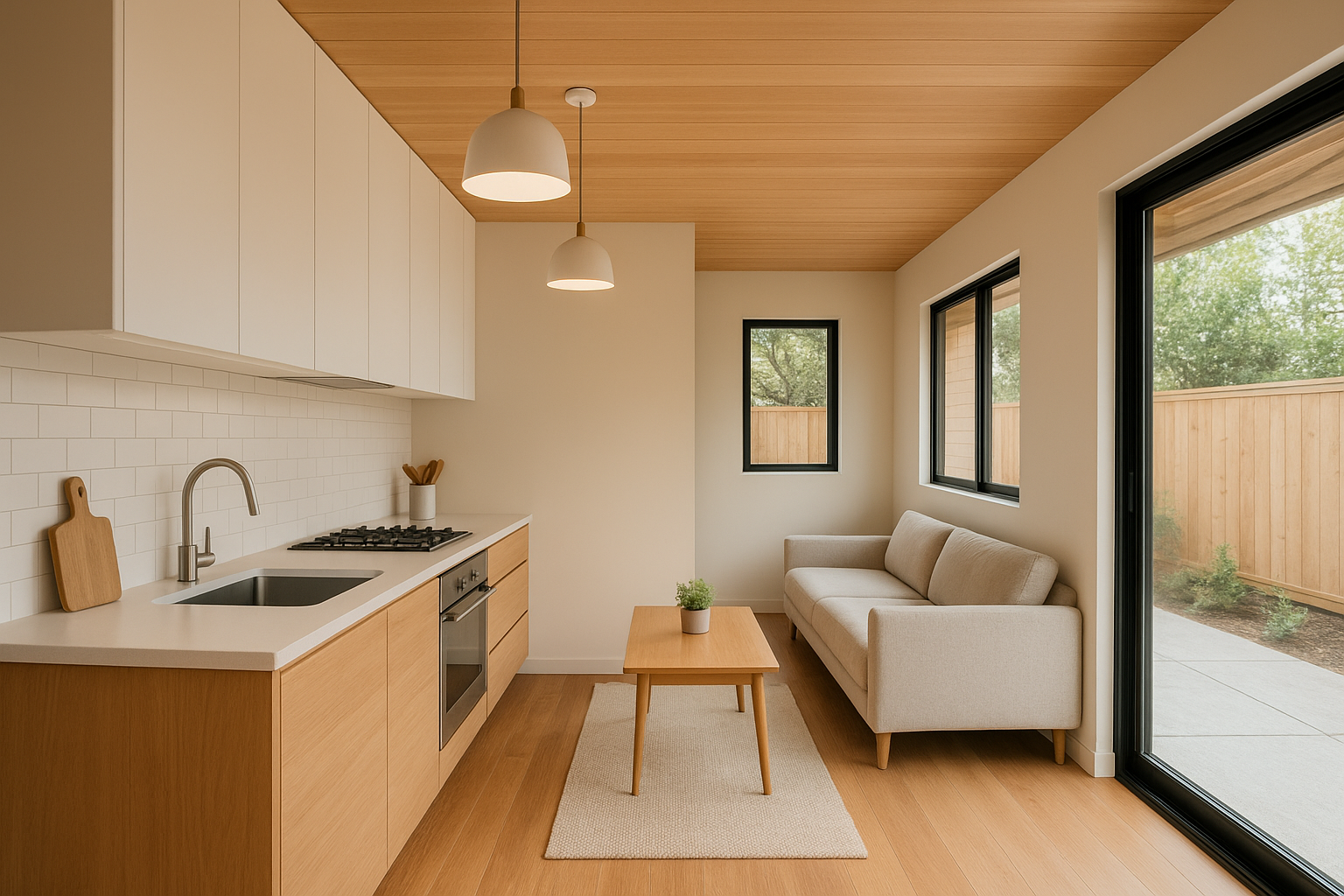
Interior finish level is one of the biggest variables in total additional dwelling unit cost — standard finishes can save $30,000 or more.
Site Work and Utility Connections
Site preparation is one of the most unpredictable cost categories. Factors like slope, soil conditions, tree removal, and access all affect how much you’ll spend before construction even begins.
Utility connections — water, sewer, gas, and electrical — can add $10,000 to $40,000 depending on how far the ADU sits from existing service lines. Furthermore, some older properties require panel upgrades to accommodate a second dwelling unit, which adds another $3,000 to $8,000.
Grading and drainage work ranges from $2,000 to $15,000 on flat lots, but can exceed $30,000 on steep or poorly draining sites. Because site conditions are so variable, always get a geotechnical assessment before finalizing your budget.
How to Build Your ADU Budget Step by Step
Building a reliable budget requires moving through a clear process rather than guessing at a total number. Follow these five steps to arrive at a realistic figure:
- Choose your ADU type — Decide between detached, attached, garage conversion, or JADU based on your lot, goals, and initial budget range.
- Research local permit fees and zoning rules — Contact your city or county planning department to confirm current ADU permit fees, setback requirements, and maximum size limits.
- Get contractor bids and design quotes — Obtain at least three contractor bids and a design quote. Compare them carefully, as labor rates vary significantly by region.
- Add a contingency buffer — Add 15% to 20% on top of your total estimate. This buffer covers unexpected soil issues, utility upgrades, or design revisions.
- Explore financing options — Compare home equity loans, HELOCs, cash-out refinancing, and ADU-specific loan programs. Resources like The ADU Pro can help you evaluate financing paths specific to your situation.
Prefab vs. Site-Built: Which Costs Less?
Prefabricated or modular ADUs have grown in popularity because they promise faster timelines and more predictable costs. In general, prefab ADUs cost $100,000 to $200,000 all-in — roughly 20% to 30% less than a comparable site-built unit.
However, the savings are not as dramatic as they first appear. Site preparation, foundation work, and utility connections cost the same regardless of build method. Therefore, the total savings from going prefab are often closer to 10% to 15% once all costs are included.
Site-built ADUs, in contrast, offer more design flexibility and can be tailored precisely to your lot’s unique conditions. For most homeowners, the choice comes down to timeline and customization priorities rather than cost alone.
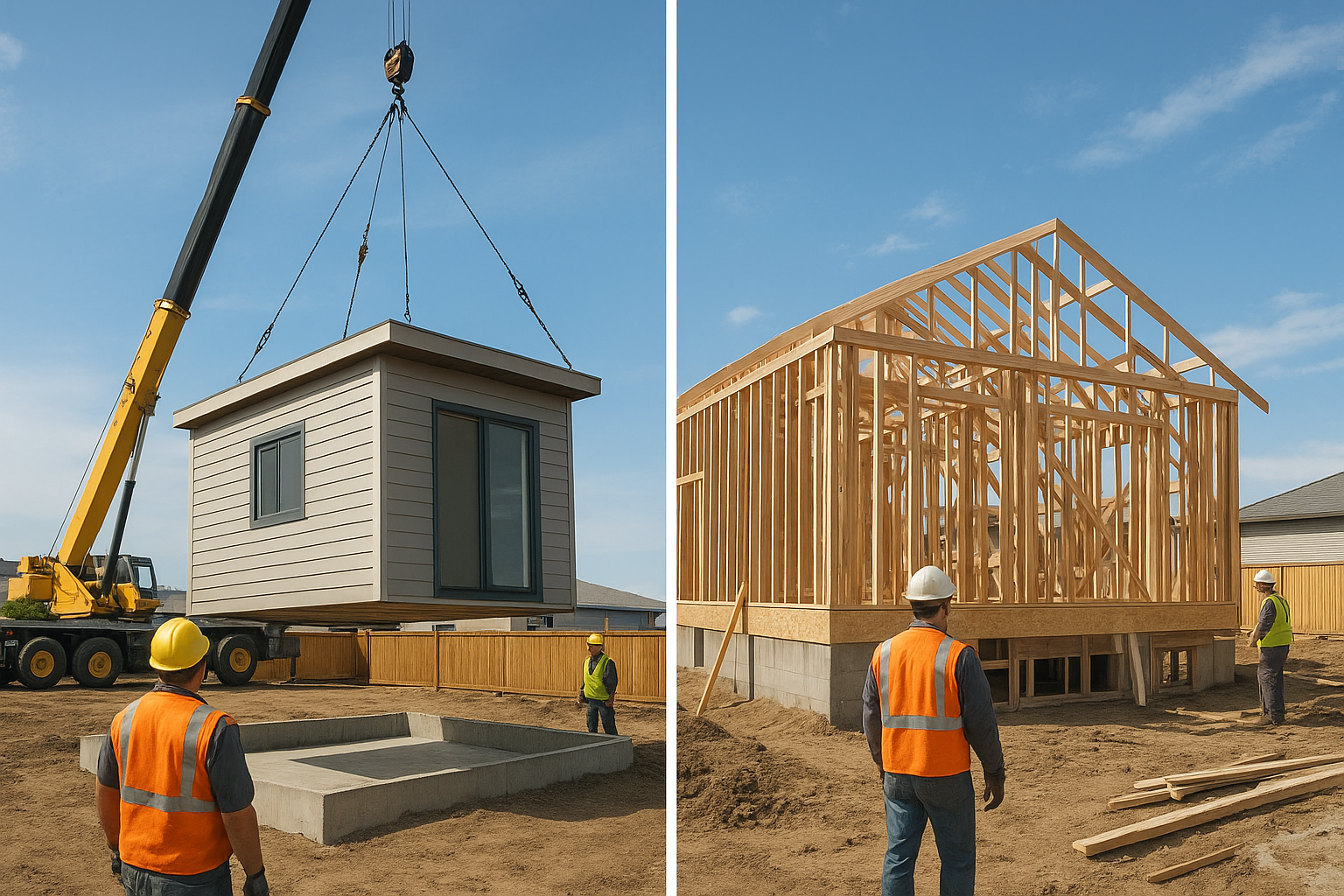
Prefab ADUs can reduce build time significantly, though site preparation costs remain similar to site-built options.
Return on Investment and Long-Term Value
Despite the significant upfront cost, ADUs consistently deliver strong returns. Research suggests a well-built ADU can increase property value by 20% to 30%, particularly in markets with high rental demand.
Additionally, rental income can offset construction costs within 5 to 10 years in most metropolitan areas. For example, a $200,000 ADU renting at $2,000 per month generates $24,000 annually — recovering costs in roughly 8 to 9 years before appreciation is even considered.
Furthermore, ADUs provide multigenerational housing flexibility — allowing homeowners to house aging parents or adult children while maintaining financial independence. This dual-use value is difficult to quantify but meaningful to many families.
Common Budget Mistakes to Avoid
Many ADU projects run over budget not because of construction surprises, but because of planning errors made at the start. The most common mistakes include:
- Underestimating soft costs — Design, engineering, and permit fees often account for 15% to 20% of total project cost.
- Ignoring site conditions — Slope, poor drainage, and old utilities can add tens of thousands of dollars unexpectedly.
- Choosing finishes too early — Locking in high-end finishes before getting contractor bids inflates budgets before you have real numbers.
- Skipping the contingency — Projects without a 15% to 20% buffer routinely run short of funds mid-construction.
- Not comparing financing options — Interest rates and loan structures vary significantly; choosing the wrong product can cost thousands over the loan term.
Pro Tip
Before committing to any contractor, use a specialist resource like The ADU Pro to validate your cost estimates and understand what financing options are available in your area. A second opinion at the planning stage can save significant money.
How Does Additional Dwelling Unit Cost Compare Across States?
The additional dwelling unit cost varies dramatically by state and even by city within the same state. California, New York, and Washington consistently rank among the most expensive markets, while Texas, Arizona, and the Midwest offer lower construction costs.
In California, a detached ADU in Los Angeles averages $250,000 to $400,000. Meanwhile, a comparable unit in Phoenix, Arizona might cost $150,000 to $220,000. Labor availability, land costs, and local regulatory environments all contribute to these regional differences.
As a result, always benchmark your estimates against local comparables rather than national averages. National figures are useful for initial planning, but local contractor quotes are the only reliable source for final budgeting.
Conclusion: Planning Your ADU Budget Confidently
Understanding additional dwelling unit cost in full — from soft costs and permits to construction and site work — is what separates successful ADU projects from stalled ones. In 2025, most homeowners should budget between $100,000 and $300,000 depending on their chosen ADU type, local market, and finish level.
The key is to start with a realistic cost framework, add a proper contingency buffer, and explore financing options early. Because ADUs deliver strong long-term returns through rental income and property value appreciation, the upfront investment is well justified for most homeowners.
Finally, partner with experienced professionals who specialize in ADU planning to avoid the common budget pitfalls that derail so many projects before they even begin.
Frequently Asked Questions About ADU Costs
What is the average additional dwelling unit cost in 2025?
The average additional dwelling unit cost in 2025 ranges from $80,000 for a basic garage conversion to over $300,000 for a custom detached ADU in high-cost markets. Most homeowners spend between $150,000 and $250,000 for a new detached unit. Location and finish level are the two biggest variables.
What factors most affect ADU construction cost?
The biggest cost drivers are ADU type, local labor rates, lot conditions, utility connection requirements, and finish level. Location alone can cause costs to vary by 40% or more between markets.
How much do ADU permit fees typically cost?
ADU permit fees typically range from $3,000 to $15,000 depending on jurisdiction, unit size, and local fee schedules. Some California cities have capped impact fees for ADUs under 750 square feet, which has helped reduce costs for many homeowners.
Is a garage conversion the cheapest ADU option?
Yes, garage conversions are generally the most affordable ADU type, costing between $80,000 and $150,000. Because the structure already exists, you save significantly on foundation and framing costs.
How long does it take to build an ADU?
From permit approval to move-in, most ADUs take 6 to 18 months. Prefab or modular ADUs can shorten the construction phase to 3 to 6 months once permits are secured, though site preparation timelines remain similar.
Can I finance an ADU with a home equity loan?
Yes, home equity loans and HELOCs are among the most common ADU financing options. Cash-out refinancing, construction loans, and ADU-specific loan programs are also available depending on your equity and credit profile.
Do ADUs add value to my property?
Yes, ADUs typically add significant resale value. Studies suggest a well-built ADU can increase property value by 20% to 30%, and rental income can offset construction costs within 5 to 10 years in most markets.
What is the cost per square foot to build an ADU?
ADU construction costs typically range from $200 to $500 per square foot in 2025. High-cost markets like San Francisco or New York can push costs above $600 per square foot for fully custom builds.
Are there hidden costs when building an ADU?
Common hidden costs include utility upgrades, soil testing, tree removal, grading, design revisions, and HOA approval fees. Always budget a 15% to 20% contingency on top of your base estimate to cover these surprises.
What is the difference in cost between a detached and attached ADU?
Detached ADUs are standalone structures and typically cost $150,000 to $300,000 or more. Attached ADUs share a wall with the main house and generally cost $100,000 to $200,000 because they require less new foundation and roofing work.
How much does a prefab ADU cost compared to a site-built one?
Prefab ADUs typically cost $100,000 to $200,000 all-in, which is often 20% to 30% less than a comparable site-built unit. However, site preparation and utility connections still add significant cost regardless of build method.
What are the ongoing costs of owning an ADU?
Ongoing ADU costs include property tax increases, insurance, maintenance, and utilities. If rented, landlord responsibilities and potential property management fees also apply. Budget roughly 1% of the ADU’s value annually for maintenance.
Do I need an architect to design an ADU?
Most jurisdictions require stamped architectural drawings for ADU permits. Architect fees typically range from $5,000 to $20,000, though some pre-approved ADU plan programs can reduce or eliminate this cost. Always confirm local requirements before hiring a design professional.