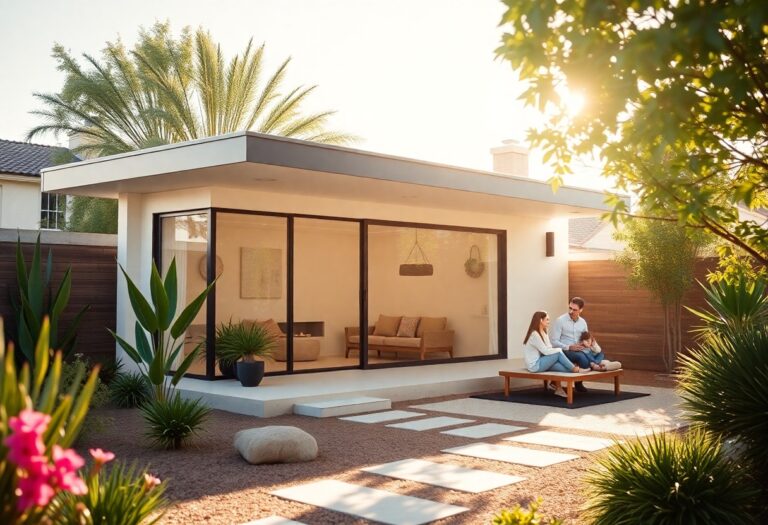
California ADUs are quietly rewriting the rules of homeownership across the West Coast. Known as ADUs, granny flats, or in-law suites, these secondary homes include a kitchen, bathroom, and private entrance. They let you add rentable square footage, house aging parents, or capture equity without buying a new lot. This guide explains what California ADUs cost, how approvals work, and why 2024 is a pivotal year for backyard homes.
Key Takeaways
- Real Affordability: Accessory dwelling units cost far less per square foot than a new single-family home, giving renters and multigenerational families a lower-cost path to housing.
- Flexible Living Spaces: These units work as rentals, home offices, guest houses, or private in-law suites — often within the same footprint over time.
- Sustainable Density: Because ADUs use existing lots, they add housing supply without the environmental cost of sprawling new subdivisions.
- Faster Approvals in 2024: Streamlined state law now requires many California cities to approve ADU permits in 60 days or less.
What Are Accessory Dwelling Units? Definition, Types, and Key Terms
In plain terms, accessory dwelling units are secondary, self-contained homes built on a lot that already has a main house. They include their own kitchen, bathroom, and entrance, which legally separates them from a simple room addition. For a formal definition, the Wikipedia entry on secondary suites outlines how this housing type is classified across North America, while California’s own Department of Housing and Community Development publishes the state’s official ADU handbook.
Before comparing costs or benefits, it helps to know the four main categories homeowners actually build. Each option affects your budget, timeline, and privacy differently.
| Type | Description | Typical Cost Range |
| Detached ADU | A freestanding structure, usually in the backyard, offering maximum privacy. | $150,000–$300,000 |
| Attached ADU | Built onto the primary home, sharing at least one wall for easier access. | $100,000–$220,000 |
| Garage Conversion ADU | An existing garage or basement converted into a livable unit. | $80,000–$150,000 |
| Junior ADU (JADU) | A smaller unit built within the existing walls of the primary home. | $40,000–$90,000 |
Why Homeowners Choose ADUs Over Other Additions
Given rising housing costs, an accessory dwelling unit often makes more financial sense than a full home addition. Specifically, ADUs generate rental income, house aging parents or adult children, and raise resale value — all without the cost of buying a second property. As a result, many homeowners view an ADU as a self-funding investment rather than a simple expense.
The California Housing Crisis and the Rise of ADUs
There’s no denying that California faces a severe housing shortage, driven by surging demand and stubbornly limited supply. Consequently, home prices and rents have climbed out of reach for many working families. As population growth continues to outpace new construction, accessory dwelling units have become one of the state’s few realistic near-term fixes.
Affordable Housing Shortage
Median home prices have pushed many Californians out of traditional ownership entirely. In turn, this has sparked growing interest in ADUs as a genuinely feasible way to create affordable living space on land people already own.
How Zoning Laws Shape ADU Development
Beneath the surface of the housing crisis, outdated zoning laws have long complicated ADU development. These frameworks were designed to preserve neighborhood character, but they also restrict density and slow down approvals. Although recent state reforms have loosened many of these rules, complex local processes and high permit fees still discourage some homeowners from building. If these remaining barriers were addressed, accessory dwelling units could resolve an even larger share of California’s housing gap.
California’s Legislative Support for Accessory Dwelling Units
California has made major legislative strides to promote ADU development. With growing support from state lawmakers, streamlined permitting and reduced bureaucratic hurdles now make it far easier to add a unit to your property than it was five years ago.
Recent Laws and Financial Incentives
Recent state incentives include streamlined ministerial permitting and low-interest loan programs designed to make ADU construction more affordable. For a deeper walkthrough, see our Understanding California’s 2025 ADU Laws: Insights from an Experienced ADU Contractor. As these rules continue evolving, homeowners gain more room to invest confidently in ADUs.
Real Success Stories from California Homeowners
Countless homeowners across the state have repurposed garages and basements into beautiful, income-generating units. In cities like Los Angeles and San Diego, for example, families have used ADUs to house elderly parents nearby while preserving everyone’s independence — a benefit that goes well beyond the financial upside.
Economic Benefits of Building an Accessory Dwelling Unit
Your investment in an accessory dwelling unit brings measurable economic upside beyond simple square footage. From higher resale value to steady rental income, these units function as a genuine real estate strategy rather than a passing trend.
How ADUs Increase Property Value
Because buyers increasingly want flexible living options, homes with a completed ADU tend to sell faster and for more. For a deeper look at how these units affect long-term equity, browse our collection of articles on ADU value.
Generating Rental Income with Your ADU
Once construction wraps up, many owners discover a genuinely lucrative rental opportunity next door. Renting your unit can offset your mortgage or fund future projects entirely. If you want to weigh the numbers more carefully, our guide on accessory dwelling units from an investor’s perspective breaks down real return-on-investment scenarios. Before you begin, though, be sure to check local zoning and rental regulations so your investment stays fully compliant.
How Much Does It Cost to Build an Accessory Dwelling Unit?
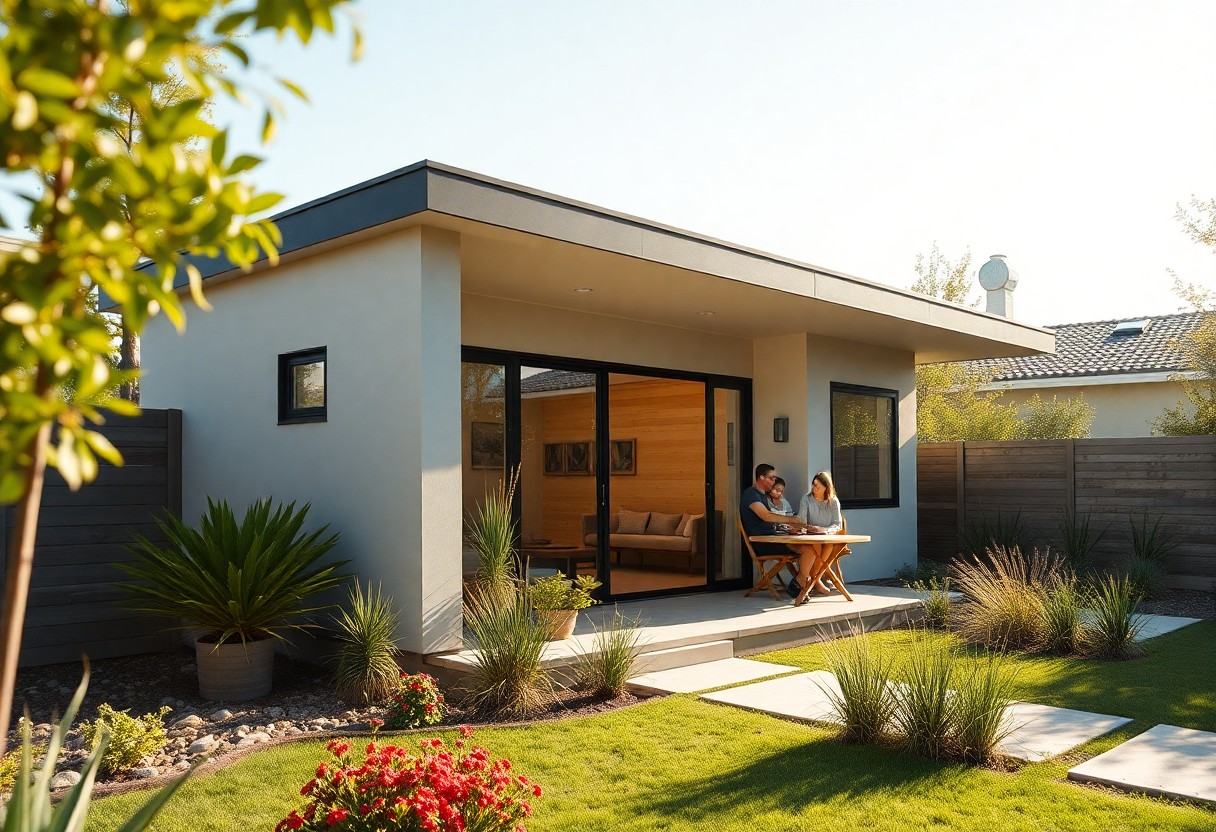
Naturally, cost is the first question most homeowners ask. As shown in the type comparison above, a junior ADU can run as little as $40,000, while a fully detached unit with a separate foundation often exceeds $250,000. Specifically, your final number depends on square footage, foundation type, utility hookups, and finish level.
Financing Options for Your ADU Project
- Home equity loans or HELOCs: Borrow against existing equity at competitive rates.
- Cash-out refinancing: Replace your existing mortgage with a larger one to fund construction.
- State and local grant programs: Some California jurisdictions offer forgivable loans for low-income homeowners.
- Construction loans: Short-term financing that converts into a permanent loan once the ADU is complete.
How to Build an Accessory Dwelling Unit: A Step-by-Step Process
Building an ADU follows a fairly predictable sequence, regardless of which type you choose. Below is the process most California homeowners follow from idea to move-in day.
- Research zoning and feasibility. Confirm your lot size, setbacks, and local ADU ordinance before spending money on design, since every California city applies its own overlay rules.
- Plan your layout and design. Work with a designer to maximize small footprints efficiently; our guide on saving space and increasing reliability in ADU designs covers practical layout strategies that stretch every square foot.
- Secure financing. Compare home equity loans, cash-out refinances, and local grant programs to find the option that fits your monthly budget and long-term goals.
- Obtain permits and approvals. Submit your plans for ministerial review, which California law now requires most cities to process within 60 days of a complete application.
- Complete construction. Expect four to eight months of active building, depending on ADU type, site conditions, and contractor availability in your area.
- Finalize inspections and occupy or rent. Once your final inspection passes, you can move in family members or list the unit for rent to start generating income immediately.
Community Perspectives on Accessory Dwelling Units
As California continues to see more accessory dwelling units built each year, community perspectives remain genuinely mixed. Understanding these viewpoints helps you plan a project that fits your neighborhood rather than fighting it.
Public Reception and Common Concerns
Some neighbors worry about parking, noise, or perceived overcrowding. In contrast, most studies show well-designed ADUs have minimal impact on surrounding traffic or property values. Open conversation with neighbors early in the process tends to resolve most concerns before they escalate.
Integrating ADUs into Existing Neighborhoods
Thoughtful design guidelines help new units blend into their surroundings rather than stand out. Local governments increasingly host workshops and public meetings specifically to gather resident input on ADU design standards, which ultimately produces more livable, better-integrated streets.
Future Trends and Innovations Shaping Accessory Dwelling Units
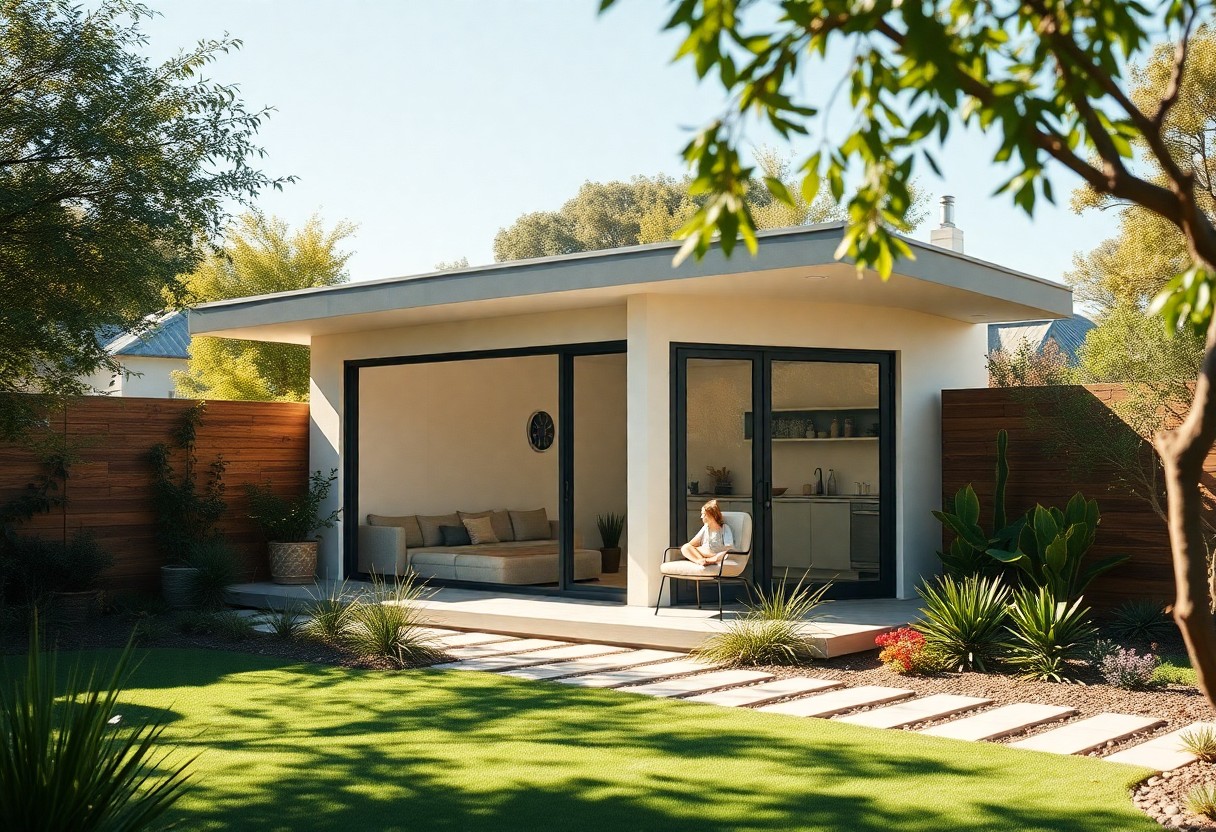
Unlike traditional housing additions, ADUs are evolving fast. Experts predict advanced, sustainable design will define the next wave of backyard homes. To see how these trends are already taking shape, check out Accessory Dwelling Units (ADU) Are All The Rage In California.
Design and Sustainability Trends
More homeowners now choose eco-friendly materials and energy-efficient systems for their ADUs. This approach benefits the environment while also lowering monthly utility bills over the life of the unit.
Technology’s Growing Role in ADU Development
Smart-home features now let owners manage energy use, security, and automation from a smartphone. In addition, modular construction techniques shorten build times considerably, while design software improves budget accuracy from the very first sketch.
Finding the Right ADU Plans and Location Near You
Once you’re ready to move forward, choosing proven plans saves both time and money. Our ADU plans for Westminster page shows pre-designed layouts suited to common Southern California lot sizes. Similarly, if you’re still exploring whether an ADU fits your property at all, our complete guide to finding an accessory dwelling unit near you walks through local search strategies and contractor vetting step by step.
Final Thoughts on Accessory Dwelling Units in 2024
On the whole, it’s easy to see why accessory dwelling units have become the hottest housing trend on the West Coast this year. These adaptable units solve real problems — from California’s housing shortage to your own need for rental income or space for family. As the state continues to promote its California ADU Laws Expected To Boost Affordable Inventory, tapping into this trend now could pay off for years to come.
Frequently Asked Questions About Accessory Dwelling Units
Q: Why are accessory dwelling units becoming so popular in California?
A: Housing shortages, government incentives, and shifting demographics all drive demand for accessory dwelling units. As prices rise, homeowners look for ways to generate rental income, while younger renters seek affordable space near urban centers. Streamlined state permitting has made it far easier to build than it was even five years ago.
Q: What benefits do ADUs offer homeowners?
A: Beyond rental income, ADUs raise resale value, support multi-generational living, and let families house aging parents or adult children nearby. Together, these benefits make ADUs one of the few home improvements that can pay for itself.
Q: Are there challenges to building an ADU in California?
A: Yes. Zoning rules vary by city, and permit costs plus construction expenses can add up quickly. For a deeper walkthrough, see our Which Zoning Laws Affect ADU Construction? A Complete California Guide. Consulting a professional early helps you avoid costly surprises later.
Q: How big can an accessory dwelling unit be?
A: State law generally allows detached ADUs up to 1,200 square feet, though local ordinances may set different limits based on lot size. Junior ADUs are capped at 500 square feet since they’re built within the existing home.
Q: Do I need a permit to build an ADU?
A: Yes, every ADU requires a building permit, and most California cities must review complete applications on a ministerial basis within 60 days. Skipping this step risks fines, stop-work orders, and complications when you eventually sell.
Q: Can I rent out my ADU short-term, like on Airbnb?
A: It depends on your city. Many California municipalities restrict short-term rentals for ADUs to encourage long-term housing use instead, so always confirm local rules before listing your unit on a booking platform.
In summary, accessory dwelling units offer a rare combination of affordability, flexibility, and long-term financial upside that few other home improvements can match. Whether you’re chasing rental income, planning for aging parents, or simply maximizing your lot, building an ADU in 2024 puts you ahead of a trend that’s only accelerating across California.