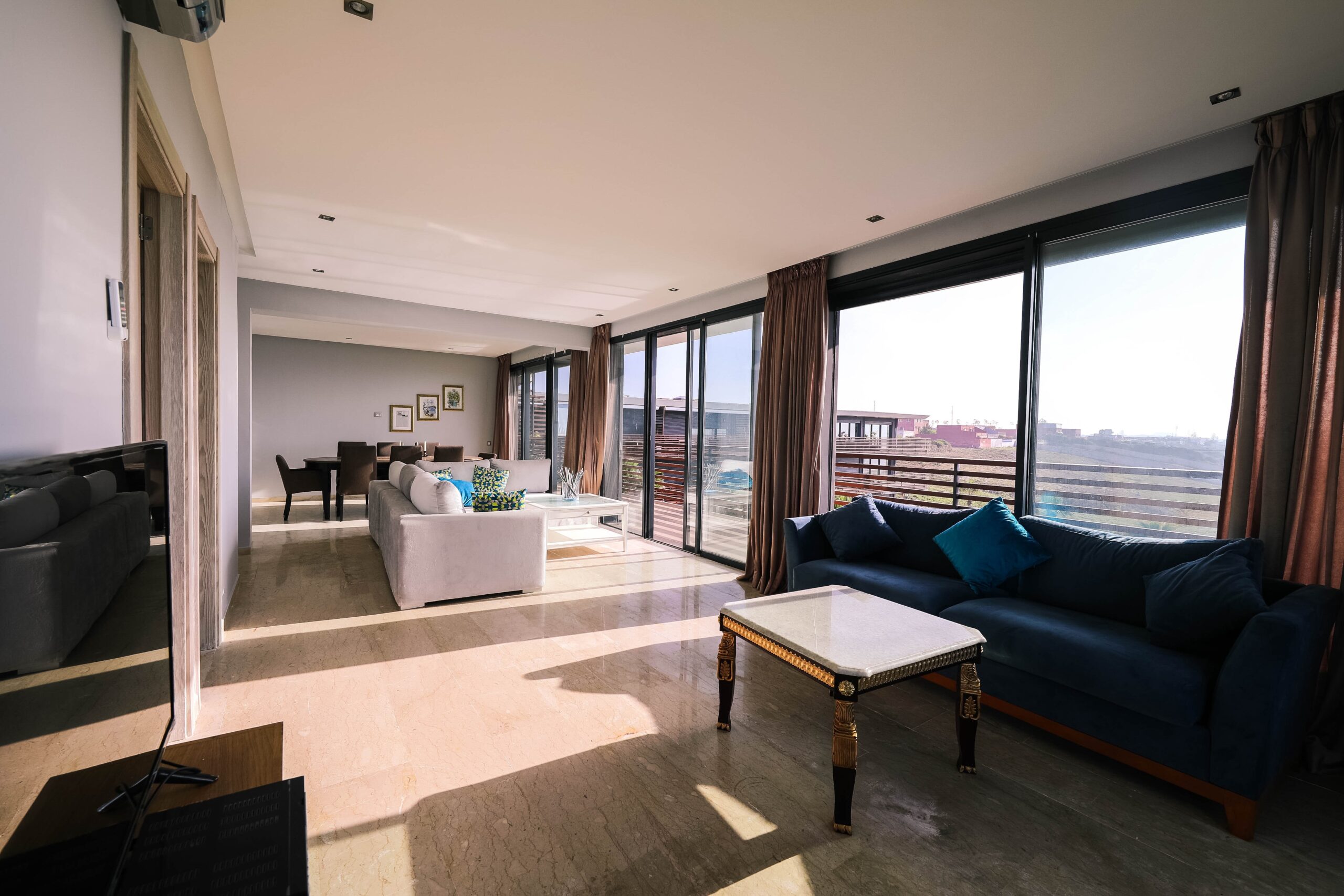
Accessory dwelling units, commonly shortened to ADUs, are small independent homes built on the same lot as a single-family house, and they have quickly become one of the most practical housing tools available to California homeowners today. Whether you know them as granny flats, in-law suites, backyard cottages, or secondary units, these compact residences share one purpose: they add livable, legally permitted space to a property without requiring a new lot or subdivision. In addition
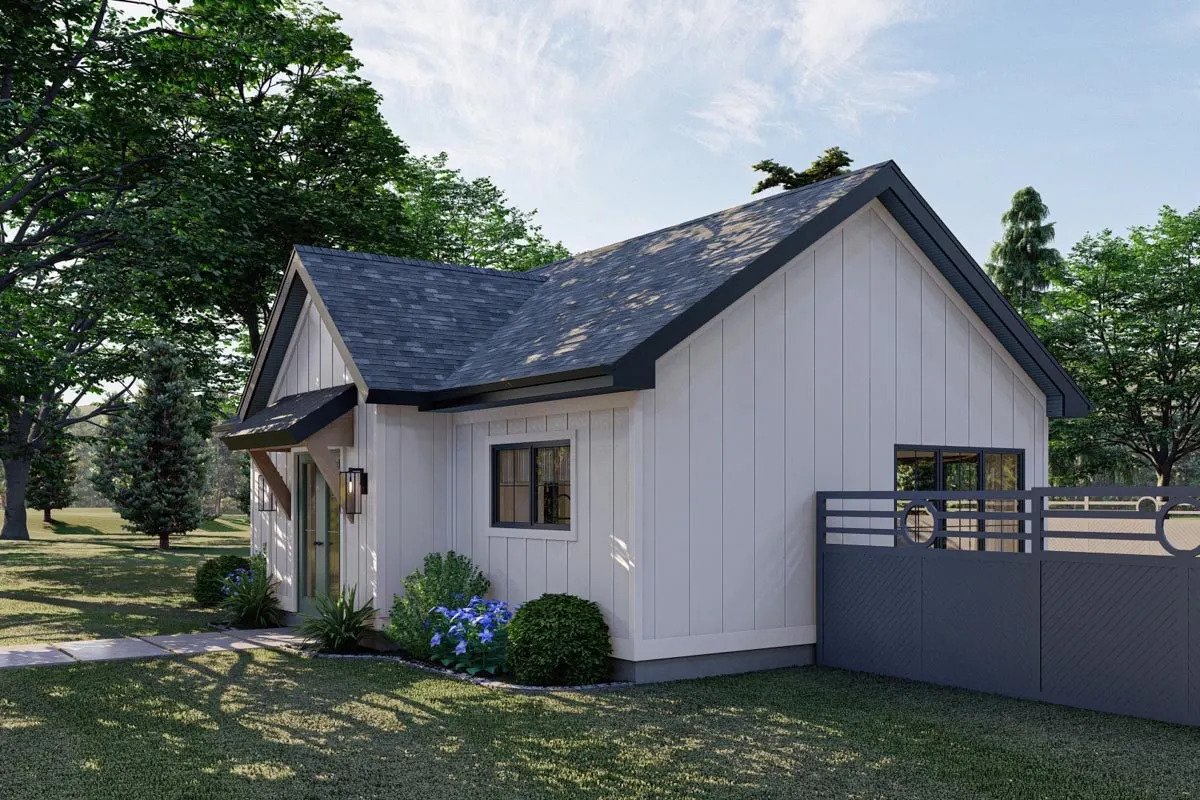
ADU design is the single most important decision you’ll make before a single wall goes up on your accessory dwelling unit. Often called granny flats, backyard cottages, or secondary suites, ADUs have become one of the fastest-growing housing solutions across the United States. However, a great ADU isn’t just about square footage — it’s about how thoughtfully that space is planned. A well-executed
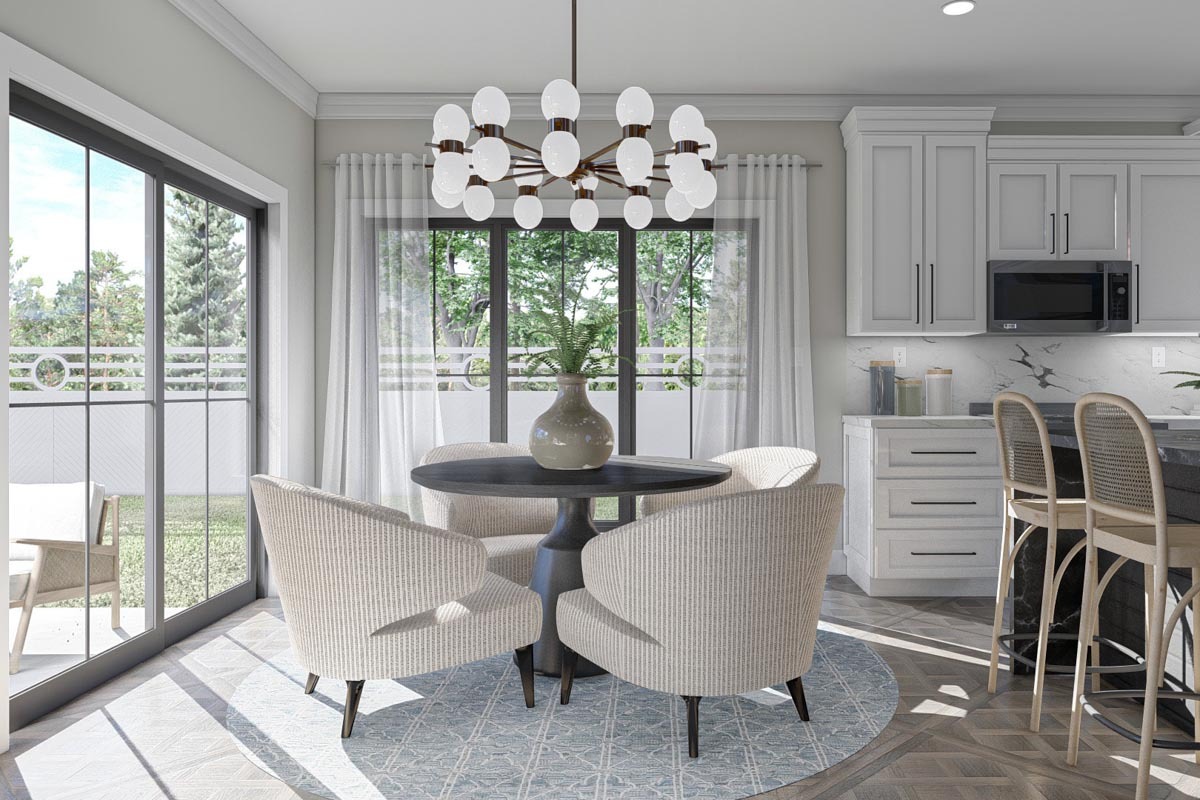
An ADU (accessory dwelling unit) is a smaller, fully self-contained home built on the same lot as a single-family house. An ADU goes by many names — granny flat, in-law suite, backyard cottage, or secondary suite — but every version serves the same purpose: adding an independent living space to a residential property. Whether you want an ADU for rental income, multigenerational living, or flexible extra space, understanding exactly
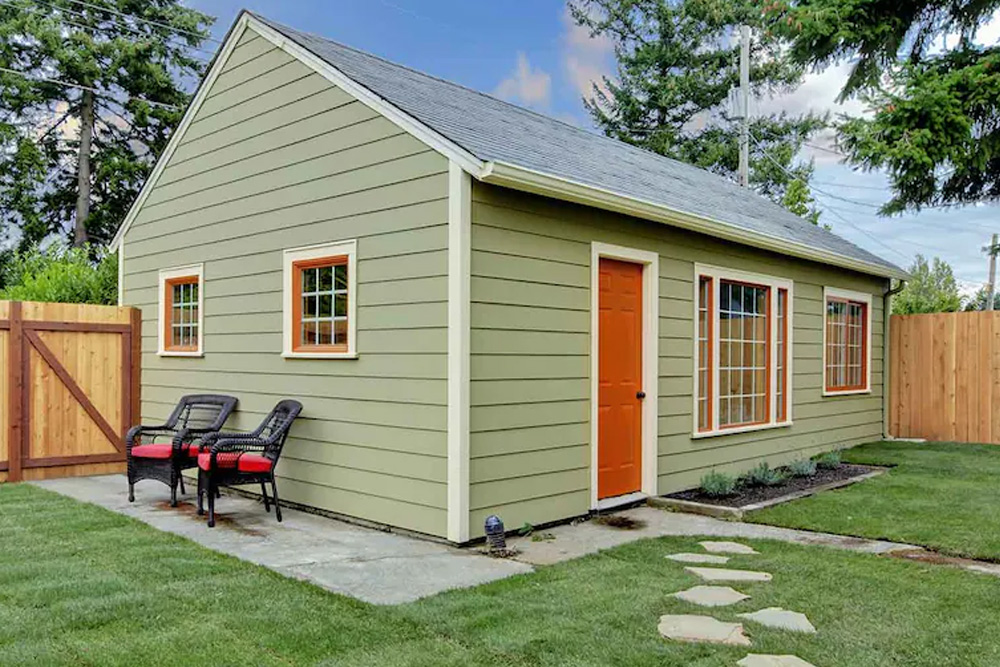
ADU construction is transforming how American homeowners create extra living space, generate rental income, and boost property value — all without buying a new lot. Whether you call it a granny flat, in-law suite, or backyard cottage, an Accessory Dwelling Unit (ADU) is a legally permitted secondary home built on the same lot as your primary residence. In this guide, we go far beyond a
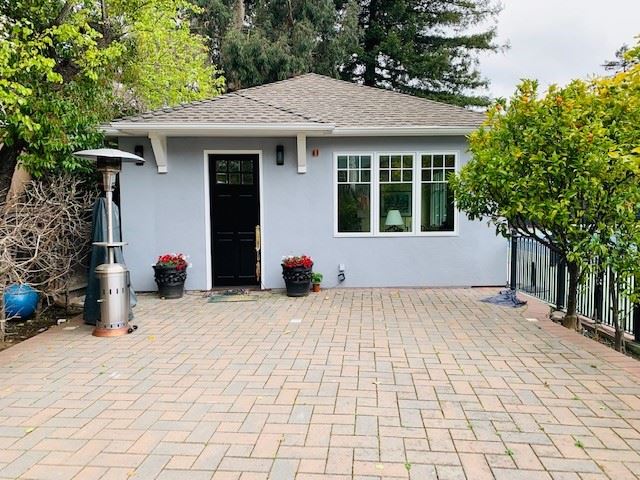
An accessory dwelling unit (often shortened to ADU) is a smaller, independent living space built on the same lot as a single-family home. Unlike a spare bedroom or a finished basement that’s simply part of the main house, an accessory dwelling unit includes its own entrance, kitchen, bathroom, and sleeping area — which makes it a fully self-contained home in miniature. Homeowners build accessory dwelling units to house aging