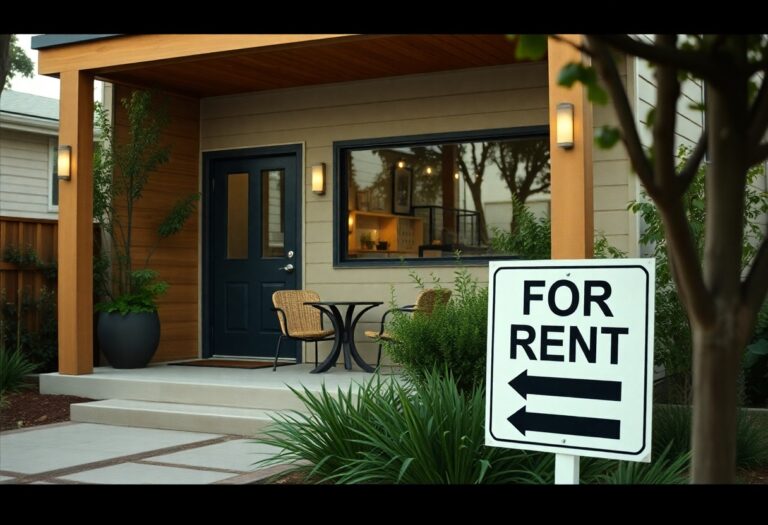
An accessory dwelling unit (often shortened to ADU) is a secondary, self-contained home built on the same lot as an existing single-family house — think of a converted garage, a basement apartment, or a small backyard cottage. For homeowners, an accessory dwelling unit is one of the fastest ways to add rental income, house a family member, or increase property value. However, successfully building, permitting, and renting out an accessory dwelling unit requires real knowledge of zoning rules, construction costs, and tenant management. This guide covers all of it — from the legal definition of an ADU to pricing your rental for maximum profit — so you never have to search for a second source.
Key Takeaways
- Definition: An accessory dwelling unit is a legally permitted secondary home on a single-family lot, distinct from a junior ADU or guest house.
- Market Research: Study local rental prices before setting a rate for your ADU. For a deeper walkthrough, see our The Expert Guide to Home Extension Contractors 2026.
- Curb Appeal: Enhance the exterior and interior of your accessory dwelling unit to attract quality tenants.
- Legal Compliance: Confirm your ADU satisfies zoning laws, permits, and rental regulations before listing it.
- Financing: Understand renovation loans, cash-out refinancing, and ADU-specific mortgage products before you build.
- Strong Communication: Maintain clear communication with tenants to encourage renewals and protect your investment.
What Is an Accessory Dwelling Unit? Definition and Overview
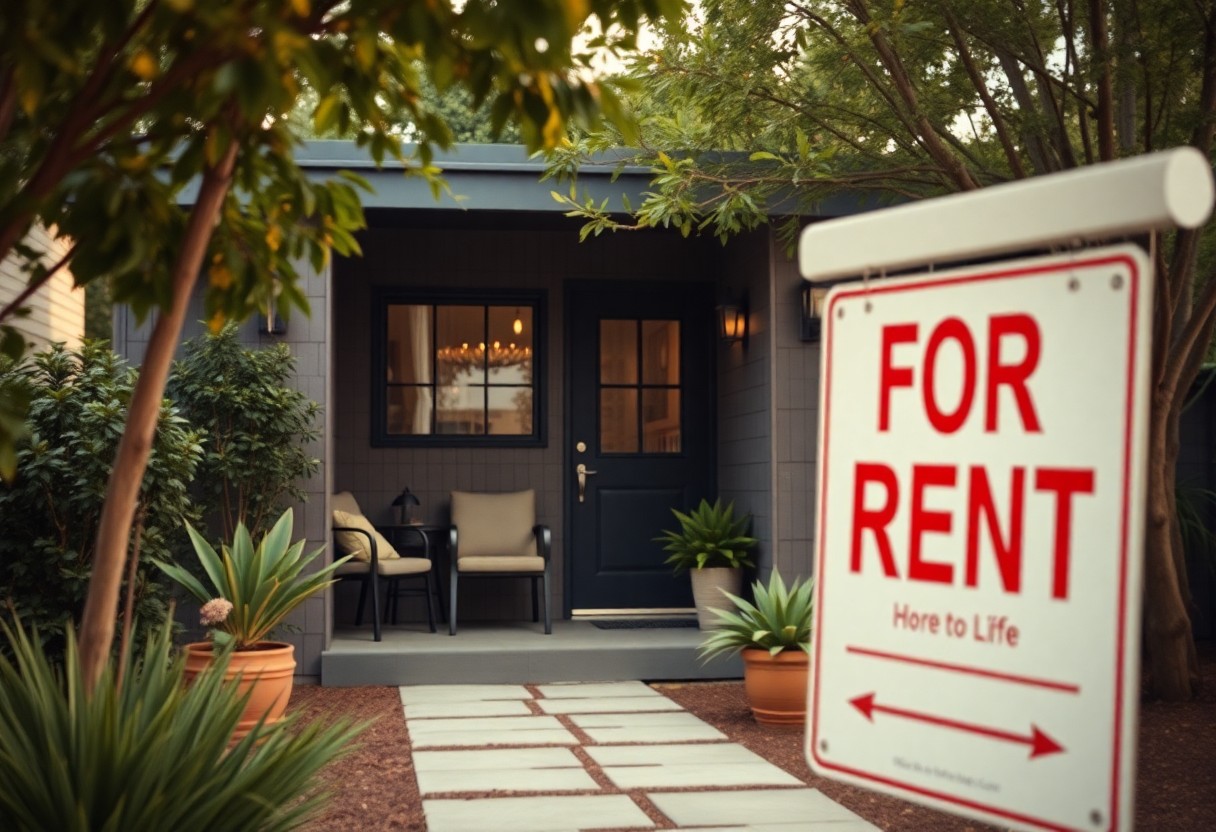
In plain terms, an accessory dwelling unit is a secondary housing unit located on the same lot as a primary single-family home. It includes its own kitchen, bathroom, and sleeping area, which means it can function as a fully independent residence. Local governments sometimes call the same structure a “granny flat,” “in-law suite,” “backyard cottage,” or “secondary suite,” but the legal concept is identical: a smaller, permitted home sharing a lot with a bigger one.
According to Wikipedia’s overview of accessory dwelling units, ADUs have existed in various forms for over a century, but they surged in popularity over the past decade as cities loosened zoning restrictions to combat housing shortages. As a result, homeowners now have far more flexibility to build one than they did even five years ago.
Types of Accessory Dwelling Units
Not every accessory dwelling unit looks the same. In particular, the type you choose affects your construction cost, permitting timeline, and rental potential.
| Type | Description |
|---|---|
| Detached ADUs | Freestanding structures such as backyard cottages or converted sheds. |
| Attached ADUs | Units built onto the existing home, such as a converted garage. |
| Basement ADUs | Living spaces created within an existing basement footprint. |
| Internal (Junior) ADUs | A separate unit carved out of the existing home’s square footage, often sharing an entrance or utilities. |
| Mobile ADUs | Portable, factory-built units offering flexibility and faster installation. |
Recognizing these differences helps you choose the right accessory dwelling unit for your lot, budget, and rental goals. For design inspiration tailored to each type, browse these ADU design ideas for maximizing space and style.
Why Homeowners Are Building an Accessory Dwelling Unit
Beyond extra square footage, an accessory dwelling unit delivers several concrete advantages. Above all, it generates monthly rental revenue while helping address local housing shortages in your community.
Additionally, an accessory dwelling unit can meaningfully raise your property value, making it a smart long-term investment. It also creates passive income that can cover mortgage payments, renovations, or everyday living expenses. Furthermore, sharing your lot with a tenant, aging parent, or adult child can strengthen community ties. To see how homeowners are leveraging this trend, explore maximizing your property’s potential with ADUs.
How Much Does an Accessory Dwelling Unit Cost to Build?
Cost is usually the first question homeowners ask, yet it’s the detail most guides gloss over. In general, a detached accessory dwelling unit costs more than a garage conversion because it requires new foundation work, utility hookups, and roofing. In contrast, an internal or junior ADU can cost significantly less since it reuses existing walls and systems.
Specifically, your final price depends on square footage, finish quality, site conditions, and local labor rates. Consequently, it’s worth mapping out a realistic budget before you commit to design plans. Our detailed breakdown, figuring out your ADU budget, walks through every line item — from permits to appliances — so you can plan with confidence instead of guesswork.
Accessory Dwelling Unit Laws, Permits, and Zoning Rules
Zoning rules for an accessory dwelling unit vary significantly by city and state, so checking local ordinances before you build or rent is essential. In California, for example, state law now requires most cities to approve compliant ADUs without a discretionary hearing, a shift documented by California’s Department of Housing and Community Development. However, requirements around setbacks, parking, unit size, and owner-occupancy still differ from one municipality to the next.
Therefore, before renting out your accessory dwelling unit, confirm it meets minimum habitability standards and review any permits required for rental use. You may also need a business license or rental registration. Ignoring these steps can lead to fines or forced vacancy, so consulting a local housing authority is always the safer route.
Designing Your Accessory Dwelling Unit for Maximum Appeal
Design decisions directly affect how quickly your accessory dwelling unit rents and at what price. Homeowners in high-demand markets are already seeing this play out — for instance, our Irvine ADU design guide and Pasadena ADU design guide show how local architectural styles influence layout choices and material selection.
In particular, open floor plans, ample natural light, and durable finishes tend to perform best with renters. Similarly, energy-efficient windows and appliances reduce utility costs, which is a selling point tenants notice immediately during a showing.
Preparing Your Accessory Dwelling Unit for Rent
Once construction wraps up, it’s crucial to create an inviting space that attracts serious tenants. Focus on cleanliness, neutral decor, and functional furnishings suited to your target market. Above all, confirm plumbing, electrical, and appliances are all in working order — a well-prepared unit earns better reviews and longer tenancies.
Essential Upgrades and Renovations
Energy-efficient appliances, modern fixtures, and high-quality flooring enhance both aesthetics and functionality. Even small improvements — fresh paint, updated landscaping — noticeably raise rental appeal without a large investment. For a deeper walkthrough, see our Solar Panels for ADUs: The Ultimate Guide to Building a Sustainable ADU with The, which covers how solar can lower operating costs and attract eco-conscious renters.
Legal Considerations Before You List Your ADU
Compliance with local zoning laws and building codes remains crucial throughout the rental process. Verify your accessory dwelling unit meets minimum habitability standards, and double-check any permits required for renting. Consequently, you may also need a rental license or registration with local authorities. Ignoring these legalities can lead to serious consequences, including fines or eviction orders, so it’s wise to consult a legal professional beforehand.
Setting the Right Rental Price for Your Accessory Dwelling Unit
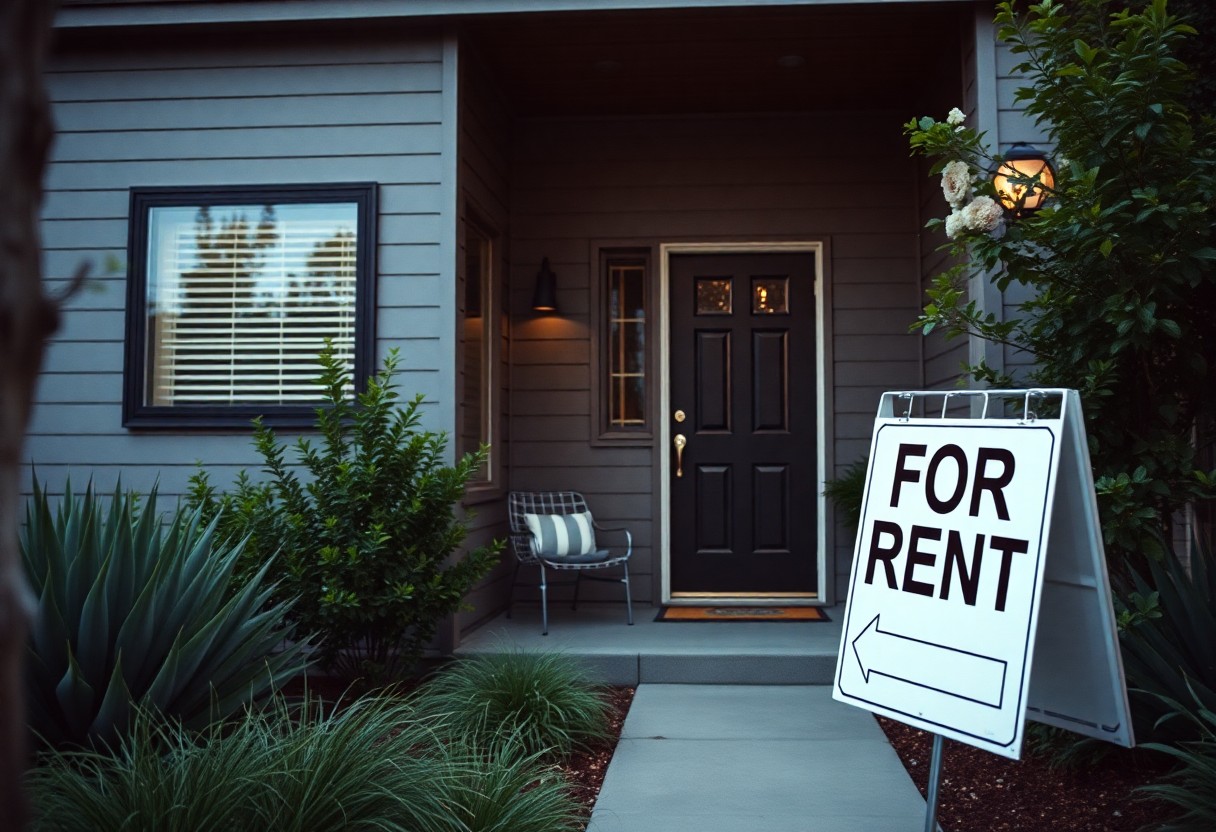
Pricing too high discourages renters, while pricing too low erodes your profit. Instead, aim for a competitive rate that reflects genuine local demand.
Market Research and Comparisons
An effective way to price your accessory dwelling unit is to study comparable rentals nearby. Consider the factors below:
| Criteria | Details |
|---|---|
| Location | Proximity to amenities, schools, and public transport. |
| Size | Square footage and number of bedrooms and bathrooms. |
| Condition | Age of the unit and quality of recent upgrades. |
| Rental Market | Current trends and average asking rents in your area. |
Pricing Strategies for Maximum Profit
Consider seasonal pricing adjustments, discounts for long-term leases, or bundling utilities into rent. Similarly, adjusting rates around occupancy trends or local events lets you charge a premium when demand peaks. Additionally, small incentives — a discounted first month or a pet-friendly policy — often secure tenants faster.
Marketing Your Accessory Dwelling Unit
Effective marketing is key to attracting high-quality tenants and maximizing income. Leverage multiple platforms to highlight what makes your accessory dwelling unit unique.
Effective Advertising Channels
Use a mix of rental websites, social media, and local classifieds. A comprehensive approach reaches a wider audience and increases your chances of securing tenants quickly.
Crafting Compelling Listings
Attention-grabbing headlines and detailed descriptions that highlight your ADU’s unique features attract more inquiries. Include specifics about amenities, neighborhood, and nearby services. Don’t forget professional-quality photos of the interior and exterior — a well-crafted listing sets clear expectations, which leads to fewer misunderstandings later.
Screening Tenants for Your ADU Rental
Skipping tenant screening can lead to late payments, property damage, or legal disputes. Instead, create a standardized process that includes background checks, credit checks, and income verification.
Importance of Tenant Background Checks
Background checks confirm a tenant’s ability to pay rent and uncover red flags such as prior evictions. As a result, diligent vetting protects your investment and helps maintain a safer living environment.
Interviewing and Selecting the Right Tenants
A thorough interview reveals a candidate’s rental history, lifestyle, and communication style. In addition, review payment patterns, current employment, and lifestyle preferences to ensure they align with your property’s expectations.
Managing the Rental Experience Long-Term
A proactive approach to tenant relations, maintenance, and communication improves satisfaction and, over time, protects your rental income.
Creating a Positive Tenant Relationship
Stay approachable and responsive, and outline rules clearly upfront while remaining flexible when reasonable. This balance encourages longer tenancies.
Ongoing Maintenance and Communication
Schedule routine inspections and address repairs promptly. Consistent updates on maintenance and encouragement of tenant feedback build trust and, consequently, boost retention rates.
How to Rent Out an Accessory Dwelling Unit in 6 Steps
- Research the local rental market — compare similar ADUs nearby on size, condition, and amenities to set a rent that is competitive yet still profitable for you.
- Prepare and upgrade your unit — repaint, refresh landscaping, and add energy-efficient fixtures so your accessory dwelling unit shows well to prospective tenants.
- Set a competitive rental price — use local comparisons and seasonal demand to land on a number that attracts tenants quickly without leaving money on the table.
- Market your ADU with strong listings — publish high-quality photos and detailed descriptions across rental platforms, social media, and local community boards.
- Screen and select reliable tenants — run background checks, verify income, and interview applicants to confirm they fit your property and payment expectations.
- Maintain ongoing communication and upkeep — schedule regular inspections, respond quickly to repair requests, and keep tenants informed to encourage lease renewals.
Accessory Dwelling Unit vs. Junior ADU vs. Guest House
These terms are often used interchangeably, but they aren’t identical. Specifically, a standard accessory dwelling unit is a fully independent home with its own kitchen and bathroom, built either attached or detached from the main house. A junior ADU, in contrast, is typically smaller, carved out of existing square footage, and may share an entrance or utilities with the primary home. A guest house, meanwhile, is a more casual term that may or may not meet the legal permitting standards required of a true ADU. Therefore, always confirm the exact classification with your local building department before assuming your structure qualifies.
Financing Options for Your Accessory Dwelling Unit
Financing remains one of the biggest hurdles to building an accessory dwelling unit, yet options have expanded considerably. Homeowners commonly use cash-out refinancing, home equity lines of credit, renovation loans, or construction-to-permanent loans. Freddie Mac’s research on ADU financing notes growing lender interest in ADU-specific mortgage products, which is good news for homeowners who previously struggled to qualify. Before choosing a loan, compare interest rates, repayment terms, and how each option affects your overall budget — our guide to figuring out your ADU budget can help you model the numbers.
Frequently Asked Questions About Accessory Dwelling Units
What is an accessory dwelling unit, and why should I consider renting mine out?
An accessory dwelling unit is a secondary living space on your property, such as a basement apartment, converted garage, or detached backyard unit. Renting it out can cover mortgage payments, property taxes, or maintenance costs, and it typically increases your property’s overall value.
How can I determine the right rental price for my ADU?
Research comparable rentals nearby and evaluate their size, condition, and amenities. Tools such as Zillow or Rentometer offer useful benchmarks. Also factor in utilities and maintenance costs so the price stays fair for both you and your tenant.
What renovations are typically recommended to make my ADU more appealing to renters?
Updated kitchen and bathroom fixtures, modern lighting, and ample storage all boost appeal. Fresh paint and simple landscaping further improve curb appeal and create a welcoming first impression.
Are there legal requirements I need to comply with when renting out my accessory dwelling unit?
Yes. Requirements vary by location, so check local zoning laws and rental regulations first. This may include a rental permit, safety code compliance, and awareness of tenant rights. A local housing authority or legal expert can confirm what applies to you.
What type of tenants should I target for my ADU rental?
This depends on your unit’s features and location. Young professionals, retirees, families needing extra space, and university students are common targets — consider your area’s demographics before marketing.
How can I effectively market my ADU to attract potential renters?
Use high-quality photos and detailed descriptions across rental platforms and social media. Hosting open houses and networking with local agents can also increase visibility.
What should I include in a rental agreement for my ADU?
Specify the rental price, due dates, security deposit, lease duration, and rules for maintenance, pets, and guests. Outline utility and repair responsibilities, and have a lawyer review the lease before signing.
What is the difference between an accessory dwelling unit and a junior ADU?
A standard accessory dwelling unit is fully independent with its own kitchen and bathroom. A junior ADU is usually smaller, built within existing walls, and may share an entrance or utilities with the main house.
How much value can an accessory dwelling unit add to my property?
While the exact figure varies by market, a well-built ADU typically raises appraised value beyond its construction cost, in addition to generating ongoing rental income — making it one of the few renovations that pays for itself twice.
Final Thoughts
In summary, an accessory dwelling unit is far more than a backyard structure — it’s a legally recognized secondary home that can generate income, house family, and raise property value when built and managed correctly. As a result, success comes down to understanding local zoning rules, budgeting realistically, pricing competitively, marketing effectively, and treating tenants well. Put these strategies to work, and your accessory dwelling unit can become one of the most rewarding investments on your property.