ADU building regulations California homeowners must navigate have changed dramatically over the past five years, making it easier than ever to add a legal accessory dwelling unit to your property. However, understanding the specific rules — from size limits and setbacks to permit timelines and utility requirements — is still essential before breaking ground. Author: The ADU Pro — add an author bio block on the page and include a visible "Last updated" date.
An accessory dwelling unit (ADU) is a secondary residential unit on a single-family or multifamily residential lot, either attached to or detached from the primary home. For practical options and solutions, see residential ADU solutions. California has passed sweeping legislation since 2017 to encourage ADU construction as a solution to the state’s housing shortage. As a result, local governments have fewer tools to block ADU projects — but that does not mean there are no rules.
According to the California Department of Housing and Community Development (HCD), more than 23,000 ADU permits were issued statewide in 2022 alone — a number that continues to grow. In this guide, we break down exactly what you need to know to build a compliant ADU in California, especially in Orange County, Los Angeles County, and Riverside County.
What Are ADU Building Regulations in California?
ADU building regulations in California are a combination of statewide statutes and local ordinances that govern how, where, and what type of accessory dwelling units can be built on residential properties. The primary state law is found in California Government Code Section 65852.2, which sets the baseline rules that all cities and counties must follow.
In short, state law establishes a floor — a minimum level of ADU rights every California homeowner has. Local governments can add requirements, but they cannot make rules that are more restrictive than state minimums in key areas like setbacks, unit size, and permit processing timelines.
Furthermore, several bills passed between 2019 and 2023 — including AB 68, AB 881, SB 9, and AB 2221 — have progressively expanded homeowner rights, reduced fees, and shortened permit timelines. Understanding this layered system is critical before you start planning your project.
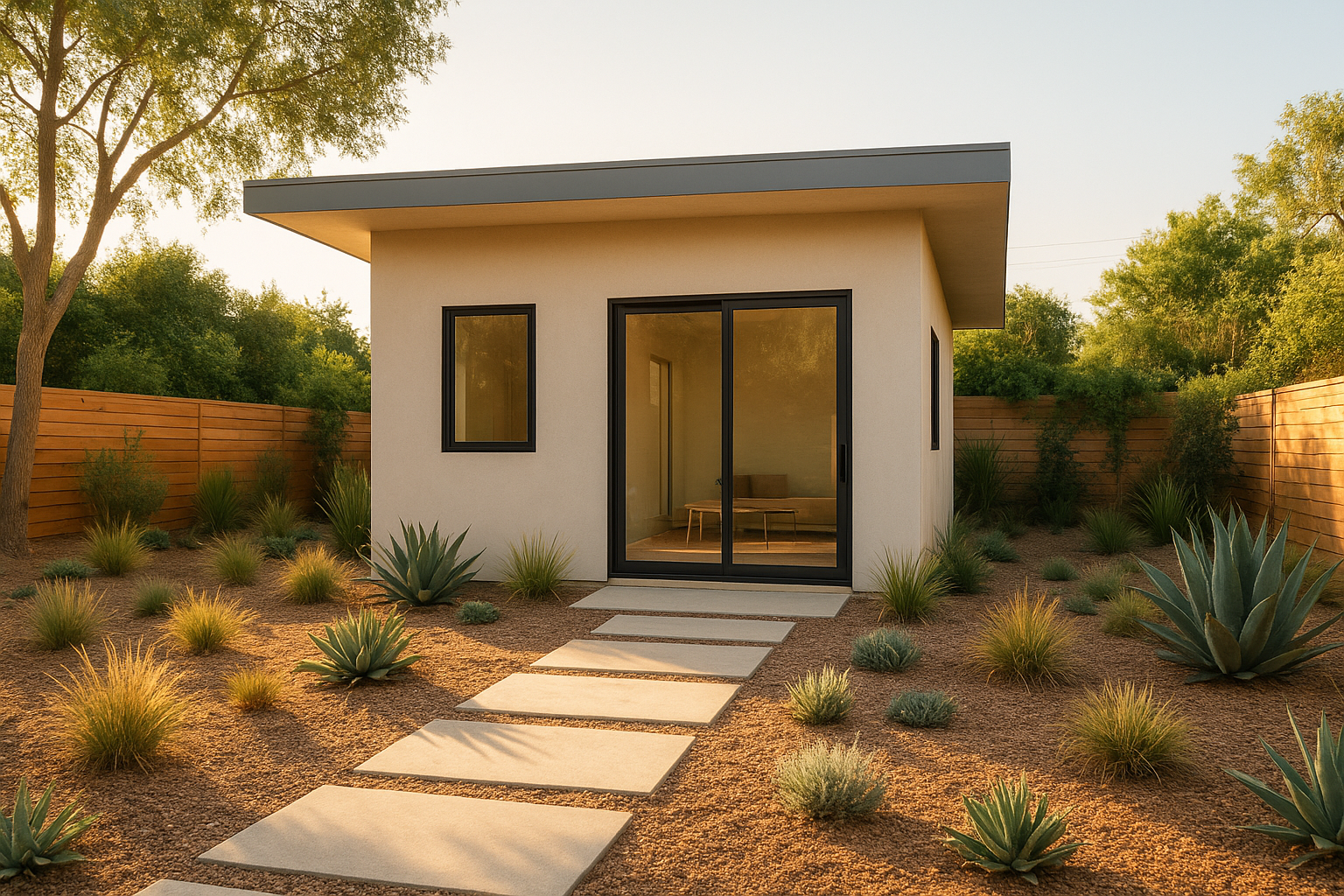
A newly built detached ADU in Southern California — a growing trend driven by evolving Southern California ADU guidelines in California.
California ADU Size Limits and Unit Types
California law recognizes several distinct ADU types, each with its own size constraints. Knowing which type fits your property helps you plan efficiently and avoid costly redesigns.
- Detached ADU: A fully separate structure from the main home. Maximum size is 1,200 square feet.
- Attached ADU: Connected to the primary residence. Limited to 50% of the primary dwelling’s floor area, up to 1,200 square feet.
- Garage Conversion ADU: An existing garage converted into living space. Typically inherits the garage’s footprint, with no minimum size requirement under state law.
- Junior ADU (JADU): Created within the existing walls of a primary residence. Capped at 500 square feet and must include an efficiency kitchen.
For a deeper look at each ADU type and how to choose the right one for your property, explore this complete 2025 California ADU guide from theadupro.com.
Setback and Height Requirements Under California Law
Setbacks define how far a structure must sit from property lines. California state law sets a minimum rear and side setback of 4 feet for detached ADUs. For details on local zoning interpretations, review ADU zoning laws. This is significantly less restrictive than older local rules, which often required 5 to 10 feet.
However, front setbacks still follow local zoning standards in most cases. In addition, no setback is required for ADUs that convert or expand existing structures — meaning a garage conversion, for example, does not need to be moved back from the property line.
Height limits also apply. Generally, detached ADUs are limited to 16 feet in height, though this can increase to 18 feet in some circumstances — such as when the ADU is within half a mile of a major transit stop. Some jurisdictions in Los Angeles County and Orange County allow higher limits under specific conditions.
Because local amendments can affect these numbers, it is always wise to check your specific city’s rules. For more detail on how zoning laws interact with ADU projects, see this resource on which zoning laws affect ADU construction in California.
Permit Process: How California ADU Approvals Work
Every ADU in California requires a building permit. Fortunately, state law has streamlined this process considerably. Learn how to streamline ADU approval. Local agencies must act on a complete ADU permit application within 60 days. If the application is incomplete, the agency must notify the applicant within 30 days specifying what is missing.
Importantly, ADU applications must be processed ministerially — meaning without discretionary review or public hearings in most cases. This eliminates a major source of delay and uncertainty that used to derail many projects.
Step-by-Step: Navigating California ADU Permits
- Research state and local ADU laws. Review California Government Code Section 65852.2 and your city or county’s local ADU ordinance to understand what applies to your property.
- Assess your property’s eligibility. Evaluate lot size, existing structures, setback distances, and utility access to determine which ADU type is feasible for your site.
- Hire a licensed ADU contractor and designer. Work with a licensed California contractor and architect to produce compliant plans before submitting any permit application.
- Submit your permit application. File a complete application with your local building and planning department, including site plans, floor plans, structural calculations, and utility documentation.
- Complete construction and pass final inspection. Build according to approved plans, schedule all required inspections at each phase, and receive your certificate of occupancy.
For a comprehensive breakdown of how to ensure your project meets all local codes, see this guide on how to ensure your ADU follows local building codes in Southern California.
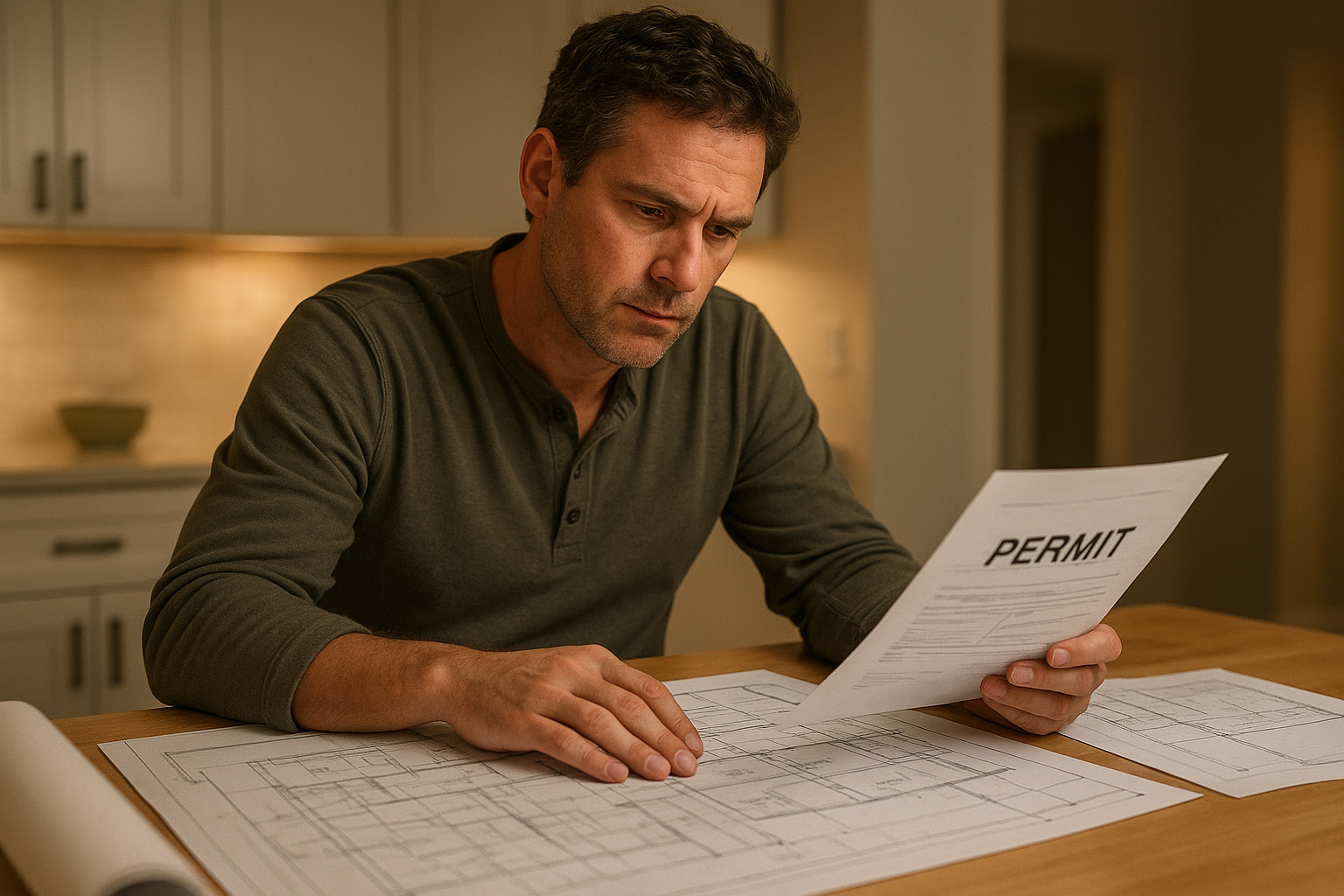
Reviewing ADU permit guide carefully is a critical early step in any California ADU project.
Utility Connections, Fees, and Impact Charges
One area where costs can surprise homeowners is utility connections. Detached ADUs often require separate water and sewer connections, which can add $10,000 to $30,000 or more to a project budget depending on the distance to existing mains and local utility rates.
However, California law limits some fees. For example, ADUs under 750 square feet cannot be charged water and sewer connection fees if they are attached to the main home’s existing service. This exemption can produce significant savings for smaller projects.
Similarly, school impact fees — once a major cost burden — are now waived for ADUs under 500 square feet. Larger ADUs may still be subject to these fees, though at reduced rates compared to new primary residences.
Additionally, local agencies cannot require ADU applicants to provide new or wider easements as a condition of approval. This rule prevents cities from using infrastructure demands as a backdoor way to block ADU construction.
Owner-Occupancy, Rental Rules, and HOA Restrictions
As of January 1, 2020, California suspended the owner-occupancy requirement for standard ADUs through 2025. This means you do not have to live on the property to rent out a standard ADU. However, Junior ADUs (JADUs) still require the owner to reside in either the main home or the JADU itself.
Regarding HOAs: under California Civil Code Section 4751, homeowners associations cannot prohibit ADU construction outright. They can impose reasonable design standards — such as matching exterior materials or colors — but they cannot effectively block a project that otherwise complies with state law.
Short-term rental restrictions, on the other hand, are still largely governed by local ordinances. Cities like Los Angeles and Anaheim have specific short-term rental rules that may limit your ability to list an ADU on platforms like Airbnb. Always verify local rules before planning a short-term rental strategy.
How Southern California Jurisdictions Apply These Rules
While state law sets the foundation, cities and counties in Orange County, Los Angeles County, and Riverside County have adopted their own ADU ordinances that build on — and sometimes tighten — state standards. For example, some cities require specific architectural compatibility standards, while others have pre-approved ADU Plans Riverside that can significantly speed up the permit process.
Los Angeles, for instance, has one of the most active ADU markets in the state and offers a Standard Plan Program that allows homeowners to select from pre-approved designs, shortening permit timelines considerably. Meanwhile, cities in Riverside County may have different setback interpretations or design review requirements.
For homeowners in these regions, working with a contractor who has deep local knowledge is invaluable. theadupro.com specializes in guiding Southern California homeowners through every phase of ADU development — from initial design through final inspection — with expertise across all three counties.
For creative ideas on how to design your ADU to maximize both compliance and livability, explore these 7 smart ADU design ideas that transform your living space.
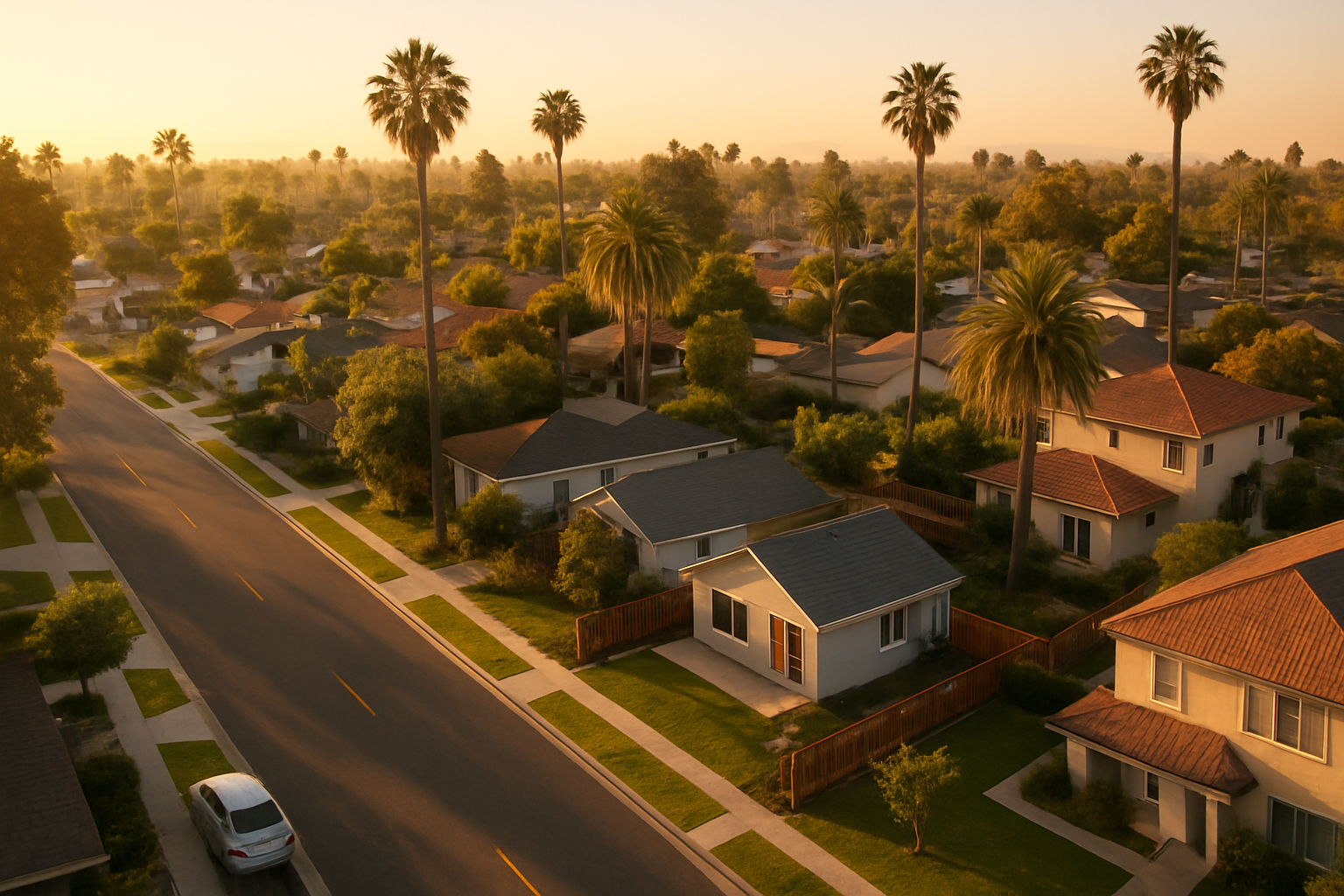
Southern California neighborhoods are increasingly seeing ADUs added to existing residential lots as homeowners take advantage of updated state regulations and residential ADU solutions.
Common Compliance Mistakes to Avoid
Even with simplified state rules, many homeowners still run into compliance problems. The most common mistakes include starting construction before receiving permit approval, assuming that state law automatically overrides all local requirements, and underestimating the time needed for utility upgrades. Review our ADU financial return analysis to understand costs versus long-term value.
Another frequent error is failing to verify whether the property has any deed restrictions, easements, or environmental overlays — such as flood zones or hillside grading requirements — that could affect ADU eligibility or design. These site-specific conditions are separate from standard ADU regulations and require their own due diligence.
Furthermore, some homeowners attempt to manage the permit process without professional guidance, only to discover midway through that their plans need significant and expensive revisions. Partnering with an experienced ADU contractor from the start prevents these setbacks. You can also review the full guide to building ADUs in California for additional context on avoiding common pitfalls.
Frequently Asked Questions About ADU Building Regulations in California
What are the basic ADU building regulations in California?
ADU building regulations California requires include maximum unit sizes, minimum setbacks of 4 feet, height restrictions, and mandatory permit approvals. State law AB 68 and subsequent bills have significantly streamlined these requirements since 2020, giving homeowners more flexibility than ever before.
Do I need a permit to build an ADU in California?
Yes, a building permit is required for all ADUs in California. Your local city or county planning department processes the permit application. Starting construction without a permit can result in fines, stop-work orders, and required demolition.
What is the maximum size of an ADU in California?
Detached ADUs can be up to 1,200 square feet. Attached ADUs are limited to 50% of the primary dwelling’s square footage, with a cap of 1,200 square feet. ADU size requirements and unit-type distinctions clarify which option fits your property. Junior ADUs (JADUs) are capped at 500 square feet and must be created within the existing walls of the primary residence.
What are the setback requirements for ADUs in California?
California state law sets a minimum rear and side setback of 4 feet for detached ADUs. Front setbacks follow local zoning standards. Some jurisdictions may apply stricter setbacks for specific property types, so always verify with your city or county before finalizing your plans.
Can I build an ADU on any property in California?
Most single-family and multifamily residential properties in California qualify for at least one ADU. State law prohibits local agencies from denying applications solely based on lot size. However, site-specific conditions like deed restrictions, easements, or environmental overlays may still affect eligibility.
What is a Junior ADU (JADU) and how does it differ from a standard ADU?
A Junior ADU is a smaller unit of up to 500 square feet created within the existing walls of a primary residence, often from a bedroom or interior space. Unlike a standard ADU, a JADU requires the owner to live on the property and typically shares utilities with the main home, making it a lower-cost option.
Are garage conversions allowed as ADUs in California?
Yes, garage conversions are one of the most popular and cost-effective ADU types in California. State law requires local agencies to approve garage conversion ADU applications ministerially, without discretionary review, as long as basic health and safety standards are met.
How long does ADU permit approval take in California?
California law requires local agencies to act on a complete ADU permit application within 60 days. Many jurisdictions process applications faster, especially those with pre-approved ADU plan programs. Incomplete applications reset this clock, so submitting a thorough application the first time is important.
Do ADUs require owner-occupancy in California?
As of January 1, 2020, California eliminated the owner-occupancy requirement for standard ADUs through 2025. Junior ADUs still require the property owner to live on-site. Legislation beyond 2025 may extend or modify this rule, so check for the latest updates.
How much does it cost to build an ADU in California?
ADU construction costs in California typically range from $150,000 to $400,000 or more depending on size, type, location, and finishes. See our ADU housing guide for a detailed breakdown of costs, rules, and long-term benefits. Garage conversions tend to be less expensive, while new detached ADUs cost more due to foundation work, utility connections, and permitting fees.
Can I rent out my ADU in California?
Yes, standard ADUs can be rented out long-term without restriction. Short-term rentals (under 30 days) may be restricted depending on local ordinances. Always verify your city’s specific short-term rental rules before listing your ADU on vacation rental platforms.
What utility connections are required for an ADU in California?
ADUs must have access to water, sewer, and electrical service. Detached ADUs may require separate utility meters, while attached and junior ADUs often share connections with the primary residence. Utility upgrade fees can significantly impact your total project budget, so budget for them early.
What common mistakes do homeowners make with ADU regulations in California?
Common mistakes include underestimating permit timelines, ignoring local amendments to state ADU law, failing to verify setback requirements, and starting construction before permit approval. Working with an experienced ADU contractor from the beginning helps avoid these costly and time-consuming errors.
Conclusion: Building Smart Under California’s ADU Framework
Understanding ADU building regulations California has established is the essential first step toward a successful project. See our ADU housing guide for costs, rules, and benefits.
In Southern California specifically, local jurisdictions add another layer of complexity that requires local expertise to navigate efficiently. Therefore, partnering with a knowledgeable, experienced ADU contractor is one of the most valuable investments you can make before breaking ground.
If you are ready to explore adding an ADU to your property in Orange County, Los Angeles County, or Riverside County, the team at theadupro.com is ready to guide you through every step — from design and permitting to construction and final inspection. Their deep knowledge of California’s ADU regulations and local building codes ensures your project is completed on time, on budget, and fully compliant. Last updated: 2026-08-10. Last updated: 2026-06-26. Author: The ADU Pro team.