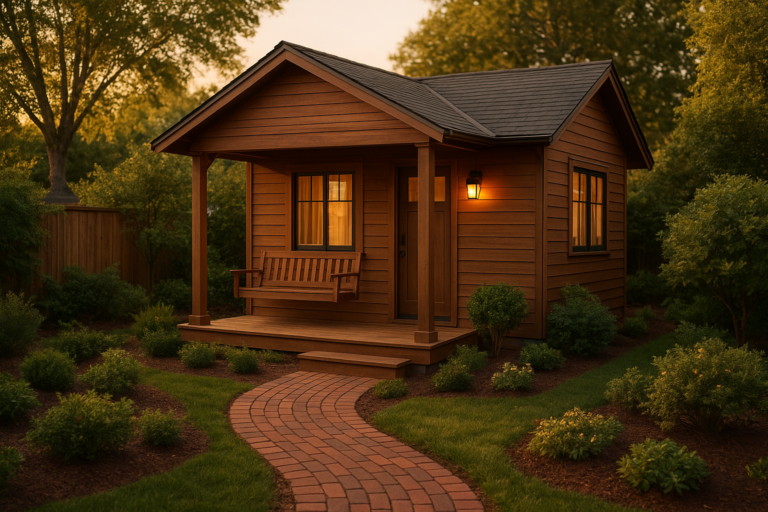
Mother in law suites give Southern California homeowners a practical way to add private living space for aging parents, adult children, or long-term tenants without giving up their own independence. Whether the space is a detached backyard cottage or a converted garage, it functions as a small, self-contained home within your home. This guide from The ADU Pro covers everything homeowners in Orange County, Los Angeles County, and Riverside County need to know before they build one — including costs, designs, permitting rules, financing, and the mistakes that derail most projects.
Quick answer: Mother in law suites are self-contained ADU guide (small secondary homes built on a residential lot), built either attached to or detached from a primary house. In Southern California, they typically cost between $150,000 and $350,000 and require local building permits before construction can begin.
What Are Mother In Law Suites?
In-law suites are compact, independent living spaces built for a family member — most often an aging parent, but sometimes an adult child, a caregiver, or a long-term guest. They generally include a bedroom, a bathroom, and a small kitchen area so the resident can live comfortably without sharing every room with the main household.
In California, these spaces fall under the legal category of accessory dwelling units, commonly abbreviated as ADUs. According to the California Department of Housing and Community Development, ADU permit applications grew dramatically over the past decade as the state loosened zoning restrictions to address the statewide housing shortage. In other words, a mother-in-law suite is essentially a specific, family-oriented use case within the broader ADU category — the term describes who lives there, while “ADU” describes the legal structure itself. For a broader definition of the category, Wikipedia maintains a helpful overview of the accessory dwelling unit concept and its history in U.S. housing policy.
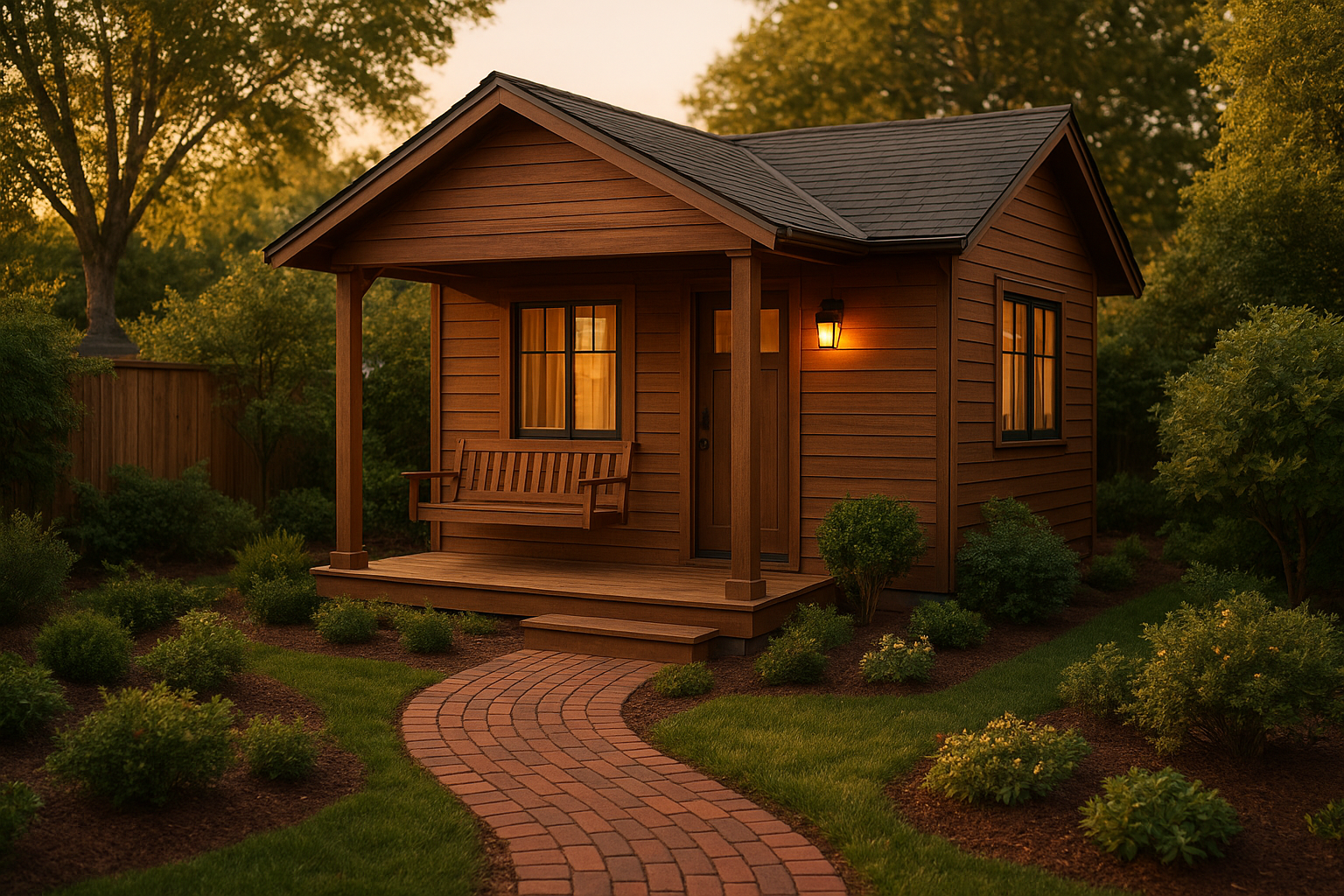
A detached backyard mother in law suite offers privacy while staying close to the main home.
In-Law Suite vs. ADU vs. Guest House vs. Junior ADU
These terms get used interchangeably, which causes real confusion during planning. Therefore, here is exactly how they differ, side by side.
| Term | Legal Status | Typical Size | Kitchen & Bath |
|---|---|---|---|
| Mother-in-law suite | Common name for an ADU | 400–1,200 sq ft | Full kitchen & bath |
| ADU (accessory dwelling unit) | Legal, state-defined term | Up to 1,200 sq ft | Full kitchen & bath |
| Junior ADU (JADU) | Legal, state-defined term | Up to 500 sq ft | Kitchenette; may share bath |
| Guest house | Informal, no legal definition | Varies widely | Often no full kitchen |
As the table shows, “mother-in-law suite” is not a permit category — it’s simply what people call an ADU when it houses a relative. Consequently, when you apply for permits, your city will refer to the project as an ADU or JADU, not by its family nickname.
Types of In-Law Suites for Southern California Homes
There are several ways to add a mother-in-law suite, and the right choice depends on your lot size, budget, and existing structures. Below are the most common approaches homeowners in the region choose.
- Detached ADU: A standalone unit built in the backyard, offering the most privacy and flexibility for future use.
- Garage conversion: Transforming an existing garage into livable space, which is typically faster and less costly than new construction.
- Attached addition: An extension built onto the main home with a separate entrance, ideal for tighter lots.
- Junior ADU: A smaller unit created within the existing footprint of the home, often converting a bedroom and bathroom.
For a deeper look at layout options, this complete guide to mother-in-law suite ADU designs breaks down floor plans by lot type. Homeowners deciding between family-focused layouts may also find it helpful to review which ADU type works best for family living before finalizing a design.
Benefits of Adding a Mother-In-Law Suite
Beyond housing a family member, a mother-in-law suite delivers measurable financial and lifestyle advantages. For example, many homeowners use the space as a detached guest house or rental unit once it’s no longer needed for family care, generating steady monthly income.
In addition, appraisers frequently note that a well-built accessory unit raises overall property value, since it adds usable square footage and functional living space. Similarly, multigenerational households benefit from the balance of togetherness and independence that a separate suite provides. As a result, this type of addition often pays for itself faster than many other home improvement projects.
Essential Design Features for a Comfortable Mother-In-Law Suite
Above all, the best mother-in-law suites are designed around comfort, safety, and independence — not just square footage. Specifically, homeowners planning a suite for an aging parent should prioritize the following features:
- Zero-step entry: A curbless, wide doorway that accommodates walkers, wheelchairs, and future mobility needs.
- Roll-in shower and grab bars: Bathroom features that reduce fall risk for older residents.
- Full kitchenette: A compact kitchen with a stove, sink, and fridge that supports genuine independence, not just a microwave corner.
- Sound insulation: Extra wall and floor insulation between the suite and the main home to protect everyone’s privacy.
- Private outdoor access: A separate entry path and small patio so the resident doesn’t have to walk through the main house.
To see how these features look in finished projects, browse these real Southern California homes featuring a mother-in-law suite for design inspiration before you meet with a designer.
How Much Do Mother In Law Suites Cost in California?
Direct answer: Most mother in law suites in Southern California cost between $150,000 and $350,000, depending on size, materials, and site prep. Garage conversions sit at the lower end, while detached new-construction units with higher-end finishes push toward the upper range.
Specifically, a 2023 statewide housing report noted that California ADU permit volume rose from fewer than 1,300 in 2016 to more than 20,000 annually within a few years, reflecting both demand and state-level policy changes that streamlined approval. Because permitting fees, utility hookups, and soil conditions vary by city, getting a site-specific estimate from a local contractor remains the most reliable way to budget accurately. For a line-by-line breakdown of where that money typically goes, see our full cost, design, and permit breakdown.
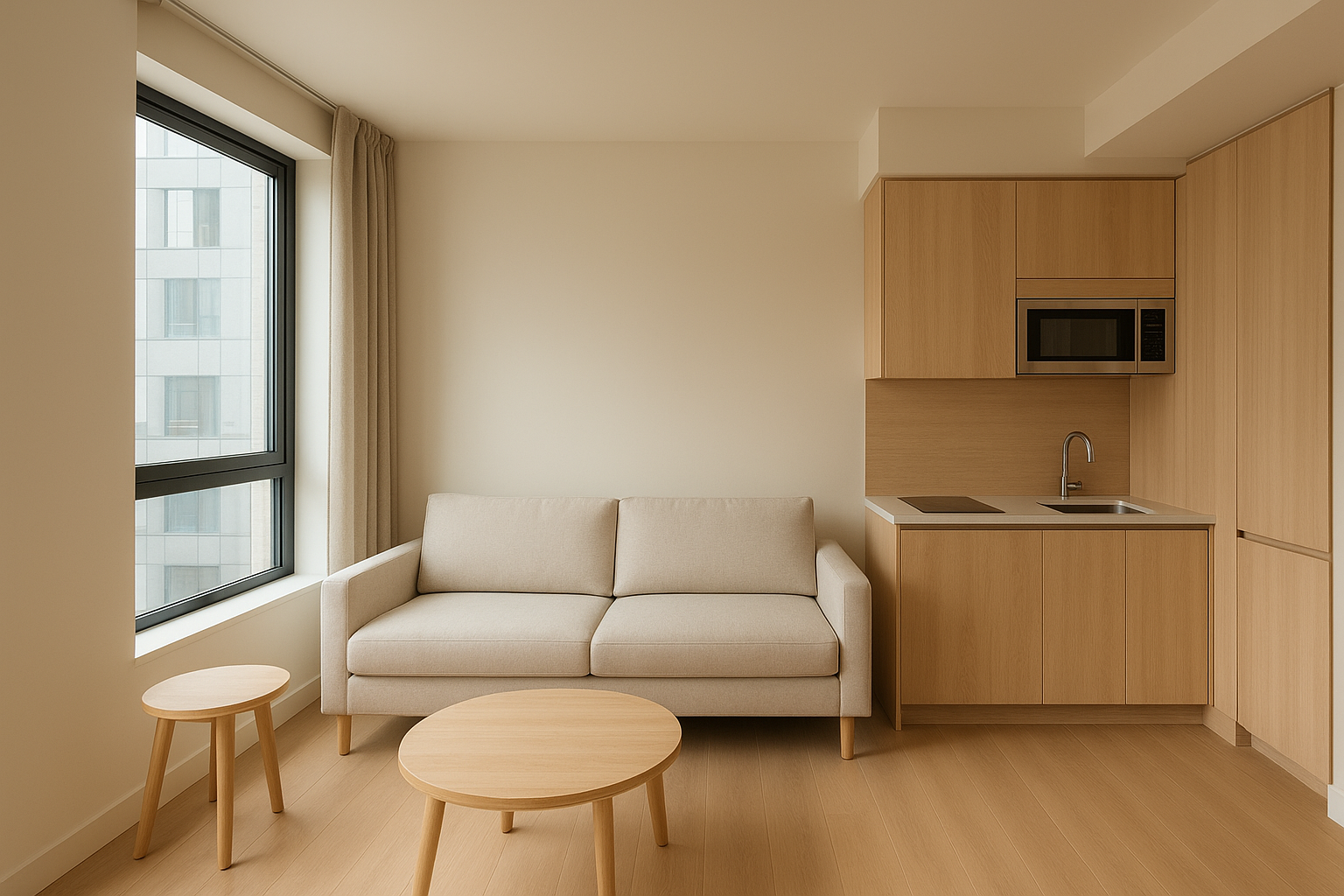
Modern mother-in-law guide often includes an open kitchenette and living area for comfortable independent living.
What Drives the Price Up or Down?
Several variables move the total cost of mother in law suites more than any other factor. In particular, sewer line distance, sloped lots, and older electrical panels can quietly add tens of thousands of dollars to a project that looked affordable on paper.
- Foundation type: Slab foundations cost less than raised or pier-and-beam foundations on sloped lots.
- Utility distance: The farther the suite sits from existing water, sewer, and electrical lines, the higher the trenching cost.
- Finish level: Builder-grade finishes cost far less than custom cabinetry, tile, and fixtures.
- Permit fees: Fees vary by city and can range from a few thousand dollars to well over $20,000.
Multigenerational Living Trends and Why Demand Is Growing
Demand for mother in law suites isn’t a passing trend — it reflects a lasting shift in how American families live. According to AARP research on family caregiving, a growing share of adults expect to house or care for an aging relative at some point, and many prefer to do so while preserving separate living quarters. Furthermore, the U.S. Census Bureau’s American Housing Survey tracks the rise in homes with secondary units, underscoring how mainstream this housing style has become.
In contrast to a decade ago, when secondary units were often viewed as niche or informal, mother in law suites are now a recognized, financeable housing category with dedicated state legislation supporting their construction. Consequently, lenders, appraisers, and city planners increasingly treat them as standard home features rather than exceptions.
Step-By-Step: How to Build a Mother In Law Suite
Building a mother in law suite involves several sequential stages. Following this order helps avoid costly delays and rework; consult our granny apartments guide for layout examples and local permitting tips.
- Assess your property and needs. Review your lot size, setbacks, slope, and family requirements to decide between a detached unit, an attached addition, or a garage conversion before spending money on design work.
- Choose a design and floor plan. Work with a designer to balance square footage, accessibility features, and budget while confirming the layout meets your city’s zoning and setback rules.
- Secure permits and approvals. Submit structural, electrical, and plumbing drawings to the local building department and wait for plan check approval before any construction begins on site.
- Complete construction and inspections. Coordinate framing, electrical, plumbing, and insulation work while scheduling required inspections at each construction milestone to stay compliant with code.
- Finalize and move in. Pass the final building inspection, obtain your certificate of occupancy from the city, and prepare the finished suite for your family member or tenant to move in.
Homeowners in Brea can review sample layouts through these local ADU plans for Brea properties, which illustrate how these steps translate into an actual build.
Permitting and ADU Regulations for Mother-In-Law Suites
California law has significantly simplified ADU approval statewide, though local cities still enforce their own setback, height, and parking rules. Therefore, it’s important to check both state and municipal requirements before finalizing a design.
Generally, detached units can reach up to 1,200 square feet, while attached suites are often limited to 50 percent of the primary home’s existing floor area. Furthermore, most jurisdictions no longer require additional parking for ADUs located near transit, which has made smaller lots more viable for a mother-in-law suite. For official guidance, the California HCD ADU handbook outlines current statewide standards in detail. For a step-by-step walkthrough that pairs permitting rules with design choices, see this expanded permitting and design guide.
Common Mistakes to Avoid When Building a Mother-In-Law Suite
Above all, most budget overruns and permit delays trace back to a handful of avoidable mistakes. Specifically, watch out for these:
- Skipping a soil or survey report: Hidden site conditions often surface mid-construction, causing expensive change orders.
- Underestimating utility costs: Trenching for new water, sewer, or electrical lines is frequently the most underestimated line item.
- Hiring a generalist contractor: Builders unfamiliar with ADU-specific code can miss egress, parking, or setback requirements that delay approval.
- Designing before confirming zoning: Committing to a floor plan before checking local setback and height limits often forces a costly redesign.
Choosing the Right Contractor for Your Mother-In-Law Suite
Above all, the success of a mother-in-law suite project depends on hiring a contractor familiar with local ADU codes. In contrast to general remodelers, ADU specialists understand permitting timelines, utility connections, and inspection requirements specific to secondary dwellings.
The ADU Pro serves homeowners throughout Orange County, Los Angeles County, and Riverside County, guiding clients from initial design through final inspection. Homeowners in the Inland Empire exploring financing or builder options may find it useful to compare ADU loan options available near Long Beach or connect with a trusted ADU builder serving Menifee as part of their planning process.
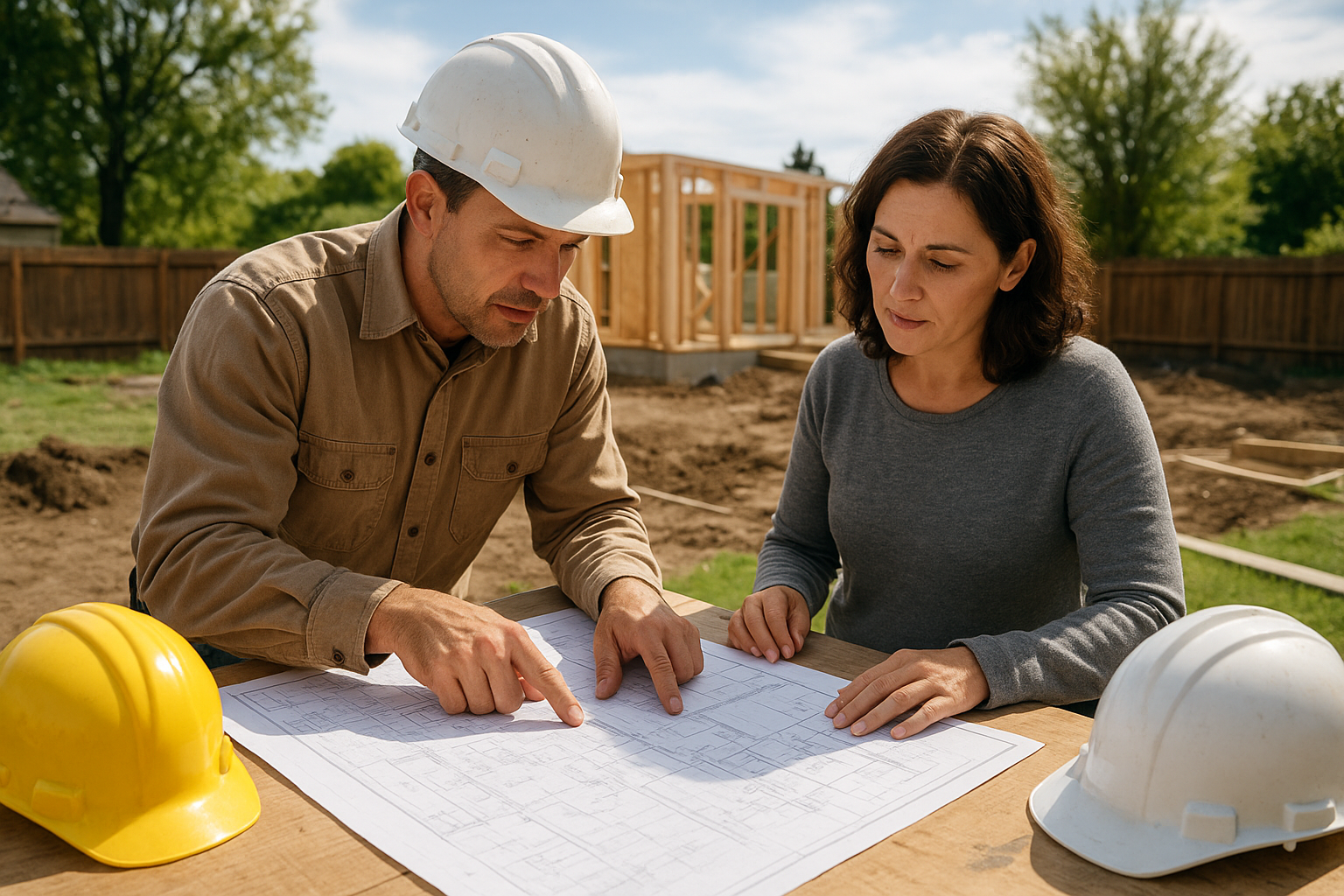
Working with an experienced ADU contractor helps homeowners plan mother in law suites that meet local code requirements.
Financing Your Mother-In-Law Suite
Most homeowners fund mother in law suites through one of four main routes: a home equity loan, a cash-out refinance, a dedicated construction loan, or a renovation-specific mortgage product. In addition, some California programs offer ADU-specific financing assistance, and certain lenders now count projected rental income from the new unit toward loan qualification. As a result, comparing at least two or three financing options before committing is well worth the extra time.
Frequently Asked Questions About Mother In Law Suites
What is a mother in law suite?
A mother in law suite is a self-contained living space, either attached to or detached from the main house, that includes a bedroom, bathroom, and kitchenette. It gives an extended family member privacy while staying close to the main household.
How much do mother in law suites cost to build in California?
Most mother in law suites in Southern California cost between $150,000 and $350,000 depending on size, finishes, and site conditions. Garage conversions tend to cost less, while detached new-construction units cost more.
What is the difference between a mother-in-law suite and an ADU?
An ADU, or accessory dwelling unit, is the legal and regulatory term used by California building codes. A mother-in-law suite is simply the common name for an ADU used specifically for a family member.
What is the difference between a mother-in-law suite and a guest house?
A guest house has no formal legal definition and often lacks a full kitchen, so it can’t legally be rented as housing in most cities. A mother-in-law suite, by contrast, is typically permitted as a full ADU with a kitchen and bath, making it legally habitable and rentable.
How long does it take to build a mother in law suite?
Most projects take four to nine months from design through final inspection, depending on permit processing times and project scope. Garage conversions are usually faster than ground-up detached units.
Do I need a permit to build a mother-in-law suite?
Yes, every mother-in-law suite requires building permits from the local city or county, since it involves structural, electrical, and plumbing work. Skipping permits can lead to fines and resale complications.
Can I rent out my mother in law suite?
In most California jurisdictions, yes, you can rent out a mother in law suite as a long-term rental, though short-term rental rules vary by city. Always check local ordinances before advertising the unit.
What size can a mother in law suite be in California?
State law generally allows detached ADUs up to 1,200 square feet, while attached units are often capped at 50 percent of the primary home’s size. Local jurisdictions may set additional limits.
What is the difference between a mother-in-law suite and a junior ADU?
A junior ADU is built within the existing walls of the main home, typically up to 500 square feet, and shares at least one entrance. A traditional mother-in-law suite is often a separate structure with its own private entrance.
What are common mistakes when building a mother-in-law suite?
Common mistakes include underestimating utility connection costs, skipping soil or survey reports, and choosing a contractor unfamiliar with local ADU codes. Poor early planning is the leading cause of budget overruns.
Does a mother in law suite add value to my home?
Yes, a well-built mother in law suite typically increases property value and can generate rental income, often recouping a significant portion of construction costs. Appraised value depends on local comps and unit quality.
Can I convert my garage into a mother-in-law suite?
Yes, garage conversions are one of the most affordable ways to create a mother-in-law suite, since the existing structure and foundation are reused. This approach usually saves 20 to 30 percent compared to new construction.
What financing options are available for mother in law suites?
Homeowners commonly use home equity loans, cash-out refinances, construction loans, or renovation-specific mortgage products to fund a mother in law suite. Some California programs also offer ADU-specific financing assistance.
Do mother-in-law suites require separate utilities?
Not always. Many mother-in-law suites share the main home’s water, gas, and electrical service, though some cities require separate metering for rental units. A licensed contractor can confirm local requirements.
Are mother-in-law suites tax deductible or eligible for tax breaks?
Construction costs generally aren’t deductible in the year you build, but if you rent the unit, you can typically depreciate it and deduct related expenses over time. Consult a tax professional, since rules vary based on how the suite is used.
Final Thoughts
For homeowners exploring alternatives, see our granny apartments guide for additional examples and financing approaches.