Granny apartments are reshaping how Southern California families use their property, offering a way to add income, house relatives, or simply gain flexible living space without buying a second home. Also known as accessory dwelling units, or ADUs (a general term for a secondary home built on the same lot as a primary residence), granny apartments have moved from a niche housing option to a mainstream solution as rents and home prices continue climbing across Orange County, Los Angeles County, and Riverside County. Because state law now limits how much cities can restrict these units, building one is easier — and more common — than it has ever been. This guide covers every angle a homeowner needs: definitions, California law, costs, size limits, financing, the build timeline, and answers to the questions people actually ask before breaking ground.
What Are Granny Apartments?
Granny apartments are self-contained Complete ADU guide built on the same lot as a single-family home. Specifically, they include their own kitchen, bathroom, and private entrance, so occupants can live independently from the main house. Consequently, homeowners often use them to accommodate elderly parents, adult children, or long-term renters.
The term “granny apartment” is used interchangeably with several other names, including granny flat, in-law suite, backyard cottage, and accessory dwelling unit. According to the Wikipedia entry on secondary suites, this housing type has existed for decades but has surged in popularity as urban housing costs rise. In Southern California specifically, these units typically fall into four categories: detached structures, attached additions, garage conversions, and junior ADUs built within the existing footprint of a home.
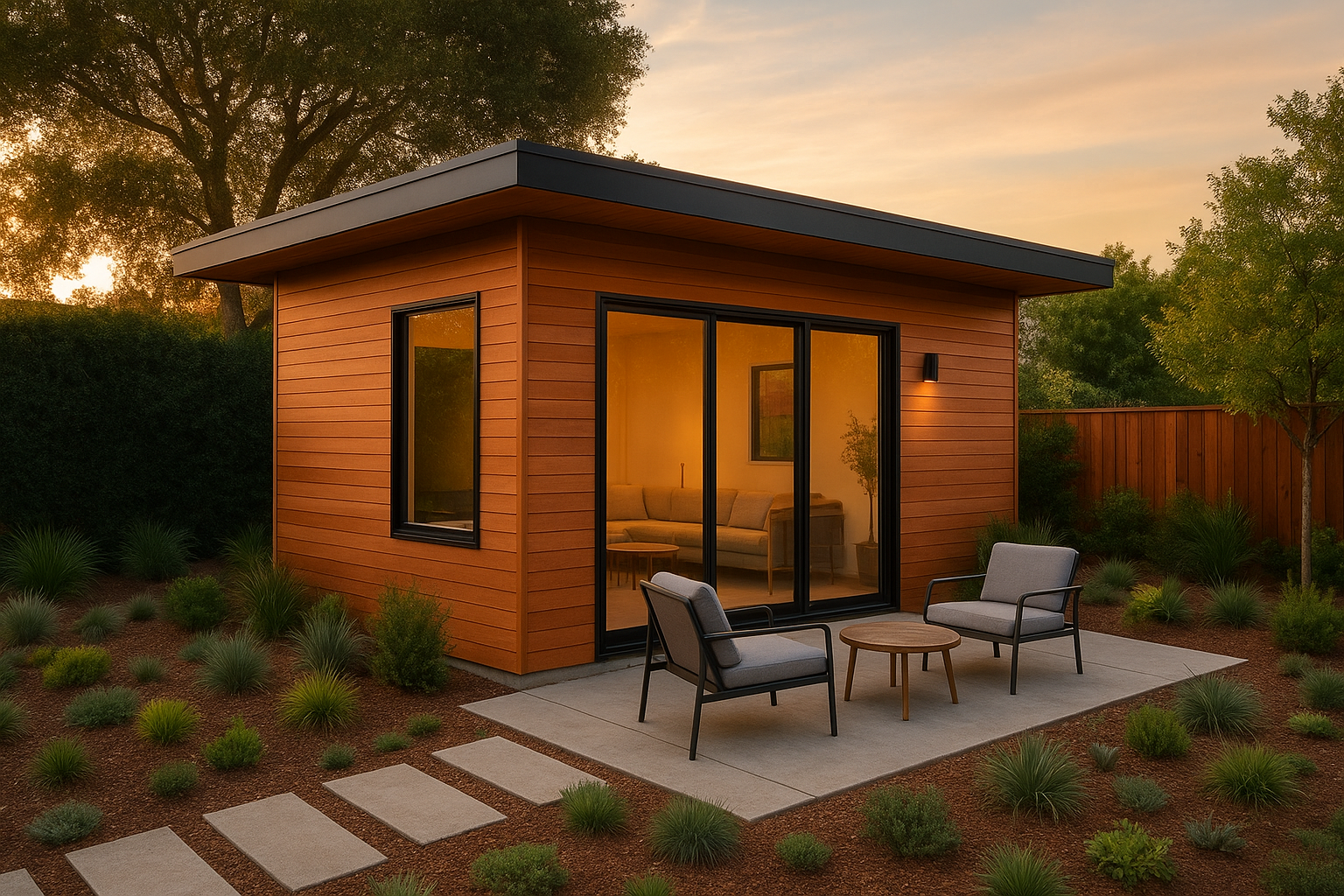
Detached granny apartments give homeowners a private, income-generating living space.
Granny Apartments, ADUs, In-Law Suites, and Granny Flats: What’s the Real Difference?
In everyday conversation, “granny apartment,” “granny flat,” and “ADU” describe the same basic concept. However, some homeowners reserve “granny apartment” specifically for units designed to house family members, while “ADU” is the broader legal term covering rental units, guest houses, and junior ADUs alike. Either way, the construction standards and permitting process remain identical under California law.
Similarly, a junior ADU differs from a full granny apartment because it is built within the existing walls of a home, often converting a bedroom, and may share a bathroom or utility connection with the main house. As a result, junior ADUs tend to cost less but offer less privacy than a fully detached unit. Meanwhile, an “in-law suite” is simply a regional nickname for the same housing type — the legal requirements do not change based on which name you use.
California Laws That Govern Granny Apartments
Since 2017, a series of state bills has dramatically loosened restrictions that once made granny apartments difficult to build. Understanding these laws helps homeowners know exactly what cities can and cannot demand.
- SB 1069 and AB 2299 (2016): These were the first bills to force cities to streamline ADU approval and reduce parking requirements near transit.
- AB 68, AB 881, and SB 13 (2020): Together, these laws capped permit review timelines at 60 days, eliminated many owner-occupancy requirements, and reduced impact fees for smaller units.
- AB 1033 (2023): This law allows, for the first time, certain ADUs to be sold separately from the primary home in cities that opt in — a major shift for granny apartment ownership structures.
- SB 9 (2022): While primarily a lot-split law, SB 9 interacts with ADU rules and can affect how many units a single parcel may eventually support.
According to the California Department of Housing and Community Development, statewide ADU permit issuance grew from roughly 1,200 units in 2016 to more than 28,000 units by 2022. This dramatic increase reflects both relaxed state regulations and growing homeowner demand for flexible housing. For the exact statutory text of these laws, homeowners can also review bill language directly on the California Legislative Information website.
In addition to income potential, granny apartments help households adapt to changing needs. For example, a family might build one to care for an aging parent today and later convert it into a rental once caregiving needs change. Therefore, the flexibility of these units is often just as valuable as the financial return.
Types of Granny Apartments You Can Build
Not every lot supports every design. Above all, the right type depends on your existing structures, budget, and how much privacy you need between the main home and the new unit.
Detached Granny Apartments
Detached granny flats give homeowners a private, income-generating living space.
Attached Additions
Attached granny apartments share a wall with the primary home but still include a separate entrance and full amenities. This option often costs less than a fully detached build since it shares part of an existing foundation or roofline.
Garage Conversions
Garage conversions reuse an existing structure and foundation, which keeps costs down considerably. However, the space must still be brought up to current residential building and fire code standards.
Junior ADUs (JADUs)
Junior ADUs convert existing interior space — typically a bedroom — into a semi-independent unit, sometimes sharing a bathroom with the main house. As a result, they are the most budget-friendly path to a granny apartment. For a deeper cost and rules breakdown across unit types, see this granny pod guide covering costs, rules, and ADU options in California.
Granny Apartment Size Limits and Setback Rules
California state law has significantly simplified permitting for granny flats since 2017, limiting how much cities can restrict these units. Nevertheless, local jurisdictions still enforce specific setback, height, and parking requirements. Therefore, it’s important to check the rules for your exact city before finalizing a design.
State guidelines generally cap detached granny apartments at 1,200 square feet, while junior ADUs are limited to 500 square feet. In addition, most cities no longer require additional parking spaces for units located near public transit. Rear and side setbacks are typically limited to no more than four feet under state minimums, though many cities allow even less for units under a certain height. For a deeper look at statewide standards, the California HCD accessory dwelling unit handbook is a reliable reference point.
How Much Do Granny Apartments Cost in Southern California?
Most detached granny apartments in Southern California cost between $200,000 and $400,000 to build, depending on square footage, finish level, and site conditions such as slope or utility access. In contrast, garage conversions and junior ADUs are typically more affordable, often ranging from $80,000 to $150,000.
| Unit Type | Typical Cost Range | Typical Size |
|---|---|---|
| Junior ADU (conversion) | $40,000–$100,000 | Up to 500 sq ft |
| Garage Conversion | $80,000–$150,000 | 300–600 sq ft |
| Attached Addition | $150,000–$300,000 | 500–1,000 sq ft |
| Detached Granny Apartment | $200,000–$400,000 | 600–1,200 sq ft |
Above all, budget planning should account for design fees, permit costs, utility upgrades, and contingency funds. For homeowners exploring financing, resources like the ADU loan options available in Long Beach can help clarify how home equity, cash-out refinancing, or construction loans might cover project costs.
Financing Options for a Granny Apartment
Most homeowners fund granny apartments through one of four paths: home equity loans, cash-out refinancing, dedicated construction loans, or renovation-specific mortgage products such as a HomeStyle or FHA 203(k) loan. In particular, a home equity line of credit (HELOC) is popular because it lets homeowners draw funds gradually as construction milestones are completed, rather than borrowing the full amount upfront.
Some lenders also allow projected rental income from the finished granny apartment to count toward loan qualification, which can significantly increase borrowing power. Consequently, it pays to shop lenders who specifically advertise ADU financing experience rather than assuming a standard mortgage broker understands these unique underwriting rules.
The Granny Apartment Construction Process, Step by Step
Building a granny apartment follows our design and build guide, regardless of city. Understanding each phase helps homeowners set realistic expectations before construction begins.
- Feasibility assessment: Work with a contractor or designer to evaluate your lot size, setbacks, and local zoning rules to confirm a granny apartment can legally be built on your property.
- Design and architectural planning: Develop floor plans and elevations that match your household needs while complying with California building codes and local design standards for accessory units.
- Permit submission and plan check: Submit completed plans to the local building department for plan check review, then respond to any correction requests before permits are officially issued.
- Construction and inspections: Begin site work, framing, and utility installation while scheduling required inspections at each construction milestone to keep the project on schedule and code-compliant.
- Final inspection and occupancy: Complete the final building inspection, obtain a certificate of occupancy, and prepare the finished granny apartment for move-in or long-term rental use.
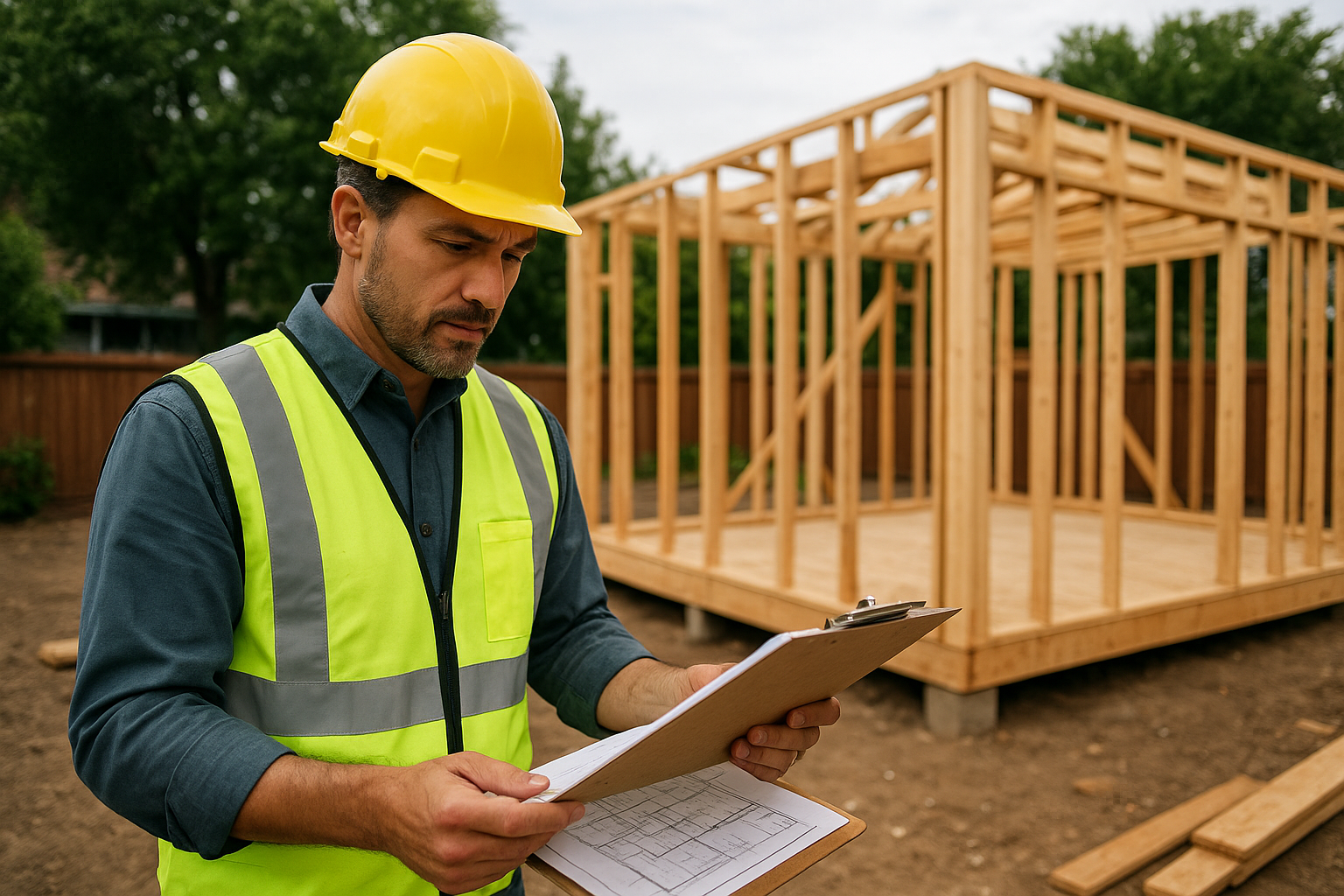
Careful planning at every stage keeps a granny apartment build on schedule.
Permit Timeline: How Long Does Approval Actually Take?
State law now requires most cities to review complete ADU applications within 60 days. However, that clock only starts once your application is deemed complete, so incomplete submissions or missing documents can quietly add weeks to a project. In practice, most homeowners see plan check turnaround of four to eight weeks, followed by six to twelve months of actual construction depending on unit size and site complexity. For a deeper construction and permitting walkthrough, see the Accessory Dwelling construction guide.
Tax Implications and Property Value Impact
Adding a granny apartment typically triggers a reassessment of the new construction value only — not the entire property — under California’s Proposition 13 rules, so existing property tax on the main home usually stays unchanged. In contrast, rental income from the unit is taxable and must be reported; the IRS treats it similarly to any other rental income, though many construction and depreciation costs may be deductible.
Beyond taxes, a well-built granny apartment consistently increases resale appeal because it offers buyers built-in flexibility — whether for rental income, aging parents, or a home office. Therefore, many homeowners view the project as both a lifestyle upgrade and a long-term investment.
Rental Income Potential: Renting Out a Granny Apartment
In most Southern California cities, homeowners can legally rent out a granny apartment as a long-term rental, and demand is strong given regional housing shortages. Specifically, a well-located detached unit can often command $1,800 to $2,800 per month in rent, depending on size and city. As a result, many owners recoup a meaningful share of construction costs within just a few years of steady rental income.
However, some jurisdictions restrict short-term rentals through platforms like Airbnb, so confirming local rules before advertising a unit is essential. Checking with the city’s planning department before signing a lease avoids costly compliance surprises later.
Where to Build a Granny Apartment in Southern California
Local requirements vary from city to city, so it helps to review area-specific plans before starting a project. For instance, homeowners considering a build can review ADU plans available in Brea, ADU plans in Cypress, or ADU plans for Aliso Viejo to understand local design options.
Likewise, homeowners in the city of Orange can explore ADU plans tailored to Orange to see layout examples suited to typical local lot sizes. Homeowners further inland may also want to compare ADU plans available in Bel Air or review a granny apartment builder serving Lake Elsinore to see how pricing and lot requirements shift across regions. Comparing plans across nearby cities often reveals design details worth borrowing for your own granny apartment.
Choosing the Right ADU Contractor for Your Granny Apartment Project
Selecting an experienced contractor is arguably the most important decision in the entire process. Specifically, look for a firm with proven local permitting knowledge, transparent pricing, and a track record of finished projects in your area. A contractor familiar with your city’s building department can often prevent costly delays.
For homeowners across Orange County, Los Angeles County, and Riverside County, theadupro.com manages every phase of granny apartment development, from initial design through permitting, construction, and final inspection. Because the team handles design, permitting, and building in-house, homeowners typically deal with a single point of contact rather than juggling separate architects and contractors.
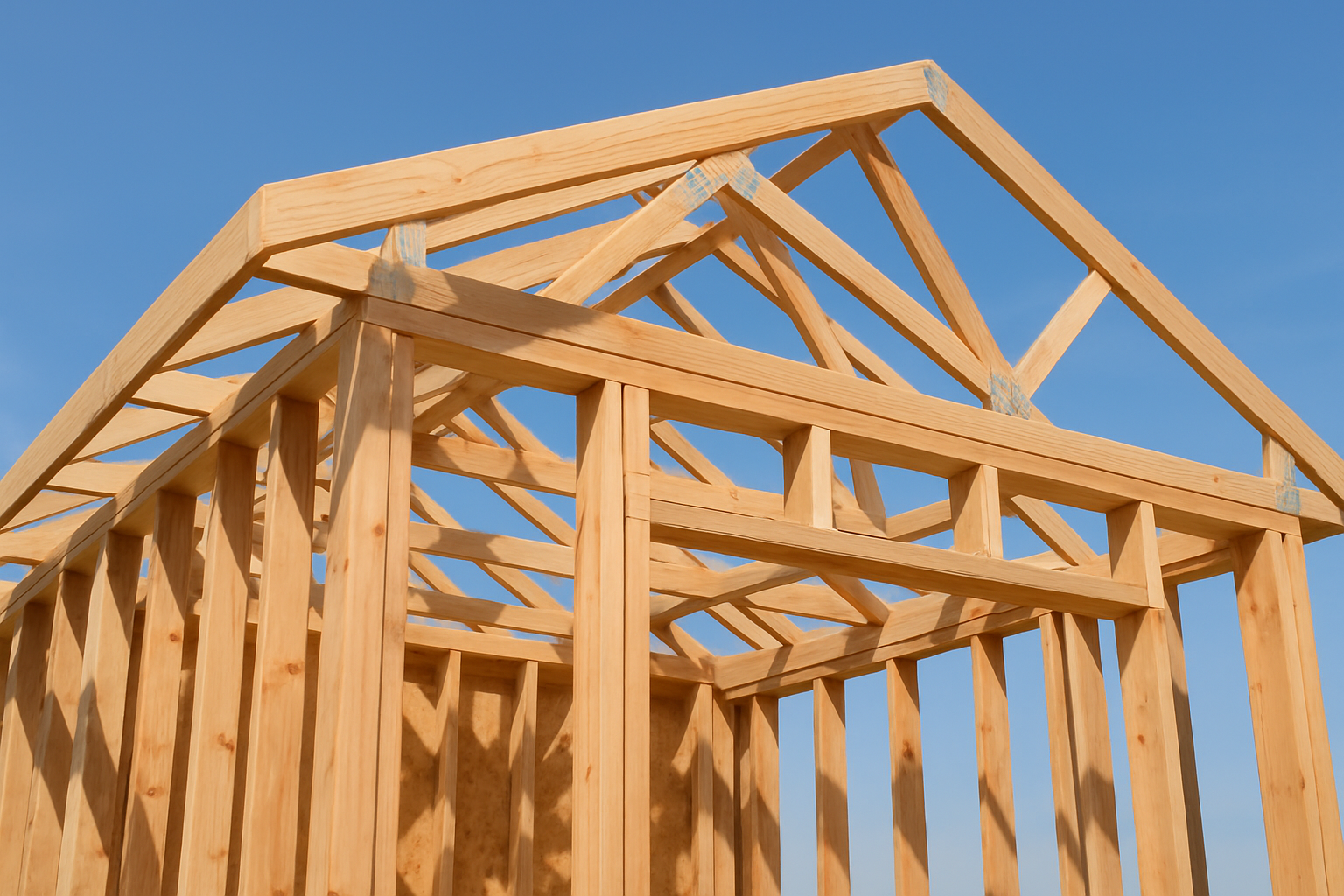
Framing and roofing mark a major milestone in the granny apartment build timeline.
Common Mistakes to Avoid When Building a Granny Apartment
Common mistakes include underestimating utility upgrade costs, skipping site assessments, and hiring a contractor without local permitting experience. In addition, some homeowners choose a design before confirming setback or size limits with their city, which forces costly revisions later. These errors often lead to delays and unexpected expenses, so early planning pays off consistently.
Frequently Asked Questions About Granny Apartments
What are granny apartments?
Granny apartments are self-contained secondary living units, also called accessory dwelling units, built on the same lot as a primary home. They include a private kitchen, bathroom, and entrance, allowing residents to live independently.
How much does it cost to build a granny apartment in Southern California?
Most detached granny apartments cost between $200,000 and $400,000, depending on size, finishes, and site conditions. Garage conversions and junior ADUs are typically less expensive, often ranging from $80,000 to $150,000.
Do I need a permit to build a granny apartment?
Yes, a building permit is required for any granny apartment construction in California. Local planning departments review plans for zoning compliance, fire safety, and structural standards before issuing approval.
How long does it take to build a granny apartment?
A typical project takes six to twelve months from design through final inspection. Timelines vary based on permit processing speed, unit size, and site complexity.
What is the difference between a granny apartment and a junior ADU?
A granny apartment is usually detached or attached with its own kitchen and bathroom, while a junior ADU is built within a home’s existing walls and may share utilities. Junior ADUs are generally smaller and less costly to build.
Can I rent out my granny apartment?
In most Southern California cities, homeowners can legally rent out a granny apartment as a long-term rental. Some jurisdictions restrict short-term rentals, so confirming local rules first is essential.
Do granny apartments increase property value?
Yes, a well-built granny apartment can meaningfully increase resale value and buyer appeal. It also generates steady rental income, further boosting the property’s overall investment potential.
What size can a granny apartment be in California?
State law generally allows detached units up to 1,200 square feet, though local ordinances may add further limits based on lot size. Junior ADUs are capped at 500 square feet under state guidelines.
What are common mistakes homeowners make when building granny apartments?
Common mistakes include underestimating utility upgrade costs, skipping site assessments, and hiring a contractor without local permitting experience. These errors often lead to delays and unexpected expenses.
Can I convert my garage into a granny apartment?
Yes, garage conversions are among the most affordable ways to create a granny apartment since the existing structure and foundation are already in place. However, the space must meet current building and fire codes after conversion.
Do granny apartments need separate utility meters?
Separate meters aren’t always required, but many homeowners choose them to simplify billing when renting the unit. Local utility providers and building departments can confirm specific requirements for a given property.
What financing options are available for granny apartments?
Homeowners commonly use home equity loans, cash-out refinances, construction loans, or renovation-specific mortgage products. Consulting a lender familiar with ADU financing helps identify the best option for your budget.
Is a granny apartment the same as an in-law suite?
Granny apartments and in-law suites describe essentially the same concept: a self-contained living space for family members or tenants. The terminology often varies by region, but the function and building requirements remain similar.
How do I choose the right contractor for a granny apartment project?
Look for a contractor with proven local permitting experience, transparent pricing, and a portfolio of completed ADU projects nearby. Checking licensing, client reviews, and warranty terms also helps ensure a reliable build.
Are granny apartments legal in every Southern California city?
Yes, state law requires nearly every California city to permit granny apartments on qualifying residential lots. However, specific setback, height, and design standards still vary, so checking your local municipal code remains important.
What return on investment can I expect from a granny apartment?
Many homeowners recoup a significant portion of construction costs within five to eight years through rental income alone, in addition to the added resale value. Actual returns depend on local rents, build cost, and financing terms.
Do granny apartments require a separate mailing address?
Some cities assign a distinct address or unit number for a granny apartment, particularly when it will be rented separately from the main home. Checking with your local planning or addressing department early avoids confusion for mail and utility billing later.
Can I build more than one granny apartment on my property?
In many cases, yes — California law allows both an ADU and a junior ADU on the same lot, and some larger parcels may support even more units under local ordinances. Consulting your city’s planning department confirms exactly how many units your specific lot allows.
Final Thoughts on Building Granny Apartments
In summary, granny apartments give Southern California homeowners a practical way to gain rental income, house family members, and increase property value, all while adapting to the region’s tightening housing market. Because permitting rules, costs, and design options vary by city, it helps to compare local plans and work with a contractor who understands the specific requirements of your area. Ultimately, whether you build a detached unit, convert a garage, or add a junior ADU, a well-planned granny apartment can deliver lasting value for years to come. For homeowners ready to take the next step, resources like theadupro.com offer local expertise across Orange County, Los Angeles County, and Riverside County to help guide the entire process from design to final inspection. This guide was prepared by The ADU Pro team, experienced in local ADU permitting and construction.