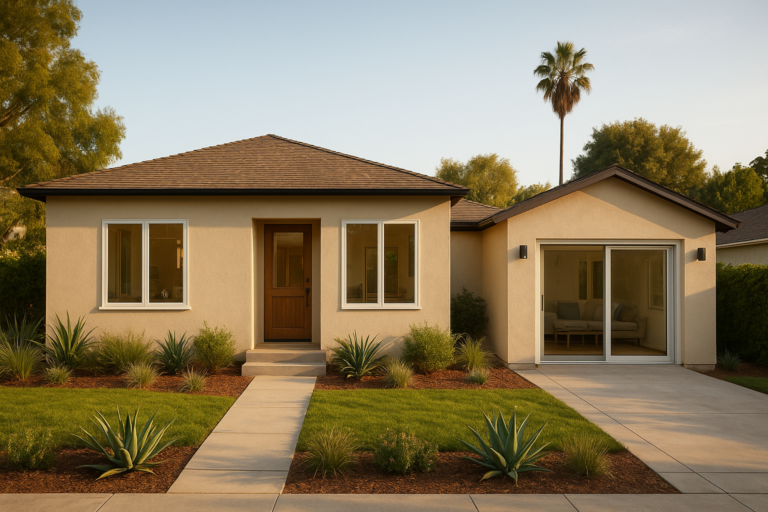
Garage conversion contractors in Chino help homeowners turn an underused garage into a permitted, livable accessory dwelling unit (ADU) without starting a new structure from the ground up. Because Chino sits at the intersection of Los Angeles, Orange, and Riverside counties, homeowners here have unusually strong access to rental demand, which makes converting a garage into income-producing space especially practical.
Quick Answer: A garage conversion turns an existing garage into a code-compliant ADU or junior ADU by adding insulation, plumbing, electrical systems, and finished living space. In Chino, the process typically requires a site assessment, custom design, structural engineering, city permitting, construction, and a final inspection before the space can legally be occupied.
What Are Garage Conversion Contractors in Chino?
Garage conversion contractors in Chino are licensed builders who specialize in transforming existing garages into finished ADUs, junior ADUs, or additional living space. Unlike general remodeling contractors, they focus specifically on the structural, electrical, and code requirements tied to converting a non-habitable space into one people can legally live in.
In addition, a contractor with dedicated ADU experience understands Chino’s local zoning overlays, minimum ceiling heights, and setback rules. As a result, homeowners avoid the common trap of hiring a contractor who is skilled at kitchens or additions but unfamiliar with the specific permit path an ADU conversion requires.
Why Chino Homeowners Are Converting Garages Into ADUs
Chino’s mix of established neighborhoods and larger residential lots makes it well suited to garage conversions. Consequently, many homeowners are pursuing this option to generate rental income, house aging parents, or create space for adult children without building a second structure from scratch.
Statewide, the trend is significant. According to the California Department of Housing and Community Development, cities across California issued tens of thousands of ADU permits in recent reporting years, reflecting a sustained shift toward smaller, secondary housing units on existing residential lots. Because garage conversions reuse an existing foundation, they typically remain one of the fastest and most cost-efficient ADU types available.
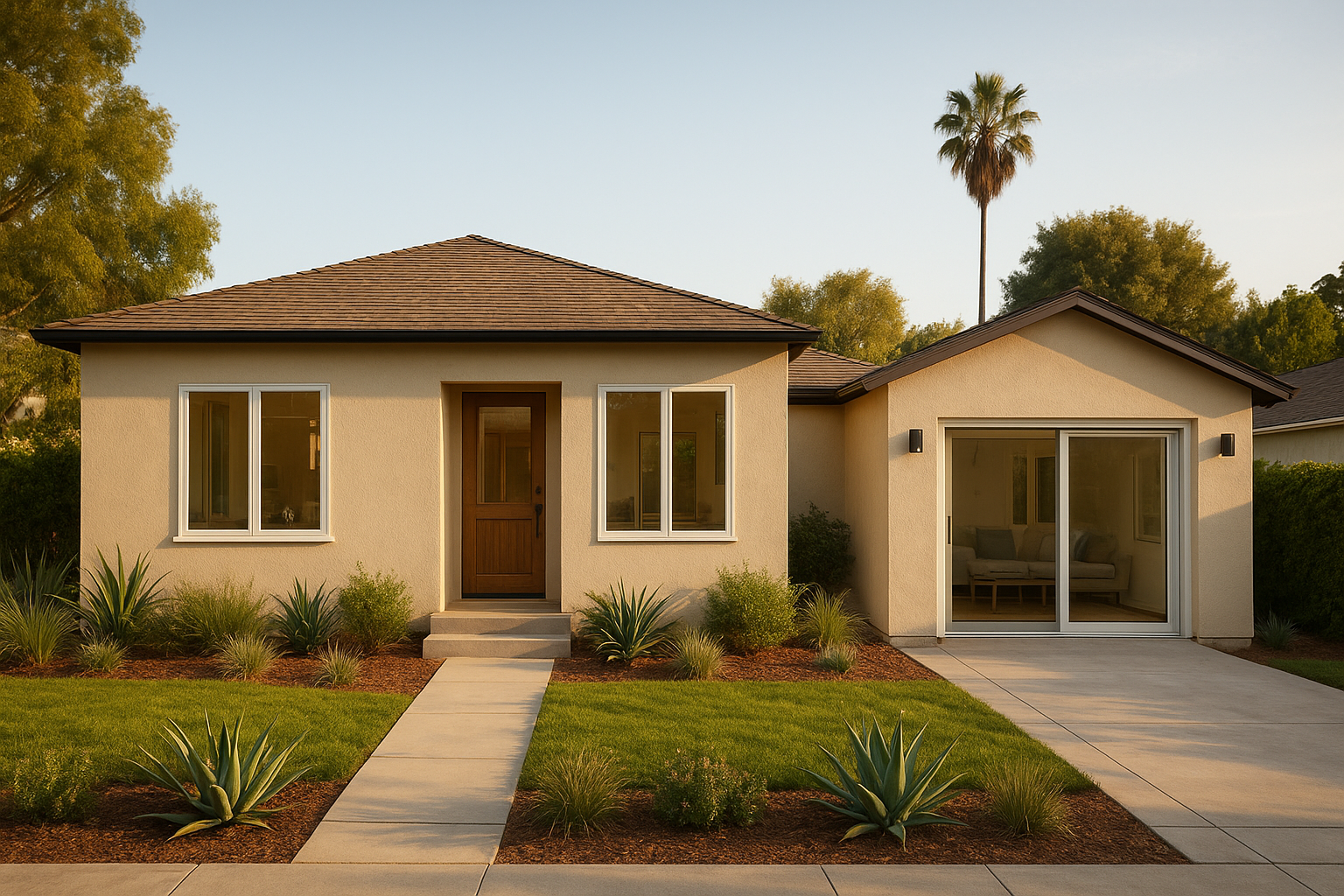
A finished garage conversion adds livable square footage without altering a home’s existing footprint.
The Garage Conversion Process, Step by Step
Understanding the sequence of a garage conversion helps homeowners set realistic expectations before signing a contract. Below is the typical path from first inspection to move-in.
- Site Assessment and Feasibility Review: A contractor inspects the garage’s foundation, ceiling height, and utility access, then checks the lot against Chino’s zoning and setback rules to confirm the conversion is feasible.
- Custom Design and Structural Engineering: The design team creates site-specific floor plans and coordinates structural engineering drawings covering insulation, framing, and any load-bearing changes.
- Permit Submittal and City Coordination: Plans go to the City of Chino’s building division, and the contractor manages plan check comments until permits are issued.
- Construction and Build-Out: Crews complete framing, electrical, plumbing, insulation, and finishes, scheduling inspections at required milestones.
- Final Inspection and Certificate of Occupancy: Once work is complete, the contractor schedules the final city inspection and assists with occupancy approval.
For homeowners comparing this timeline across nearby markets, this Riverside County garage conversion guide outlines a similar process with regional cost differences.
Garage Conversion Costs in Chino, CA
Cost is usually the first question homeowners ask, and understandably so. Garage conversion pricing depends heavily on square footage, finish level, and whether new utility lines are required.
Typical Cost Ranges:
Basic garage conversion (existing utilities nearby): roughly $80,000–$110,000
Full conversion with new plumbing and electrical: roughly $110,000–$150,000+
Detached garage requiring foundation upgrades: often the highest end of the range
For a more detailed cost breakdown by finish tier, this garage conversion cost guide walks through line-item pricing in greater depth.
Permits and Building Requirements in Chino
Every garage conversion in Chino requires permits, since the work changes occupancy classification and adds new living space. Specifically, the City of Chino’s building and safety division reviews plans for structural adequacy, Title 24 energy compliance, and fire separation between the converted unit and the main home.
Furthermore, state ADU law under the California Government Code streamlines much of this process compared to a traditional room addition, which is one reason garage conversions often move faster than homeowners expect. For statewide policy background, the California HCD ADU resource page explains the legal framework in detail, while general background on the housing type is available on Wikipedia’s accessory dwelling unit overview.
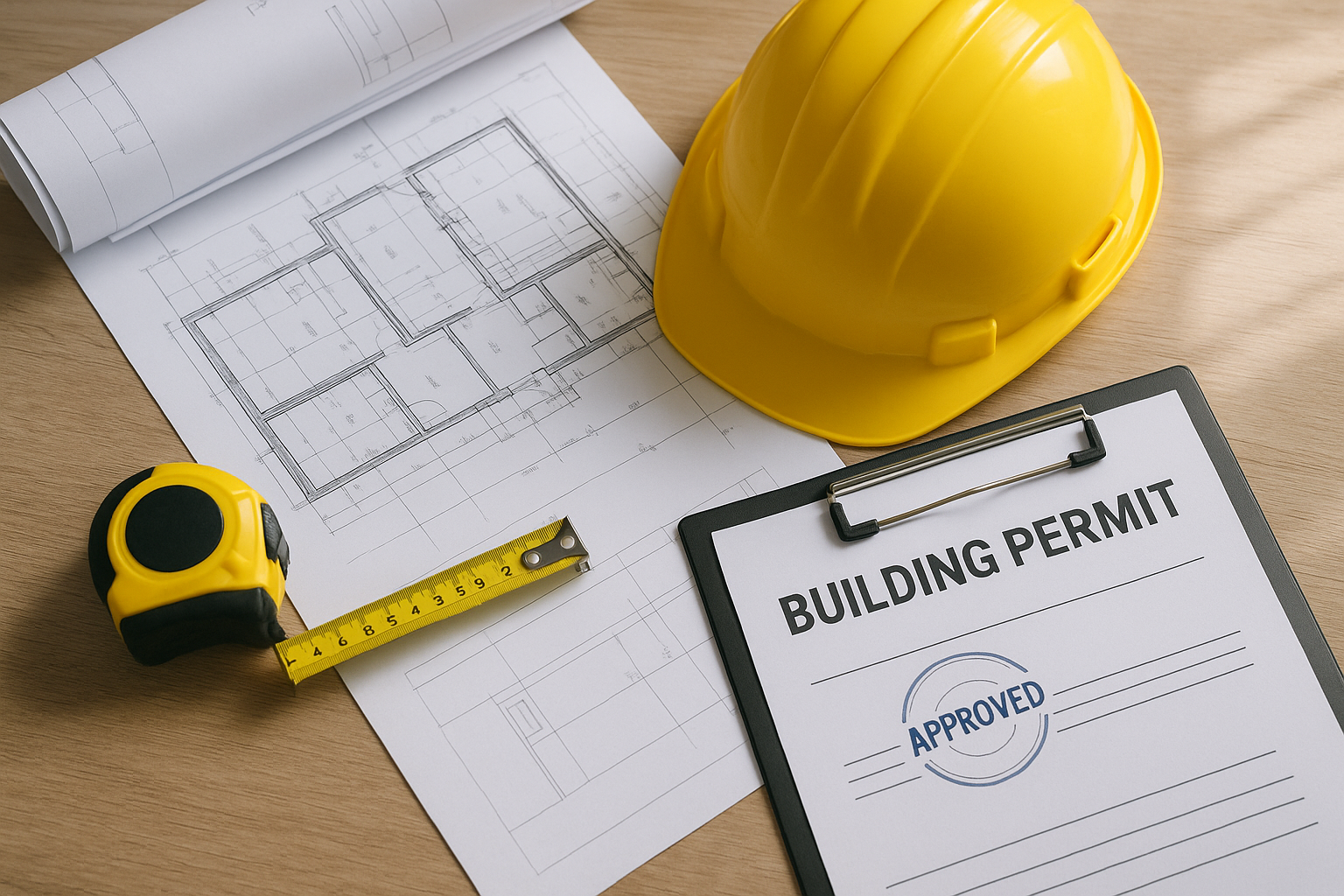
Permit coordination is one of the most time-consuming parts of any garage conversion project.
Garage Conversion vs. Detached ADU: Which Fits Your Lot?
Not every homeowner should default to a garage conversion. In contrast to a detached ADU built on open yard space, a conversion reuses the existing foundation and walls, which generally lowers cost and shortens the timeline. However, a detached ADU offers more flexibility in layout and placement, which matters if the garage sits too close to a property line.
Homeowners in nearby markets face the same decision. This comparison of high-quality garage conversion ADU builders in Riverside County and this Orange County garage conversion overview both break down when a conversion makes more sense than new construction.
How to Choose the Right Garage Conversion Company
Selecting among garage conversion contractors in Chino comes down to a few concrete checks rather than marketing claims. Above all, verify an active license through the California Contractors State License Board (CSLB), since this confirms the contractor is legally authorized to perform the work.
In addition, ask whether design, structural engineering, permitting, and construction are managed under one accountable team, or whether the homeowner will need to coordinate separate architects, engineers, and builders independently. Single-team accountability tends to reduce delays and miscommunication between phases.
Why Homeowners Choose The ADU Pro in Chino
The ADU Pro is headquartered in Chino and focuses exclusively on ADU design-build work across Orange County, Los Angeles County, and western Riverside County. The company holds an active CSLB license, carries a BuildZoom score in the top 1% of California contractors, and maintains an average client rating near 4.9 stars.
Notably, the company’s founder brings more than 30 years of broader construction experience before specializing exclusively in ADUs, and the team emphasizes net-zero-focused construction using USA-sourced materials. Homeowners considering a local project can review ADU construction services in Chino or start with a general overview at The ADU Pro’s website.
Financing note: The ADU Pro does not issue loans directly but coordinates with third-party lending partners offering HELOCs, construction loans, and ADU-specific financing programs, giving homeowners multiple funding paths to explore before committing to a project scope.
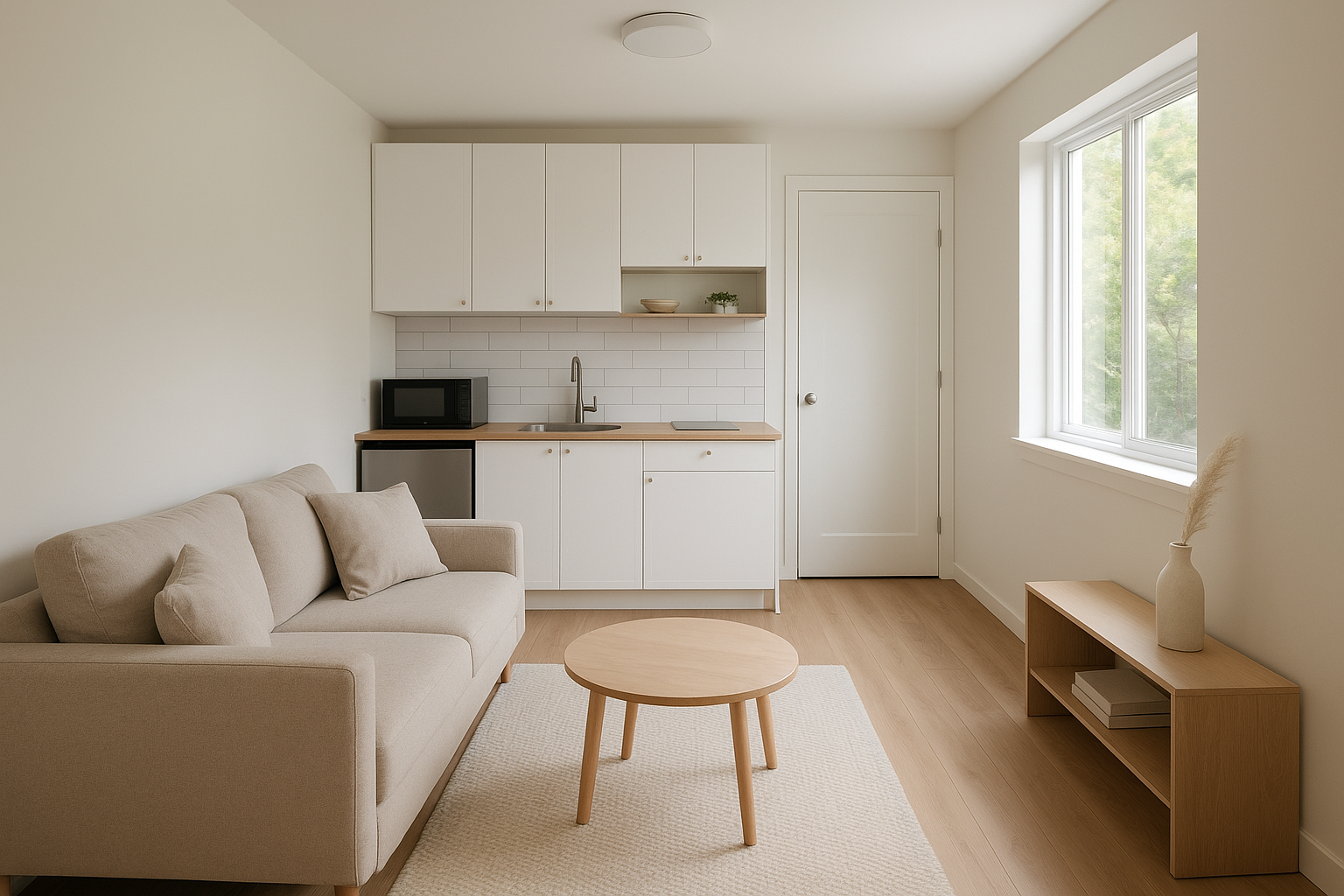
A completed garage conversion can serve as a rental unit, guest suite, or multigenerational living space.
Frequently Asked Questions
What is a garage conversion?
A garage conversion is the process of transforming an existing attached or detached garage into livable space, such as an ADU or junior ADU. It typically involves new insulation, plumbing, electrical work, and finishes while reusing the garage’s existing foundation.
How do garage conversion contractors in Chino differ from general contractors?
Garage conversion contractors in Chino specialize in ADU-specific code requirements, Title 24 compliance, and city permit rules, while general contractors often split attention across unrelated remodel types. A specialist typically moves plans through Chino’s building department faster.
How much does a garage conversion cost in Chino?
Costs generally range from the mid-$80,000s to over $150,000 depending on square footage, finish level, and utility upgrades. Detached garages needing new foundations or extensive plumbing typically land at the higher end.
How long does a garage conversion take?
Most projects take four to eight months from initial design through final inspection, including permit review. Construction itself often runs two to four months once permits are approved.
Do I need a permit for a garage conversion in Chino?
Yes, a permit is always required because the work changes occupancy and adds living space. Skipping permits can cause serious problems when selling the home or filing an insurance claim later.
Can any garage be converted into an ADU?
Not automatically; eligibility depends on lot size, setbacks, ceiling height, and foundation condition. A site assessment confirms whether the space meets Chino’s building code before design work begins.
Will a garage conversion increase my property taxes?
Converting a garage adds assessed value for the new square footage, which can raise property taxes modestly. However, California law limits reassessment to the value of the new construction rather than the entire property.
What size ADU can a converted garage be?
Garage conversions in Chino commonly range from 400 to 1,000 square feet depending on the existing footprint. State ADU law generally allows up to 1,200 square feet for detached units, though the original structure sets the practical ceiling.
What’s the difference between a garage conversion and a detached ADU?
A garage conversion reuses an existing foundation and walls, usually lowering cost and shortening timelines. A newly built detached ADU starts from bare ground, offering more design flexibility but typically higher cost per square foot.
What common mistakes do homeowners make with garage conversions?
The most frequent mistakes are skipping a proper feasibility study, underestimating utility upgrade costs, and hiring a contractor unfamiliar with local permit requirements. These missteps often cause delays and unexpected change orders.
What financing options exist for garage conversions?
Homeowners commonly use HELOCs, cash-out refinances, or ADU-specific construction loans. Many design-build contractors connect clients with third-party lending partners who specialize in these financing programs.
How do I choose the best garage conversion contractors in Chino?
Look for garage conversion contractors in Chino with an active CSLB license, strong verified reviews, and a portfolio of completed local ADU projects. Ask whether design, engineering, permitting, and construction are handled under one team to reduce coordination gaps.
Final Thoughts on Garage Conversion Contractors in Chino
Choosing among garage conversion contractors in Chino ultimately comes down to licensing, local permit experience, and whether design and construction are handled as one accountable process. Given the cost and timeline involved, a proper site assessment and realistic budget conversation upfront prevent most of the delays homeowners encounter later.
Ultimately, a well-executed garage conversion can add rental income, multigenerational living space, or long-term property value without the footprint of a full new build. For homeowners in Chino ready to evaluate their garage’s potential, The ADU Pro offers site assessments, custom design, permitting, and construction under one team.