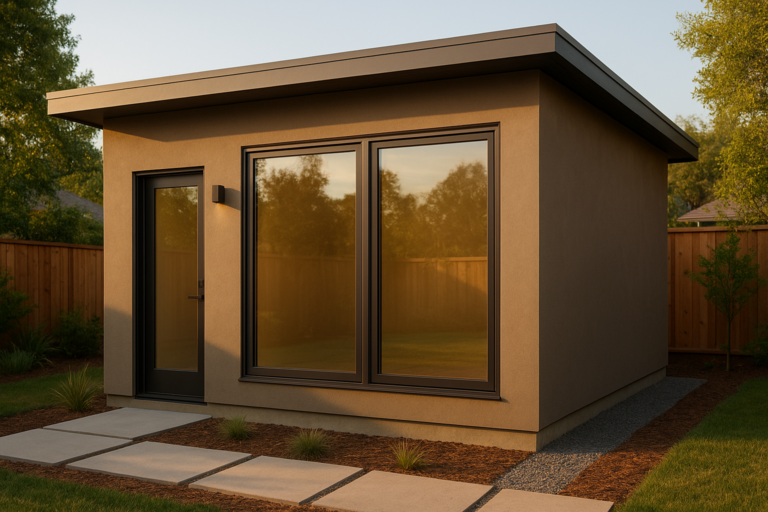
Energy efficient ADU windows are one of the most cost-effective upgrades a Southern California homeowner can specify when planning a backyard home, because window performance directly influences Title 24 energy compliance, indoor comfort, and monthly utility bills. Unlike many building components hidden behind drywall, windows are visible, felt every day, and often the first thing a lender’s appraiser or a future tenant notices. Choosing the right glazing package early keeps the rest of the design, from insulation to HVAC sizing, working together instead of fighting each other.
Direct answer: Energy efficient ADU windows are dual- or triple-pane units with low-emissivity coatings and NFRC-verified U-factor and SHGC ratings that meet or exceed California’s Title 24 standards. For most Southern California ADUs, a U-factor near 0.30 or lower paired with vinyl or fiberglass frames delivers strong performance without excessive cost.
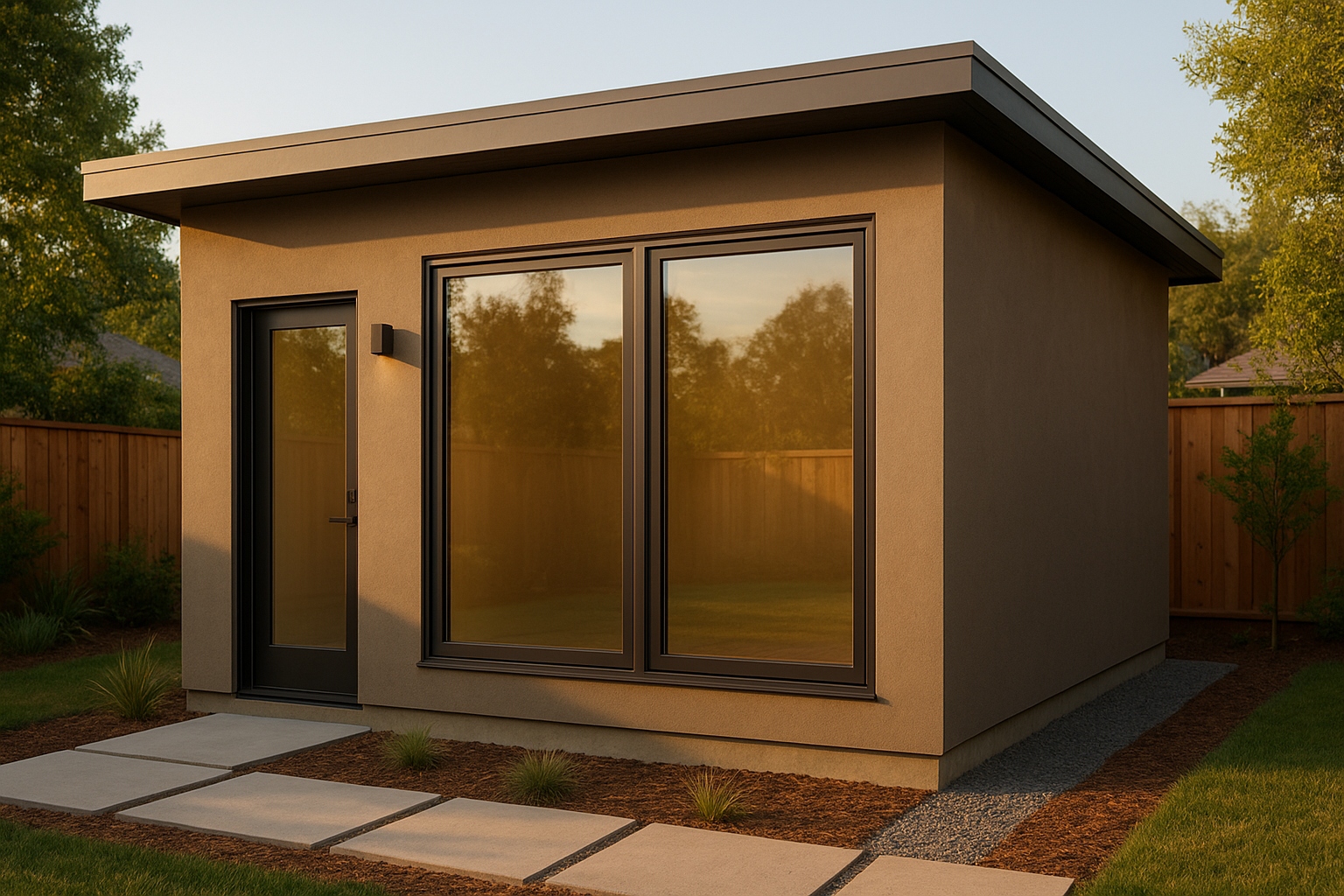
Energy efficient ADU windows help a detached backyard home stay comfortable in every season.
What Are Energy Efficient ADU Windows?
Energy efficient ADU windows combine insulated glass, low-emissivity (low-E) coatings, and well-sealed frames to slow heat transfer between indoor and outdoor air. In practice, that means less heat gain during hot Inland Empire summers and less heat loss on cool coastal Orange County nights. Because ADUs are small, often 500 to 1,200 square feet, window area makes up a larger share of the exterior wall than in a typical house, so window performance has an outsized effect on comfort and energy bills.
Additionally, window choice is not just an aesthetic decision. California’s Title 24 energy code sets maximum U-factor and Solar Heat Gain Coefficient (SHGC) limits for new residential construction, and ADUs are not exempt. Consequently, the windows you select must carry National Fenestration Rating Council (NFRC) labels that prove compliance before your city will approve the permit.
Why Window Performance Drives Title 24 Compliance
Title 24, administered by the California Energy Commission, requires every new residential unit, including ADUs, to demonstrate compliance through a standardized energy calculation. Windows are frequently the single largest variable in that calculation because glass conducts heat far more readily than insulated wall assemblies. As a result, upgrading window performance often gives the energy consultant more flexibility elsewhere, for example allowing a smaller HVAC unit or reduced insulation thickness in certain assemblies.
In contrast, choosing budget windows with poor U-factor ratings can force expensive compensating upgrades, such as higher-efficiency mechanical equipment or additional insulation, just to pass the same energy calculation. For that reason, discussing window specifications during the design phase, rather than after permit submittal, avoids costly rework. You can review how this fits into a broader net-zero-focused construction approach before finalizing your ADU plans.
Types of Energy Efficient Windows for ADU Construction
Homeowners generally choose between a handful of proven glazing and frame combinations. Understanding the tradeoffs helps you match the window package to your climate, budget, and design goals.
- Dual-pane, low-E glass: The standard baseline for most Southern California ADUs, offering strong performance at a moderate price point.
- Triple-pane glass: Adds an extra insulating layer and noise reduction, useful near freeways, airports, or colder inland valleys.
- Vinyl frames: Affordable, low-maintenance, and thermally efficient for most detached ADU and garage conversion projects.
- Fiberglass frames: More durable against warping and expansion, with a higher upfront cost that some homeowners find worthwhile long-term.
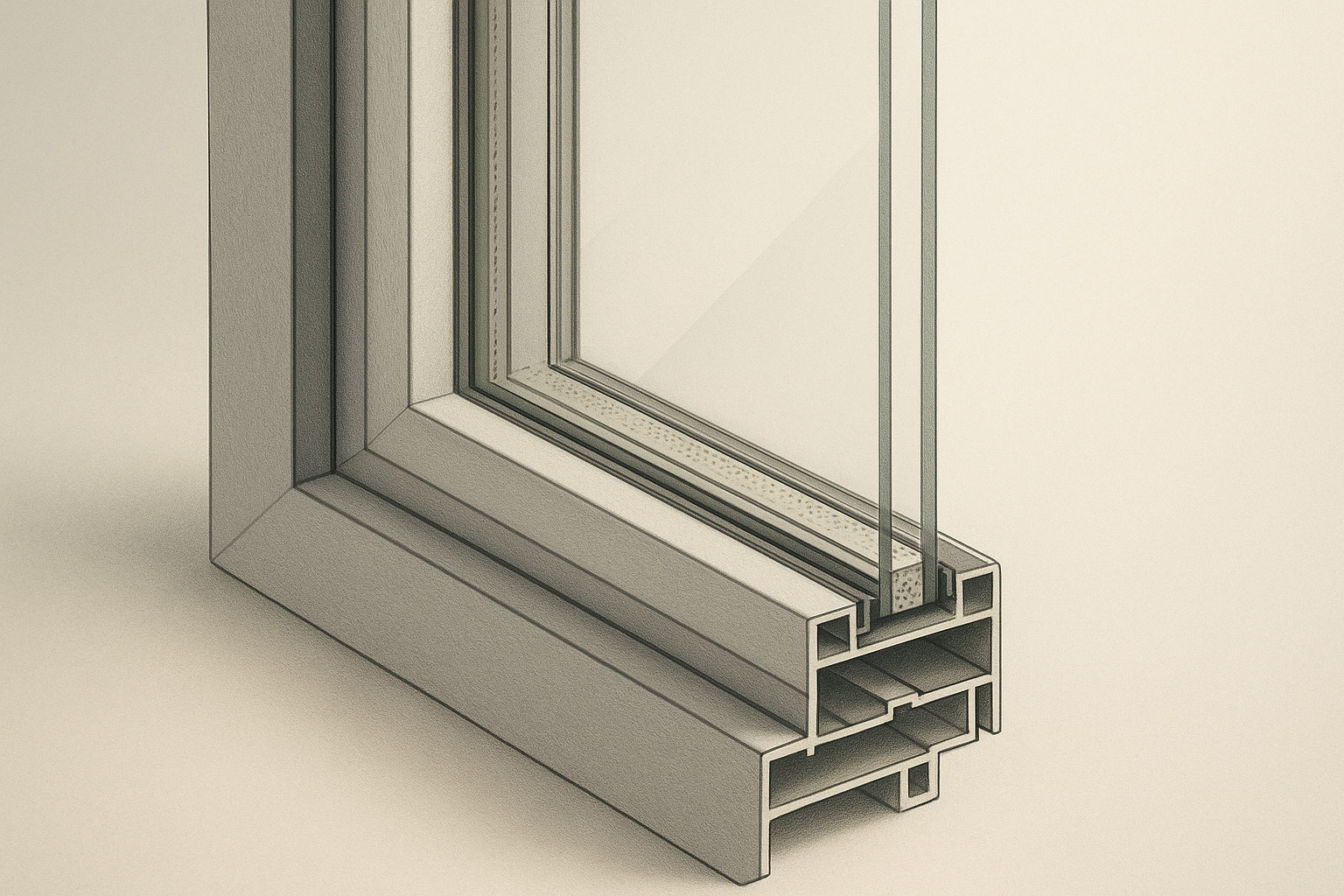
Dual-pane glazing with a sealed insulating gap is the baseline for most energy efficient ADU windows.
How to Choose the Right Windows for Your ADU
Selecting window specifications is easier when approached as a sequence rather than a single decision made at the showroom. The following steps outline the process most design-build teams follow.
- Confirm your local climate zone, since Title 24 window performance requirements vary by zone and directly affect which U-factor and SHGC ratings will pass plan check.
- Work with your designer or energy consultant to set minimum U-factor and SHGC targets before finalizing window sizes, since larger glazing areas often require higher-performing glass to stay compliant.
- Compare vinyl, fiberglass, and aluminum-clad frame options alongside dual-pane or triple-pane glazing packages, weighing upfront cost against long-term energy savings for your ADU’s location.
- Check the NFRC label on each proposed window model to confirm the published ratings match your compliance targets, and note any ENERGY STAR certification relevant to your climate zone.
- Submit the finalized window schedule and energy compliance documents with your permit package so the building department can verify performance before construction begins.
Because window lead times can run several weeks, this sequence works best when started during design rather than after framing is underway. Projects in Burbank, Anaheim, and Westminster each face slightly different plan check timelines, so early coordination with your city matters.
What Do Energy Efficient ADU Windows Cost?
Window pricing varies with frame material, glazing package, size, and the number of openings in the floor plan. For example, a small 500 square foot studio ADU with fewer, smaller windows will carry a lower total window cost than a 1,200 square foot two-bedroom unit with larger sliding glass doors and multiple bedroom windows. However, the U.S. Department of Energy notes that inefficient windows can account for a significant share of a home’s heating and cooling losses, which is why the upfront premium for efficient glazing often pays back through lower utility bills over the life of the unit.
Furthermore, financing the window package alongside the rest of the build, rather than as a separate line item, tends to simplify budgeting. Homeowners exploring ADU financing coordination can factor efficient window upgrades into a single construction loan or HELOC draw schedule instead of paying out of pocket mid-project.
Common Mistakes to Avoid
Above all, avoid finalizing window style and size before confirming Title 24 compliance, since large decorative windows chosen purely for curb appeal can push an energy calculation out of range. Similarly, do not assume a window is efficient simply because it is marketed as “energy saving.” Instead, always verify the NFRC label. Homeowners in coastal cities such as Laguna Beach should also account for salt-air exposure, which can affect frame material choice over the long term.

Reviewing window specifications during design helps avoid costly changes later in permitting.
Frequently Asked Questions About Energy Efficient ADU Windows
What are energy efficient ADU windows?
Energy efficient ADU windows are windows engineered with insulated glazing, low-emissivity coatings, and tight-sealing frames that reduce heat transfer between the ADU interior and outdoor conditions. They typically carry NFRC ratings for U-factor and SHGC that meet or beat California’s Title 24 minimums.
How do energy efficient ADU windows help meet Title 24 requirements?
Title 24 sets maximum U-factor and SHGC limits for new residential construction, including ADUs, and window performance is one of the easiest compliance points to control. Choosing rated, efficient windows early in design gives the energy consultant more flexibility to balance insulation, HVAC, and glazing without costly rework.
What is the U-factor and why does it matter for ADU windows?
U-factor measures how much heat a window lets through, so a lower number means better insulation. For most Southern California climate zones, a U-factor at or below 0.30 is a reasonable target.
Are triple-pane windows worth the extra cost for a small ADU?
For most Southern California climate zones, quality dual-pane windows with low-E coatings already meet Title 24 targets, so triple-pane is usually optional. It can be worth it near freeways, airports, or colder inland valleys where extra insulation and sound dampening add real value.
How much do energy efficient ADU windows cost?
Efficient vinyl or fiberglass windows for a typical 500 to 1,200 square foot ADU generally cost more per unit than builder-grade windows, and the total package often represents a meaningful share of the build budget. Exact pricing depends on frame material, glazing, size, and opening count, so a site-specific quote is the only reliable way to budget.
How long does window installation take during ADU construction?
Installation itself typically takes a few days once framing is complete, though ordering lead time for efficient, code-compliant windows can run several weeks. Building this lead time into the schedule early prevents delays later in the project.
What’s the difference between vinyl and fiberglass window frames for ADUs?
Vinyl frames are generally more affordable and still deliver strong thermal performance, making them common in cost-conscious ADU projects. Fiberglass frames cost more upfront but resist warping and expansion better over time.
Can energy efficient windows help my ADU qualify as net-zero?
Yes, windows are one of several components, alongside insulation, air sealing, efficient HVAC, and optional solar, that contribute to a net-zero-focused ADU. No single upgrade makes a unit net-zero alone, but efficient glazing reduces the load the rest of the system must cover.
What common mistakes do homeowners make when choosing ADU windows?
The most common mistake is selecting window style and size purely for looks before confirming Title 24 compliance, which can force expensive changes during plan check. Another frequent error is skipping NFRC labels and assuming a window is efficient because it is marketed that way.
Do energy efficient ADU windows increase rental value?
Lower utility bills and better temperature control appeal to renters, and efficient windows contribute directly to both. Windows alone will not determine rental income, but they support the comfort claims that help an ADU compete for quality tenants.
What window certifications should I look for?
Look for an NFRC label showing verified U-factor and SHGC ratings, and check whether the model qualifies for ENERGY STAR certification in your climate zone. These third-party ratings are more reliable than general marketing claims.
Does The ADU Pro handle window selection and permitting for Title 24 compliance?
Yes, The ADU Pro coordinates window specifications, Title 24 documentation, and permit submittals as part of its in-house design-build process for detached ADUs, attached ADUs, garage conversions, and JADUs. This keeps window selection aligned with structural, energy, and budget requirements from the earliest design stage.
Final Thoughts
Ultimately, energy efficient ADU windows influence far more than curb appeal. They shape Title 24 compliance, monthly utility costs, and how comfortable an ADU feels through every Southern California season. By setting performance targets early, verifying NFRC ratings, and coordinating window selection with the rest of the design, homeowners can avoid costly permit delays and build a unit that performs as well as it looks. For a site-specific recommendation based on your lot, climate zone, and floor plan, reviewing options with a specialized design-build team such as The ADU Pro remains the most reliable next step. Reference resources like the California Energy Commission’s Title 24 program page can also help homeowners understand baseline requirements before finalizing their window schedule.