
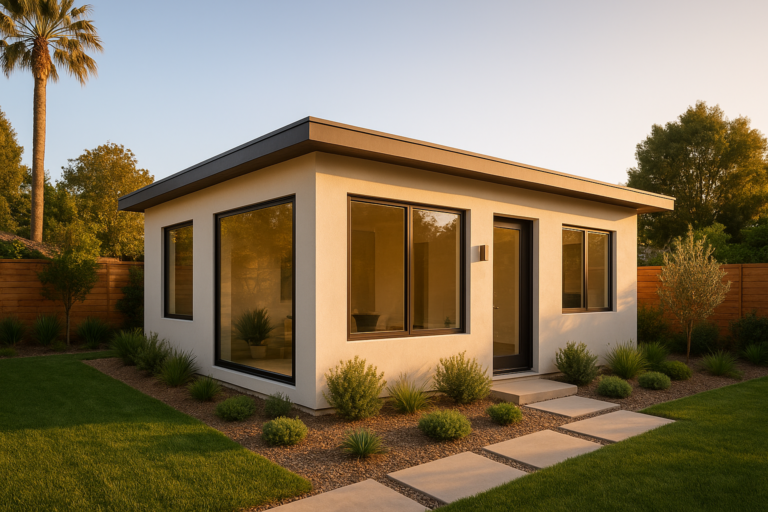
Detached ADU construction experts are the specialized contractors homeowners turn to when they want a free-standing backyard home built correctly the first time, from lot feasibility through final inspection. Unlike general remodelers, these specialists focus exclusively on accessory dwelling units (ADUs) — compact, code-compliant structures that can generate rental income, house family members, or raise property value. In Southern California, where cities like Los Angeles, Anaheim, and Riverside each enforce their own setback and permitting rules, choosing the right expert often determines whether a project finishes on budget or stalls in plan check. This guide breaks down what genuinely separates specialized ADU builders from contractors who simply treat ADUs as side work.
Quick answer: Detached ADU construction experts are design-build contractors who specialize in standalone backyard homes — managing site assessment, architectural design, structural engineering, permitting, and construction under one accountable roof instead of subcontracting each phase separately.
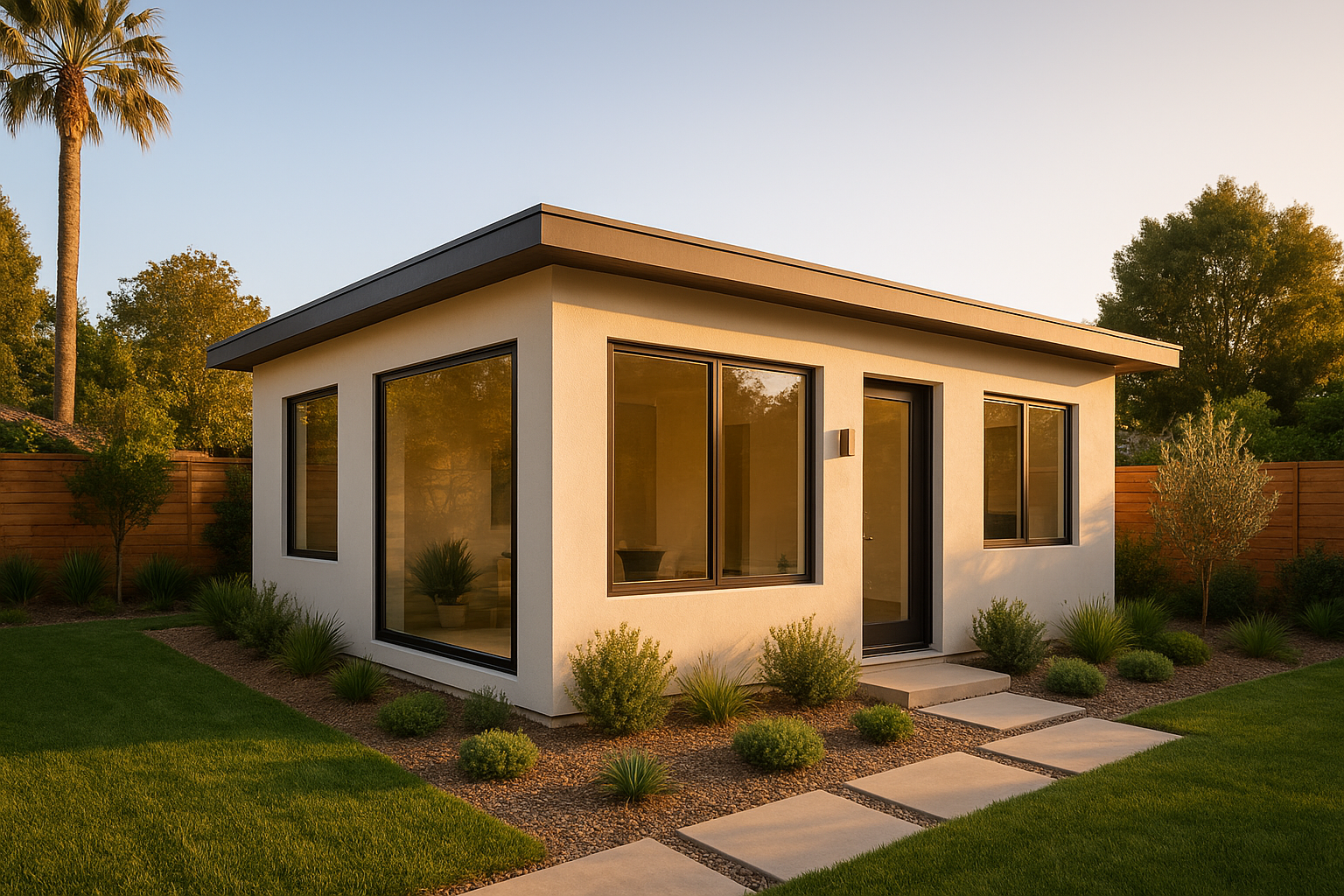
A finished detached ADU project completed by detached ADU construction experts in Southern California.
What Are Detached ADU Construction Experts, Exactly?
Detached ADU construction experts are contractors whose work centers almost entirely on accessory dwelling units — not kitchen remodels, not room additions, and not general home repair. As a result, they tend to know city-specific setback rules, Title 24 energy requirements (California’s building energy-efficiency code), and plan check quirks far better than a generalist who builds one ADU every few years.
In practice, this specialization shows up in three places: the design phase, the permitting phase, and the construction phase. A true specialist designs floor plans around real lot constraints rather than recycling a generic template. Similarly, they submit permit packages that already anticipate common plan check comments, which shortens approval time. Finally, during construction, they coordinate trades who have built dozens of similar structures, which reduces costly rework. For a deeper look at what qualifies as a detached structure under California housing law, see this complete homeowner guide to detached dwellings.
Why Southern California Homeowners Choose Specialized ADU Contractors
Southern California’s ADU market is uniquely complex because county and city rules shift from block to block. Orange County, Los Angeles County, and western Riverside County each process ADU permits differently, and setback requirements can vary even between neighboring jurisdictions. Consequently, homeowners who hire specialized ADU contractors — rather than general remodelers — tend to avoid the permit delays that stall so many first-time projects.
According to the California Department of Housing and Community Development, state law has steadily expanded ADU eligibility since 2017, allowing more lots to qualify for detached units than ever before. However, expanded eligibility does not mean every lot automatically qualifies at maximum size. That is why a proper feasibility study, not a generic online calculator, remains the only reliable starting point. For homeowners weighing a standalone unit against other configurations, this guide to detached guest house ADUs explains how lot size and intended use shape the right layout.
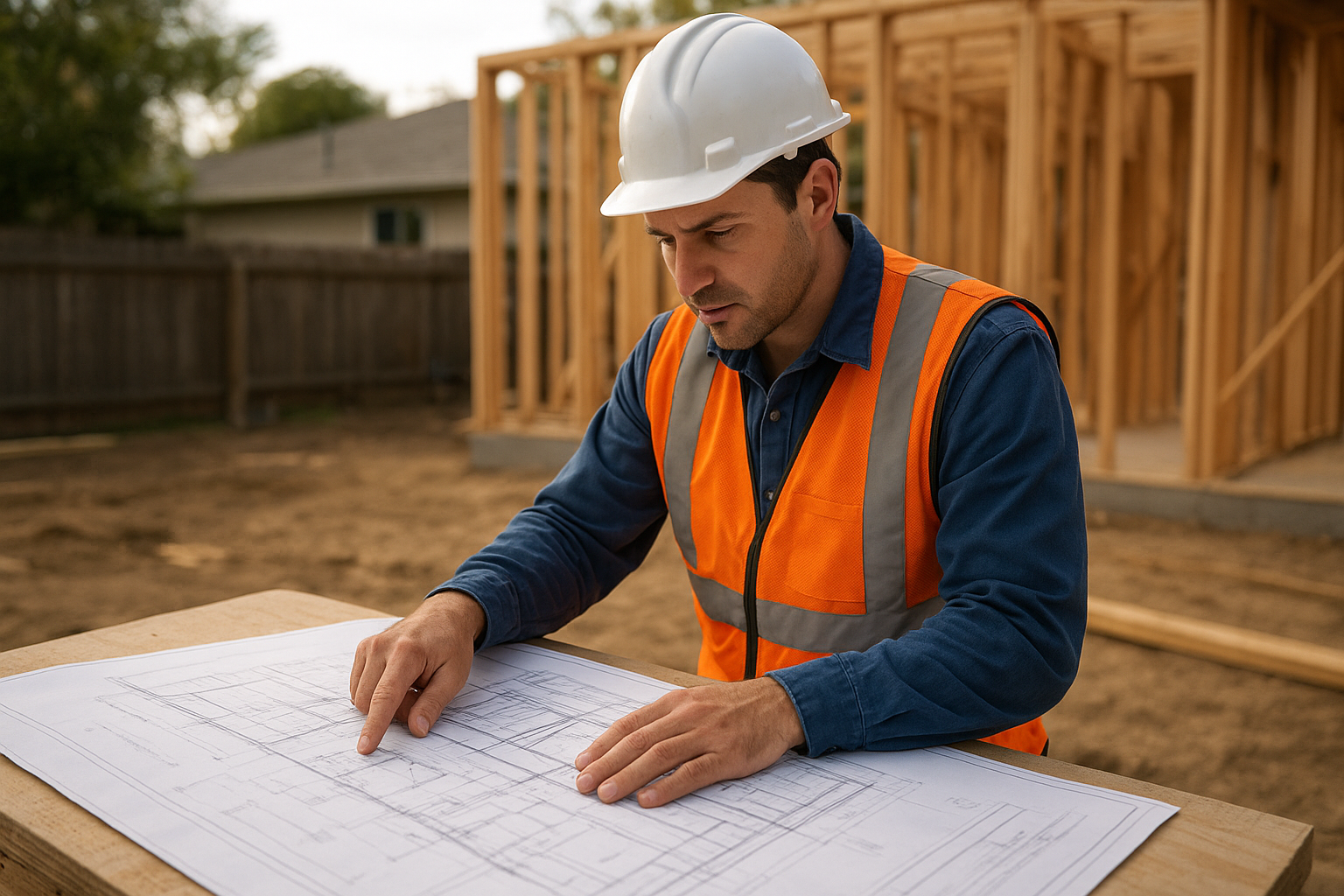
On-site plan review is a routine step for experienced detached ADU builders before framing begins.
How to Evaluate a Detached ADU Builder Before Signing a Contract
Not every contractor who advertises ADU services actually specializes in them. Therefore, it helps to verify a few concrete credentials before signing anything. First, confirm the contractor holds an active license through the California Contractors State License Board (CSLB). Second, check independent scoring platforms like BuildZoom, which rank contractors based on permit history, complaints, and project volume. A score in the top tier generally signals consistent, documented performance rather than a handful of favorable reviews.
In addition, ask whether the company manages design, engineering, and construction internally or subcontracts each phase separately. Design-build teams that keep this work in-house are usually easier to hold accountable when problems arise mid-project. Finally, review how the contractor handles code compliance; this built-to-code overview explains what that process typically involves in practice.
The Detached ADU Construction Process, Step by Step
Although every lot is different, the general sequence detached ADU construction experts follow stays fairly consistent across Southern California. Understanding these steps in advance helps homeowners set realistic expectations for timeline and communication.
- Site Assessment and Feasibility Study: A qualified team visits the property to measure setbacks, check utility access, and confirm zoning allows a detached ADU of the desired size before any design work begins.
- Custom Architectural Design: Designers create site-specific floor plans ranging from roughly 500 to 1,200 square feet, balancing homeowner goals like rental income or multigenerational living with lot constraints.
- Structural Engineering and Permit Submittal: Licensed engineers prepare structural drawings and Title 24 energy compliance documents, then the completed package is submitted to the local building department for review.
- City Plan Check and Permit Approval: The city reviews plans for code compliance, often requesting corrections; the contractor responds to plan check comments until permits are formally approved and issued.
- Construction and Site Coordination: Crews build the foundation, framing, mechanical systems, and finishes while the project manager coordinates subcontractors, material deliveries, and scheduled city inspections throughout construction.
- Final Inspection and Certificate of Occupancy: Once construction is complete, the building department conducts a final inspection, and the contractor assists with closing out permits and obtaining the certificate of occupancy.
For a breakdown of how each of these phases typically affects total project cost, this full guide to detached ADU costs offers additional detail worth reviewing before budgeting.
What Makes TheADUPro’s Detached ADU Specialists Different
TheADUPro, headquartered in Chino, CA, operates exclusively as an ADU design-build contractor rather than a general remodeler who occasionally takes on backyard projects. The company holds an active CSLB license and carries a BuildZoom score placing it among the top 1% of California contractors, with an average client rating near 4.9 stars. The founder brings more than 30 years of broader construction experience before specializing entirely in ADUs, which shapes how projects are scoped and managed day to day.
Beyond credentials, the construction approach itself emphasizes net-zero-focused methods, including energy-efficient windows, upgraded insulation, and optional solar integration, paired with USA-sourced materials. Custom built-ins and interior millwork are handled in-house rather than outsourced, which keeps design intent consistent from drawing to finished space. For financing, the team connects homeowners with third-party lending partners for HELOCs, construction loans, and ADU-specific programs, though it is worth noting the company coordinates financing rather than issuing loans directly. Readers can explore service details further at theadupro.com.
Where Our Detached ADU Experts Build Across Southern California
Geography matters more in ADU construction than most homeowners expect, since permit timelines and inspection requirements shift from city to city. TheADUPro’s primary construction market covers Orange County, Los Angeles County, and western Riverside County, with additional site assessment reach extending into San Bernardino County. Notably, the company does not currently serve San Diego County, the Inland Empire high desert, or Northern California, so homeowners outside the core service area should confirm coverage before requesting a consultation.
Within Orange County specifically, city-level requirements for setbacks and height limits can differ noticeably between communities. For example, homeowners in Anaheim often ask how local zoning affects detached unit placement; this Anaheim ADU design overview addresses those specifics directly.
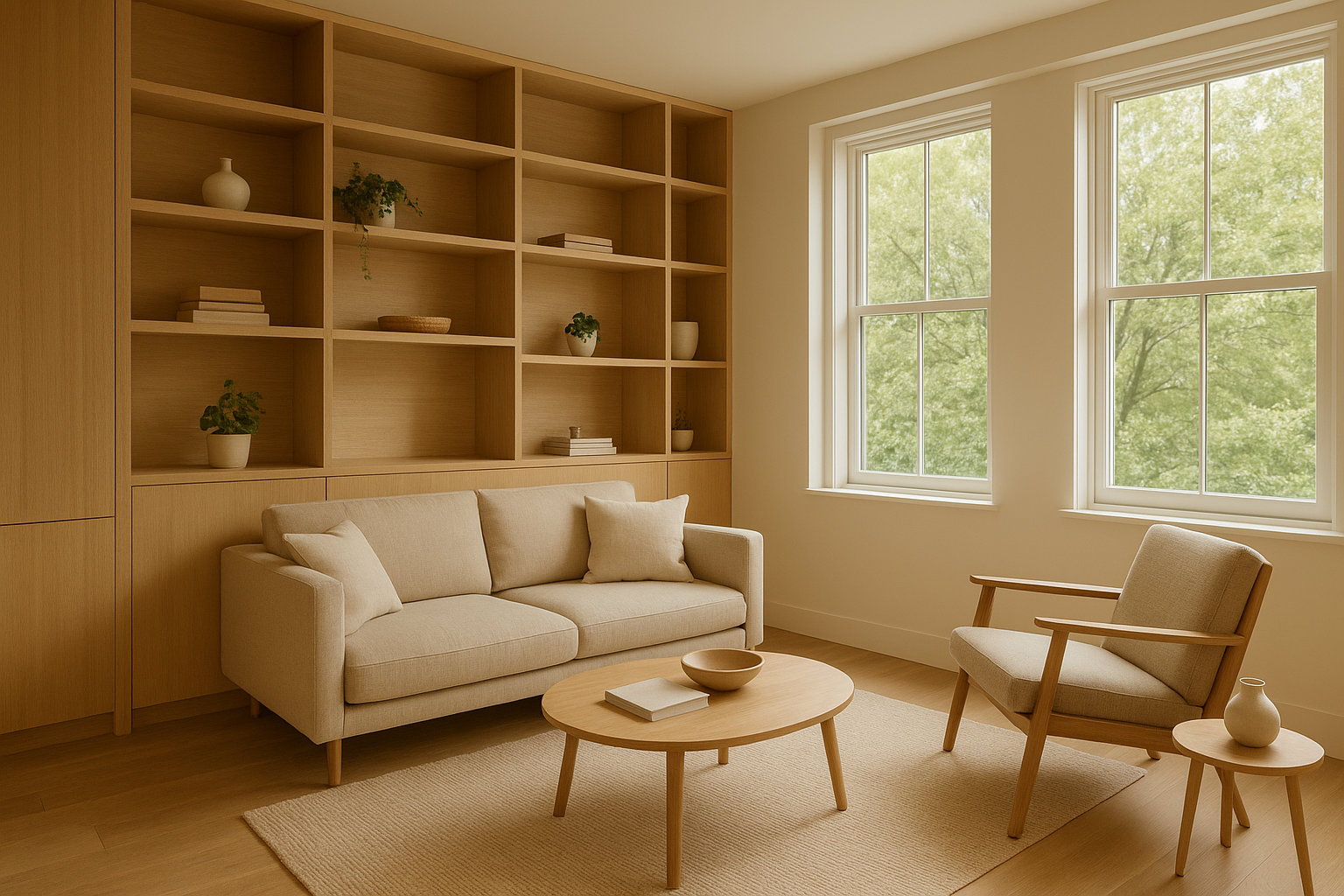
Custom built-ins, like those shown here, are a signature detail among experienced detached ADU builders.
Frequently Asked Questions About Detached ADU Construction Experts
What are detached ADU construction experts?
Detached ADU construction experts are design-build contractors who specialize exclusively in standalone backyard homes, handling site assessment, design, engineering, permitting, and construction as one accountable team. They differ from general remodelers because ADU code, financing, and permitting are their core focus rather than a side service.
How much does detached ADU construction cost in Southern California?
Costs typically scale with square footage, finish level, and site conditions like slope or utility distance. Most detached projects land in a broad mid-to-high six-figure range, so a site-specific estimate from a licensed contractor is the only reliable way to budget.
How long does it take to build a detached ADU?
A detached ADU generally takes four to nine months from signed design agreement to final inspection, depending on city permit turnaround and construction complexity. Design and engineering typically take six to ten weeks, while permit review timelines vary significantly by jurisdiction.
What size detached ADU can I build on my lot?
California law generally allows detached ADUs up to 1,200 square feet, though local setback, height, and lot coverage rules can affect the final buildable size. A site assessment confirms the maximum square footage your specific lot supports.
Do I need a permit for a detached ADU?
Yes, every detached ADU requires building permits, and most cities also require plan check approval before construction begins. Permit scope typically includes structural, electrical, plumbing, and Title 24 energy compliance review.
Can an HOA block a detached ADU?
Under California law, HOAs generally cannot outright ban ADUs, though they may impose reasonable restrictions on design or placement in some cases. Homeowners should still review CC&Rs and consult local guidance before finalizing plans.
Will building a detached ADU trigger a property tax reassessment?
Adding a detached ADU typically triggers a partial property tax reassessment limited to the value of the new construction, not the entire property. The existing home’s assessed value usually remains unchanged under current California assessment rules.
What financing options are available for detached ADU construction?
Homeowners commonly use HELOCs, construction loans, or ADU-specific financing programs to fund a detached build. Many detached ADU construction experts coordinate with third-party lending partners but do not issue loans directly.
What is the difference between a detached ADU and a garage conversion?
A detached ADU is a new freestanding structure built separately from the main house, while a garage conversion repurposes an existing attached or detached garage into living space. Garage conversions are often faster and less expensive since the building shell already exists.
How do I choose the right detached ADU builder?
Verify an active CSLB license, review third-party ratings such as BuildZoom scores, and confirm the contractor manages design, permitting, and construction together. Asking to see completed detached ADU projects in your city is also a reliable way to evaluate experience.
What mistakes should homeowners avoid when hiring an ADU contractor?
Common mistakes include skipping a formal lot feasibility study, hiring separate firms for design and construction without clear accountability, and underestimating city-specific permit timelines. These gaps often cause budget overruns and project delays.
Do detached ADU construction experts handle permits and inspections?
Yes, reputable detached ADU construction experts typically manage permit submittals, city coordination, and inspection scheduling as part of their design-build service. This reduces the back-and-forth homeowners would otherwise manage directly with the building department.
What areas do detached ADU construction experts at TheADUPro serve?
TheADUPro builds primarily in Orange County, Los Angeles County, and western Riverside County, with additional site assessment reach into San Bernardino County. The company does not currently serve San Diego County, the Inland Empire high desert, or Northern California.
Final Takeaway
Ultimately, hiring detached ADU construction experts rather than a general remodeler comes down to accountability and local knowledge. Specialists who manage design, engineering, permitting, and construction together tend to move projects through city plan check faster and with fewer surprises. Before signing a contract, verify licensing, check independent ratings, and request to see completed detached ADU projects similar to yours. If you are evaluating options in Orange County, Los Angeles County, or western Riverside County, requesting a site assessment is the most reliable next step toward an accurate cost and timeline for your property.

