Final ADU inspection coordination is the last hurdle between a finished accessory dwelling unit and a legal certificate of occupancy — and it’s often more stressful than homeowners expect. After months of design, permitting, and framing, many assume construction completion means the project is done. However, the inspection sign-off is exactly where projects tend to stall in Southern California. This guide explains what final inspection coordination actually involves, why it matters, and how a specialized ADU contractor keeps this last step from becoming a costly delay.
Quick answer: Final ADU inspection coordination means scheduling, preparing for, and managing every building department sign-off needed before a city issues a certificate of occupancy. It typically includes confirming prior inspections are closed, staging permit documents on site, and resolving any correction items an inspector flags.
What Is Final ADU Inspection Coordination?
Final ADU inspection coordination is the process of scheduling and managing the last building department inspections—framing, electrical, plumbing, mechanical, and final—required before a city will sign off on an accessory dwelling unit. In practice, this means a contractor communicates directly with the assigned building inspector, tracks which prior inspections have already passed, and resolves any punch-list items before requesting the final walkthrough.
Because California building departments are notoriously particular, even a small mismatch between approved plans and finished construction can trigger a correction notice. As a result, coordination matters just as much as construction quality. Homeowners working with a contractor who specializes in smooth permitting and inspection processes for ADUs tend to avoid the scheduling gaps that stretch timelines by weeks.
Why Final Inspection Coordination Matters for Your ADU Timeline
Skipping ahead to construction without planning for inspections is one of the most common mistakes homeowners make. In particular, a missed inspection window can push occupancy back by a full inspection cycle, which in many Southern California cities means an additional one to three weeks per visit. Consequently, projects that treat final inspection coordination as an afterthought often finish later—and cost more—than projects that plan for it from day one.
Additionally, under California Government Code Section 65852.2, cities must act on ADU permit applications within a defined statutory window, generally 60 days for most submittals. That same regulatory pressure, however, does not apply as strictly to inspection scheduling, which is why proactive coordination during construction is so valuable. Homeowners who understand the step-by-step ADU design-build process from the start are better positioned to avoid last-minute surprises at the finish line.
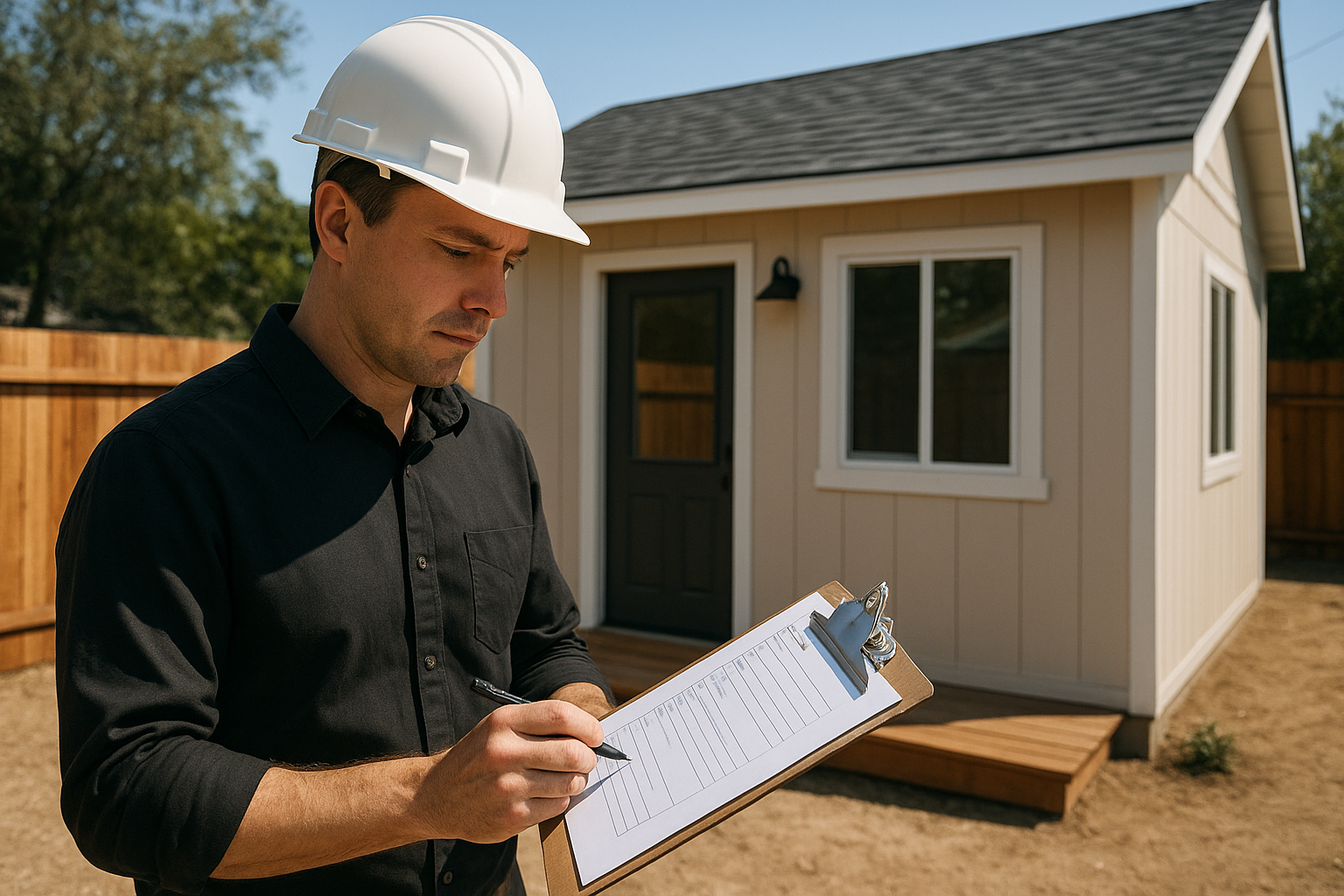
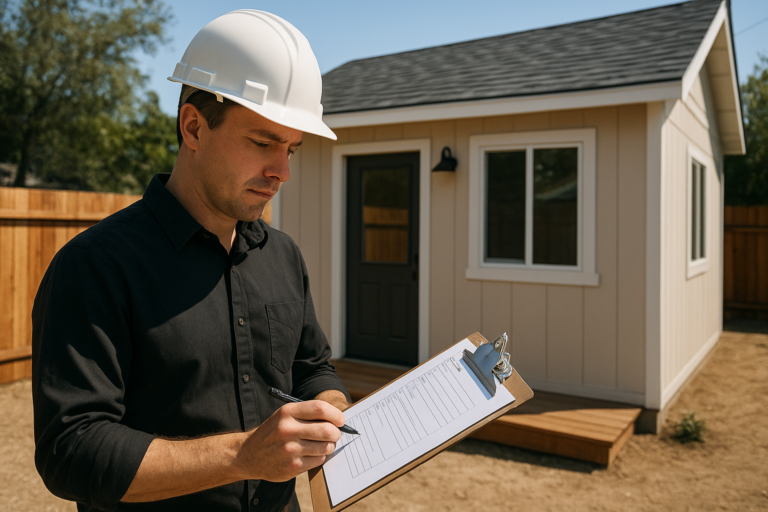
Final ADU inspection coordination often starts with a checklist review before the inspector ever steps inside.
The Step-by-Step Final Inspection Process
Understanding the sequence of events helps homeowners know what to expect. Below is the typical path an ADU takes on its way to a certificate of occupancy.
- Confirm prior inspections are closed. Foundation, framing, rough electrical, rough plumbing, and insulation must all be signed off first.
- Schedule the final inspection request. The contractor submits the request referencing the correct permit number and confirms an available date.
- Prepare the site and documentation. Approved plans, Title 24 energy compliance paperwork, and prior sign-off cards should be on hand.
- Walk through with the inspector. The inspector reviews finishes, safety devices, and energy features throughout the unit.
- Resolve corrections and receive sign-off. Any noted items get fixed, followed by a re-inspection if needed, leading to the certificate of occupancy.
For homeowners who want a deeper breakdown of what happens before this stage, the site assessment and feasibility checklist outlines how early planning decisions influence the final inspection later on.
Common Causes of ADU Inspection Delays
Even well-built ADUs sometimes fail their first final inspection. Specifically, the most frequent culprits are missing smoke or carbon monoxide detectors, incomplete exterior address numbering, unfinished grading around the foundation, and Title 24 energy features that don’t quite match approved plans. In addition, missing paperwork on site—such as an unsigned prior inspection card—can cause an inspector to postpone the visit entirely.
Because these issues are often minor but still require a documented correction, they can add unnecessary weeks to a project. For example, a single missing detector might delay occupancy by ten days simply because the next inspection slot isn’t available sooner. As a result, contractors who track every requirement in advance tend to have far smoother final inspections than those who treat it as a last-minute checklist.
How a Design-Build Contractor Coordinates the Final ADU Inspection
A design-build contractor who has managed the project from design through construction already knows every prior inspection outcome, every approved change order, and every city-specific quirk. Therefore, they can schedule the final inspection with confidence rather than guessing whether the unit is ready. This is one of the primary reasons homeowners are advised to research what makes a good ADU contractor before signing a construction agreement.
TheADUPro applies this same accountable structure across Orange County, Los Angeles County, and western Riverside County. Because in-house teams handle structural engineering and permit coordination alongside construction, there is no handoff gap between the people who built the unit and the people managing its final sign-off. Homeowners can review the full process at TheADUPro or explore the certificate of occupancy assistance page for details specific to the final steps.

Reviewing permit documents together helps homeowners and contractors stay aligned before the inspector arrives.
Typical Timeline, Costs, and What Happens After Sign-Off
Most final ADU inspections take one to three visits over roughly two to six weeks, depending on the jurisdiction and whether corrections are required. Some Southern California cities offer inspection windows within a few days, while others book several weeks in advance, particularly during busy building seasons. Standalone re-inspection fees, when charged separately by a city, generally range from about $150 to $400 per visit—though this cost is often absorbed into the overall project management fee in a design-build contract.
Once the final inspection passes, the city issues a certificate of occupancy, according to standard building department practice described by resources like the certificate of occupancy overview on Wikipedia. At that point, the ADU is legally habitable, meaning it can be rented, occupied by family, or used as intended. For statewide context on ADU regulations that shape this process, California’s Department of Housing and Community Development maintains guidance at hcd.ca.gov, and Title 24 energy compliance details are published by the California Energy Commission.
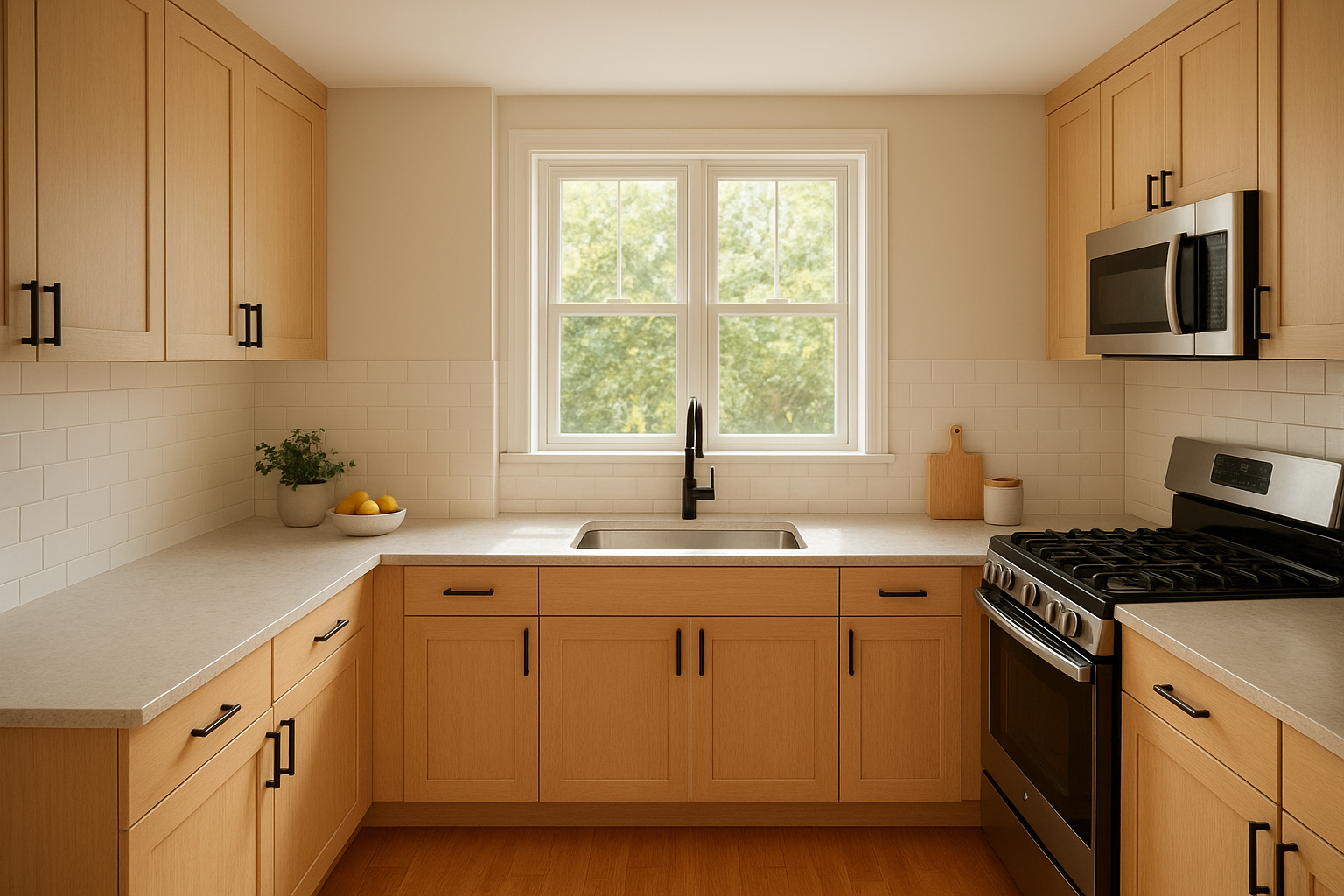
A finished, well-documented ADU interior makes final ADU inspection coordination faster for everyone involved.
Frequently Asked Questions
What is final ADU inspection coordination?
Final ADU inspection coordination is the process of scheduling and managing the last building department inspections—framing, electrical, plumbing, mechanical, and final—required before a city issues a certificate of occupancy. A contractor typically handles communication with the inspector and resolves any corrections.
How long does the final ADU inspection process take?
Most final ADU inspections take one to three visits over two to six weeks, depending on the city. Some jurisdictions schedule same-week inspections, while others book several weeks out.
Who schedules the final inspection for an ADU?
In most design-build arrangements, the general contractor schedules the final inspection directly with the city’s building department. This keeps the request tied to the correct permit number and reduces scheduling errors.
What happens if my ADU fails the final inspection?
If an ADU fails final inspection, the inspector issues a correction notice listing the specific items that must be fixed. The contractor then completes the corrections and requests a re-inspection, which can add one to two weeks.
Do I need a certificate of occupancy for an ADU?
Yes, most Southern California cities require a certificate of occupancy or final sign-off before an ADU can be legally rented or occupied. Occupying the unit before this document is issued can create legal and insurance risks.
How much does final ADU inspection coordination cost?
Coordination itself typically has no separate fee when included in a design-build contract, since it’s part of overall project management. Standalone re-inspection fees charged by cities usually range from about $150 to $400 per visit.
Can I schedule my own final inspection, or does the contractor handle it?
Either party can technically schedule an inspection, but it’s far more efficient when the contractor manages it because they know the permit history and outstanding items. Homeowner-scheduled inspections without contractor input often result in avoidable failures.
What inspections happen before the final ADU inspection?
Before the final inspection, an ADU typically passes foundation, framing, rough electrical, rough plumbing, and insulation inspections. Each must be signed off before the building department will schedule the final walkthrough.
What documents are needed for the final ADU inspection?
Inspectors generally want the approved permit set, any approved change orders, Title 24 energy compliance documents, and prior inspection sign-off cards on site. Missing paperwork is one of the most common reasons a final inspection gets postponed.
How does TheADUPro handle final ADU inspection coordination?
TheADUPro manages final ADU inspection coordination as part of its design-build process, tracking every prior sign-off and communicating directly with city inspectors across Orange County, Los Angeles County, and western Riverside County. This keeps homeowners from having to interpret inspector notes themselves.
What is the difference between a final inspection and a certificate of occupancy?
A final inspection is the physical walkthrough where an inspector confirms the completed work matches approved plans. The certificate of occupancy is the official document issued afterward, confirming the unit is legally habitable.
What are common reasons ADUs fail final inspection?
Common failure points include missing smoke or carbon monoxide detectors, incomplete address numbering, unfinished exterior grading, and mismatched Title 24 energy features. Most are minor but still require a documented correction and re-inspection.
Does every city in Southern California have the same inspection process?
No, inspection scheduling windows, required documentation, and inspector availability vary by city and even by department within the same city. Contractors familiar with local jurisdictions can often anticipate requirements before they become delays.
Can I move into my ADU before the final inspection is complete?
Occupying an ADU before the final inspection and certificate of occupancy are issued is generally not permitted and can create liability issues. It’s safer to wait for official sign-off, even if the unit appears finished.
How can I avoid delays during final ADU inspection coordination?
Homeowners can reduce delays by confirming all prior inspections are closed out, keeping permit documents on site, and working with a contractor who tracks corrections proactively. Scheduling the final inspection as soon as finish work is complete also helps avoid last-minute scrambling.
Final Thoughts on Final ADU Inspection Coordination
In summary, final ADU inspection coordination is the step that determines whether months of design and construction translate into a legally occupiable unit—or an unexpected delay. Because prior inspections, documentation, and city-specific requirements all intersect at this stage, having a contractor who manages the process from design through sign-off makes a measurable difference. Ultimately, homeowners who plan for this phase early, rather than treating it as an afterthought, tend to reach their certificate of occupancy faster and with fewer surprises.