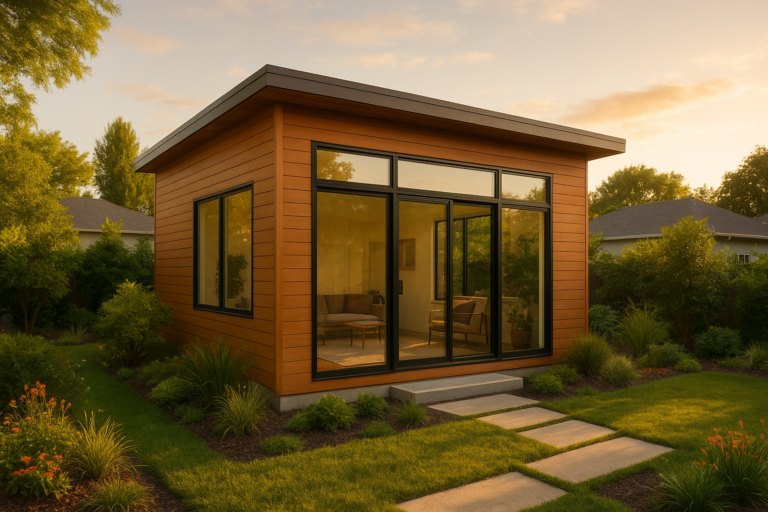
Freestanding ADU units — also known as detached accessory dwelling units, backyard cottages, or granny flats — are fully independent living structures built on the same residential lot as a primary home, yet completely separate from it. If you’re a Southern California homeowner exploring ways to add rental income, house a family member, or boost your property’s value, a freestanding ADU is one of the most effective tools available to you right now. Unlike attached additions or garage conversions, these standalone homes give you a true second dwelling on your existing land.
According to the California Department of Housing and Community Development, ADU permits statewide have surged by more than 1,000% since 2017. This growth reflects just how dramatically homeowner interest has accelerated. Furthermore, California’s evolving legislation continues to strip away red tape, which means now is an ideal moment to move forward with a project of your own.
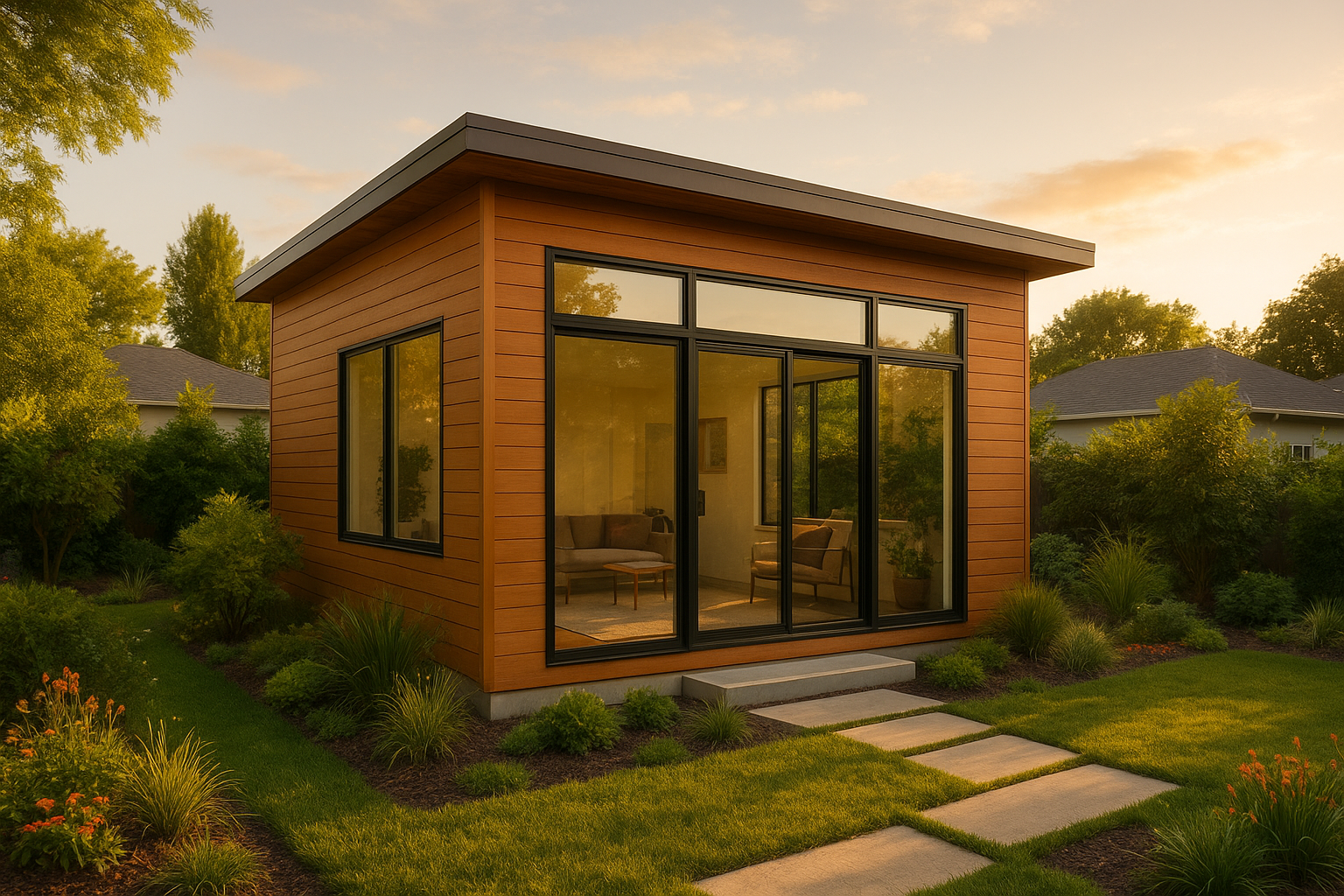
A well-designed freestanding ADU unit can turn an underused backyard into a fully functional second home.
What Are Freestanding ADU Units? A Complete Definition
A freestanding ADU unit is a self-contained secondary residence that stands entirely apart from the main house on the same parcel. Specifically, it includes its own entrance, kitchen, bathroom, and sleeping area, functioning like a completely independent home. In contrast, an attached ADU shares at least one wall with the primary structure, while a junior ADU (JADU) is typically carved out of existing interior space, such as a converted bedroom.
Therefore, a detached unit offers the highest degree of privacy for both the primary occupant and the ADU resident. As a result, this arrangement is especially popular for long-term rental income and multigenerational living, and detached ADUs consistently command higher rental rates than attached or interior units.
For a deeper look at how accessory dwelling units are defined and classified nationwide, the Wikipedia overview provides helpful additional context beyond California-specific rules.
Freestanding vs. Attached vs. Junior ADUs: Key Differences
The table below breaks down the three most common ADU types so you can quickly see which structure fits your goals.
Types of Freestanding ADU Units You Can Build
Not every detached ADU is built the same way. In particular, homeowners today can choose from several construction methods, each with distinct tradeoffs in cost, speed, and customization.
- Site-built (stick-built) ADUs: Constructed board-by-board on your property, offering maximum design flexibility but generally the longest timeline.
- Modular ADUs: Built in large sections off-site in a factory, then craned onto your foundation — often faster than stick-built with comparable quality.
- Panelized ADUs: Wall and roof panels are pre-fabricated, then assembled on-site, striking a balance between speed and customization.
- Prefab/kit ADUs: Shipped as a near-complete unit, these can be installed in weeks rather than months, though options for layout changes are more limited.
- Converted detached garage or shed: Because the structure already exists and stands apart from the home, this remains one of the most budget-friendly paths to a freestanding ADU unit.
Consequently, choosing the right construction method depends on your budget, timeline, and how much design control matters to you. A qualified ADU contractor can walk you through which approach best fits your lot and goals.
Key Benefits of Detached Accessory Dwellings
Building a detached guest house or backyard cottage offers several compelling advantages. Specifically, homeowners across Orange County, Los Angeles County, and Riverside County are leveraging these benefits every day.
- Rental Income: A well-located ADU in Southern California can generate $1,500–$3,000+ per month in rental income, helping offset mortgage costs significantly.
- Property Value Increase: Studies suggest ADUs can add $100,000–$200,000 or more to a home’s market value in high-demand California markets.
- Multigenerational Living: Aging parents or adult children can live nearby while maintaining full independence and privacy.
- Design Flexibility: Because the structure is separate, you have far more creative freedom in its architecture, materials, and layout.
- Privacy for All Parties: Separate entrances and physical distance mean neither household disrupts the other’s daily life.
California Regulations for Freestanding ADU Units
California has made it significantly easier to build freestanding ADU units through a series of landmark legislative reforms. However, understanding the specific rules that apply to your property is still essential before you begin.
Under current state law, detached ADUs may be up to 1,200 square feet. Additionally, a minimum 4-foot rear and side yard setback applies to most detached units. Local jurisdictions — such as those in Orange County or Los Angeles — may impose additional requirements, so always verify with your city’s planning department.
Furthermore, state law now requires local agencies to approve or deny ADU permit applications within 60 days of receiving a complete application. This streamlined timeline has dramatically reduced one of the biggest historical obstacles to ADU development. For the most current rules, consult the California HCD ADU resource page.
Owner-Occupancy Rules Have Changed
Previously, California required the property owner to occupy either the primary home or the ADU. However, that requirement was suspended through at least 2025, giving investors and homeowners greater flexibility. As a result, you do not necessarily need to live on the property to rent out your freestanding ADU.
Parking Requirements: Often Waived Entirely
In many cases, California law now eliminates the need for additional off-street parking when a freestanding ADU is built within a half-mile of public transit, or when it replaces an existing garage. Consequently, homeowners on smaller lots often find that parking is no longer the obstacle it once was.
Financing Your Freestanding ADU: Loan and Payment Options
Above all, financing is usually the deciding factor in whether a freestanding ADU project moves forward. Fortunately, homeowners today have more options than ever before.
- Home equity loans (HELOCs): These allow you to borrow against your home’s existing equity, often at lower interest rates than personal loans.
- Cash-out refinancing: Replacing your existing mortgage with a larger one lets you pull equity out as cash for construction.
- Renovation/construction loans: Specialized loan products fund the build in draws tied to construction milestones.
- State and local grant programs: Some California programs offer forgivable loans for low- and moderate-income homeowners building ADUs.
Similarly, projected rental income from your future ADU can sometimes be factored into your loan qualification, which improves borrowing power. Therefore, it’s worth discussing appraisal-based financing with a lender who has direct ADU lending experience.
How to Build a Freestanding ADU: Step-by-Step Process
Building a detached ADU involves several sequential phases. Specifically, following this process helps avoid costly delays and ensures your project meets all local requirements.
- 1 Assess Your Property and Set a Budget Evaluate your lot size, existing structures, utility access, and zoning rules. Establish a realistic budget that accounts for design, permits, construction, and a contingency reserve of at least 10–15%. See Residential ADU Solutions for sample budgets and layouts.
- 2 Hire an ADU Specialist and Create a Design Work with an experienced ADU contractor or architect to develop a design that maximizes your space and complies with California state and local building codes. How to Build an ADU Explore ADU design ideas for maximizing space and style to get inspired.
-
3
Submit Permit Applications
Prepare and submit all required building permit applications to your local planning and building department. California law mandates a response within 60 days of a complete submission.
-
4
Begin Site Preparation and Foundation Work
Once permits are approved, clear the site, prepare the ground, and pour the foundation according to the approved structural plans and local soil and grading conditions.
-
5
Complete Framing, Systems, and Finishes
Proceed with framing, roofing, plumbing, electrical, HVAC, insulation, drywall, and interior and exterior finishes according to the approved construction documents and your design vision.
-
6
Pass Final Inspections and Receive Certificate of Occupancy
Schedule all required inspections with the local building department. Once the ADU passes final inspection, you receive a Certificate of Occupancy — the legal authorization for habitation.
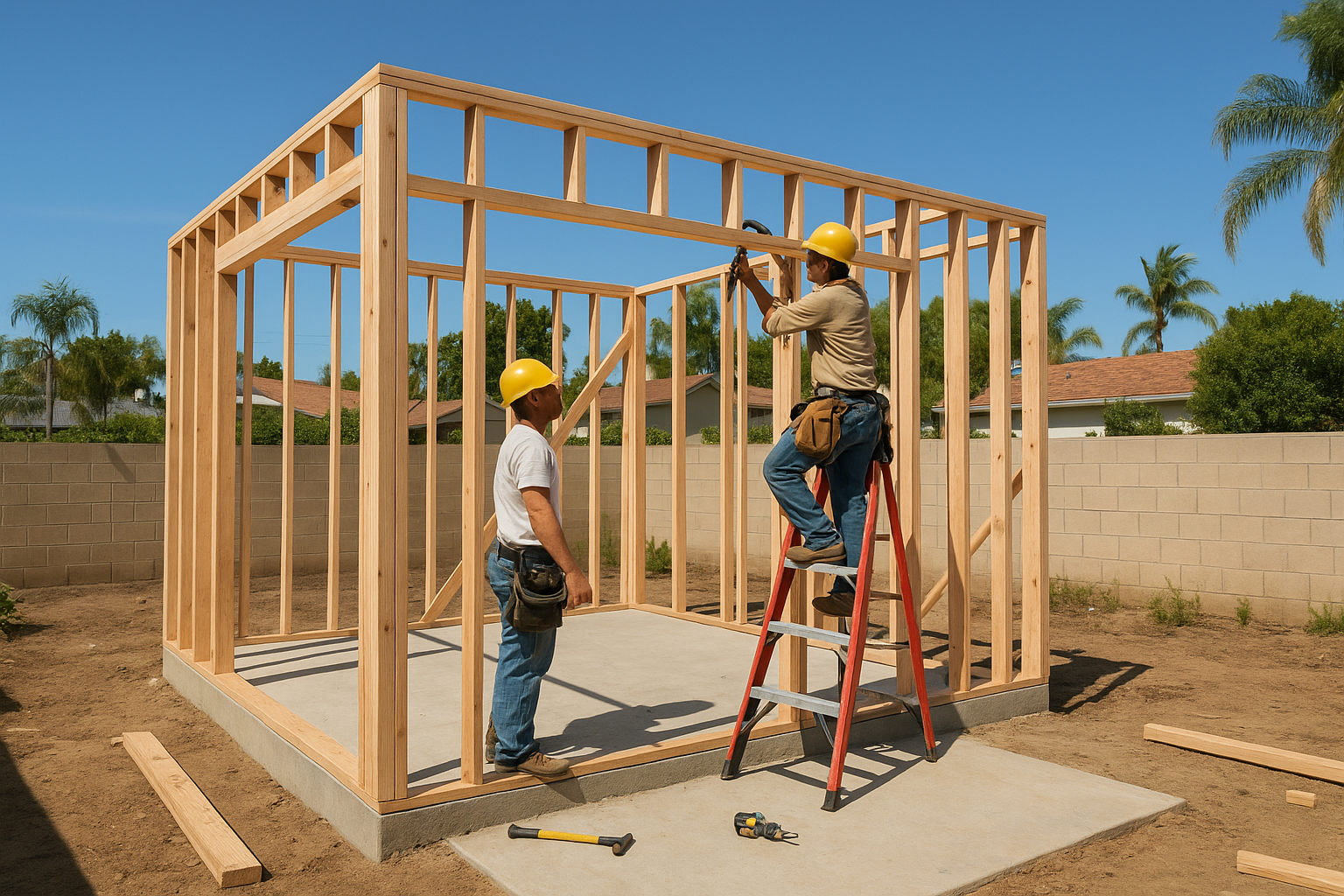
Framing is one of the most critical phases in building a freestanding ADU unit — precision here sets the foundation for everything that follows.
Cost Breakdown for a Backyard Guest House in Southern California
Costs for a freestanding ADU in Southern California typically range from $150,000 to $350,000 or more. Several factors influence where your project falls within that range.
In addition, utility connection costs, landscaping, and interior furnishings can add further to your total. Consequently, working with a contractor who provides transparent, itemized estimates from the start is critical to staying on budget. The team at theadupro.com specializes in exactly this kind of end-to-end cost clarity for Southern California homeowners.
Preparing Your Home During Freestanding ADU Construction
Above all, remember that ADU construction happens right in your backyard, so a little advance planning around your belongings and daily routine goes a long way. In particular, homeowners often overlook how much yard access, equipment, and material staging a build requires.
- Clear the work zone: Remove patio furniture, planters, and stored items from the construction footprint before crews arrive.
- Consider temporary off-site storage: If you’re converting a garage or shed into your freestanding ADU, a short-term storage unit keeps displaced tools and belongings safe and out of the way.
- Protect landscaping: Fence off mature trees and irrigation lines that need to remain intact throughout construction.
- Plan for moving day: Once your ADU passes final inspection, schedule move-in logistics early so the new tenant or family member can settle in without delay.
Notably, homeowners who plan for these logistical details ahead of time report far less stress during the construction phase than those who address them reactively.
Choosing the Right ADU Contractor in Southern California
Not all contractors have equal experience with ADU projects. Specifically, ADU construction requires expertise in local zoning codes, California’s evolving state regulations, and the unique challenges of building a complete home on a constrained residential lot.
When evaluating contractors, look for a proven portfolio of completed freestanding ADU projects, transparent communication, and a team that handles the entire process — from design through final inspection. For example, homeowners in Fullerton can explore ADU builder services in Fullerton, while those on the coast can review options for ADU design in Newport Beach.
Furthermore, communities like Westminster and San Clemente have their own local requirements. Homeowners in those areas can find tailored guidance through ADU design services in Westminster and ADU design in San Clemente.
Similarly, if you’re located further inland or north of the Orange County coast, dedicated local teams support your project too. Pasadena homeowners can review ADU design services in Pasadena, while Irvine residents can explore ADU design in Irvine. Those in Stanton can check ADU design options in Stanton, and Temecula homeowners can connect with an ADU contractor in Temecula.
Questions to Ask Before Hiring
Before signing any contract, ask prospective contractors these key questions. First, how many freestanding ADUs have they completed in your specific city or county? Second, do they handle permit applications in-house? Third, can they provide references from recent clients?
Additionally, verify that the contractor holds a valid California contractor’s license and carries adequate liability and workers’ compensation insurance. The California Contractors State License Board (CSLB) provides a free online license verification tool.
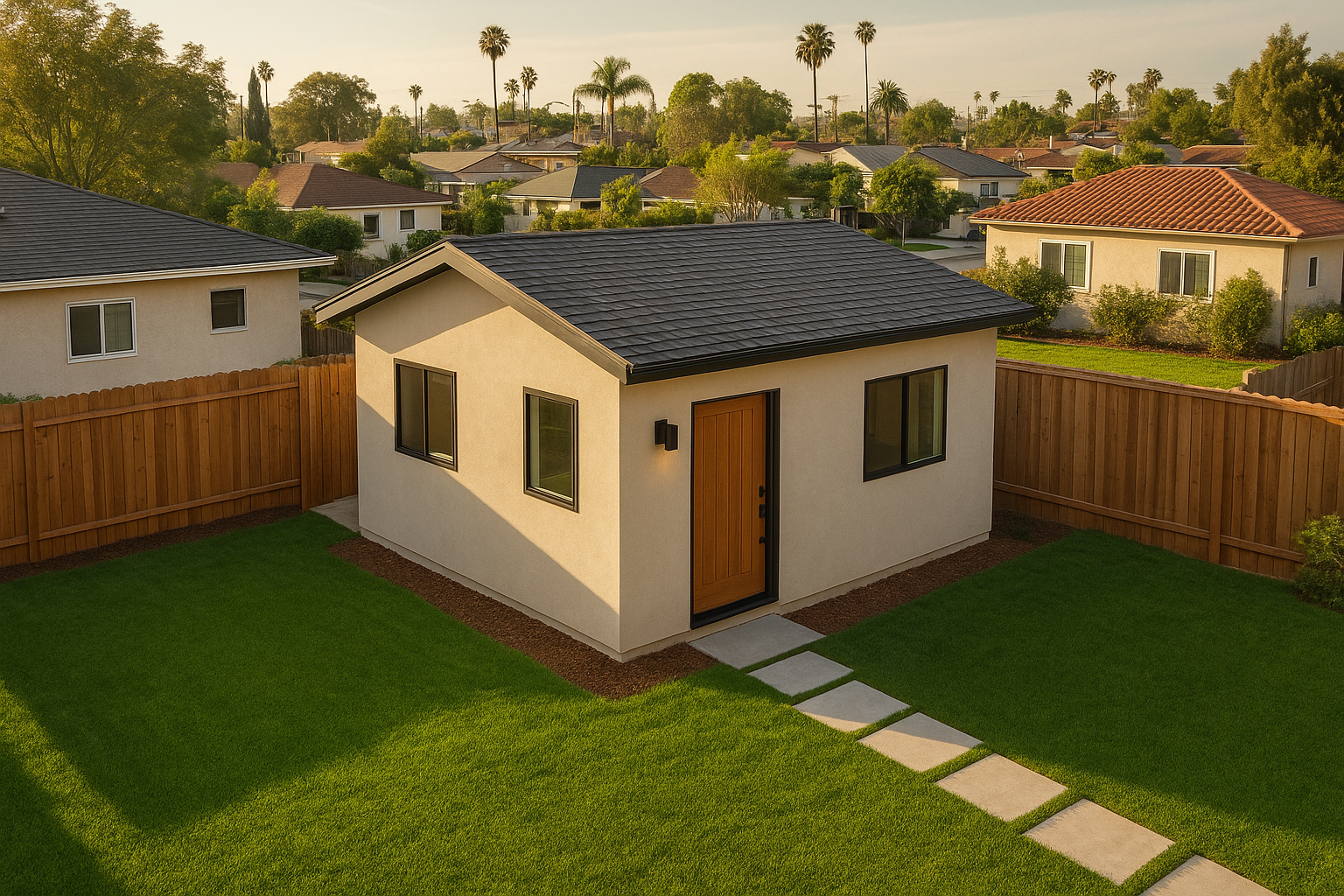
A completed detached ADU unit adds both functional living space and long-term property value to a Southern California home.
Design Considerations for Detached ADU Structures
Because a freestanding ADU is a separate structure, you have considerable creative freedom. However, thoughtful design is essential to maximize livability within the square footage allowed by state and local regulations.
Open-concept floor plans work particularly well in smaller ADUs, combining the kitchen, dining, and living areas to create a sense of spaciousness. Similarly, high ceilings, large windows, and sliding glass doors can make even a compact unit feel generous and bright.
In addition, consider the orientation of the structure on your lot. Positioning the ADU to maximize natural light, minimize privacy conflicts with neighbors, and allow for a comfortable outdoor connection can significantly enhance the quality of life for the occupant.
Pro Tip: In Southern California’s warm climate, an outdoor covered patio or deck attached to the ADU can effectively double the usable living space without counting toward your square footage limit. This is a popular strategy among experienced ADU designers in the region.
Frequently Asked Questions About Freestanding ADU Units
What are freestanding ADU units?
Freestanding ADU units are fully independent living structures built on the same lot as a primary residence but physically separated from it. They include their own entrance, kitchen, bathroom, and living space, making them completely self-contained. This separation distinguishes them from attached ADUs and junior ADUs.
How much does a freestanding ADU unit cost in California?
Costs typically range from $150,000 to $350,000 or more in Southern California. Smaller prefab or modular units can cost less, while custom builds with premium finishes cost more. Site conditions, design complexity, and local permit fees all influence the final number. Use the ADU cost estimator to refine your budget for your lot and design choices.
Do I need a permit to build a freestanding ADU in California?
Yes, a building permit is required. However, state law has streamlined the approval process, and most jurisdictions must approve or deny ADU applications within 60 days. Working with an experienced ADU contractor who handles permitting in-house makes this process much smoother.
How big can a freestanding ADU unit be?
Under California state law, detached ADUs can be up to 1,200 square feet. Local jurisdictions may impose additional size limits based on lot coverage rules. Always verify the specific limits that apply to your parcel with your city or county planning department.
Can I rent out a freestanding ADU unit?
Yes, you can rent out a freestanding ADU for long-term tenancy. Short-term rentals may be subject to local regulations, so verify the rules with your city before listing. In many Southern California markets, ADU rentals generate $1,500–$3,000+ per month.
How long does it take to build a freestanding ADU?
The full process typically takes 9 to 18 months in Southern California. Permit approval timelines and site complexity are the biggest variables. Choosing a contractor with established local relationships can help reduce permitting delays.
Does a freestanding ADU add value to my property?
Yes. Studies suggest ADUs can add $100,000–$200,000 or more to a home’s market value in high-demand California markets. Additionally, the rental income potential is often factored into appraisal values, further boosting your return on investment.
What is the difference between a detached ADU and an attached ADU?
A detached ADU is a completely separate structure from the main home. An attached ADU shares at least one wall with the primary residence. Detached units generally offer more privacy and design flexibility, while attached ADUs can sometimes be less expensive to build. For a deeper walkthrough, see our Design and Build ADU: Complete Guide for Homeowners.
What utilities does a freestanding ADU unit need?
A freestanding ADU typically requires connections to water, sewer, electrical, and gas utilities. In many cases, the ADU can share the existing utility connections of the main home. However, some jurisdictions require a separate meter, which adds to upfront costs.
Can a freestanding ADU be used for multigenerational living?
Absolutely. Freestanding ADUs are one of the most popular solutions for multigenerational households. Aging parents or adult children can live nearby while maintaining full independence. This arrangement is increasingly common across Orange County and Los Angeles County.
What are common mistakes to avoid when building a freestanding ADU?
Common mistakes include underestimating costs, failing to research local zoning rules, skipping professional design services, and choosing contractors without ADU-specific experience. Working with a specialized ADU contractor from the start helps avoid all of these pitfalls.
Are there setback requirements for freestanding ADU units in California?
Yes. California state law requires a minimum 4-foot rear and side yard setback for detached ADUs. Some local jurisdictions may have additional requirements. Always confirm the specific setback rules for your parcel with your city’s planning department before finalizing your design.
Can I finance a freestanding ADU unit?
Yes. Common financing routes include home equity loans, cash-out refinancing, construction loans, and — in some cases — state or local grant programs for qualifying homeowners. Some lenders also factor projected rental income into your loan qualification.
Do I need to rent a storage unit while building a freestanding ADU?
Not always, but it can help. If your project involves converting a garage or shed, or if construction equipment needs the space currently used for storage, a short-term off-site storage unit keeps your belongings safe and the job site clear.
Conclusion: Is a Freestanding ADU Right for You?
In summary, freestanding ADU units represent one of the smartest investments a Southern California homeowner can make today. They deliver rental income, increase property value, support multigenerational living, and offer unmatched design flexibility — all on your existing lot. Furthermore, California’s regulatory environment has never been more favorable for detached ADU construction, from relaxed owner-occupancy rules to faster permit timelines.
Ultimately, the key to a successful project is choosing the right contractor — one with deep local expertise, transparent communication, and a proven track record of delivering freestanding ADU units that meet both code requirements and homeowner expectations. Whether you are in Orange County, Los Angeles County, or Riverside County, the right team makes all the difference.
To explore your options and get started on your freestanding ADU project, visit theadupro.com — Southern California’s top-rated ADU contractor serving homeowners across the greater Los Angeles metropolitan area and Inland Empire. This guide was prepared by The ADU Pro team; add an author byline, short author bio with credentials (licenses, years experience), and a clear "Last updated" date near the top of the article. Last updated: 2026-07-26. Author: The ADUPro Team, licensed California ADU contractors.