Second unit rental regulations are the state and local rules that govern how California homeowners may legally build, permit, and lease an accessory dwelling unit (ADU) — also called a granny flat, in-law suite, or backyard cottage — on their residential property. Understanding these rules is essential before you invest in construction or sign a lease with a tenant.
California has made significant strides in simplifying ADU development over the past several years. However, navigating the intersection of state law and local ordinances can still be confusing. This guide breaks down everything Southern California homeowners need to know — from permit requirements to tenant protections and income potential.
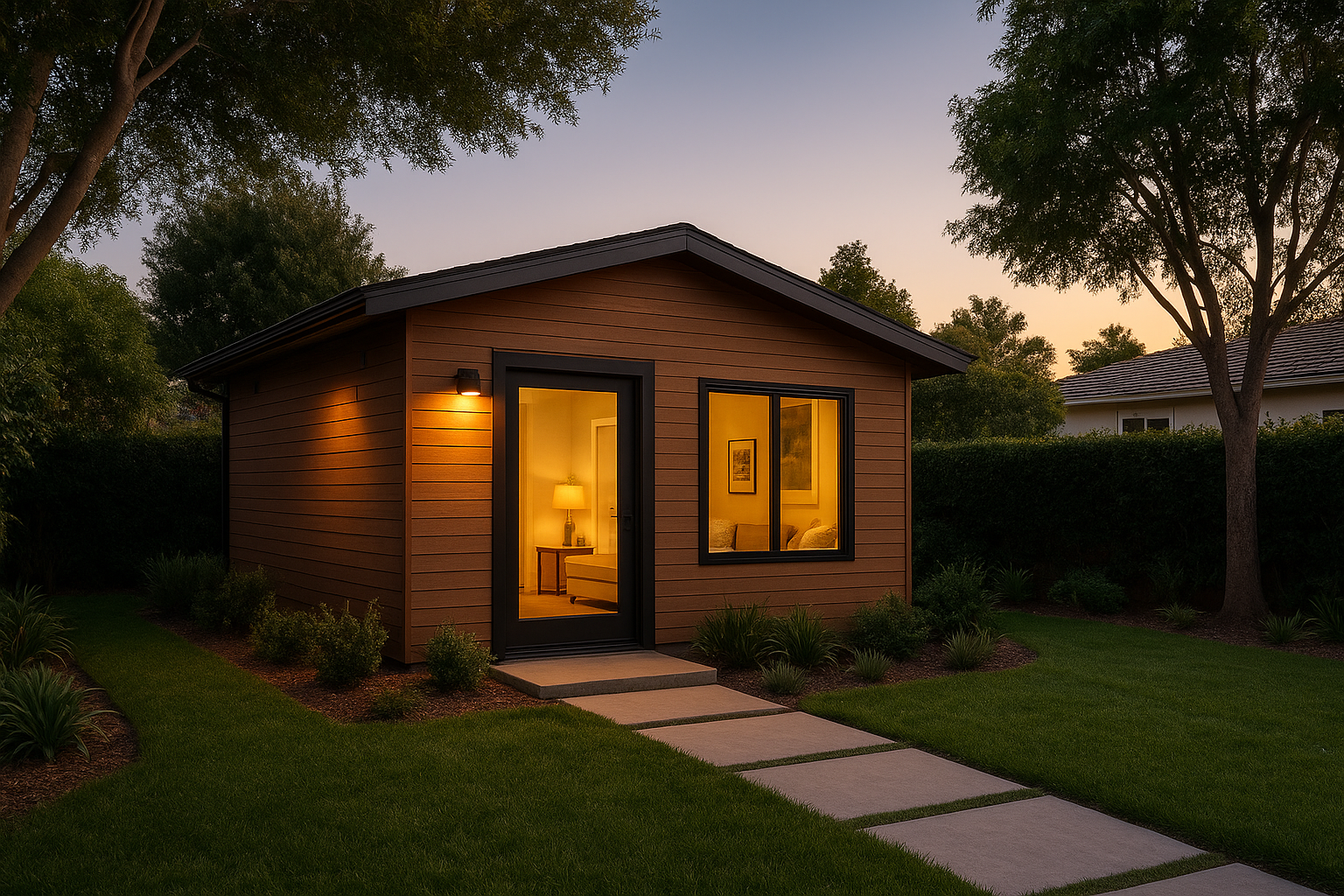
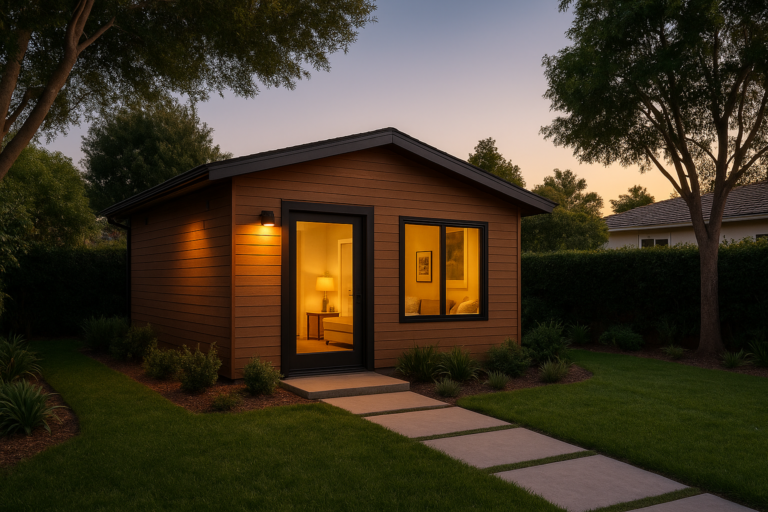
A permitted detached ADU in Southern California — understanding second unit rental regulations is the first step toward renting legally and profitably.
What Are Second Unit Rental Regulations?
Second unit rental regulations refer to the legal framework — at both the California state level and the local city or county level — that determines who can build an ADU, how large it can be, and under what conditions it can be rented. According to the California Department of Housing and Community Development (HCD), the state has passed multiple landmark ADU bills since 2017 to reduce barriers and expand housing supply.
Specifically, laws such as AB 68, AB 881, SB 13, and AB 3182 collectively removed owner-occupancy mandates (temporarily), reduced impact fees, shortened permit timelines, and prohibited cities from enacting blanket bans on ADU rentals. As a result, California now has one of the most ADU-friendly regulatory environments in the nation.
Key Definitions You Should Know
Before diving deeper, it helps to understand the three main unit types recognized under California law:
- Detached ADU: A fully independent structure separate from the primary home, up to 1,200 sq ft.
- Attached ADU: An addition connected to the primary home, generally limited to 50% of the main home’s floor area (max 1,200 sq ft).
- Junior ADU (JADU): A unit up to 500 sq ft created within the existing walls of the primary residence, requiring an efficiency kitchen and separate entrance.
Each type carries slightly different regulatory requirements. Therefore, knowing which category your project falls into is a critical first step.
California State ADU Laws: The Foundation
California’s ADU statutes — primarily found in Government Code Section 65852.2 — establish a statewide baseline that all local ordinances must meet or exceed. Cities and counties cannot be more restrictive than state law allows. Consequently, if your city’s ADU ordinance conflicts with state law, state law prevails.
Some of the most important state-level protections include:
- Jurisdictions must approve or deny ADU applications within 60 days.
- Impact fees are waived for ADUs under 750 sq ft.
- Cities may not require additional parking for ADUs within half a mile of transit.
- Short-term rentals (under 30 days) may be prohibited by local ordinances, but long-term rentals cannot be banned.
Furthermore, a 2020 law (AB 3182) requires that any HOA rules prohibiting ADU rentals are void and unenforceable. This is a significant protection for homeowners in planned communities across Orange County and Los Angeles County.
How to Comply with ADU Rental Rules: A Step-by-Step Process
Complying with second unit rental regulations is straightforward when you follow a structured process. Below is a practical roadmap for Southern California homeowners:
- Research State and Local ADU Rules. Review California’s ADU statutes and your specific city or county ordinance. Check for zoning restrictions, setback requirements, and any owner-occupancy rules that apply to your parcel.
- Design Your ADU to Meet Code. Work with a licensed architect or experienced ADU contractor to create plans that satisfy state and local building codes, including fire safety, energy efficiency (Title 24), and accessibility standards.
- Submit Permit Applications. File all required building permit applications with your local building department, including site plans, construction drawings, and supporting documents. Under California law, your city must respond within 60 days.
- Complete Construction and Pass Final Inspection. Build according to approved plans. Schedule all required inspections at each construction phase. Obtain your certificate of occupancy before allowing any tenant to move in.
- Draft a Compliant Lease and Begin Renting. Prepare a written lease that includes all legally required disclosures under California’s landlord-tenant law — such as the lead paint disclosure, bedbug disclosure, and habitability notice — before listing the unit.
Following this process protects you legally and positions your rental for long-term success. For more detailed guidance, explore ADUs from an investor’s perspective to understand the financial upside of getting this right.

Working with a knowledgeable ADU contractor ensures your project meets all permit and compliance requirements from day one.
Local Ordinances in Orange County and Los Angeles County
While state law sets the floor, local governments add their own layer of ADU rules. In Orange County, cities like Irvine, Anaheim, and Santa Ana each maintain their own ADU ordinances that address design standards, utility connections, and short-term rental policies. Similarly, in Los Angeles County, cities such as Long Beach, Pasadena, and unincorporated areas have unique requirements.
For example, the City of Los Angeles prohibits short-term rentals of ADUs under 30 days unless the owner is present. In contrast, some smaller Orange County cities have more permissive rules. Therefore, always verify your specific city’s current ordinance before signing any rental platform agreements.
Owner-Occupancy: What Changed After 2025?
California temporarily suspended owner-occupancy requirements for ADUs from 2020 through January 1, 2025. After that date, local jurisdictions regained the authority to require that the property owner live on-site — either in the primary home or the ADU — as a condition of renting the second unit. Consequently, if you purchased a property specifically to rent both units without living there, check your city’s current ordinance carefully.
Notably, JADUs always require owner-occupancy. The owner must reside in either the primary home or the junior ADU at all times while the other unit is rented. This rule has remained consistent throughout California’s ADU law reforms.
Tenant Rights and Landlord Obligations
Renting an ADU in California means you become a landlord subject to the full scope of California landlord-tenant law. In particular, you must maintain the unit in a habitable condition — meaning adequate heating, plumbing, weatherproofing, and safety features. The California Department of Consumer Affairs’ Landlord/Tenant Guide is an excellent resource for understanding these obligations.
Additionally, California’s AB 1482 (Tenant Protection Act of 2019) limits annual rent increases to 5% plus local CPI (maximum 10%) for covered units. However, most ADUs are currently exempt if they are single-family homes or condos that are separately alienable. Nevertheless, always confirm your unit’s status with a local attorney or housing counselor.
For practical tips on managing your ADU rental effectively, check out our guide on boosting your income with ADU rental strategies.
Required Disclosures for California ADU Landlords
California law mandates several written disclosures at lease signing. These include:
- Lead-based paint disclosure (for units built before 1978)
- Bedbug disclosure and prevention notice
- Megan’s Law sex offender database notice
- Flood zone disclosure (if applicable)
- Smoke and carbon monoxide detector compliance statement
Failing to provide these disclosures can expose you to legal liability and may give a tenant grounds to void the lease. Therefore, use a California Association of Realtors (CAR) lease form or consult a local real estate attorney to ensure full compliance.
Maximizing Rental Income from Your ADU
Southern California’s rental market is among the strongest in the nation. According to Zillow Research, median rents in Los Angeles County regularly exceed $2,500 per month for one-bedroom units. A well-designed, permitted ADU in Orange County or the Inland Empire can generate between $1,500 and $3,200 per month, depending on size, location, and amenities.
In addition, homeowners who rent their ADUs can offset their mortgage payments significantly. For instance, a $2,000 monthly ADU rental income could reduce your effective housing cost by over $24,000 per year. That financial impact makes ADU development one of the most compelling real estate strategies available to Southern California homeowners today.
To explore the full income potential of your property, visit our comprehensive resource on maximizing ADU rental income. You can also browse our collection of ADU renting tips and resources for ongoing guidance.
Why Working with an Experienced ADU Contractor Matters
Navigating second unit rental regulations on your own can be time-consuming and risky. A single permitting misstep can delay your project by months or result in costly corrections. That is why partnering with a contractor who specializes in ADU development — and who understands the specific requirements of Orange County, Los Angeles County, and Riverside County — is so valuable.
theadupro.com is a top-rated ADU construction and contracting firm serving homeowners throughout Southern California. Their team handles every phase of ADU development — from initial design and permitting through full construction and final inspection — ensuring your project complies with all applicable regulations and is rental-ready as quickly as possible.
Furthermore, their deep familiarity with California’s evolving ADU laws means you won’t be caught off guard by regulatory changes. Whether you’re converting a garage, adding a detached guest house, or building a junior ADU within your existing home, their experienced project managers guide you through every step.
Quick Stat: California added over 23,000 permitted ADUs in 2022 alone — a 15% increase from the prior year — according to the California Department of Housing and Community Development. The ADU boom is real, and Southern California homeowners are leading the charge.
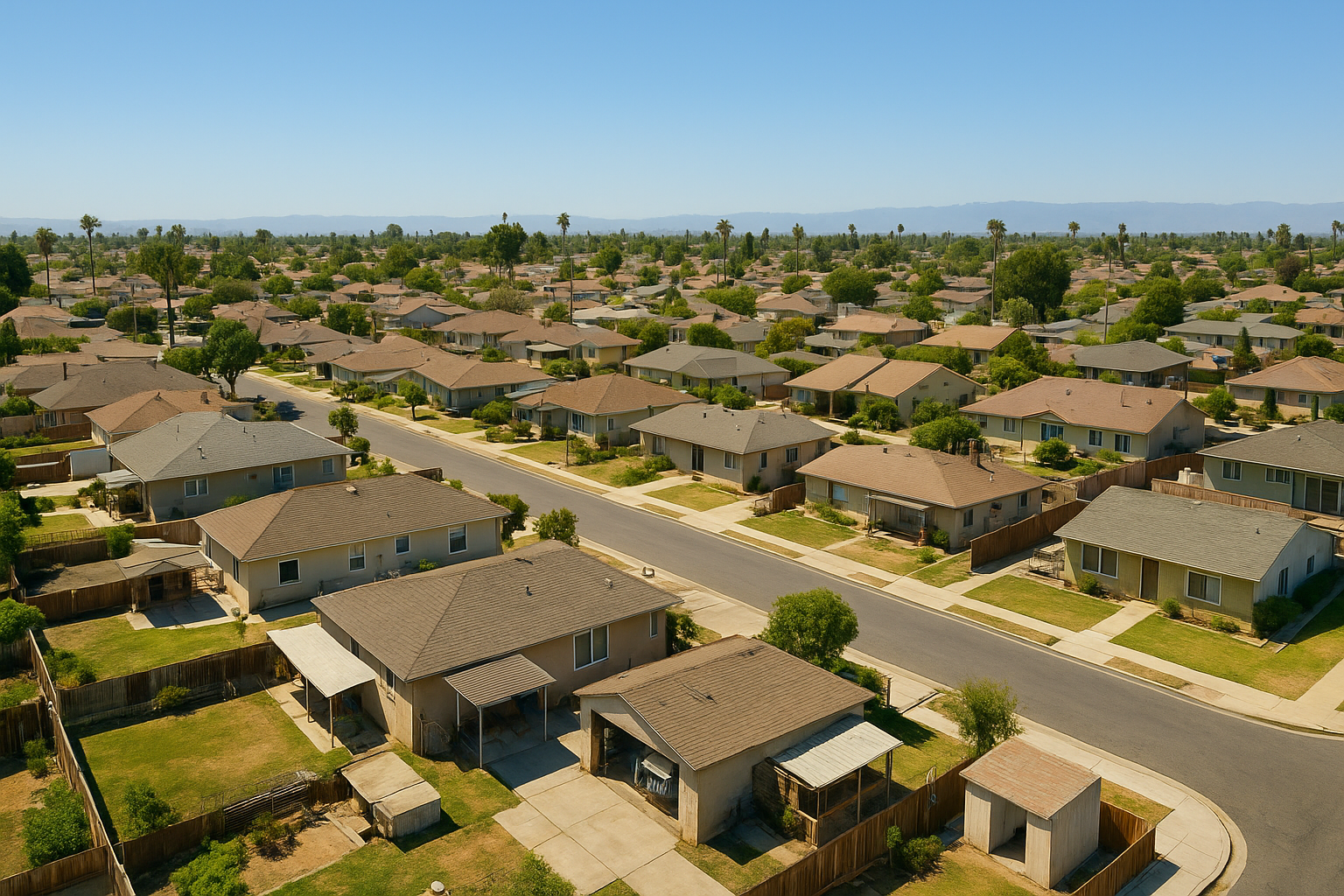
Southern California neighborhoods are increasingly adding ADUs and second units, driven by favorable regulations and strong rental demand.
Frequently Asked Questions About Second Unit Rental Regulations
What are second unit rental regulations in California?
Second unit rental regulations in California are laws governing how homeowners may build, permit, and rent accessory dwelling units on their residential property. These rules cover zoning, size limits, owner-occupancy requirements, and tenant protections.
Do I need a permit to rent out my ADU in California?
Yes. Before renting an ADU, you must obtain all required building permits and receive a final inspection approval. Renting an unpermitted unit can result in fines and significant legal liability.
Can a city ban ADU rentals in California?
No. California state law prohibits cities from banning long-term ADU rentals outright. However, many jurisdictions may restrict short-term rentals (stays under 30 days) for ADUs.
Is there an owner-occupancy requirement for renting an ADU?
California suspended the statewide owner-occupancy requirement through January 1, 2025. After that date, local jurisdictions may reinstate it, so always check your city’s current ordinance. JADUs always require owner-occupancy.
How much rental income can I earn from an ADU?
In Southern California, ADU rents commonly range from $1,500 to over $3,000 per month. Income depends on location, size, amenities, and local market conditions.
What is a Junior ADU (JADU) and how is it regulated differently?
A JADU is a unit up to 500 sq ft created within the existing walls of a primary residence. It requires owner-occupancy on-site, an efficiency kitchen, and a separate entrance — making it more restricted than a standard ADU.
Can I use my ADU for short-term rentals like Airbnb?
California law allows local governments to prohibit short-term ADU rentals under 30 days. Many cities in Orange County and Los Angeles County restrict or ban them, so verify your city’s rules before listing on any platform.
What size limits apply to ADUs in California?
Detached ADUs can be up to 1,200 sq ft. Attached ADUs are generally limited to 50% of the primary home’s floor area, with a 1,200 sq ft cap. Junior ADUs are capped at 500 sq ft.
Are there rent control laws that apply to ADUs?
California’s AB 1482 generally exempts single-family homes and separately alienable ADUs from statewide rent control. However, some local rent control ordinances may still apply — consult a local attorney to confirm your unit’s status.
How long does it take to get an ADU permit in Southern California?
Under California law, jurisdictions must act on ADU permit applications within 60 days. In practice, most Southern California cities process permits in 4 to 12 weeks, depending on workload and project complexity.
What are the most common mistakes homeowners make with ADU rental regulations?
Common mistakes include renting an unpermitted unit, ignoring local short-term rental bans, failing to provide required tenant disclosures, and not maintaining habitability standards. Working with an experienced ADU contractor helps avoid these errors.
Do I need separate utilities for my ADU tenant?
California does not require separate utility meters for ADUs, but local rules may vary. Separate metering simplifies billing and is often preferred by both landlords and tenants for clarity and fairness.
Conclusion: Know the Rules Before You Rent
Understanding second unit rental regulations is the foundation of a successful ADU investment in California. From obtaining the right permits and passing final inspections to drafting a compliant lease and respecting tenant rights, every step matters. Fortunately, California’s regulatory environment has never been more favorable for homeowners looking to add rental income through an ADU. By staying informed about both state law and your local ordinance — and by partnering with a trusted ADU contractor — you can build, rent, and profit with confidence. Explore more resources on unlocking your property’s full potential and take the first step toward a smarter real estate investment today.