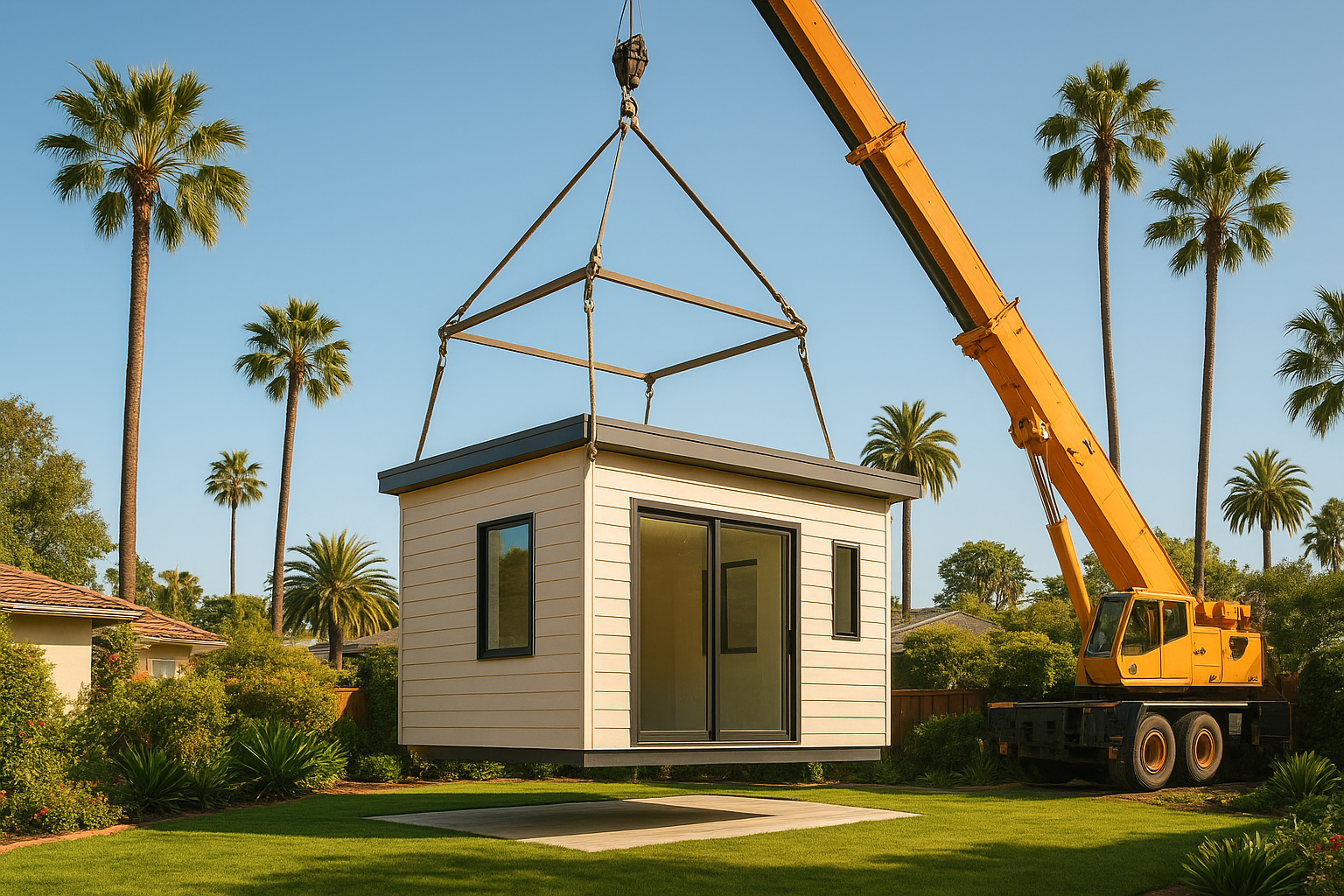
Prefab ADU options have become the go-to solution for Southern California homeowners who want extra living space without waiting a year and a half for a contractor to finish framing. Unlike a site-built addition, a prefab accessory dwelling unit (a secondary, self-contained home on your existing property) is constructed largely in a factory, then shipped and assembled on-site. As a result, timelines shrink, weather delays disappear,
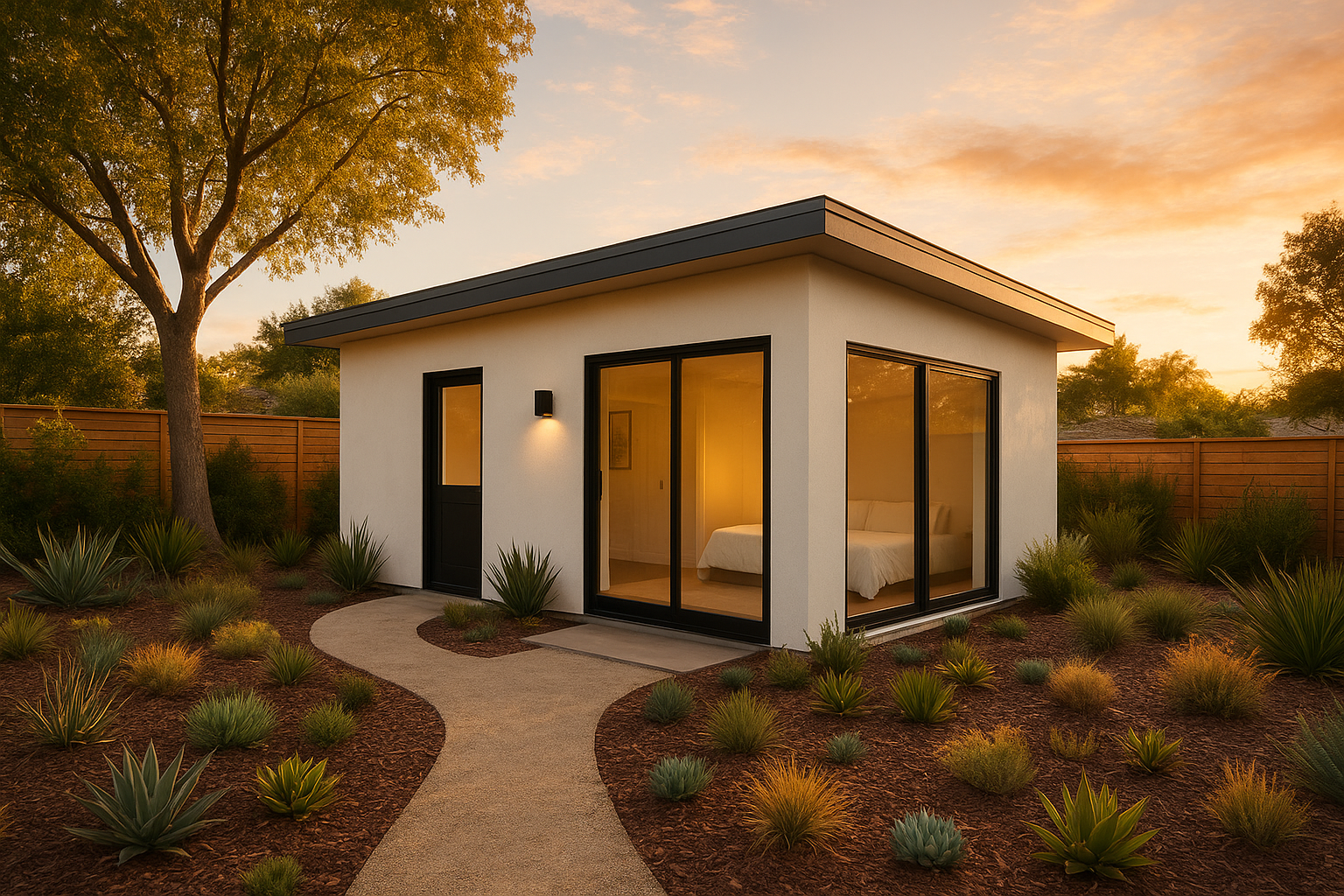
Living space additions give Southern California homeowners one of the fastest, most reliable ways to gain more room, more rental income, and a higher resale price — all without buying a new house. Whether you are picturing a detached backyard cottage, a garage conversion, a second-story build-out, or an attached suite for aging parents, choosing the right type of living space additions starts with understanding exactly what each option involves, what it costs, and how
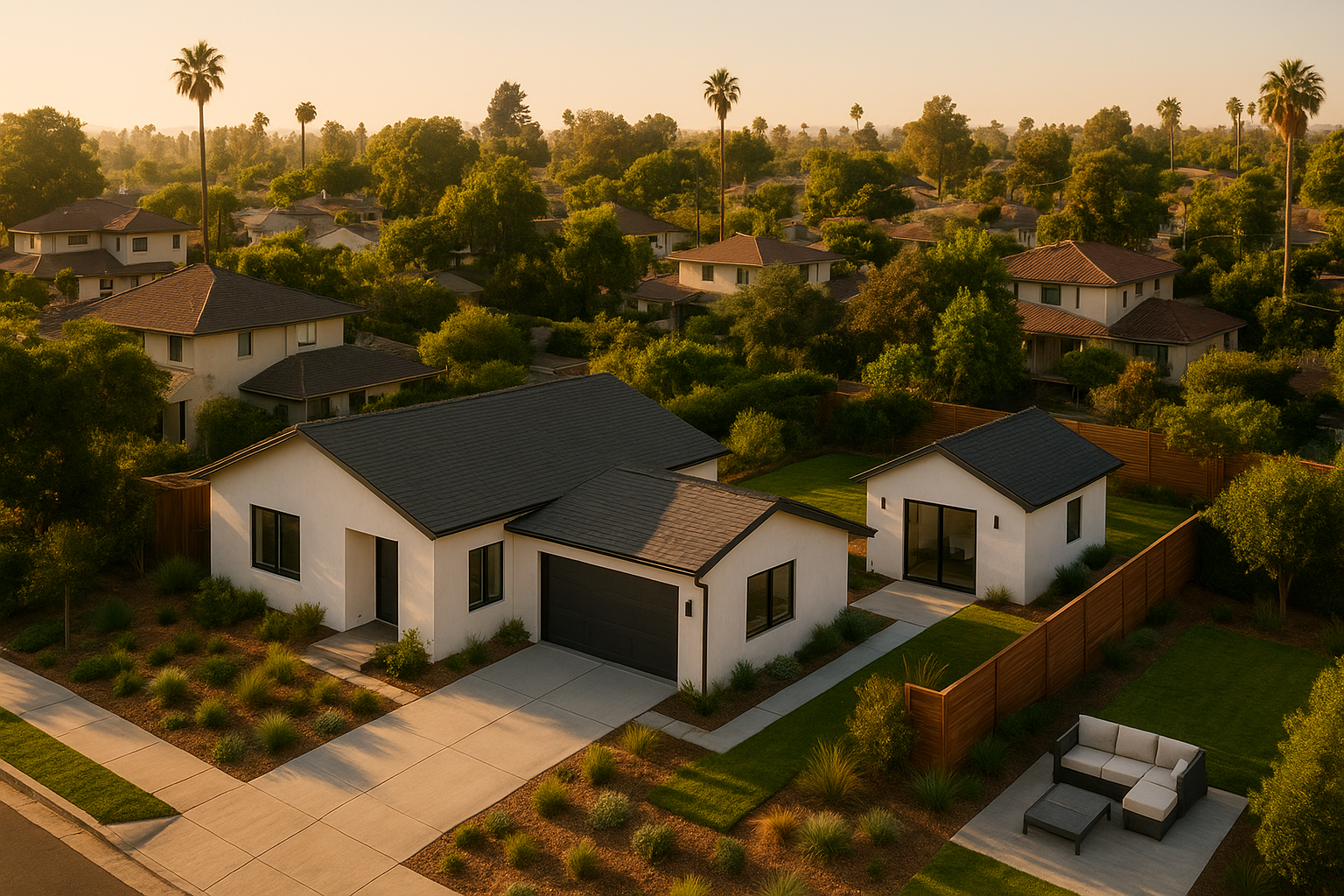
ADU Zoning Laws: What Every Homeowner Must Know
ADU zoning laws are the set of state and local regulations that determine where you can build an accessory dwelling unit (ADU), how large it can be, and what design standards it must meet. For California homeowners, understanding these rules is the single most important step before breaking
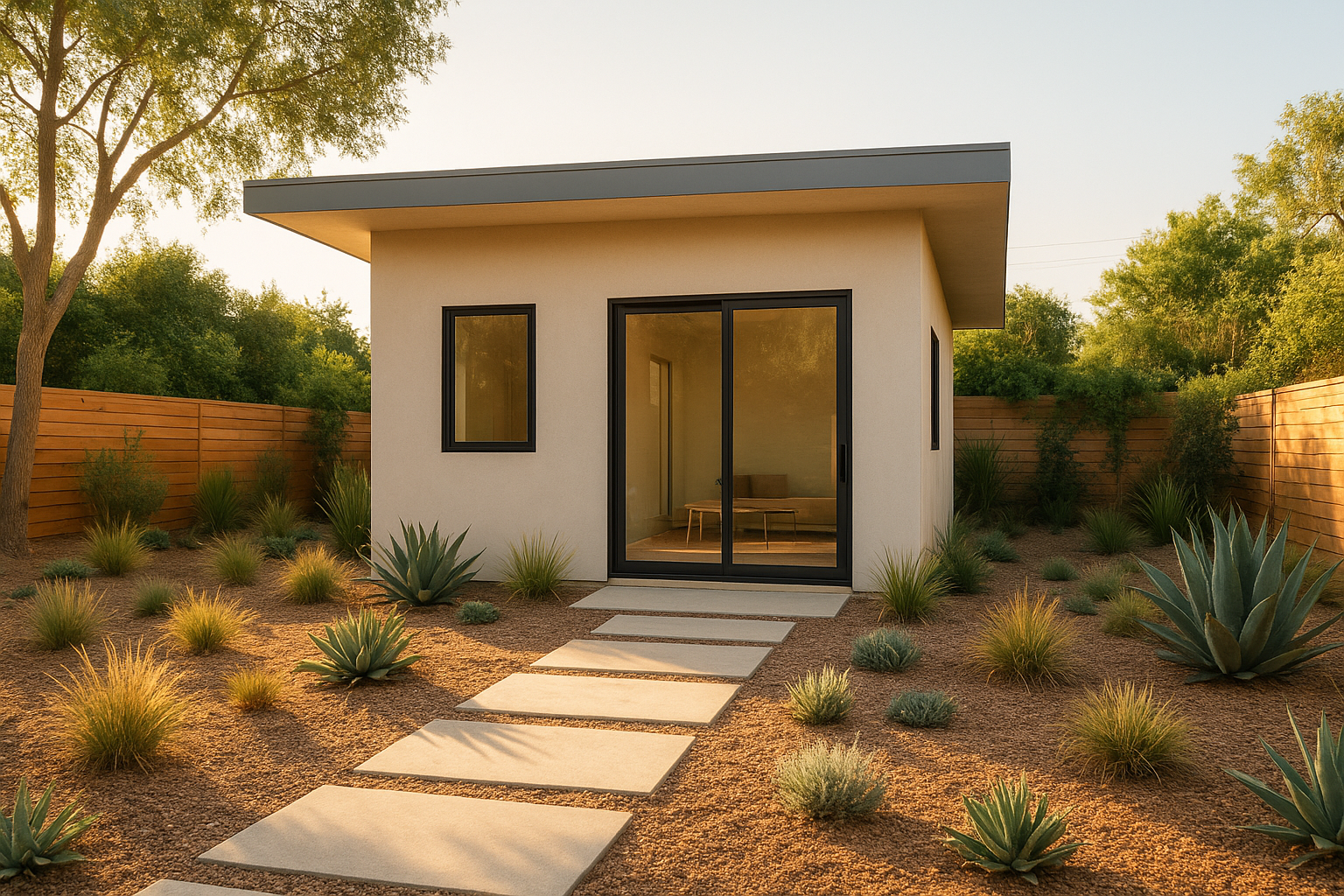
ADU Building Regulations California: What You Must Know
ADU building regulations California homeowners must navigate have changed dramatically over the past five years, making it easier than ever to add a legal accessory dwelling unit to your property. However, understanding the specific rules — from size limits and setbacks to permit timelines and
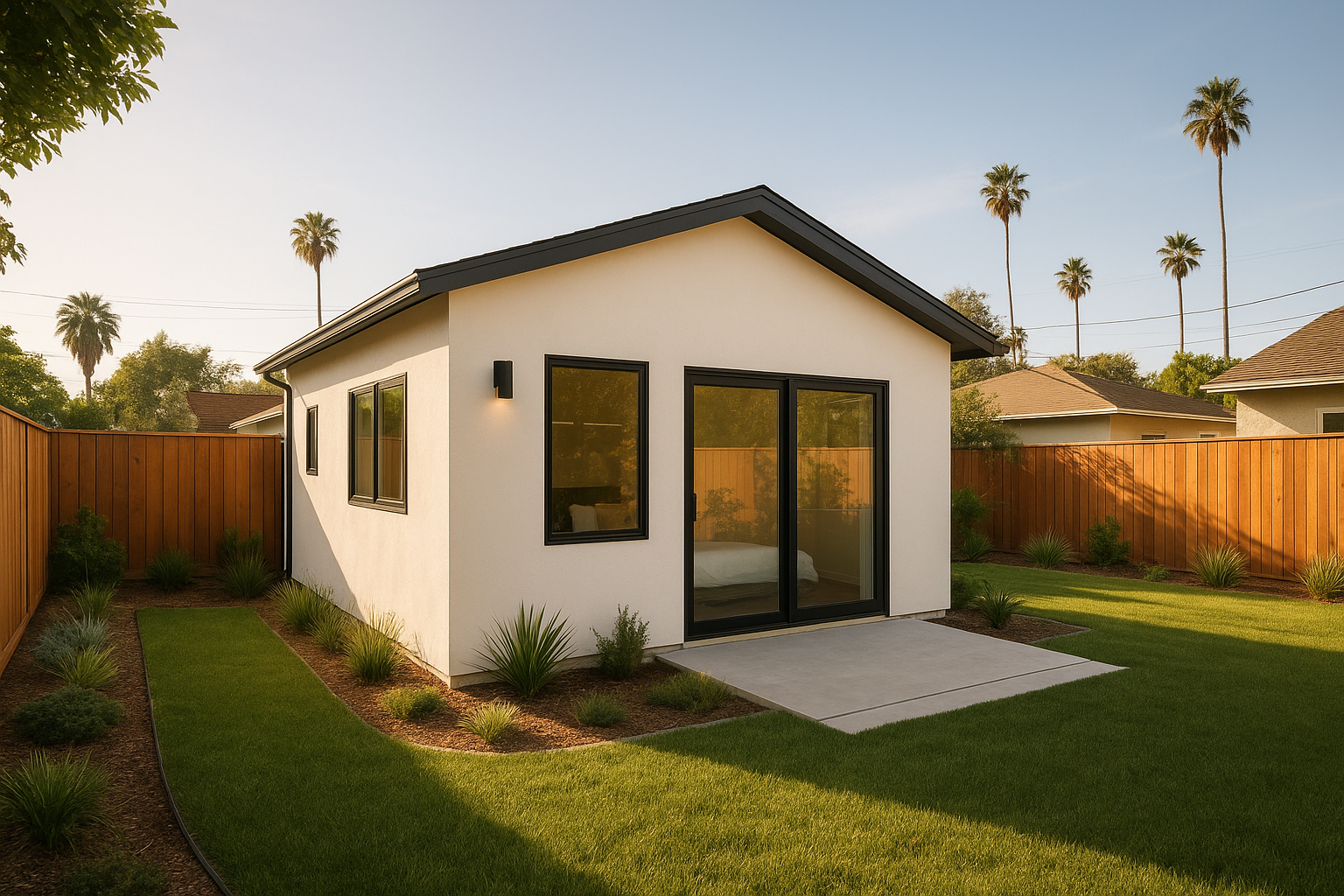
ADU Financial Return: Maximize Your Property Investment
The ADU financial return is one of the most compelling reasons Southern California homeowners are adding accessory dwelling units to their properties at a record pace. In simple terms, ADU financial return refers to the measurable financial gain — through rental income, property value appreciation, or both — that a homeowner realizes