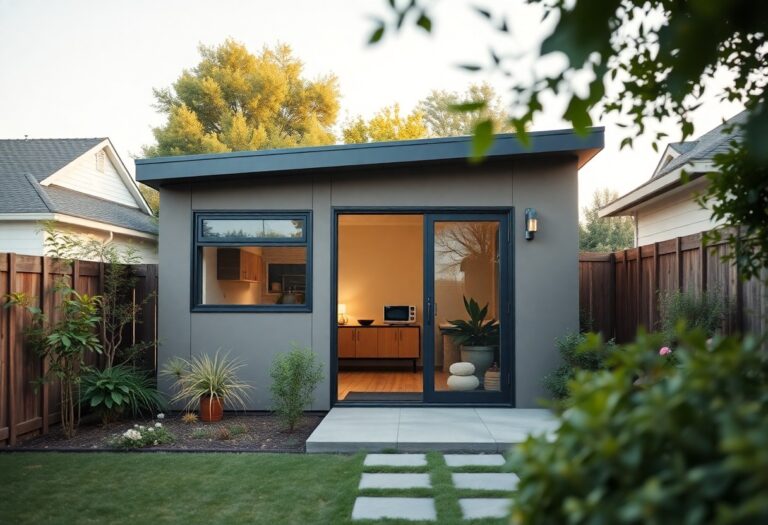
An ADU (Accessory Dwelling Unit) is a self-contained secondary home built on the same lot as an existing house, and it has quickly become one of the smartest upgrades a homeowner can make. Whether you know it as a granny flat, an in-law suite, or a backyard cottage, an ADU adds livable square footage, generates income, and solves real housing problems — all without buying more land. In this guide, we cover exactly what an ADU is, the different types available, how much one costs, the step-by-step build process, and the five biggest reasons homeowners are building ADUs right now.
Key Takeaways
- Clear Definition: An ADU is a fully independent secondary dwelling — with its own kitchen, bathroom, and entrance — located on a single-family lot.
- Increased Property Value: An ADU can significantly enhance the overall value of your property, making it more attractive to potential buyers.
- Additional Income: Renting out an ADU provides a steady stream of income, helping to offset mortgage payments or other expenses.
- Flexible Living Space: An ADU offers versatile living arrangements, suitable for family members, guests, or even a home office.
- Addressing Housing Shortages: Building an ADU contributes to alleviating housing shortages, providing a solution for the growing need for affordable living options.
- Sustainable Living: ADUs promote sustainable living by maximizing existing land, reducing urban sprawl, and minimizing the environmental impact of new construction.
What Is an ADU? A Complete Definition
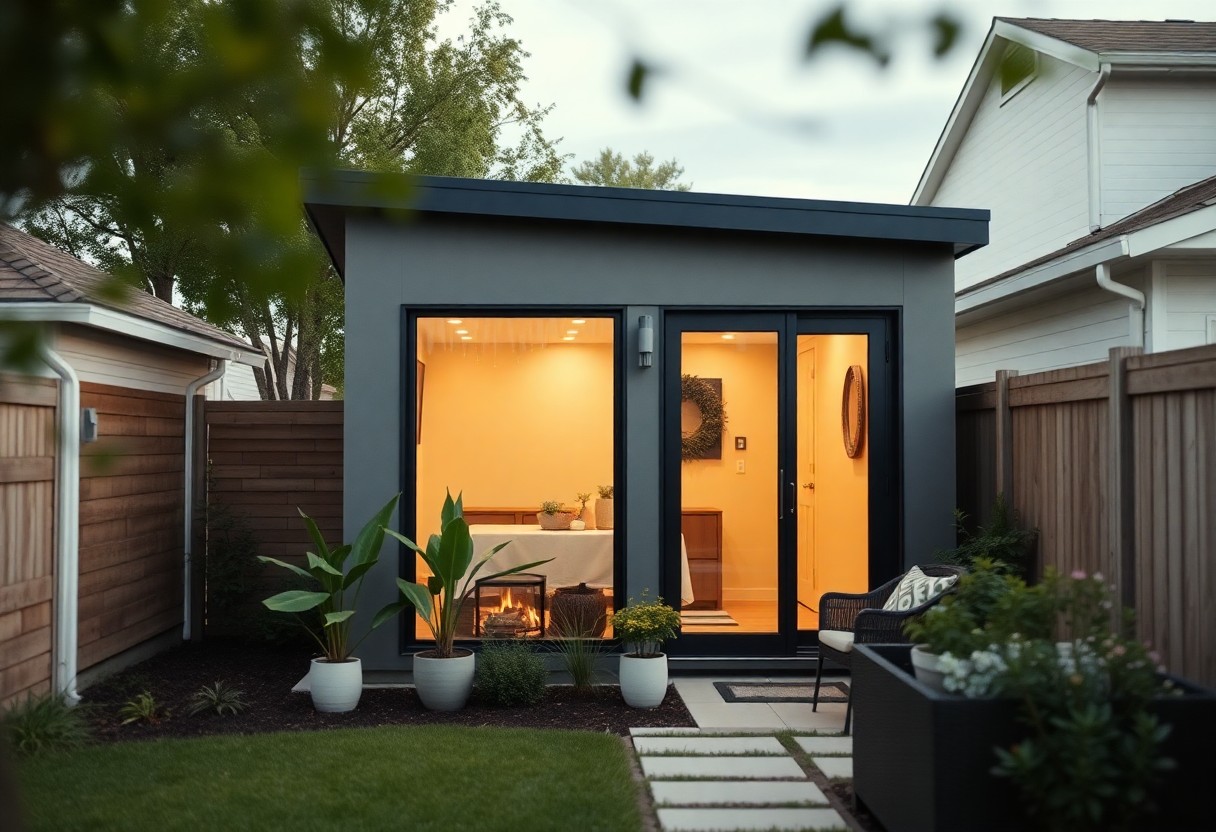
An ADU, short for Accessory Dwelling Unit, is a smaller, independent housing unit located on the same property as a primary single-family home. Unlike a spare bedroom, an ADU has everything needed for someone to live entirely on their own: a private entrance, a kitchen, a bathroom, and a sleeping area. According to Wikipedia’s overview of accessory dwelling units, these secondary homes are also known by regional names such as granny flats, in-law suites, backyard cottages, or casitas — but the underlying concept is the same everywhere.
In contrast to a simple room addition, an ADU functions as a completely separate residence. As a result, it can be rented out, used by extended family, or converted into a workspace without disturbing the main household. Specifically, most jurisdictions define an ADU by three characteristics: it shares a lot with a primary residence, it includes complete living facilities, and it is smaller than the main house. Understanding this definition is the first step toward planning a compliant, valuable, and functional ADU on your own property.
Types of ADUs Explained
Not every ADU looks the same, and choosing the right type depends on your lot, budget, and goals. Below are the four most common categories homeowners consider.
- Detached ADU: A freestanding structure built separately from the main house, often in the backyard, offering maximum privacy for tenants or family members.
- Attached ADU: An addition connected to the primary home, typically sharing at least one wall, which can reduce construction costs compared to a detached unit.
- Garage Conversion ADU: An existing garage transformed into a livable unit, making it one of the most cost-effective ways to add an ADU without new foundation work.
- Junior ADU (JADU): A smaller unit, usually under 500 square feet, created within the walls of the existing home, often sharing a bathroom with the main house.
ADU Size, Zoning & Legal Requirements
Before you fall in love with a floor plan, however, it’s important to understand the rules that govern ADU construction. Zoning ordinances vary widely by city and county, but most jurisdictions regulate an ADU’s maximum square footage, setback distances from property lines, parking requirements, and height limits. In California specifically, state law under the California Department of Housing and Community Development’s ADU handbook caps many detached ADUs at 1,200 square feet and streamlines approval timelines for homeowners.
In addition, many cities have removed owner-occupancy requirements and parking mandates near transit lines, making it easier than ever to build an ADU purely as a rental property. Consequently, before finalizing any design, always confirm current local rules with your city’s planning department, since regulations continue to evolve year over year.
5 Reasons to Build an ADU
Now that you understand what an ADU is and how it’s regulated, let’s explore why so many homeowners are choosing to build one. From boosting resale value to generating passive income, an ADU offers benefits that extend far beyond extra square footage.
1. Increase Property Value
While adding an ADU can significantly enhance your property value, it also offers an attractive return on investment. By creating more usable space, you appeal to a larger pool of potential buyers, which can lead to higher resale prices. Furthermore, the additional rental income generated by your ADU can make your property more valuable in terms of cash flow. Ultimately, investing in an ADU is a wise decision that contributes to your financial future, making your property not only more livable but also more lucrative.
- Increases property value significantly with an additional dwelling unit.
- Provides rental income to boost financial stability.
- Accommodates multigenerational living arrangements seamlessly.
- Creates versatile space for guests or a home office.
- Addresses housing shortages in your local community effectively.
- Enhances overall property utility and functionality for owners.
2. Generate Rental Income
There’s a significant opportunity for you to generate rental income by building an ADU on your property. This additional living space can serve as a source of passive income, whether you choose to rent it out long-term or through platforms like Airbnb. By capitalizing on the increasing demand for rental homes, you can not only cover your mortgage but also enhance your overall financial stability. Moreover, this extra income can give you more financial freedom to invest or save for future goals, making an ADU a savvy financial decision.
3. Accommodate Family Members
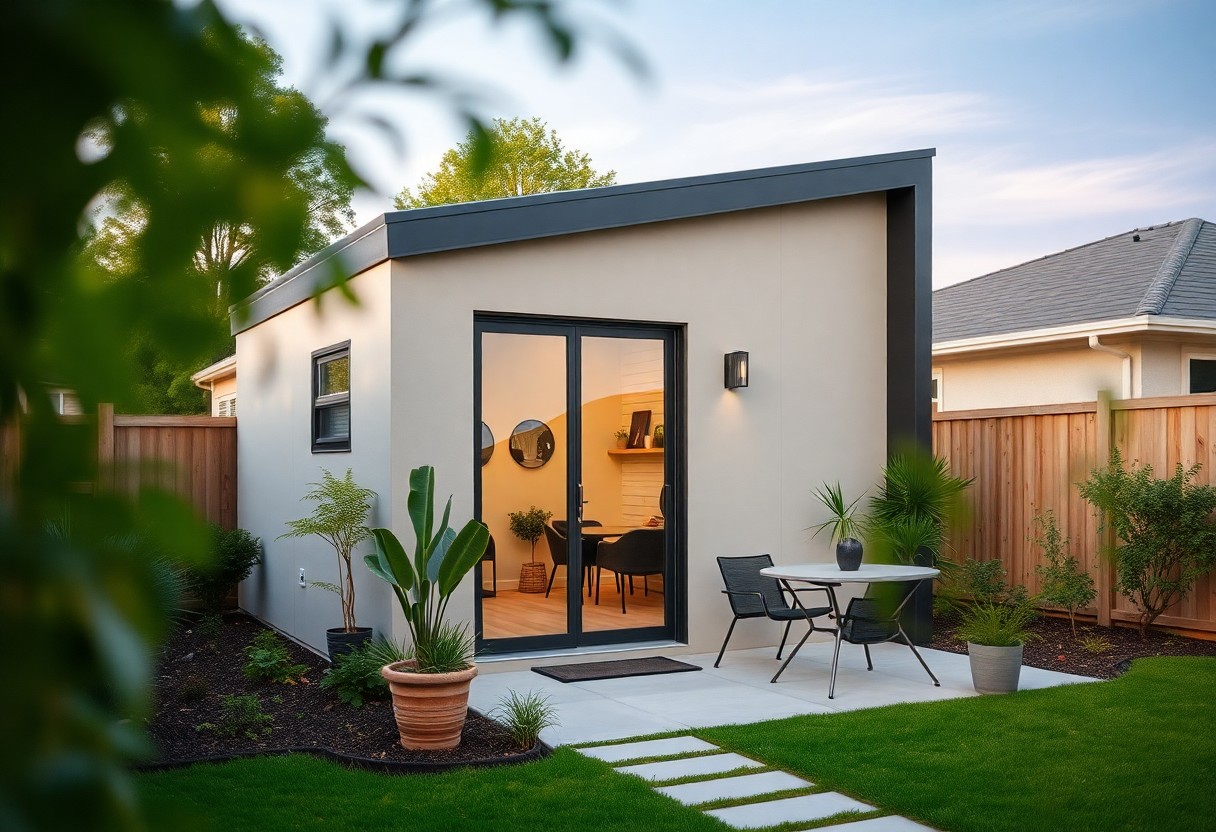
There’s no better way to support your family than by building an ADU. Whether you have aging parents who need close care or young adults returning home, an ADU offers a comfortable and private living space for your loved ones. This arrangement promotes independence for family members while ensuring they are close enough for you to provide assistance when needed. If you’re curious about the benefits of ADUs, check out The top 5 reasons people build ADUs for more insights.
4. Create a Home Office or Studio
Clearly, building an ADU provides you with the opportunity to create a functional home office or studio. This dedicated space can help you separate your work life from your personal life, enhancing your productivity. With the rise of remote work, having a professional environment at home becomes even more important for concentration and creativity. Additionally, a well-designed office not only boosts efficiency but can also increase the value of your property, making it a wise investment for your future.
5. Promote Sustainable Living
Some of the most effective ways to promote sustainable living involve reducing your carbon footprint and maximizing your space. By building an ADU, you utilize your existing lot better while providing affordable housing and promoting eco-friendly practices. Adding an ADU not only encourages the use of renewable energy but also supports community growth and responsible land use. If you want to learn more about the benefits of an ADU over traditional rentals, check out this article on 4 Reasons to Build an ADU Instead of Buying a Rental …
How Much Does an ADU Cost to Build?
Cost is often the first question homeowners ask, and understandably so. In general, a garage conversion ADU is the most affordable option, while a fully detached ADU with new foundation, plumbing, and electrical work sits at the higher end. Several factors influence the final price: square footage, finish level, site accessibility, and local labor costs.
- Garage Conversion: Typically the lowest cost since existing structure and foundation are reused.
- Attached ADU: Mid-range pricing, benefiting from shared walls and existing utility connections.
- Detached ADU: Highest investment, but offers maximum design freedom and rental privacy.
- Junior ADU: Budget-friendly since it’s built within the existing home’s footprint.
Above all, it’s worth remembering that an ADU is not just an expense — it’s an investment. As discussed earlier, rental income and increased resale value often offset construction costs within a few years, making the long-term math favorable for most homeowners.
ADU vs. Granny Flat vs. In-Law Suite: What’s the Difference?
Homeowners often wonder whether an ADU, a granny flat, and an in-law suite are actually different things. In reality, these terms typically describe the same concept: a secondary, independent living unit on a single-family lot. “Granny flat” and “in-law suite” are informal, regional names often used to describe a unit built for aging parents, while “ADU” is the formal, legal term used in zoning codes and permitting documents. Similarly, “backyard cottage” and “casita” are used more in West Coast and Southwestern markets. In short, whichever term your neighbor uses, they’re almost certainly talking about an ADU.
How to Build an ADU: Step-by-Step Process
Building an ADU involves more than just construction — it’s a structured process from planning to move-in. Here’s exactly how it works, step by step.
- Check Your Property’s ADU Eligibility and Local Zoning Rules. Before designing anything, check your city or county’s zoning code, lot size minimums, setback requirements, and owner-occupancy rules, because these local ADU regulations determine what type and size of unit you can legally build on your property.
- Choose the Right ADU Type and Floor Plan. Decide whether a detached ADU, attached addition, garage conversion, or junior ADU best fits your budget and lot layout, then select or customize a floor plan that maximizes livability within your local size limits.
- Secure Financing for Your ADU Project. Explore home equity loans, construction loans, cash-out refinancing, or specialized ADU financing programs to fund design, permitting, and construction costs, comparing rates and terms from multiple lenders before committing to one option.
- Obtain Permits and Finalize Architectural Plans. Submit stamped architectural and structural drawings to your local building department, pay applicable permit fees, and wait for plan check approval, a process that can take anywhere from a few weeks to several months depending on your jurisdiction.
- Complete Construction and Required Inspections. Hire a licensed ADU contractor to handle site work, foundation, framing, plumbing, electrical, and finishes, while scheduling mandatory inspections at each major construction milestone to ensure the build meets code.
- Finalize Utilities, Occupancy, and Move-In or Rental Setup. After passing final inspection, connect utilities, obtain your certificate of occupancy, and prepare the unit for a family member, tenant, or home office use so you can start enjoying the benefits of your finished ADU.
Financing Your ADU Project
Financing is often the biggest hurdle homeowners face before building an ADU. Fortunately, several loan products exist specifically to fund secondary units, including home equity lines of credit, renovation loans, and cash-out refinances. For general guidance on comparing home improvement loan options, the Consumer Financial Protection Bureau offers unbiased consumer resources worth reviewing before you sign any loan agreement.
Looking to find help financing your ADU? Click Here or check out one of our finance partners below.

www.primarymortgageresource.com

ADU Plans & Local Building Expertise Near You
Because ADU rules and typical lot conditions vary from city to city, working with a team that knows your specific area matters. For example, our ADU plans in Westminster and ADU plans in Pomona are tailored to each city’s lot sizes and permitting timelines. Similarly, if you’re exploring design options, take a look at our ADU design services in Laguna Woods, or connect with a local ADU contractor in Corona to get a build-ready estimate for your property.
Get Started Today
Ready to build your rental income ADU? Let The ADU Pro guide you through the process. Because this page currently has no inbound internal links, ask site editors to add contextual links from related posts and resource pages to improve discoverability. For a deeper walkthrough, see our The ADU Pro: Your Premier Orange County ADU Builder and Contractor page, or request a free quote to get a personalized estimate for your lot.
📞 Call us at (877) 398-8002
🌐 Visit us at www.theadupro.com
✉️ Email us at info@theadupro.com
Turn your property into a high-performing investment with our expert ADU solutions. Contact us today!
Conclusion
Taking everything into account, an ADU presents a multitude of benefits that can significantly enhance your property. From the moment you understand what an ADU is, through choosing a type, budgeting for cost, and following the build process, you gain a versatile asset that increases rental income, houses family or guests, and adds lasting value to your home. Furthermore, an ADU can be tailored to your personal needs while promoting sustainable land use. By investing in an ADU today, you create a flexible space that meets your evolving lifestyle and contributes to the overall growth of your community.
Frequently Asked Questions About ADUs
Q: What is an ADU and why is it gaining popularity?
A: An ADU, or Accessory Dwelling Unit, is a secondary housing unit built on a property that already has a primary residence. They are gaining popularity due to the increasing need for affordable housing solutions, the trend of multigenerational living, and the potential for generating rental income. Homeowners are increasingly recognizing these structures as valuable additions that enhance property utility and investment potential.
Q: How does building an ADU add value to my property?
A: Building an ADU can significantly increase your property’s value. In many areas, properties with additional living spaces can fetch higher market prices. Furthermore, ADUs provide a source of rental income, which can cover mortgage payments or provide extra financial security. The demand for rental properties often leads to a higher return on investment for homeowners who construct ADUs.
Q: Can an ADU help address housing shortages in my community?
A: Yes, ADUs can effectively help alleviate housing shortages, particularly in urban areas where land is at a premium. By adding additional housing units without requiring new land, ADUs help create more accessible and affordable housing options for smaller families, singles, and older adults looking to downsize.
Q: What are the benefits of multigenerational living with an ADU?
A: ADUs offer an ideal solution for multigenerational living arrangements. They provide a private living space for family members while maintaining proximity, allowing for support and interaction. This setup fosters strong family ties, helps with caregiving, and can save costs related to assisted living or nursing homes.
Q: Are there any zoning or permit considerations when building an ADU?
A: Yes, zoning laws and permit regulations for ADUs vary by location. It’s vital to check with your local government or zoning board regarding specific requirements. You may need permits or adherence to guidelines such as size, design, and occupancy limits. Doing thorough research beforehand streamlines the process and ensures compliance.
Q: How big can an ADU be?
A: Maximum ADU size depends entirely on local zoning code. In many California cities, detached ADUs can reach up to 1,200 square feet, while junior ADUs are typically capped around 500 square feet. Always verify current limits with your local planning department before finalizing a design.
Q: How long does it take to build an ADU?
A: On average, an ADU project takes between six and twelve months from initial design through move-in, including permitting, plan check, and construction. Garage conversions tend to move faster, while detached ADUs with new foundations generally take longer due to added site work.
Q: Do I need to live on the property to build an ADU?
A: This depends on your jurisdiction. Many cities have removed owner-occupancy requirements for ADUs in recent years, allowing investors to build and rent out both the main house and the ADU. However, some areas still require the owner to live in either the primary residence or the ADU, so check local rules first.
Q: Can I rent out my ADU on Airbnb, or must it be long-term?
A: It depends on local short-term rental ordinances. Some cities allow ADUs to be listed on platforms like Airbnb, while others restrict ADUs to long-term leases of thirty days or more. Therefore, always confirm short-term rental eligibility with your city before advertising your ADU for nightly stays.